Destinations / Africa
Sal, Cape Verde travel guide
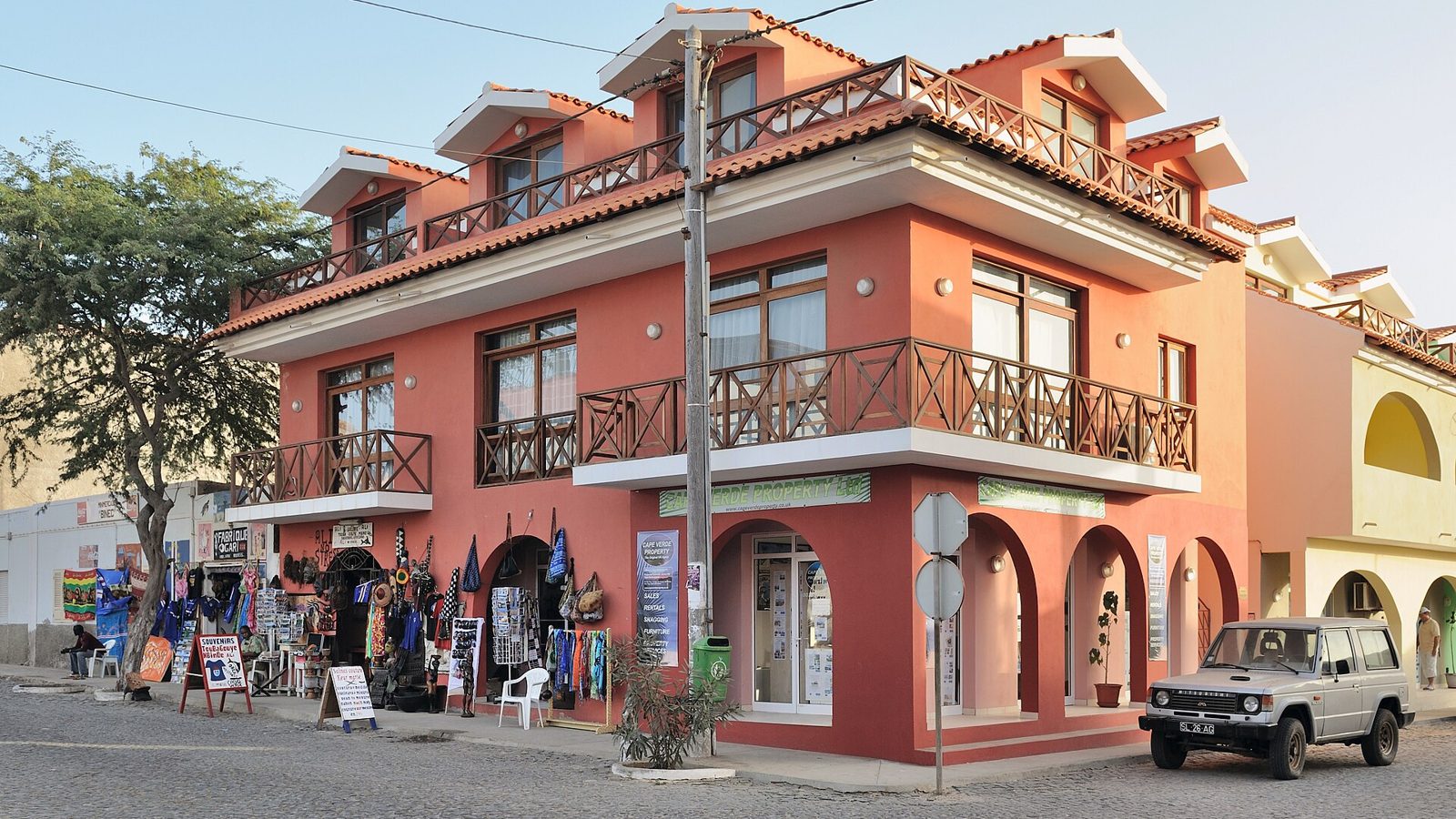
A flat, dry Atlantic island off West Africa with long white beaches, steady trade winds and a salt lake inside an old volcanic crater. You float in brine at Pedra de Lume, watch the tuna come in at Santa Maria pier and spend windy afternoons on the water at Kite Beach.
- Best time to visit: November to June
- Daily budget (budget traveller): $60 to $220 USD
- Ideal trip length: 4 to 7 days
Sal is the most visited island in Cape Verde, an archipelago about 600km off the coast of Senegal. It is flat, sandy and almost rainless, with a few volcanic hills rising out of a brown desert landscape. Most visitors stay in Santa Maria, a small, busy beach town at the southern tip with a long sweep of pale sand, a wooden pier and a strip of resorts running along the coast on either side. The island got its name from salt. You can still float in the salt pans inside the crater at Pedra de Lume, where the water is far saltier than the sea. The trade winds blow for much of the year, which has made Sal one of the best-known kitesurfing and windsurfing spots in the Atlantic. In winter, surfers come for the waves at Ponta Preta. Beyond the beaches, you can wade with young lemon sharks at Shark Bay, look into the Blue Eye pool at Buracona, see loggerhead turtles nest in summer and ride shared minibuses to Espargos, the island's small capital. Sal is built around package holidays and all-inclusive hotels. Even so, a cheap guesthouse in Santa Maria, plates of grilled fish and minibus rides costing about a dollar make it easy to do the island independently on a solo budget.
Sal is one of ten islands in Cape Verde, a former Portuguese colony in the Atlantic about 600km west of Senegal. It is the island most visitors see first, thanks to its international airport and long beaches, and it is quite unlike the green, mountainous islands further west. Sal is flat, windy and almost bare, with salt pans, lava fields and sand dunes. Life on the island centres on Santa Maria at the southern tip, a former salt port that has grown into a small beach town ringed by resorts. Many visitors never leave their all-inclusive hotel. Stay in town instead and you get the better version: grilled fish at a plastic table, the pier at noon when the tuna boats come in, the minibus to Espargos with local music playing and a beach bar at sunset. Prices are higher than on the other islands, but a guesthouse room, cheap local food and shared minibuses keep costs reasonable.
Getting here is easy from Europe. Direct flights reach Sal from the UK and many European cities, and TAP connects via Lisbon, which is also the usual route from North America. Before you fly, register on the EASE portal and pay the airport security tax, now 4,400 CVE, about $46. From the airport, a taxi to Santa Maria takes about 20 minutes. Once you are here, walk around Santa Maria and use aluguers, the shared minibuses, to reach Espargos for around a dollar. For Pedra de Lume, Shark Bay and Buracona, share a taxi tour or join a half-day island trip. Base yourself near the pier for food and evenings, or east of town if you plan to spend most days at Kite Beach.
Timing shapes the trip. From about November to May the trade winds blow steadily, which is perfect for kitesurfers but can make a beach day sandy. Winter swells bring surf to Ponta Preta, and humpback whales pass in spring. From July to October the wind drops, the air is hotter and more humid, and loggerhead turtles nest on the beaches. December to February can bring bruma seca, a dusty haze blown from the Sahara. The island is relaxed and friendly, and the local word morabeza sums up the warm welcome. Portuguese and Kriolu are spoken, and English is common in Santa Maria. Evenings mean live music in bars rather than clubs, and the local motto 'no stress' is worth taking seriously.
Sal itinerary
Arrive and find your feet
Morning: Land at Sal, show your EASE confirmation and take a taxi to Santa Maria, agreeing the fare first. Drop your bag and walk to the beach.
Afternoon: Change some money into escudos, buy bottled water and have a first swim off Santa Maria beach near the pier.
Evening: Watch the sunset from the beach, then eat grilled fish at a café a street back from the seafront.
Pier, beach and Ponta Preta
Morning: Have cachupa refogada for breakfast, then go to the pier from late morning to see the boats land tuna and wahoo.
Afternoon: Walk west along the beach past the resorts to Ponta Preta to watch the surfers and windsurfers. Take a taxi back if the heat gets too much.
Evening: Find a bar with live music in Santa Maria and try a glass of ponche or grogue.
Salt crater and Shark Bay
Morning: Share a taxi or join a half-day tour to Pedra de Lume. Float in the salt pans (€6, cash only) before the crowds arrive, then rinse off.
Afternoon: Walk around the old harbour village and the salt cable car, then stop at Shark Bay on the way back to wade with lemon sharks at low tide.
Evening: A simple dinner and an early night after a salty, sunny day.
Espargos and the west coast
Morning: Take an aluguer to Espargos for about 100 to 150 CVE. Walk the market and climb to the Monte Curral viewpoint.
Afternoon: Ride a minibus or taxi to Palmeira for a fish lunch by the harbour, then on to Buracona to see the Blue Eye in the midday sun.
Evening: Head back via Espargos to Santa Maria. Dinner near the main square.
On the water
Morning: Book a beginner kitesurf or windsurf lesson at Kite Beach or on Santa Maria beach while the wind is steady.
Afternoon: Rest on the beach, or go on a snorkelling or diving trip to the reefs and wrecks off Santa Maria.
Evening: Sunset drink at a seafront bar such as the one at Odjo d'Agua, then a lobster or octopus dinner if you are splurging.
Murdeira and a slow day
Morning: Take a taxi to Murdeira Bay for calm water and snorkelling under the Monte Leão headland. Bring water and snacks.
Afternoon: Back in Santa Maria, wander the backstreets, buy coffee, grogue or salt to take home and rest in the shade.
Evening: In season, join a licensed turtle watch from July to October. Otherwise, catch live music in town.
Slow morning and depart
Morning: Have a last early swim and walk along the pier before the heat builds.
Afternoon: Take a taxi to the airport, allowing plenty of time for check-in and security. Spend or change any leftover escudos first.
Evening: Fly home, or take the evening flight or the late ferry from Palmeira on to Boa Vista.
Best neighbourhoods
- Santa Maria centre and the pier: The heart of the island's tourism: a grid of low pastel buildings, the main square, small bars, dive shops and the wooden pier where fishermen land their catch. Most of the guesthouses and cheaper apartments are here, and the beach is a minute away. It is lively until late, especially at weekends, so pick a room off the main streets if you sleep lightly.
- Santa Maria east and Igrejinha: The beachfront east of the pier, with mid-range hotels, apartment blocks and quieter stretches of sand towards Igrejinha. It is a 10 to 20 minute walk into town along the beach. It suits you if you want a calmer base and plan to be on the water at Kite Beach, which is a short taxi ride further east.
- Algodoeiro and Ponta Preta: The resort strip west of Santa Maria, lined with big all-inclusive hotels on a long, open beach. It is a good place for a swim and sunset walks, and Ponta Preta is the island's main wave for surfing and windsurfing. Off the resort grounds there is little to do, so you will need taxis into town in the evening.
- Espargos: The island's capital, next to the airport in the middle of Sal. It is a working Cape Verdean town with a market, cheap cafés, local bakeries and the Monte Curral viewpoint above it. Rooms are cheaper than in Santa Maria and it is handy for early flights, but there is no beach and evenings are quiet.
- Palmeira: A small fishing village and the island's port on the west coast, about 10 minutes by road from Espargos. Ferries to Boa Vista leave from here. It has a few simple guesthouses and restaurants and is a good base for Buracona, but you will be relying on minibuses and taxis for everything else.
Must-do experiences
- Float in the Pedra de Lume salt crater: Walk through the tunnel into the crater of an old volcano, where salt pans fill the floor. Entry is €6, about $7, and it is cash only. You float effortlessly in the brine, then pay about €1 for a short freshwater shower. Go early and wear water shoes, as the salt crust is sharp.
- Watch the catch come in at Santa Maria pier: From late morning, fishermen land tuna, wahoo and grouper on the wooden pier and clean them on the spot. It is free to watch and one of the best places on the island to take photos. Kids jump off the end into the clear water, and you can often buy fish to cook if you have a kitchen.
- Wade with lemon sharks at Shark Bay: On the east coast near Parda, young lemon sharks swim in the shallow water over the rocks. Locals charge a small entry fee and rent out water shoes. Go at low tide and in calm conditions, stand still and let the sharks come to you. Never touch or feed them.
- See the Blue Eye at Buracona: On the rugged north-west coast, a natural pool in the lava rock lights up bright blue when the sun shines in, usually around midday. There is a small entry fee. The surrounding cliffs and pools are dramatic, but waves break hard here, so do not swim when the sea is rough.
- Take a kitesurf or windsurf lesson: Sal's trade winds blow steadily from about November to May. Schools at Kite Beach and on Santa Maria beach run lessons for beginners and rent gear by the hour or day. A few hours of lessons is a good way to meet other solo travellers on the beach.
- Join a turtle watch in summer: From about July to October, loggerhead turtles come ashore at night to nest on Sal's beaches, and hatchlings run to the sea later in the season. Join a licensed guided walk with a local conservation group and keep lights off and distance as instructed.
- Ride the minibus to Espargos: Flag down an aluguer, a shared minibus, on the main road in Santa Maria for about 100 to 150 CVE, roughly $1 to $1.50. In Espargos, walk the market, have a cheap lunch and climb to the Monte Curral viewpoint for a view across the whole flat island.
Hidden gems
- The old Pedra de Lume village by the harbour, with its small white church and the rusting pylons of the cable car that once carried salt to the boats
- Murdeira Bay on the west coast, a quiet, sheltered bay with clear water for snorkelling under the Monte Leão headland
- The Terra Boa plain in the north, where heat haze over the flat desert creates a shimmering mirage on hot afternoons
- Palmeira harbour in the late afternoon, when the fishing boats come back and locals gather on the quay
- Ponta Preta at dawn, when the light is soft, the beach is almost empty and the first surfers paddle out
Daily budget
- Accommodation: budget $20 to $40 USD / night (hostel dorm or simple guesthouse), mid-range $80 to $150 USD (beachside apartment or 3-star hotel), splurge $250+ USD (boutique seafront hotel or Hilton Cabo Verde Sal Resort). A tourist tax of 276 CVE, about $3, per person per night is added for up to 10 nights. Rooms are cheaper in Espargos. Book Christmas, New Year and Easter early.
- Food: budget $20 to $30 USD / day (café cachupa, bakery snacks, a local fish plate), mid-range $40 to $65 USD (beach café lunch and a sit-down fish dinner), splurge $90+ USD (lobster, wine and cocktails at a seafront restaurant). Eat where locals do, a street back from the beach, and prices fall sharply. Ask the price of lobster before ordering, as it is often sold by weight. Prices are rough guides.
- Transport: budget $0 to $5 USD / day (walking, aluguers), mid-range $15 to $40 USD (taxis to Pedra de Lume or Kite Beach), splurge $100+ USD (car hire, private island tour). Aluguers to Espargos cost 100 to 150 CVE. The airport taxi is about 1,000 to 1,200 CVE on the official tariff. The Boa Vista ferry is about 2,500 CVE one way.
- Activities: budget $0 to $10 USD / day (beaches, the pier, Pedra de Lume at €6), mid-range $30 to $70 USD (island tour, snorkelling trip, Shark Bay), splurge $150+ USD (kitesurf course, diving, whale watching). Pedra de Lume, Shark Bay and Buracona charge small cash entry fees. Multi-day kitesurf courses are the biggest cost, so compare schools and what gear is included.
- Drinks & nightlife: budget $3 to $8 USD (a Strela beer or a grogue at a local bar), mid-range $15 to $30 USD (a few drinks at a beach bar), splurge $50+ USD (cocktails and live music in Santa Maria). A coffee costs about $1 to $2 and a beer $2 to $4 away from the beach. Nightlife means bars with live morna and funaná music rather than clubs.
Where to stay
- Social hostel in Santa Maria centre ($20 to $40 USD / night (dorm or basic room)): Santa Maria has a handful of small hostels and family-run guesthouses a few streets from the beach. They are the cheapest beds on the island and good places to find people to share taxis and tours with.
- Boutique hotel in Santa Maria seafront ($120 to $220 USD / night): Odjo d'Agua sits on the rocks by the water next to the town centre, with a seafront terrace and pool. The pier, bars and restaurants are all a short walk away.
- Apartment in Santa Maria east and Igrejinha ($70 to $140 USD / night): Holiday apartments along the beach east of the pier give you a kitchen, which pays off when you can buy fresh fish at the pier. Check whether the tourist tax is included and how far it is to walk to town.
- Splurge in Santa Maria beachfront ($250 to $450+ USD / night): Hilton Cabo Verde Sal Resort sits on the main beach east of town, with large pools and a spa. You can still walk along the sand into Santa Maria for dinner.
What to eat
- Cachupa: the national dish of slow-cooked maize, beans and meat or fish. Order cachupa refogada, fried with an egg, for a big breakfast in a local café
- Grilled fresh fish: tuna, wahoo or grouper landed at the pier that morning, served simply with rice, salad and boiled potatoes
- Pastel com diabo dentro: a fried pastry filled with spicy tuna, sold as a cheap snack in bakeries and cafés
- Lagosta (lobster) and octopus: a splurge in seafront restaurants. Ask the price before ordering, as lobster is often priced by weight
- Grogue and ponche: the local sugar cane spirit and its sweet, creamy liqueur cousin, plus cold Strela beer at a beach bar
- Goat's cheese and papaya jam for breakfast, and a strong cup of coffee from the island of Fogo
Day trips
- Pedra de Lume and Shark Bay (About 25km north-east of Santa Maria, 25 to 30 minutes by road): Float in salt pans inside an old volcanic crater, see the remains of the salt cable car in the old harbour village and then wade with young lemon sharks in the shallows at Shark Bay. It is the classic half-day out on Sal. Take a taxi (about 1,400 CVE each way by day on the official tariff) or join a half-day tour. On a budget, take an aluguer to Espargos and a short taxi from there. Bring cash for the €6 entry and €1 shower.
- Buracona, Palmeira and the north (About 30km north of Santa Maria, 35 to 45 minutes by road): Wild lava coast, the Blue Eye pool that glows when the midday sun shines in, the Terra Boa mirage plain and lunch in the fishing village of Palmeira. It is a good contrast to the beaches in the south. Take an aluguer to Espargos, another minibus to Palmeira, then a taxi to Buracona, or book a taxi tour or buggy tour from Santa Maria. Aim to be at Buracona around noon for the best light.
- Boa Vista (About 50km south across the sea, 3 hours by ferry or a short flight): Sal's sandier, quieter neighbour, with huge empty beaches, dunes and the small capital of Sal Rei. It is not a same-day trip, but it is an easy two or three night add-on. Take the CV Interilhas ferry from Palmeira (about 2,500 CVE, around twice a week, usually late at night) or a CVsky flight. Check ferry dates on cvinterilhas.cv before booking rooms.
When to visit
- Winter (December - February): 22-26°C, dry and breezy, sea around 21-22°C, occasional Saharan haze. Crowds: Busy, especially at Christmas, New Year and Carnival. Peak season for European visitors and strong wind for kitesurfing. Good waves at Ponta Preta. Book early around the holidays and expect some hazy days.
- Spring (March - June): 23-27°C, sunny and windy, sea around 21-23°C. Crowds: Moderate, busier at Easter. Arguably the best balance. Reliable wind until about May, clear skies, whale-watching season in spring and calmer, cheaper weeks in May and June.
- Summer (July - September): 27-30°C, hot and humid, lighter wind, sea up to about 26°C, occasional rain. Crowds: Moderate, busier in August with European families. Best for warm swimming and turtle nesting walks. Less good for kitesurfing. Showers and storms are possible from late August.
- Autumn (October - November): 26-29°C, warm, wind building again in November, sea 24-25°C. Crowds: Low to moderate. A quiet, good-value window. Turtle hatchlings are still on the beaches in October, and the kite season starts again by late November.
Getting there
Amílcar Cabral International Airport is next to Espargos, in the middle of the island and about 20 minutes' drive from Santa Maria. Direct flights connect Sal with the UK and many European cities, with more flights in winter. TAP flies daily via Lisbon, which is also the usual connection from North America. Before you fly, register on the EASE portal (ease.gov.cv) at least five days ahead and pay the airport security tax. It rose to 4,400 CVE, about $46, on 4 November 2026. Most visitors from the UK, EU and US do not need a visa for stays of up to 30 days, but many other nationalities must now get one in advance. From the airport, the official taxi fare to central Santa Maria is about 1,000 CVE by day and 1,200 CVE at night, though drivers often quote €15 to €25, so agree the fare first. Shared and private transfers can be booked in advance. Between the islands, CVsky flies from Sal to Boa Vista, Praia, São Vicente and Fogo. The CV Interilhas ferry from Palmeira to Boa Vista takes about three hours and costs about 2,500 CVE, but it runs only a couple of times a week, usually around midnight.
Getting around
Santa Maria is small and flat, so you will walk around town and along the beach. To go further, use the aluguers, white shared minibuses that run along the main road between Santa Maria and Espargos. Flag one down on the main road and pay about 100 to 150 CVE, roughly $1 to $1.50, per seat. They leave when they are full and have no timetable, so expect waits. From Espargos, other minibuses go to Palmeira and Pedra de Lume. Taxis do not use meters, and the town council sets fixed fares that are higher at night. In the centre of Santa Maria, a short hop is about 150 CVE, and Santa Maria to Pedra de Lume or Palmeira is about 1,400 CVE by day. Always agree the price and currency before you get in. For Buracona, Shark Bay and the north, a half-day taxi tour, a quad or buggy tour or a hired car makes sense. Roads are quiet, but some tracks are rough. Cycling is possible on the flat roads, but there is little shade and the wind can be strong.
Safety
Sal is generally safe, and violent crime against visitors is uncommon. Petty theft is the main risk. Keep your phone and bag close in Santa Maria, do not leave valuables on the beach while you swim and avoid walking alone on dark, empty stretches of beach at night. Souvenir sellers on the beach can be persistent, so a smile and a firm 'no, obrigado' works best. The sea is the bigger danger. The east and north coasts have strong currents and heavy waves, so swim at Santa Maria beach or in sheltered bays, and take local advice before swimming elsewhere. The sun is fierce and the wind hides it, so use high-factor sunscreen and drink plenty of water. Wear water shoes on rocks and in the salt crater. Tap water is desalinated and not recommended for drinking, so buy bottled water or use a filter bottle. The emergency numbers are 132 for police, 130 for an ambulance and 131 for the fire service. Travel insurance with medical and evacuation cover is essential, as serious cases may need to go to Praia or abroad.
Solo travel tips
- Stay in Santa Maria, not a resort: A guesthouse near the pier puts the beach, cheap food and live music on your doorstep. On the resort strips you are reliant on taxis and hotel restaurants.
- Register online before you fly: Do your EASE registration and pay the airport security tax at least five days before travel. Paying at the airport costs more and means queuing after a long flight.
- Share taxis and tours: Taxi fares are per car, so a solo trip to Pedra de Lume or Buracona is expensive. Team up with others from your guesthouse, kite school or a group tour to split the cost.
- Carry small escudo notes: Aluguers, entry fees, showers and local cafés want cash. Paying in escudos rather than euros usually gets you a better price and avoids bad change.
- Safety for solo travellers: The main risks are the sea, the sun and petty theft. Swim at Santa Maria beach, keep valuables out of sight and take a taxi at night rather than walking empty beaches.
- Meet people on the water: Kite and surf schools, dive centres and group island tours are the easiest places to meet other travellers. Live music bars in Santa Maria are relaxed places to start a conversation.
Cultural etiquette
- Greet people with 'bom dia' (good morning) or 'boa tarde' (good afternoon), and say 'obrigado' or 'obrigada' (thank you). A few words of Kriolu or Portuguese go a long way.
- Cover up when you leave the beach. Walking through town, shops or the market in swimwear is frowned upon.
- Dress modestly in churches, with covered shoulders and knees, and keep your voice down during services.
- Ask before photographing people, especially fishermen at the pier and vendors in the market.
- With beach sellers and tour touts, be polite but firm. A smile and 'no, obrigado' is enough, and there is no need to be rude.
- Things move slowly here, so be patient with service. 'No stress' is the local motto, and getting angry rarely helps.
- Do not touch the sharks at Shark Bay or the nesting turtles, keep lights off on turtle beaches at night and take all rubbish away with you.
Frequently asked questions
How do I get from Sal airport to Santa Maria?
The airport is next to Espargos in the middle of the island, about 20 minutes' drive from Santa Maria. Taxis wait outside arrivals. The council's fixed fare to central Santa Maria is about 1,000 CVE by day and 1,200 CVE at night, roughly $11 to $13, but drivers often quote €15 to €25, so agree the price and currency first. Pre-booked transfers and shared shuttles are also available. There is no public bus from the terminal, though aluguers run from Espargos if you travel light.
How many days do I need on Sal?
Three days covers Santa Maria, the pier, Pedra de Lume and Shark Bay. Four to five days lets you add Buracona, Espargos and a kitesurf or surf lesson. A week works if you want lessons over several days, a slow beach routine or a short hop to Boa Vista.
When is the best time to visit Sal?
Sal is warm and dry all year, usually 22 to 30°C. November to June is the main season, with steady trade winds for kitesurfing and winter waves for surfers. December to February can bring hazy, dusty days from the Sahara. July to October is hotter and less windy, with occasional rain, and is turtle nesting season. Humpback whales pass in spring.
Do I need cash on Sal?
Yes, some. The currency is the Cape Verdean escudo (CVE), pegged to the euro at 110.265 CVE to €1. Euros are widely accepted in Santa Maria, but change is given in escudos and the rate is often poor. Hotels and many restaurants take cards, but aluguers, Pedra de Lume, Shark Bay and small cafés need cash. ATMs are in Santa Maria and Espargos.
Can I swim anywhere on Sal?
No. Santa Maria beach is the safest, most sheltered place to swim. The east coast, including Kite Beach, has strong wind, waves and currents, and the north coast at Buracona can be dangerous. Murdeira Bay is calmer and good for snorkelling. If a beach has a red flag or locals advise against it, stay out.
Can I go to Boa Vista from Sal?
Yes. CV Interilhas runs a ferry from Palmeira to Sal Rei that takes about three hours and costs about 2,500 CVE, roughly $26, one way. It sails only about twice a week, usually around midnight, and depends on the weather, so check the dates on cvinterilhas.cv before you book a room. CVsky flights are quicker but cost more.
Is Sal safe for solo female travellers?
Generally, yes. Santa Maria is small, busy and used to visitors, and plenty of women travel here alone, especially for kitesurfing. Expect some attention from beach sellers and young men offering tours. Be firm and polite, take normal care with drinks in bars, and use a taxi rather than walking along the beach or empty roads late at night.
What entry rules apply to Cape Verde in 2026?
UK, EU and US citizens, among others, can visit visa-free for up to 30 days. Since 1 January 2026, citizens of many other countries must get a visa in advance, as the visa on arrival has ended. Every visitor must pre-register on the EASE portal (ease.gov.cv) at least five days before travel and pay the airport security tax, which rose to 4,400 CVE, about $46, on 4 November 2026. Paying at the airport costs more. Your passport should be valid for six months, and you should check the official EASE site and your government's advice.
Tours and activities in Sal | Sal in 2 days | Sal in 3 days | Sal in 4 days | Sal in 5 days | Sal in 7 days
Joy Plus home | Destinations | Itineraries | Activities | Flights | Budget planner | Calendar | Map | Blog | Lifetime access