Sal in 4 days
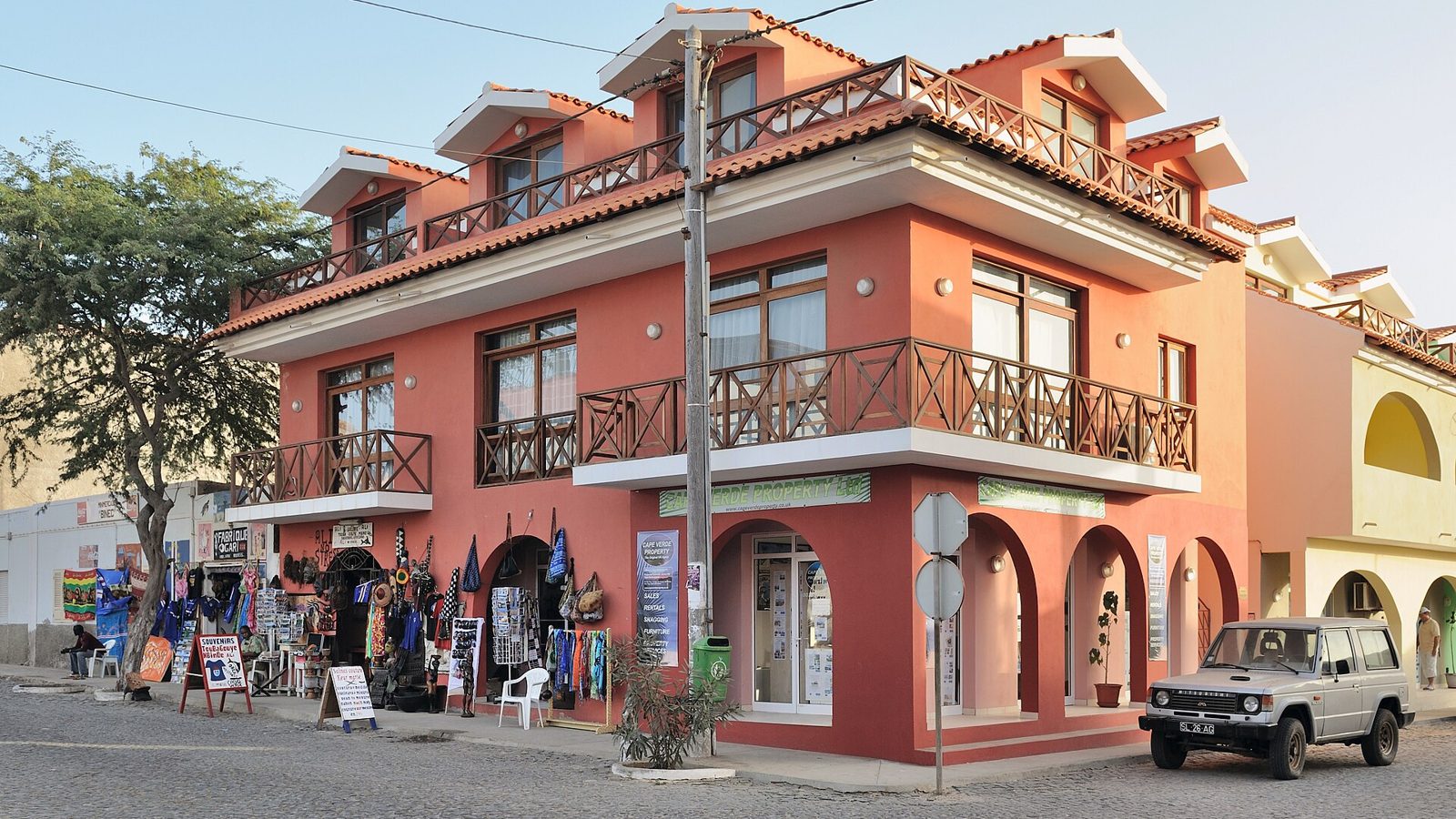
A flat, dry Atlantic island off West Africa with long white beaches, steady trade winds and a salt lake inside an old volcanic crater. You float in brine at Pedra de Lume, watch the tuna come in at Santa Maria pier and spend windy afternoons on the water at Kite Beach. Best time to visit: November to June. Daily budget (budget traveller): $60 to $220 USD.
Arrive and find your feet
Morning: Land at Sal, show your EASE confirmation and take a taxi to Santa Maria, agreeing the fare first. Drop your bag and walk to the beach.
Afternoon: Change some money into escudos, buy bottled water and have a first swim off Santa Maria beach near the pier.
Evening: Watch the sunset from the beach, then eat grilled fish at a café a street back from the seafront.
Pier, beach and Ponta Preta
Morning: Have cachupa refogada for breakfast, then go to the pier from late morning to see the boats land tuna and wahoo.
Afternoon: Walk west along the beach past the resorts to Ponta Preta to watch the surfers and windsurfers. Take a taxi back if the heat gets too much.
Evening: Find a bar with live music in Santa Maria and try a glass of ponche or grogue.
Salt crater and Shark Bay
Morning: Share a taxi or join a half-day tour to Pedra de Lume. Float in the salt pans (€6, cash only) before the crowds arrive, then rinse off.
Afternoon: Walk around the old harbour village and the salt cable car, then stop at Shark Bay on the way back to wade with lemon sharks at low tide.
Evening: A simple dinner and an early night after a salty, sunny day.
Espargos and the west coast
Morning: Take an aluguer to Espargos for about 100 to 150 CVE. Walk the market and climb to the Monte Curral viewpoint.
Afternoon: Ride a minibus or taxi to Palmeira for a fish lunch by the harbour, then on to Buracona to see the Blue Eye in the midday sun.
Evening: Head back via Espargos to Santa Maria. Dinner near the main square.
Heading home: Take a taxi to the airport, allowing plenty of time for check-in and security. Fly home, or take the evening flight or the late ferry from Palmeira on to Boa Vista.
What to eat in Sal
- Cachupa: the national dish of slow-cooked maize, beans and meat or fish. Order cachupa refogada, fried with an egg, for a big breakfast in a local café
- Grilled fresh fish: tuna, wahoo or grouper landed at the pier that morning, served simply with rice, salad and boiled potatoes
- Pastel com diabo dentro: a fried pastry filled with spicy tuna, sold as a cheap snack in bakeries and cafés
- Lagosta (lobster) and octopus: a splurge in seafront restaurants. Ask the price before ordering, as lobster is often priced by weight
- Grogue and ponche: the local sugar cane spirit and its sweet, creamy liqueur cousin, plus cold Strela beer at a beach bar
- Goat's cheese and papaya jam for breakfast, and a strong cup of coffee from the island of Fogo
Hidden gems
- The old Pedra de Lume village by the harbour, with its small white church and the rusting pylons of the cable car that once carried salt to the boats
- Murdeira Bay on the west coast, a quiet, sheltered bay with clear water for snorkelling under the Monte Leão headland
- The Terra Boa plain in the north, where heat haze over the flat desert creates a shimmering mirage on hot afternoons
- Palmeira harbour in the late afternoon, when the fishing boats come back and locals gather on the quay
- Ponta Preta at dawn, when the light is soft, the beach is almost empty and the first surfers paddle out
Getting around
Santa Maria is small and flat, so you will walk around town and along the beach. To go further, use the aluguers, white shared minibuses that run along the main road between Santa Maria and Espargos. Flag one down on the main road and pay about 100 to 150 CVE, roughly $1 to $1.50, per seat. They leave when they are full and have no timetable, so expect waits. From Espargos, other minibuses go to Palmeira and Pedra de Lume. Taxis do not use meters, and the town council sets fixed fares that are higher at night. In the centre of Santa Maria, a short hop is about 150 CVE, and Santa Maria to Pedra de Lume or Palmeira is about 1,400 CVE by day. Always agree the price and currency before you get in. For Buracona, Shark Bay and the north, a half-day taxi tour, a quad or buggy tour or a hired car makes sense. Roads are quiet, but some tracks are rough. Cycling is possible on the flat roads, but there is little shade and the wind can be strong.
Safety
Sal is generally safe, and violent crime against visitors is uncommon. Petty theft is the main risk. Keep your phone and bag close in Santa Maria, do not leave valuables on the beach while you swim and avoid walking alone on dark, empty stretches of beach at night. Souvenir sellers on the beach can be persistent, so a smile and a firm 'no, obrigado' works best. The sea is the bigger danger. The east and north coasts have strong currents and heavy waves, so swim at Santa Maria beach or in sheltered bays, and take local advice before swimming elsewhere. The sun is fierce and the wind hides it, so use high-factor sunscreen and drink plenty of water. Wear water shoes on rocks and in the salt crater. Tap water is desalinated and not recommended for drinking, so buy bottled water or use a filter bottle. The emergency numbers are 132 for police, 130 for an ambulance and 131 for the fire service. Travel insurance with medical and evacuation cover is essential, as serious cases may need to go to Praia or abroad.
Frequently asked questions
What does this 4-day Sal itinerary cover?
Day 1: Arrive and find your feet. Day 2: Pier, beach and Ponta Preta. Day 3: Salt crater and Shark Bay. Day 4: Espargos and the west coast.
Is 4 days enough for Sal?
Our recommended trip length for Sal is 4 to 7 days. This 4-day plan focuses on the highlights and groups sights by area so you spend less time travelling between them.
How much does 4 days in Sal cost?
A budget traveller spends about $60 to $220 USD a day in Sal, so roughly $240 to $880 USD for 4 days, not counting flights.
Where should I stay for 4 days in Sal?
Santa Maria centre and the pier: The heart of the island's tourism: a grid of low pastel buildings, the main square, small bars, dive shops and the wooden pier where fishermen land their catch. Santa Maria east and Igrejinha: The beachfront east of the pier, with mid-range hotels, apartment blocks and quieter stretches of sand towards Igrejinha.
When is the best time to visit Sal?
The best time to visit Sal is November to June.
How do I get around Sal?
Santa Maria is small and flat, so you will walk around town and along the beach. To go further, use the aluguers, white shared minibuses that run along the main road between Santa Maria and Espargos.
Is Sal safe for solo travellers?
Sal is generally safe, and violent crime against visitors is uncommon. Petty theft is the main risk.
More 4-day guides
- Marrakech in 4 days
- Cape Town in 4 days
- Cairo in 4 days
- Zanzibar in 4 days
- Fes in 4 days
- Kigali in 4 days
- Tunis in 4 days
- Maputo in 4 days
Sal in 2 days | Sal in 3 days | Sal in 5 days | Sal in 7 days | Full Sal guide
Joy Plus home | Destinations | Itineraries | Activities | Flights | Budget planner | Calendar | Map | Blog | Lifetime access