Destinations / South America
Salento, Colombia travel guide
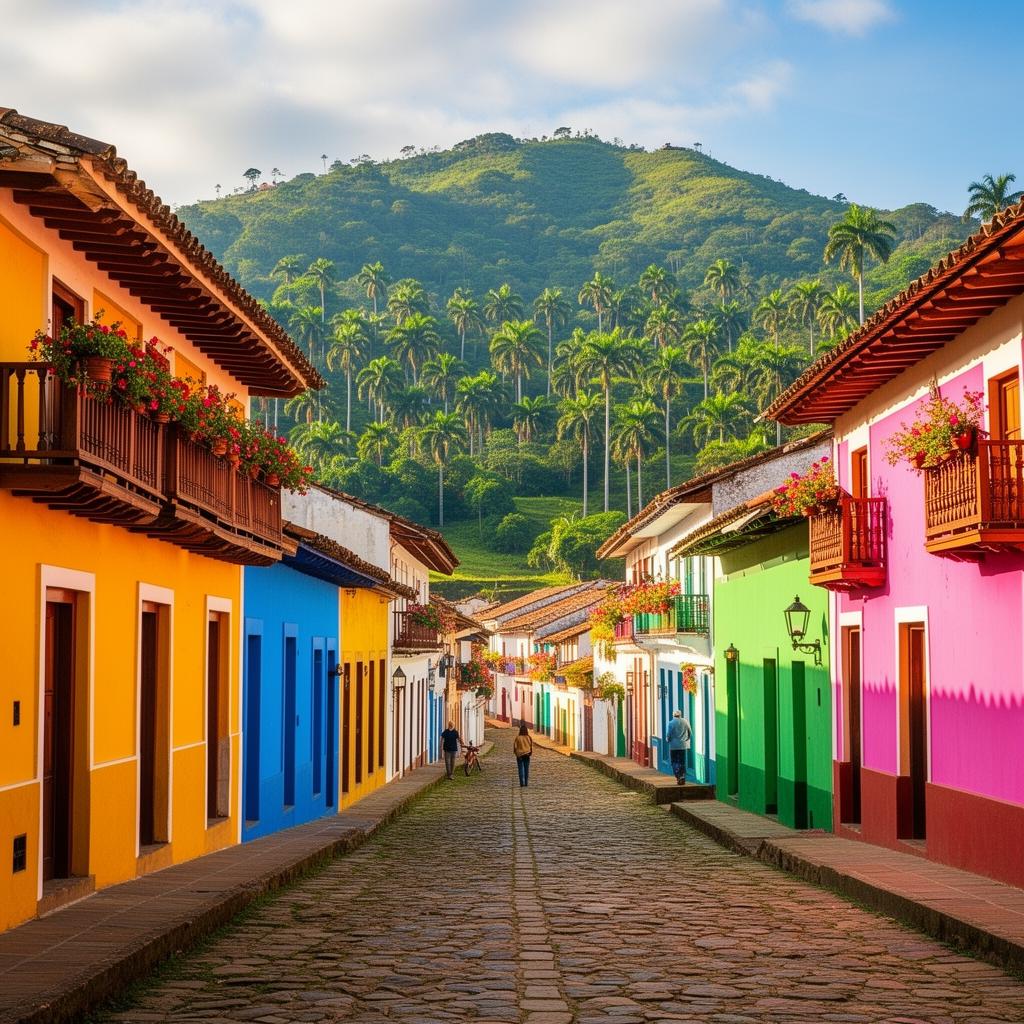
The coffee region's most colourful town, gateway to the Cocora Valley, where wax palms touch the clouds.
- Best time to visit: December-March and July-August
- Daily budget (budget traveller): $30 to $55 USD
- Ideal trip length: 3 to 5 days
Salento is a town painted in every colour of the spectrum, sitting at the heart of Colombia's Eje Cafetero, the country's coffee-growing axis. While Medellín and Cartagena get the headlines, Salento offers something quieter and stranger: the world's tallest palm trees in the Cocora Valley, working coffee farms where you pick and roast your own beans, and a main street where every house is a different shade of paint. Joy Plus plans your Salento days around the valley mist, the coffee harvests and the hiking trails that lead into cloud forest.
Salento sits at 1,895 metres in Quindío, a small coffee town where the houses are painted in loud blues, oranges and greens and every second doorway has a geranium on it. The Spanish-style balconies, the Willys jeeps parked nose-in around the Plaza de Bolívar and the smell of charcoal arepas make it feel like a film set that happens to have a bakery. Most visitors come for one reason: the Cocora Valley, 11 km east, where wax palms up to 60 metres tall (Colombia's national tree) poke through the cloud like green pencils. The surprise is how much else fits around that one hike.
A good Salento day starts early and finishes early. The first jeep to Cocora leaves the plaza around 6:10am, the valley is clear until about 11am, and by 1pm the cloud usually rolls in. So you hike in the morning, eat trout in the afternoon and spend the evening on Calle Real with a craft beer or a game of tejo, Colombia's national sport, in which you throw a metal puck at a clay-packed target ringed with small gunpowder explosives. Coffee farms such as Don Elías and El Ocaso fill the quieter hours, and they are the right place to learn why a cup here costs COP 4,000 but tastes like a COP 20,000 flat white back home.
Salento rewards slow travel. Three days covers the essentials, five lets you add Filandía, a hot-spring day and a weather buffer, and seven suits remote workers and anyone who wants to walk in the cloud forest without checking the clock. Go midweek if you can, because Colombian long weekends (puentes) and the December to January holiday bring Bogotá and Medellín families in force. The town is safe, small and genuinely friendly, and the altitude is mild enough that you will notice it only on the first climb to the mirador.
How many days in Salento?
For Salento, we recommend 3 to 5 days.
| Trip length | What you'll see | Itinerary |
|---|---|---|
| 2 days | Orient, sunset from the mirador; Cocora Valley hike | Salento in 2 days |
| 3 days · Recommended | Adds: Coffee farm and tejo | Salento in 3 days |
| 4 days · Recommended | Adds: Filandía, the quiet cousin | Salento in 4 days |
| 5 days · Recommended | Adds: Slow day: Camino Nacional and horseback | Salento in 5 days |
| 7 days | Adds: Parque del Café or Santa Rosa hot springs | Salento in 7 days |
Salento itinerary
Arrive, orient, sunset from the mirador
Morning: Bus from Armenia terminal to Salento (about 1 hour, COP 10,000). Drop bags and have a tinto at Café Jesús Martín on Calle Real.
Afternoon: Walk Calle Real end to end, poke into the artisan shops and the Basílica Nuestra Señora del Carmen on the plaza. Lunch is a menú del día at a local comedor.
Evening: Climb the 250 steps to the Mirador de Salento at about 5pm for the valley glow. Dinner at Camino Real, trout and patacón, then bed early. Tomorrow starts at dawn.
Cocora Valley hike
Morning: Take the 6:10am Willy jeep from the Plaza de Bolívar (about COP 9,000 each way). Hike the 11 km loop with river crossings and cloud forest. Stop at Acaime for hummingbirds and a hot drink.
Afternoon: Finish through the palms before the afternoon cloud. Late trout lunch at a trailhead restaurant like Estrella de Agua.
Evening: Jeep back to town, long shower, then an aromática and an early night. Your legs will thank you.
Coffee farm and tejo
Morning: Tour Don Elías or Finca El Ocaso at 9am, about COP 55,000. Pick, wash, dry and taste.
Afternoon: Lunch back in town at Brunch de Salento, then wander Barrio Alto for quieter streets and valley views.
Evening: Play tejo at Los Amigos. Order a round of beers, follow the locals' rules and keep your hands clear of the mechas.
Filandía, the quiet cousin
Morning: Bus or colectivo from Salento to Filandía (about 25 minutes, COP 6,000). Coffee in the Parque Principal.
Afternoon: Walk to Mirador Colina Iluminada, the bamboo viewing tower with a 360° view. Local lunch of arepa de chócolo or bandeja paisa.
Evening: Return to Salento for a beer and dinner on Calle Real.
Slow day: Camino Nacional and horseback
Morning: Easy brunch, then walk the old Camino Nacional trail down from town with a local guide if you want context.
Afternoon: Book a horseback ride in the Cocora fields (about COP 90,000) or rest in the hammocks at your hostel.
Evening: Cocktails at Alchemist, then a last trout or grilled chorizo from a roadside stall.
Parque del Café or Santa Rosa hot springs
Morning: Bus to Armenia then a local bus to Montenegro for Parque Nacional del Café (opens 9am, entry about COP 100,000), or head toward Santa Rosa de Cabal for the thermal baths.
Afternoon: Rides, coffee museum and gardens at the park, or a soak in the waterfall-fed pools.
Evening: Back in Salento by 6pm. Fried trout or a bandeja paisa at a comedor, then bed.
Slow morning, last coffee, depart
Morning: Final coffee at Café Jesús Martín and a stroll past the painted houses before the tour groups arrive.
Afternoon: Bus to Armenia (El Edén airport) or Pereira (Matecaña airport) by midday for onward flights. Leave a buffer for mountain road delays.
Evening: Fly to Bogotá or Medellín, or continue to Cali or Jardín.
Best neighbourhoods
- Calle Real: The famous main street of brightly painted colonial houses, artisan shops, craft breweries and the town's social heart.
- Barrio Alto: The quieter uphill residential area with views over the valley, cheaper guesthouses and a more local feel.
- Cocora Valley: Not technically in town but the reason everyone comes: wax palms, cloud forest, rivers and the most famous hike in Colombia's coffee region.
Must-do experiences
- Hike the Cocora Valley: A loop through cloud forest, river crossings and the valley of wax palms, the tallest palms on Earth. Start early for the clearest views. The full loop takes 5 to 6 hours.
- Coffee finca tour at Ocaso or Don Elías: Walk a working coffee farm, pick beans in season, see the drying and roasting process, and taste the freshest cup you'll ever drink.
- Play tejo at a local bar: Colombia's national sport: throwing a metal puck at gunpowder-filled targets while drinking beer. Every local bar has a court.
- Eat trout at Camino Real: Rainbow trout is the regional specialty, served fried or grilled with patacón and salad. Fresh from the local rivers.
- Willy jeep to the valley at dawn: The iconic open-top jeeps leave from the main square. The 7am departure beats the crowds and the afternoon clouds.
- Coffee farm tour: Salento is in the heart of Colombia's coffee region. Tour a finca to see the beans grown, picked and roasted, then taste a fresh cup with valley views.
Hidden gems
- The shorter, lesser-known Bosque de Niebla trail inside the Cocora loop, with fewer people and denser cloud forest.
- Café Jesús Martín, a micro-roaster on Calle Real with single-origin cups and a passionate owner.
- Sunset from the Salento viewpoint, a 20-minute uphill walk with the whole town and valley laid out below.
- The Tuesday market in the nearby town of Filandía, less touristy than Salento's daily scene.
Daily budget
- Accommodation: budget COP 45,000-70,000 / night (dorm bed), mid-range COP 220,000-380,000 (boutique double with valley view), splurge COP 600,000+ (Bosques de Cocora, finca-hotels). Prices jump 30 to 50% at Christmas, Holy Week and puentes. Midweek is far cheaper and rooms are easy to find on arrival.
- Food: budget COP 50,000-70,000 / day (menú del día + arepas), mid-range COP 110,000-160,000 (trout dinner, brunch at Brunch de Salento), splurge COP 220,000+ (multi-course finca dinner with wine). The set lunch (almuerzo corriente) at local comedores is COP 18,000-25,000 with soup, main and juice. Trout plates run COP 35,000-45,000.
- Transport: budget COP 18,000-30,000 / day (Willy jeep round trip to Cocora is about COP 18,000), mid-range COP 40,000-80,000 (jeeps, taxis to farms, bus to Filandía), splurge COP 250,000+ (private driver from Pereira or Armenia airport). The town is walkable. You pay per jeep seat, not per hour, and you can share a taxi to the farms with other travellers.
- Activities: budget COP 20,000-60,000 / day (self-guided Cocora, Acaime entry about COP 10,000, mirador), mid-range COP 80,000-150,000 (coffee tour at Don Elías or El Ocaso about COP 55,000, horseback in Cocora about COP 90,000), splurge COP 300,000+ (private birding or photography guide, finca overnight). Cocora itself is free to walk. Acaime hummingbird reserve takes about COP 10,000 including a hot drink.
- Drinks & nightlife: budget COP 15,000-25,000 (tinto, Club Colombia beers at COP 6,000-8,000), mid-range COP 50,000-90,000 (tejo night, craft beers, cocktails), splurge COP 150,000+ (bottle of aguardiente, cocktails at Alchemist). Salento winds down by 11pm midweek. Tejo courts charge for beer, not the court, so order a round of beers and play.
Where to stay
- Social hostel in Calle Real / edge of the plaza (COP 45,000-80,000 / night): Plantation House or Tralala Hostel. Hammocks, valley terraces, communal dinners and tour desks. Easy to meet hiking partners.
- Boutique hotel in Barrio Alto (COP 220,000-380,000 / night): Hotel Sazagua or Salento Real. Quiet streets, balcony valley views, ten minutes' walk from the plaza.
- Apartment in Barrio Alto or Boquía (COP 150,000-260,000 / night): A casa or small cabin with a kitchen and a view, good for a week-long stay and remote work. Local hosts will cook breakfast on request.
- Splurge in Cocora Valley road (COP 600,000-1,500,000 / night): Bosques de Cocora or a finca-hotel. Wake up among the palms, get the trail to yourself at dawn, then eat trout on a terrace before the day trippers arrive.
What to eat
- Trucha, rainbow trout from the local streams, fried until crispy and served with plantain and salad
- Arepa de maíz pelado, a thick corn cake grilled over charcoal, served with cheese and butter
- Bandeja paisa, the Antioquian mixed platter of beans, rice, meat, plantain, egg and avocado, found at local comedores
- Aromática, a hot herbal tea of fruits and flowers, the coffee region's non-caffeinated comfort drink
- Chorizo and morcilla from the town's butchers, grilled at roadside stalls on weekends
Day trips
- Filandía (25 min by bus): A quieter coffee town with colourful balconies, craft shops and the Mirador Colina Iluminada, a bamboo tower with views across the coffee hills. Less touristy than Salento, with great arepas. Bus or colectivo from Salento's plaza area, about COP 6,000. Return before dark.
- Parque Nacional del Café (1 hr 20 min by bus): A coffee theme park with a cable car, coffee museum, gardens and rides. A good rainy-day option and kid-friendly. Bus from Salento to Armenia, then a local bus to Montenegro. Entry about COP 100,000 for a day pass.
- Termales de Santa Rosa de Cabal (2 hrs by bus and taxi): Hot springs fed by a waterfall in cloud forest. Soak after a week of hiking, and go midweek to avoid crowds. Bus to Pereira, then a bus to Santa Rosa de Cabal and a short taxi or jeep to the baths. Entry about COP 70,000-90,000.
When to visit
- Main dry season (December - March): 12-24°C, mostly dry, clear mornings, short afternoon showers possible. Crowds: Heavy over Christmas, New Year and Holy Week (21 to 28 March in 2027), moderate otherwise. Best hiking odds and the clearest palm views. Book beds ahead for holiday weekends, and aim for February when the rush has eased.
- Mid-year dry spell (July - August): 13-25°C, drier and breezier, cool nights. Crowds: Busy, Colombian school holidays and puentes. A solid second window, and the coffee farms are in full swing. Go midweek to avoid queues for the 6:10am jeep.
- First rains (April - June): 13-23°C, regular afternoon rain, vivid green hills. Crowds: Low to moderate. Underrated. The mitaca harvest gives you real cherry-picking on fincas, and the valley is moody. Start hikes by 7am and pack a poncho.
- Second rains (September - November): 13-22°C, wettest months, trails turn to mud. Crowds: Low, bargains on rooms. Cheapest time, but rivers run high and Cocora can be a slog. The main coffee harvest peaks October to December, so tours are at their best.
Entry rules for your passport
Visa rules for Colombia depend on the passport you travel on. Check the official source before you book: Migración Colombia
Getting there
The closest airports are El Edén (AXM) in Armenia, about 45 to 60 minutes by road, and Matecaña (PEI) in Pereira, about 1.5 hours. Both have daily flights to Bogotá (about 55 minutes), and Medellín and Cali via short hops. From Armenia airport, a taxi to the terminal is about COP 25,000-30,000, then a Salento minibus every 20 to 30 minutes (about COP 10,000, 50 to 60 minutes). A direct taxi to Salento is about COP 100,000-130,000. From Pereira, take a direct minibus or change at Armenia or Circasia. By road, Bogotá to Armenia is 8 to 9 hours (COP 80,000-120,000), Medellín to Pereira is about 5 hours (COP 55,000-70,000), and Cali to Armenia is about 4 hours (COP 50,000). Uber and InDrive work in Armenia and Pereira but not reliably in Salento itself.
Getting around
Salento is tiny and entirely walkable. Willy jeeps to the Cocora Valley leave from the main square every 20 minutes. Buses to Armenia (1 hour) and Pereira connect to the rest of Colombia. From Armenia, flights to Bogotá and Medellín run daily. Taxis and moto-taxis are available for local trips. The Armenia airport (El Edén) is the closest, about 45 minutes away.
Safety
Salento is very safe, with low crime and a welcoming small-town atmosphere. The Cocora Valley hike involves river crossings and muddy trails: wear proper hiking boots, bring rain gear, and start early. The altitude is 1,900 metres, which may affect some visitors for the first day. A magnitude 7.4 earthquake struck western Colombia on 10 August 2026. Salento reported damage to homes and some traditional buildings but no deaths; the town and the Cocora Valley are open to visitors, and Pereira's airport resumed flights on 25 August. Ask your accommodation whether its building has been inspected.
Solo travel tips
- Take the 6:10am jeep: The first Willy to Cocora is the social jeep. You stand on the back rails with other hikers, swap trail advice and usually end up walking with a group. It also gets you into the valley before the clouds.
- Eat at the comedores: Local set-lunch places charge COP 18,000-25,000 for soup, main and juice. Sit at a shared table, say 'buenas' and ask what's good. You'll be recommended a finca or a trail inside ten minutes.
- Hostel pick: Plantation House or Tralala: Both run relaxed communal evenings with hammocks, a bar and tour sign-ups, without forced pub crawls. Plantation House has big valley views, Tralala is closer to the plaza.
- Join a coffee tour, don't book it: Don Elías and El Ocaso run several tours daily (around 9am, 11am and mid-afternoon). Turn up, join a group, and you'll end up with a table of people to share a ride home with. Book only on holiday weekends.
- Solo female travellers: Salento is one of Colombia's easiest places for women alone. Stay on marked trails at Cocora, start before 8am so you are never alone on the forest section, and use the town's hostels for company. Tejo bars are fine, but watch your drink like anywhere.
- Find your tribe at tejo and Calle Real: Los Amigos tejo is the easiest place to join a game. Locals and travellers mix freely and the rules are explained in minutes. Afterwards, Calle Real's craft beer bars are small enough that you'll bump into your hiking group.
Cultural etiquette
- Greet people. A simple 'buenos días' or 'buenas' when you enter a shop or comedor is standard, and a handshake is normal with new acquaintances.
- Tipping is voluntary 10% (propina voluntaria) added to restaurant bills. You can decline it politely. Round up for tinto and small bills.
- Stay on the marked trail in Cocora. The wax palm is the national tree and a protected species, so no climbing, no cutting and no litter.
- Be careful with tejo. The mechas (gunpowder packets) explode on impact. Follow the staff's instructions and keep your distance.
- Don't 'dar papaya', the Colombian phrase for flaunting valuables. Keep phones and cameras tucked away in jeeps and busy markets.
- Lunch is 12 to 2pm and the biggest meal. Dinner is early, around 6 to 8pm. Many places shut by 9pm midweek.
- Weekends and long holidays get packed. Be patient in jeep queues, and say 'con permiso' when you squeeze past people.
Frequently asked questions
How many days do you need in Salento?
Three to five days is ideal: one day for the Cocora Valley hike, one for a coffee finca tour and town exploration, one for a day trip to Filandía or a second valley hike, and buffer time for the unpredictable mountain weather.
Is Salento safe for tourists?
Yes, Salento is one of the safest towns in Colombia. Crime is minimal and the town thrives on tourism. Standard precautions apply: don't leave valuables unattended in jeep taxis, and hike the Cocora Valley with proper footwear and early start times.
What is the best time to visit Salento?
December to March and July to August are the driest months with the best hiking conditions. April to June and September to November bring more rain but greener landscapes, fewer tourists and dramatic cloud formations in the valley.
Do I need a visa to visit Colombia?
Citizens of the EU, UK, US, Canada and Australia can enter Colombia visa-free for up to 90 days, extendable for another 90 days at a local immigration office. Canadians must also pay an entry fee (by card at immigration, or online beforehand to avoid delays) and can be refused entry without it. Your passport must be valid for your whole stay, and six months of validity is recommended.
How do I get to Salento from Medellín or Bogotá?
From Medellín, take a bus to Pereira (4 to 5 hours) then a shared jeep or bus to Salento (1 hour). From Bogotá, fly to Armenia or Pereira (1 hour) then bus or jeep to Salento. Direct buses from Bogotá take 8 to 10 hours.
What are the wax palms and why are they special?
The wax palm (Ceroxylon quindiuense) is Colombia's national tree and the tallest palm species in the world, reaching up to 60 metres. They grow in the Andean cloud forests of Colombia and northern Peru, and the Cocora Valley is the most accessible place to see them in their natural habitat.
Is the Cocora Valley hike difficult?
The full Cocora loop is moderate: 5 to 6 hours with some steep sections, river crossings and muddy trails. It is manageable for anyone with basic fitness and proper hiking boots. A shorter version to the first viewpoint is possible for those who want an easier walk.
Is Salento worth visiting?
Yes, it's the most popular base for Colombia's coffee region, a colourful little town near the stunning Cocora Valley with its giant wax palms, coffee farms and easygoing charm.
How do I get to the Cocora Valley?
Hop in one of Salento's iconic Willys jeeps from the main square, a short, scenic ride to the trailhead. They run frequently throughout the morning.
Is there an entry form for Colombia?
Yes. Air travellers are asked to complete the free Check-Mig form on the Migración Colombia website before flying in, and again before flying out, between 72 hours and 1 hour before the flight. The immigration authority now describes it as recommended rather than compulsory, but airlines often ask for it at check-in, so complete it. Beware of lookalike sites that charge a fee.
More about Salento
Tours and activities in Salento | Salento in 2 days | Salento in 3 days | Salento in 4 days | Salento in 5 days | Salento in 7 days
Can't decide? Compare Salento with...
Joy Plus home | Destinations | Itineraries | Activities | Flights | Budget planner | Calendar | Map | Blog | Lifetime access