Destinations / South America
San Andrés, Colombia travel guide
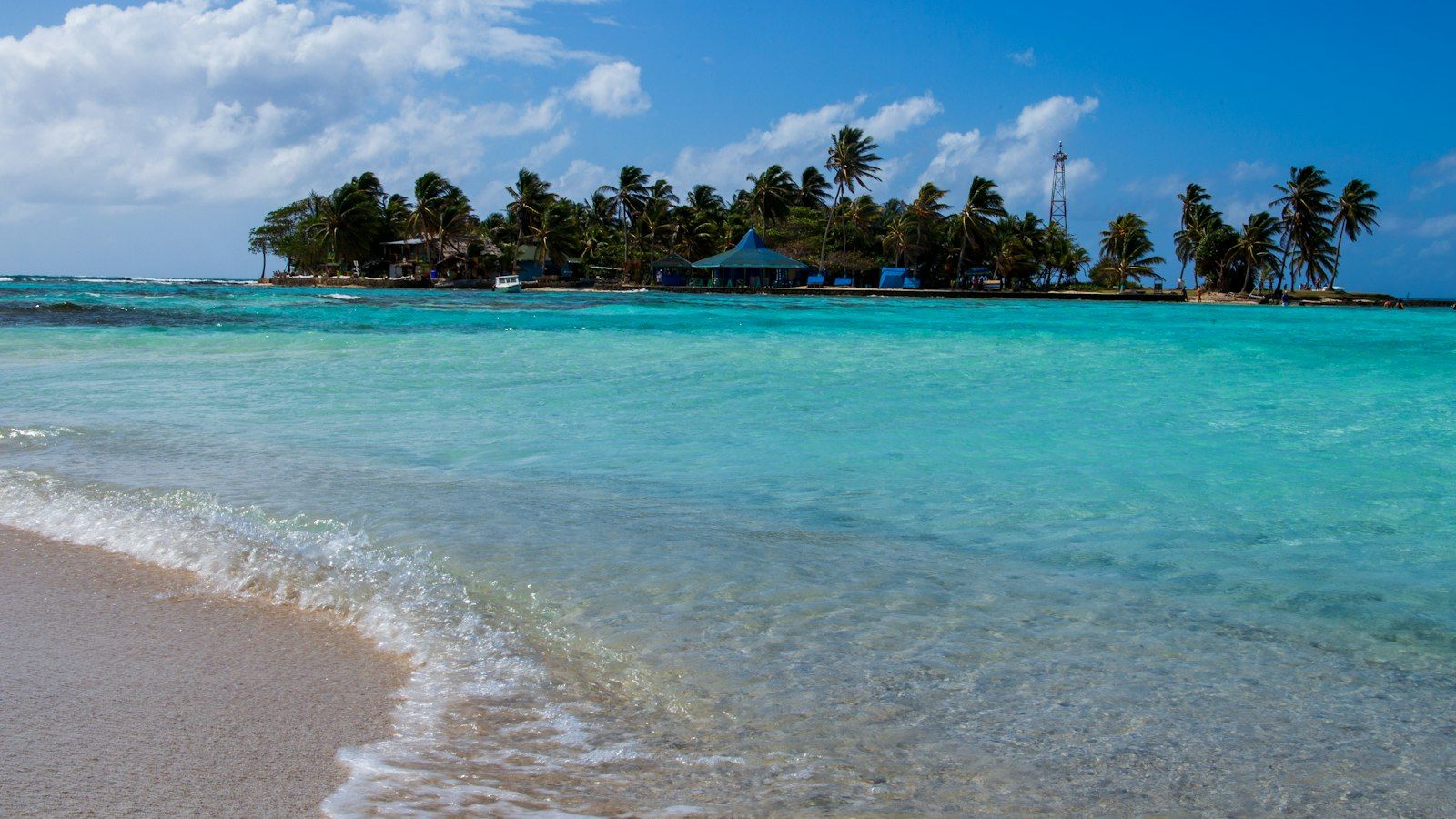
A small coral island in the western Caribbean, closer to Nicaragua than to Colombia, with very clear water, Raizal Creole culture, coconut rondón and cheap boat trips to sandy cays.
- Best time to visit: January to April
- Daily budget (budget traveller): $45 to $175 USD
- Ideal trip length: 5 to 7 days
San Andrés is a seahorse-shaped coral island of about 26 square kilometres in the western Caribbean. It sits roughly 700 kilometres from mainland Colombia and much closer to Nicaragua. Colombians know it for duty-free shopping and the 'sea of seven colours', a lagoon whose water shifts from pale turquoise to deep navy over the reefs. Foreign visitors usually find something better than that: an English-speaking Raizal Creole culture with Baptist churches, wooden island houses and coconut-rich cooking you won't find anywhere else in Colombia. The island is part of the Seaflower Biosphere Reserve, and its reefs and cays are the main reason to come. North End is the busy duty-free town with the airport, the beachfront promenade and the hostels. The east coast around San Luis is slower and more local, and the green hills of La Loma hold the island's oldest church. Boat trips to Johnny Cay and the Acuario cost less than a nice dinner, and a short flight takes you to quieter Providencia. San Andrés is compact, cheap to get around and easy to plan alone, provided you budget for the tourist card and time your sea days around the wind.
San Andrés is about 13 kilometres long and only a few wide, a flat coral island with a green spine of hills down the middle. It belongs to Colombia but sits far closer to Nicaragua, and the native Raizal people speak English and Creole, worship in Baptist churches and cook with coconut. That mix is why it feels nothing like Cartagena. For mainland Colombians it is a duty-free beach holiday, so North End is lined with perfume shops and package hotels. For a solo traveller, the appeal is simpler: reefs and cays you can reach for under 150,000 COP, a flat cash bus fare, cheap hostel dorms and a fried-fish lunch on the sand. Just budget for the entry fee before you start. The 2026 tourist card costs 153,000 COP and has to be paid before you board.
The easiest plan is to base yourself in North End for the first few nights. That's where the hostels, the docks for Johnny Cay and the cheap eateries along the promenade are, and where you'll meet other travellers. Spend one day on the cays, one day looping the island by golf cart or scooter, and one day on the slower east coast around San Luis and Rocky Cay. If you have a week, fly to Providencia for two nights. It is a hilly volcanic island with almost no mass tourism, a national marine park and a hike to The Peak. Book that Satena flight early, because the small planes fill up weeks ahead, especially around Colombian holidays.
Timing matters because the sea controls your plans. When the wind picks up, the port authority flies the red flag and boat trips stop, so put Johnny Cay early in your trip and keep a spare day. January to April is the driest stretch. September to November brings the heaviest rain and falls in hurricane season. Colombian school holidays, Semana Santa and the Christmas season fill every hostel and push prices up. Beyond that, San Andrés is relaxed and easy: Spanish and English are both widely spoken, taxis are cheap, and you can be snorkelling within an hour of landing.
San Andrés itinerary
Land in North End, Spratt Bight sunset
Morning: Pay the tourist card at your mainland check-in and keep it safe. Land at ADZ, then walk or take a short taxi to your North End hostel and agree the fare first. Drop your bags.
Afternoon: Swim at Spratt Bight, the town beach on the promenade, and get your bearings: ATMs, a supermarket for water, and the Casa de la Cultura dock for tomorrow's boat.
Evening: Sunset walk along the Peatonal. Dinner at Miss Celia on Avenida Newball for rondón, or share the seafood platter with someone from the hostel.
Johnny Cay and the Acuario by boat
Morning: Book a combo tour the night before (about 65,000-132,000 COP). Boats leave North End docks from around 8:30-9am. Start at the Acuario and Haynes Cay, wading between the cays with rays nearby.
Afternoon: Boat to Johnny Cay. Pay the 15,000 COP CORALINA fee in cash, swim, then have fried fish and coconut rice at a beach shack. You can't bring your own food or drink. Boats return mid to late afternoon.
Evening: Rinse off, then cheap empanadas and a duty-free beer on the promenade. Check tomorrow's golf cart booking.
Island loop: La Loma, west coast, Hoyo Soplador
Morning: Pick up a golf cart or scooter in North End (roughly 150,000-300,000 COP for a cart) around 8:30am. Drive up to La Loma for the First Baptist Church and its bell tower, then Big Pond.
Afternoon: Down to the west coast: Morgan's Cave (about 20,000 COP), then snorkel at West View (about 5,000-10,000 COP; skip the bread for the fish). Continue to Hoyo Soplador on the south tip and buy a coconut drink.
Evening: Drive back up the east coast via San Luis and return the cart by about 6pm. Dinner in North End.
San Luis, Rocky Cay and the mangroves
Morning: Bus along the east coast to San Luis (flat fare of about 3,000-4,000 COP). Wade and swim out to Rocky Cay and the wreck while the sea is calm, wearing reef shoes.
Afternoon: Long lunch at Donde Francesca on Sound Bay (lunch only, roughly 11am-5pm). Then head north for a guided walk or kayak at Old Point mangroves (entry around 12,000 COP).
Evening: Back to North End. Pack light for Providencia: the small Satena planes have tight baggage limits, so leave extra luggage at your hostel.
Fly to Providencia, Lovers' Bridge
Morning: Satena flight to Providencia (about 20 minutes, from around 225,000 COP one way, booked weeks ahead). Taxi from El Embrujo airport to a posada in Southwest Bay or Aguadulce.
Afternoon: Head to Santa Isabel and walk across the Lovers' Bridge to Santa Catalina. Follow the path to the Morgan's Head rock and swim off the rocks if it's calm.
Evening: Sunset at Southwest Bay, then fried fish and coconut rice at a local kitchen. Providencia goes quiet early.
The Peak and Crab Cay
Morning: Start by 7am to hike The Peak, the island's highest point, with a local guide. Allow roughly 3 hours return through the forest to views over the reef.
Afternoon: Boat to Crab Cay in the Old Providence McBean Lagoon National Natural Park. Pay the park fee on site, climb the cay and snorkel over some of the clearest water in Colombia.
Evening: Drinks and reggae at a beach bar in Manzanillo Bay, then a mototaxi back. Reconfirm tomorrow's flight time.
Back to San Andrés, last sunset
Morning: A final swim at Southwest Bay or Aguadulce. Check out and head to the airport for your Satena flight back to San Andrés.
Afternoon: Drop bags in North End and spend a lazy afternoon on Spratt Bight. Don't book a same-day connection to the mainland, because weather delays happen.
Evening: Last sunset from the west coast or the promenade, then a farewell rondón or crab back. Fly out the next day.
Best neighbourhoods
- North End (El Centro): The island's town, airport and transport hub, with the Spratt Bight beach promenade, duty-free shops, ATMs, most hostels and the docks where boats leave for Johnny Cay. Noisy and commercial, but the easiest solo base by far.
- San Luis: A long, slow strip of east-coast beaches, Raizal wooden houses and small posadas nativas. Calmer water, Sound Bay, the walk out to Rocky Cay and a far more local feel, though you will need buses or taxis to get to town.
- La Loma: The green hilly interior, home to the historic First Baptist Church, Big Pond lagoon and Raizal family homes. Not really a place to stay as a visitor, but the best half-day for understanding the island's culture.
- West coast (El Cove and West View): A rocky coast with no real beaches, plenty of natural snorkelling pools, cliff jumps and the island's best sunsets. Home to Morgan's Cave, West View and La Piscinita, and best visited by golf cart or bus on your island loop.
- South End (Hoyo Soplador): The windy southern tip, where swell pushes through the coral rock and blasts out of the Hoyo Soplador blowhole. A good place to stop for a coconut drink between the west coast and San Luis.
Must-do experiences
- Spend a morning on Johnny Cay: Take the 15-minute boat ride from North End to this palm-covered cay inside a regional park. Pay the 15,000 COP CORALINA fee, swim off the white sand and listen to the reggae from the beach shacks. Go early, before the day-trip crowds arrive.
- Wade around the Acuario and Haynes Cay: Most combo boat tours stop at these two tiny cays off the east coast. The shallow water is calm and clear enough to walk between them, and you'll usually see rays and plenty of reef fish.
- Loop the island by golf cart or scooter: The coastal ring road is about 30 kilometres. Head up through La Loma, down the west coast to Morgan's Cave and West View, round the Hoyo Soplador and back along San Luis in one unhurried day.
- Walk out to Rocky Cay: Off the beach near San Luis, wade and swim across a shallow reef to a rocky islet. A rusting shipwreck lies just beyond it. Wear reef shoes and only go when the sea is calm.
- Visit the First Baptist Church in La Loma: This white wooden church on the island's ridge is the heart of Raizal Protestant culture. Climb the bell tower (small fee) for views over both coasts, or join a Sunday service if you dress respectfully.
- Eat rondón at a Raizal kitchen: Order the island's signature coconut stew of fish, snail, yam, breadfruit and dumplings at Miss Celia in North End. Portions are huge, so come hungry or share with someone from the hostel.
- Dive or snorkel the Seaflower reefs: San Andrés has warm, clear water, walls, wrecks and easy shallow sites, which makes it one of Colombia's best places to learn to dive. Dive centres in North End and San Luis run try-dives and two-tank trips.
Hidden gems
- Big Pond, a quiet freshwater lagoon in La Loma where caimans and turtles drift under the trees, a short stop on the island loop that most chiva tours rush past
- Old Point mangroves on the east coast, where a guided kayak or walking route of about 90 minutes takes you through a protected regional mangrove park full of crabs and birds
- Sound Bay at sunrise, when the east-coast water around San Luis is glassy and the only people around are fishermen and joggers
- The Jardín Botánico de San Andrés, a small, shady botanical garden with native plants and a lookout tower, an easy cool-down after a hot morning on the road
- The west coast at sunset, where the cliff-top bars near West View and La Piscinita empty out and the light turns the shallow reef gold
Daily budget
- Accommodation: budget 45,000-110,000 COP / night (hostel dorm bed), mid-range 250,000-550,000 COP (beachfront hotel or posada nativa double), splurge 1,200,000+ COP (Decameron Aquarium, Casa Harb). Hostels cluster in North End. Posadas nativas in San Luis are Raizal family guesthouses and good value for a private room. Prices jump over Christmas, Semana Santa and mid-year holidays, so book early then.
- Food: budget 60,000-100,000 COP / day (set lunches, bakeries, a fried-fish plate), mid-range 150,000-250,000 COP (beach lunch, sit-down Raizal dinner), splurge 350,000+ COP (La Regatta seafood, cocktails). A set menu of the day in town usually costs 20,000-30,000 COP. A fish plate on the beach is roughly 45,000-70,000 COP. You can't take your own food or drink onto Johnny Cay, so budget for lunch there. Prices are approximate, so check menus.
- Transport: budget 8,000-20,000 COP / day (local buses at roughly 3,000-4,000 COP a ride), mid-range 100,000-300,000 COP (scooter or golf cart for a day, plus fuel), splurge 450,000+ COP (Providencia flights averaged over the trip, private driver). Golf carts usually have to be back by about 6pm. Satena flights to Providencia have recently started from about 225,000 COP one way. Agree taxi fares before getting in.
- Activities: budget 30,000-80,000 COP / day (beaches, West View, Hoyo Soplador), mid-range 100,000-200,000 COP (Johnny Cay and Acuario combo boat with fees), splurge 350,000+ COP (two-tank dive, private boat). Combo boat tours run about 65,000-132,000 COP, plus the 15,000 COP Johnny Cay fee and a small dock tax. Morgan's Cave is about 20,000 COP and West View about 5,000-10,000 COP. All prices change, so check on the spot.
- Drinks & nightlife: budget 15,000-40,000 COP (duty-free shop beers, one bar beer), mid-range 60,000-150,000 COP (coco locos, cocktails on the promenade), splurge 250,000+ COP (beach club or rooftop bar night). Duty-free status makes shop-bought beer and rum cheap. Nightlife centres on North End: promenade bars, reggae and salsa spots and hostel rooftops. San Luis is quiet after dark.
Where to stay
- Social hostel in North End (45,000-110,000 COP / night (dorm)): Blue Almond Hostel and Karibbik Haus are long-running backpacker favourites, and Viajero San Andrés on Avenida 20 de Julio adds breakfast, activities and a rooftop bar. All are close to the docks and the promenade.
- Boutique hotel in Spratt Bight, North End (350,000-650,000 COP / night): Hotel Casablanca puts you right on the town beach, with the Mahi Mahi restaurant downstairs and the boats to Johnny Cay a short walk away. It's a comfortable, private step up from a dorm.
- Apartment in San Luis (180,000-350,000 COP / night): Self-catering apartments and posadas nativas (Raizal family guesthouses) along the east coast give you a kitchen, a quieter beach and a local host. The San Luis bus route runs past the door.
- Splurge in North End (1,200,000-3,500,000+ COP / night): Decameron Aquarium is an all-inclusive built out on the water's edge with its own snorkelling, and Casa Harb is a small, design-led luxury hideaway for total privacy.
What to eat
- Rondón (rundown): the Raizal signature stew of fish, conch or pig's tail slow-cooked in coconut milk with yam, cassava, breadfruit, plantain and flour dumplings
- Fried fish with coconut rice and patacones: a whole snapper or the catch of the day, fried crisp and served with sweet coconut rice, fried green plantain and salad
- Crab back and crab patties: spiced land crab baked in its shell or folded into fried pastries, sold at Raizal kitchens and roadside stands
- Lionfish (pez león): an invasive species that eats reef fish, served fried or in ceviche, and every plate you eat helps the reef
- Plantintá and Johnny cakes: a sweet pastry filled with spiced ripe plantain, and fried island bread for breakfast or a beach snack
- Coco loco and fresh coconut water: rum, coconut cream and fruit served in the shell at beach bars, or plain coconut water straight from a machete at a roadside stand
Day trips
- Johnny Cay (About 15 minutes by boat from North End): The biggest and liveliest of the cays, with white sand, palms, reggae from the beach shacks and iguanas. It is a regional park managed by CORALINA, with an entry fee and controlled visiting hours. Boats leave the North End docks, mainly the Casa de la Cultura pier, in the morning. Shared Johnny Cay trips run about 65,000-90,000 COP, plus the 15,000 COP fee and a small dock tax. Trips stop on red-flag days.
- Acuario and Haynes Cay (About 15-20 minutes by boat off the east coast): Two tiny cays joined by shallow, clear water where you can wade among reef fish and, usually, rays. Most tours combine them with Johnny Cay in one day. Combo tours with Johnny Cay cost roughly 65,000-132,000 COP from North End agencies and hostels. Confirm which fees are included and how long you get at each stop.
- Providencia and Santa Catalina (About 20 minutes by plane north-east of San Andrés): A hilly, green island with no mass tourism, the Lovers' Bridge to Santa Catalina, The Peak hike and Crab Cay in a national marine park. Possible as a long day trip but much better with two nights. Satena flights from ADZ, recently from about 225,000 COP one way, should be booked weeks ahead with light luggage. Your San Andrés tourist card covers Providencia too.
When to visit
- Dry season (January - April): 27-30°C, sunny, steady trade winds, little rain. Crowds: Very busy over New Year and Semana Santa, steadier in February and March. The most reliable sunshine and the clearest days for photos of the seven-colour lagoon. Breezy weather can cancel boat trips, so keep a spare day. Book Easter months ahead.
- Early rains (May - June): 28-31°C, humid, short showers, often calmer seas. Crowds: Quiet until Colombian school holidays begin in mid to late June. A good shoulder season with lower prices, fewer people on Johnny Cay and good snorkelling between showers. Check the rain forecast but don't fear it.
- Mid-year spell (July - August): 28-31°C, often a drier, sunnier spell, warm water. Crowds: Busy with Colombian and international summer holidays. Generally pleasant beach weather, but hostels and flights cost more. It's also the start of the main hurricane months, so watch the forecasts.
- Wet season (September - December): 27-30°C, the heaviest downpours from around October to November, hurricane risk. Crowds: Low in autumn, then the island fills for Christmas and New Year. The cheapest time, but expect cancelled boat days and grey spells. Take good travel insurance, keep your Providencia plans flexible and book the festive season well ahead.
Entry rules for your passport
Visa rules for Colombia depend on the passport you travel on. Check the official source before you book: Migración Colombia
Getting there
Gustavo Rojas Pinilla International Airport (ADZ) sits right next to North End. Direct flights connect it with Bogotá (about 2 hours), Medellín, Cali, Cartagena and other mainland cities on Avianca, LATAM, Wingo and JetSMART, and international visitors usually connect in Bogotá. Before boarding on the mainland, you must buy the San Andrés tourist card, 153,000 COP per person in 2026, usually at your airline's check-in desk. It is adjusted every January, so check the current amount. Colombia's free Check-MIG pre-registration with Migración Colombia is still requested by many airlines, so complete it before your first flight into the country. From ADZ, taxis to North End hotels are a short ride. Agree the fare first, and expect more to San Luis. For Providencia, Satena flies the roughly 20-minute hop several times a week, with fares recently starting from about 225,000 COP one way. Any catamaran service has been irregular, so check whether it's running.
Getting around
San Andrés is small enough that you can drive round it in about an hour. Local buses run from North End down both coasts, one route via San Luis and one via La Loma to the west side, for a flat cash fare of roughly 3,000-4,000 COP. They come every 20-30 minutes in daylight and thin out after dark. Golf carts (called mulas or mulitas) are the classic way to loop the island and cost roughly 150,000-300,000 COP a day plus around 20,000 COP of fuel. You'll need a driving licence, and most must be returned by about 6pm because they aren't allowed on the roads after dark. Scooters run about 80,000-150,000 COP a day. Taxis are plentiful, have no meters on most routes and charge more at night, so agree the fare first. Boats to Johnny Cay and the Acuario leave from the North End docks, mainly the Casa de la Cultura pier. For Providencia, Satena flies the 20-minute hop several times a week. A catamaran has run in some years, but check whether it's operating before you plan around it.
Safety
San Andrés is generally safe for tourists, and most visits pass without trouble. Petty theft happens on busy beaches and in North End, so don't leave phones or bags on the sand, and use the hostel locker. Some neighbourhoods away from the tourist strip are best avoided after dark. Take a taxi at night rather than walking unlit roads. Golf-cart and scooter accidents are among the most common problems for visitors: roads are narrow, potholed and shared with buses, so drive slowly and never after drinking. At sea, boat trips stop when the port authority raises the red flag. Respect it, and don't pay unlicensed boatmen to take you out anyway. Wear reef shoes for sea urchins and coral, use reef-safe sunscreen, and carry repellent because dengue occurs on the island. Drink bottled or filtered water. The island has limited medical facilities and serious cases are sent to the mainland, so bring travel insurance with evacuation cover.
Solo travel tips
- Base yourself in North End first: The hostels, docks, promenade bars and cheap food are all within walking distance, and it's where other solo travellers are. Move to a San Luis posada later if you want quiet.
- Do the boat trip early in your stay: Red-flag days stop every boat to Johnny Cay and the Acuario. Book the cays for day two or three so you have spare days if the wind gets up, and only use licensed operators.
- Share the golf cart: A cart costs the same for one person as for four. Ask at your hostel the night before and you'll usually find people to split it with. Solo, a scooter is cheaper if you have the right licence.
- Eat where the Raizal locals eat: Set lunches in town and family kitchens serving rondón and crab back cost far less than the promenade restaurants. Ask your hostel which kitchens are cooking that day, and eat lunch as your main meal.
- Safety for solo travellers: San Andrés is relaxed, but take taxis after dark, don't leave bags on the beach, keep valuables in a locker and drive carefully. Golf-cart crashes are far more common than crime.
- Meet people in the water: Try-dives, group snorkel tours and hostel boat trips are the quickest way to make friends. Download offline maps and keep your Satena booking as a screenshot, as signal drops in the south and on Providencia.
Cultural etiquette
- Greet people first. A 'good morning' in English goes down well with Raizal islanders, and 'buenos días' with mainland Colombians. Many people switch easily between Spanish, English and Creole.
- Cover up away from the beach. Walking through town, shops or La Loma in swimwear is frowned upon, and churches expect shoulders and knees covered.
- Sunday is church day for the Raizal community. Expect hymns from the Baptist churches, quieter villages and some kitchens closed.
- Don't touch coral, stand on reefs or feed the fish at West View and La Piscinita, even if staff offer you bread. Never buy black coral or turtle-shell souvenirs.
- Respect the Johnny Cay and park rules: no food or drink brought in, take your rubbish back, and land only at the authorised pier.
- Ask before photographing people, homes and churches, especially in La Loma and San Luis. Raizal culture is lived, not staged.
- Island time is real. Service can be slow, many kitchens cook to order, and lunch is often the best and cheapest meal of the day.
Frequently asked questions
How do I get from San Andrés airport to my accommodation?
Gustavo Rojas Pinilla International Airport (ADZ) sits right on the edge of North End, so many hostels and hotels are a short taxi ride away, or even walkable if you're travelling light. Taxis wait outside arrivals. Expect roughly 15,000-30,000 COP within North End and more to San Luis, and agree the price before you get in, because fares change. Buses don't really serve arrivals with luggage.
How many days do I need in San Andrés?
Four or five days covers Johnny Cay and the Acuario, an island loop, a San Luis beach day and a dive or snorkel trip, with a spare day in case bad weather cancels a boat. With a week, add two nights on Providencia, which is quieter, greener and much less developed.
When is the best time to visit San Andrés?
January to April is the drier, sunnier season with steady breezes, though the wind can make boat trips choppy and Christmas, New Year and Semana Santa are packed. Late April to June is quieter and still warm. The heaviest rain usually falls from around September to November, during the Caribbean hurricane season, so check forecasts and keep your plans flexible.
Do I need cash in San Andrés?
Yes. Cards work in hotels, larger restaurants and duty-free shops in North End, but you'll need pesos for buses, the Johnny Cay fee (often cash only at the dock), beach shacks, entry to small sights like West View and Hoyo Soplador, and Providencia. ATMs are concentrated in North End, so withdraw before heading to San Luis or the south.
How do I get from San Andrés to Providencia?
Satena flies between San Andrés and Providencia in about 20 minutes, and fares have recently started from about 225,000 COP one way. Planes are small, seats sell out and baggage limits are tight, so book weeks ahead. A catamaran has run on some days of the week in the past, taking three hours or more on often rough water, but recent reports suggest flying is currently the only reliable option, so check before you commit.
What is the San Andrés tourist card and how much does it cost?
Every non-resident visitor, Colombian or foreign, must buy the tarjeta de turismo to enter the archipelago. It is set at 153,000 COP for 2026 and usually paid at check-in at your departure airport on the mainland. It covers San Andrés and Providencia. Keep it until you leave, as it's checked again on departure. The price is adjusted every January, so check the current figure before you fly.
Is San Andrés safe for solo female travellers?
Generally yes. Plenty of women travel alone here, and the hostels in North End are social and well run. Use the usual precautions: take taxis at night rather than walking, watch your drink at beach bars, don't head to remote stretches of the south or west coasts alone after dark, and book boat trips through licensed operators or your hostel.
What entry rules apply to travellers visiting Colombia in 2026?
Citizens of many countries, including the UK, the EU and the US, can usually enter Colombia without a visa for tourist stays of up to 90 days, with a passport valid for the whole trip and proof of onward travel. Migración Colombia's free online Check-MIG pre-registration is still requested by many airlines at check-in, so complete it before you fly. San Andrés also needs the separate tourist card. Rules change, so always confirm on the official Cancillería and Migración Colombia websites and your own government's travel advice before booking.
More about San Andrés
Tours and activities in San Andrés | San Andrés in 2 days | San Andrés in 3 days | San Andrés in 4 days | San Andrés in 5 days | San Andrés in 7 days
Can't decide? Compare San Andrés with...
Joy Plus home | Destinations | Itineraries | Activities | Flights | Budget planner | Calendar | Map | Blog | Lifetime access