Destinations / North America
San Cristóbal de las Casas, Mexico travel guide
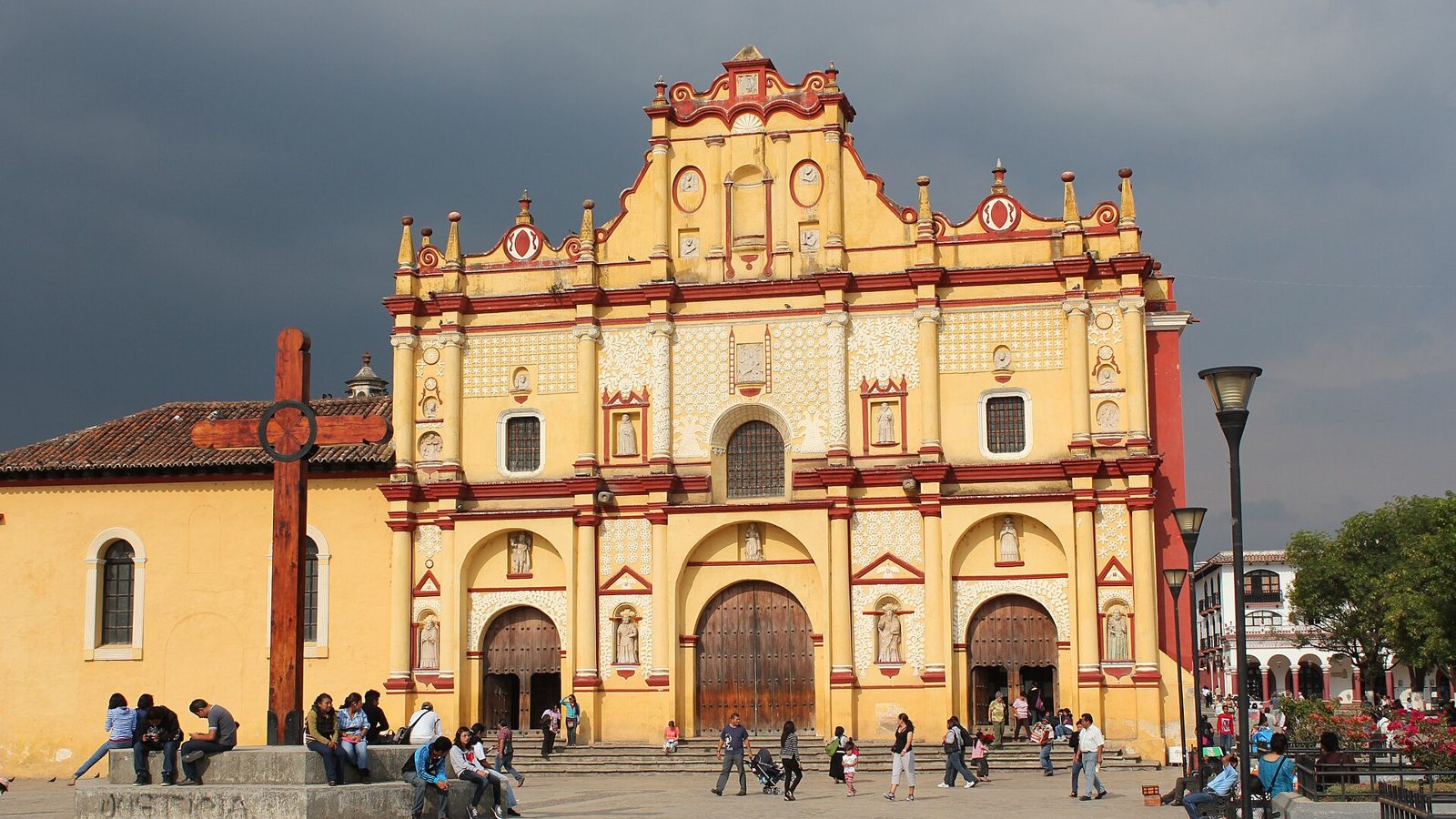
A colonial town of brightly painted houses, 2,200m up in the pine-covered highlands of Chiapas. You walk the pedestrian streets, climb to hilltop churches and take shared vans to Tzotzil Maya villages, where old customs are still part of everyday life.
- Best time to visit: November to April
- Daily budget (budget traveller): $35 to $110 USD
- Ideal trip length: 4 to 6 days
San Cristóbal de las Casas sits in a high valley in the Chiapas highlands of southern Mexico, about an hour and a half by road from the state capital, Tuxtla Gutiérrez. The Spanish founded it in the 1520s, and the centre still has its grid of low, colourful houses, tiled roofs and baroque churches. Two long pedestrian streets cross the old town, so it is easy and pleasant to explore on foot. The town is 2,200m up. Days are mild and sunny for much of the year, but nights are cold, and in winter they can get close to freezing. San Cristóbal is surrounded by Tzotzil and Tzeltal Maya communities, and you will see this in the markets, the textiles and the people who come into town each morning to sell vegetables and weaving. Climb to the churches on the Guadalupe and San Cristóbal hills, browse the stalls around Santo Domingo and take a colectivo to San Juan Chamula. Also leave a day for the boat trip through the Sumidero Canyon. San Cristóbal has a long-established backpacker scene, with cheap hostels, good coffee and plenty of cafés. Like the rest of Chiapas, it also has social tensions and occasional road blockades. If you keep to the main routes and travel in daylight, it makes a rewarding, affordable base for a solo traveller.
San Cristóbal de las Casas is the cultural capital of the Chiapas highlands, a colonial town of about 200,000 people set in a valley 2,200m up. The Spanish founded it in 1528, and for centuries it was the regional capital. Its grid of single-storey houses painted ochre, blue and red, its tiled roofs and its baroque churches have survived remarkably well. What makes it different from other colonial towns in Mexico is the people around it. Tzotzil and Tzeltal Maya villages fill the surrounding hills, and their languages, textiles and traditions are part of daily life in the markets and streets. Stay a few nights and the town settles into a rhythm: cold mornings, sunny middays, coffee in a courtyard and a climb up one of the hills for the sunset. It is also one of the cheapest places in Mexico for a long stay.
Getting here is simple. Fly to Tuxtla Gutiérrez, then take the direct OCC/ADO bus from the airport, which runs a few times a day for around 280 to 300 pesos, or a taxi for about 900 pesos. Long-distance buses also arrive from Oaxaca, Palenque, Mérida and Mexico City, and shuttles cross from Guatemala. Once you are here, walk. The centre is small, with two long pedestrian streets that cross at the main square. Base yourself in the centre or Barrio de Guadalupe on your first visit. Use colectivos for the villages, taxis at night and agency tours for the Sumidero Canyon and the waterfalls further out.
Timing and caution shape the trip. The dry months from November to April bring clear skies and cold nights, while the rainy season from June to September brings afternoon storms and green hills. Chiapas carries official travel warnings, and blockades and protests can disrupt long road trips, so travel in daylight, keep some slack in your plans and check the news before long journeys. In town, the main risks are pickpockets, altitude and the cold. People are generally courteous but reserved, especially in the villages, where respect matters more than photos. If you want a quiet base with real culture, cheap food and good coffee, San Cristóbal is hard to beat.
San Cristóbal de las Casas itinerary
Arrive and adjust to the altitude
Morning: Take the airport bus from Tuxtla and drop your bag at your hostel or guesthouse. Have a slow coffee near the Zócalo.
Afternoon: Walk around the cathedral and the main square, then stroll along Real de Guadalupe. Keep it gentle while you get used to the altitude.
Evening: Climb the steps to the Guadalupe church for the sunset, then have dinner on Real de Guadalupe and an early night with an extra layer on.
Markets, textiles and the western hill
Morning: Be at the municipal market by 8am for the produce stalls and a tamale breakfast. Walk on to the facade of Santo Domingo and the craft stalls outside.
Afternoon: Visit the Centro de Textiles del Mundo Maya in the old convent to learn what the village patterns mean. Have a market set lunch.
Evening: Climb Cerro de San Cristóbal for the view across the valley before dark. Dinner at El Fogón de Jovel for sopa de pan and other Chiapas dishes.
Chamula and Zinacantán
Morning: Take a colectivo from near the market to San Juan Chamula (about 20 pesos). Buy a church ticket (about 30 pesos) and visit the church. No photos inside.
Afternoon: Take a taxi to Zinacantán to see the embroidery workshops and the church. Many families serve homemade tortillas to visitors.
Evening: Take a colectivo back to town. Try a glass of pox and listen to live music on the Andador Eclesiástico.
Sumidero Canyon
Morning: Join an early tour booked on Real de Guadalupe (roughly $25-50 USD). Stop at the canyon viewpoints, then take the two-hour boat ride from Chiapa de Corzo.
Afternoon: Have lunch in Chiapa de Corzo and look at its colonial fountain. Bring sunscreen, as it is much hotter down here than in the highlands.
Evening: Return to San Cristóbal by late afternoon, then have a quiet dinner and an early night.
Na Bolom and Maya medicine
Morning: Walk to Na Bolom in El Cerrillo (60 pesos, or 70 pesos guided) and see the photo archive, the Lacandon collection and the garden.
Afternoon: Visit the Museo de la Medicina Maya north of the centre, then go to Tierra Adentro for coffee and Zapatista crafts.
Evening: Book a cooking class or a mezcal tasting, or join a hostel social night.
Waterfall day
Morning: Join a tour to the El Chiflón waterfalls, a long drive south via Comitán. Check current road conditions with the agency before you book.
Afternoon: Walk the trail beside the turquoise pools up to the main fall. Bring a swimsuit, water and shoes with grip.
Evening: Back in town by evening. Have tacos near the Zócalo and pack for tomorrow.
Arcotete and departure
Morning: Take a taxi to Arcotete for a forest walk beneath the limestone arch while it is still cool and quiet.
Afternoon: Buy coffee, amber or textiles to take home, then take the airport bus or an ADO bus onwards. Check the times the day before.
Evening: Arrive in Tuxtla for your flight, or carry on towards Oaxaca or Palenque.
Best neighbourhoods
- Centro and the Zócalo: The heart of town, around the main square, the yellow cathedral and the arcaded municipal palace. Most sights, banks, tour agencies and restaurants are within a few blocks. It is lively, central and well lit at night, though rooms facing the busiest streets can be noisy at weekends.
- Barrio de Guadalupe: The streets east of the centre, along the Real de Guadalupe pedestrian street up to the hilltop Guadalupe church. Cafés, bars, hostels and craft shops line the lower end, and it gets quieter and more residential as you climb. It is a good all-round base for a first visit.
- El Cerrillo: A calm, older barrio north-east of the centre, home to Na Bolom and a few small guesthouses. It is close to Santo Domingo and the markets but has a much more local feel. The streets are quieter after dark, so walk back along the main roads.
- Barrio de Mexicanos: A traditional barrio in the north, near the colectivo stops for Chamula and Zinacantán and not far from the municipal market. Rooms are cheaper, and it is handy for early village trips. It is less polished than the centre and a 15 to 20 minute walk from the Zócalo.
- La Merced and El Carmen: The barrios south and south-west of the centre, around the Andador Eclesiástico pedestrian street and the El Carmen arch. They are close to the ADO bus station on the Pan-American Highway, which helps with early departures. The streets right next to the highway are scruffy, so stay a few blocks in.
Must-do experiences
- Visit San Juan Chamula and Zinacantán: Take a colectivo from near the municipal market to Chamula, about 20 to 25 minutes away, for around 20 pesos. Inside the church of San Juan Bautista there are no pews, the floor is covered in pine needles and hundreds of candles burn. Entry is about 30 pesos, and photos inside are strictly forbidden. Afterwards, take a short taxi ride to Zinacantán to see its embroidery workshops.
- Take a boat through the Sumidero Canyon: The canyon walls rise around 1,000m above the Grijalva River, and you may see crocodiles, monkeys and waterbirds. Tours sold in town cost roughly $25 to $50 USD and usually include the viewpoints, the two-hour boat ride and a stop in Chiapa de Corzo. Go in the morning for the best light.
- Climb to the hilltop churches: Walk to the end of Real de Guadalupe and climb the steps to the Guadalupe church for a view across the roofs. At the other end of town, the steep steps up Cerro de San Cristóbal lead to a small church and a wider view of the valley. Both are free. Go in daylight and take it slowly at this altitude.
- Browse Santo Domingo and the craft market: The ornate pink facade of the Templo de Santo Domingo is one of the finest in Chiapas. Stalls in the square outside sell woven textiles, amber and Zapatista dolls. The former convent next door houses the Centro de Textiles del Mundo Maya, the best place in town to learn what the different village patterns mean.
- Spend a morning in the municipal market: The Mercado José Castillo Tielemans is a short walk north of Santo Domingo, and it is busiest early in the morning. Highland farmers sell fruit, flowers, chillies, live chickens and handmade tortillas. Eat breakfast at one of the comedores inside, and keep your phone and wallet out of sight in the crowded aisles.
- Explore Na Bolom: This 19th-century house was home to the archaeologist Frans Blom and the photographer Gertrude Duby Blom, who spent decades working with the Lacandon Maya. It is open daily from 9am to 7pm. Entry is 60 pesos, or 70 pesos with a guided tour. Leave time for the garden and the photo archive.
- Walk or swim at Arcotete: A short taxi or colectivo ride east of town, this community-run park has pine forest, a river and a huge natural limestone arch. Entry costs a few dollars. Go on a weekday morning, bring a layer for the cool forest air and wear shoes with grip for the wet rocks.
Hidden gems
- The quiet courtyard of the Templo del Carmen and the Arco del Carmen at the south end of the Andador Eclesiástico, best in the late afternoon light
- Tierra Adentro, a café and cultural space on Real de Guadalupe run with Zapatista support, where you can buy community-grown coffee and crafts
- The Museo de la Medicina Maya, a small museum north of the centre run by traditional healers, which explains herbal medicine, midwifery and ritual
- Sunday morning in Zinacantán, when local families come to church and the square fills with the bright flower embroidery the village is known for
- The little Templo de San Nicolás just off the Zócalo, a plain colonial church that most visitors walk straight past
Daily budget
- Accommodation: budget $10-18 USD / night (hostel dorm), mid-range $45-90 USD (guesthouse or boutique hotel), splurge $150+ USD (luxury boutique hotel such as Hotel Bo). Prices rise over Easter, Christmas and New Year. Many cheaper rooms have no heating, so check for blankets or a heater in winter. Single rooms in guesthouses are good value.
- Food: budget $10-18 USD / day (market breakfasts, comida corrida, street tamales), mid-range $25-40 USD (café lunches and a sit-down dinner), splurge $60+ USD (tasting menus, wine, cocktails). A market set lunch costs around $4-6 USD and a café coffee about $1.50-2.50 USD. Restaurant mains in the centre cost roughly $8-15 USD. Prices are rough guides.
- Transport: budget $1-5 USD / day (walking, colectivos at about 20 pesos), mid-range $10-20 USD (taxis plus a village trip), splurge $50+ USD (private driver or airport taxi). Town taxis cost about 50-80 pesos. The airport bus is around 280-300 pesos and an airport taxi about 900 pesos. Long-distance ADO buses are good value but book a day ahead.
- Activities: budget $0-10 USD / day (hill churches, markets, Chamula church at 30 pesos), mid-range $25-50 USD (Sumidero Canyon tour, Na Bolom, textile museum), splurge $80+ USD (private guides, waterfall tours, cooking classes). Na Bolom costs 60 pesos, or 70 with a guide. A Sumidero tour booked locally costs roughly $25-50 USD with the boat. Carry cash for village fees and park entries.
- Drinks & nightlife: budget $3-8 USD (a beer or a shot of pox), mid-range $15-25 USD (a few mezcals or cocktails), splurge $40+ USD (cocktail bars and live music). A local beer costs about $2-3 USD in a bar. Real de Guadalupe and the Andador Eclesiástico have most of the bars, many with live music, and things wind down by around 2am.
Where to stay
- Social hostel in Centro ($10-18 USD / night (dorm)): Puerta Vieja is a long-running hostel in an old colonial house a few blocks from the Zócalo, with a big garden and plenty of common space. It is an easy place to meet other travellers and find people for day trips.
- Boutique hotel in El Cerrillo ($45-90 USD / night): The hotel rooms at Na Bolom are set around the museum's courtyards and gardens, with fireplaces for the cold nights. It is quiet, full of character and a short walk from Santo Domingo.
- Apartment in Barrio de Guadalupe ($30-60 USD / night): Small apartments and rooms around patios in Barrio de Guadalupe give you a kitchen and a local feel close to the cafés. Check for heating or blankets in winter and avoid places right on the busiest bar streets.
- Splurge in Centro ($150-300+ USD / night): Hotel Bo is a modern design hotel a few blocks from the main square, with gardens, a spa and warm, well-designed rooms. It is the town's top choice if you want comfort after long days out.
What to eat
- Tamales chiapanecos: tamales filled with chipilín leaves, mole or pork, sold at market stalls in the morning for a few pesos each
- Sopa de pan: a festive local bread soup with vegetables, raisins and saffron-tinged broth, served at traditional places such as El Fogón de Jovel
- Embutidos and pan coleto: San Cristóbal's cured sausages and sweet local breads, best bought from small bakeries and stalls around the barrios
- Chiapas coffee: highland-grown beans served in dozens of small cafés, often for under $2 USD a cup, and a good thing to take home
- Pox (pronounced 'posh'): the sugarcane and maize spirit used in Maya ritual, now sold flavoured in bars and tasting rooms in the centre
- Market comedor lunch: a set comida corrida of soup, rice, a main and a drink in the municipal market for about $4 to $6 USD
Day trips
- San Juan Chamula and Zinacantán (About 10km north-west of San Cristóbal, 20 to 25 minutes by colectivo): Two Tzotzil Maya towns with very different characters. Chamula's church is famous for its candles, pine needles and rituals, and Zinacantán is known for its bright flower embroidery and greenhouses. Take a colectivo from the stops near the municipal market for around 20 pesos, then a taxi between the two towns for about 100 to 120 pesos. Pay about 30 pesos for the Chamula church at the booth in the plaza, and take no photos inside.
- Sumidero Canyon and Chiapa de Corzo (About 1 hour by road west of San Cristóbal): A deep river canyon with walls around 1,000m high, seen from rim viewpoints and on a two-hour boat ride with crocodiles and waterbirds. Chiapa de Corzo is a hot, relaxed colonial town with a famous brick fountain. Book a tour on Real de Guadalupe for roughly $25 to $50 USD, including transport, the park fee and the boat. Going on your own means a bus via Tuxtla, a boat fare of about 250 to 400 pesos and the park fee.
- El Chiflón waterfalls (About 2.5 to 3 hours south via Comitán): A string of turquoise pools and cascades ending in a tall waterfall called the Bridal Veil. A trail runs up beside the river, and there are places to swim in calmer pools. Most people go on a day tour from San Cristóbal. The area lies outside the corridor that some governments exclude from their travel warnings, so check current advice and road conditions with the agency before you book.
When to visit
- Dry winter (November - February): 18-22°C by day, 2-8°C at night, sunny and dry. Crowds: Moderate, busy over Day of the Dead, Christmas and New Year. Clear skies and crisp air make this the classic time to visit. Pack a warm jacket for the nights, as many rooms have no heating.
- Warm dry season (March - May): 20-25°C by day, 8-12°C at night, dry with haze from field burning. Crowds: Busy at Easter, otherwise moderate. The warmest and driest stretch, and good for the waterfalls before the rains. Book well ahead for Semana Santa, when Mexican visitors fill the town.
- Rainy season (June - September): 19-22°C, mild days with heavy afternoon rain. Crowds: Low to moderate, with a bump in July and August. Plan outings for the morning and expect wet afternoons. Rooms are cheaper and the hills are green, but rivers run brown and some trails get muddy.
- Autumn (October): 18-21°C, rains easing, cooler nights. Crowds: Quiet, building towards early November. A calm, cheap month. The last showers fade and the countryside is lush. Stay into early November for Day of the Dead in the villages and cemeteries.
Entry rules for your passport
Visa rules for Mexico depend on the passport you travel on. Check the official source before you book: Mexico National Migration Institute
Getting there
San Cristóbal has no commercial airport. The nearest is Tuxtla Gutiérrez (TGZ), which has direct flights from Mexico City, Guadalajara, Monterrey, Cancún and other Mexican cities. From the airport, OCC/ADO runs a few direct buses a day to San Cristóbal. The trip takes about 1 to 1.5 hours and costs around 280 to 300 pesos, and you can book online or at the airport desk. A taxi costs about 900 pesos. The bus stops near the ADO station just outside the centre, and a town taxi from there costs about 70 to 80 pesos. Shared vans and buses also run often from Tuxtla city centre for less. Long-distance ADO and OCC buses connect San Cristóbal with Oaxaca, Palenque, Mérida and Mexico City. Most take eight hours or more, so book a day or two ahead. Tourist shuttles run to Guatemala via the La Mesilla border. If you drive, use the toll highway 190D from Tuxtla, travel only in daylight and expect to stop at road blockades from time to time. Parking in the centre is limited, so choose a hotel with a garage.
Getting around
The centre of San Cristóbal is compact and largely flat, apart from the two hills, so you will walk almost everywhere. The Zócalo to Santo Domingo takes about 10 minutes and the ADO bus station about 15. Pavements are narrow and kerbs are high, and the town sits at 2,200m, so take your first day slowly. Uber does not operate here, but taxis are plentiful and cheap. Most rides within town cost about 50 to 80 pesos, so agree the fare before you get in. Colectivos (shared vans) leave from stops around the municipal market for Chamula, Zinacantán and other villages for around 20 pesos, and you pay the driver in cash. There is no colectivo between Chamula and Zinacantán, so a taxi between them costs about 100 to 120 pesos. For the Sumidero Canyon and longer trips, a tour booked at an agency on Real de Guadalupe is usually easier than going on your own. Avoid road travel after dark outside town.
Safety
The centre of San Cristóbal is generally safe, and crime against visitors is mostly petty theft in markets and crowds. The wider state is more complicated. The US State Department rates Chiapas as Level 3, Reconsider Travel. Canada advises against non-essential travel to most of the state but excludes San Cristóbal, Tuxtla Gutiérrez, the toll highway between them and Palenque, so check both before you go. Social conflicts can bring road blockades that delay buses for hours, so avoid night travel and keep to the main routes. Do not visit Zapatista communities without an invitation. In the villages, never photograph people, and especially children, without permission, and never take photos inside the Chamula church. The altitude can cause headaches and breathlessness at first. Drink plenty of water, but do not drink the tap water, so use bottled or filtered water instead. Nights are cold, so pack warm layers. The emergency number in Mexico is 911. Get travel insurance with good medical cover before you travel.
Solo travel tips
- Stay central: Stay in the centre or lower Barrio de Guadalupe. You can walk to everything, the streets stay busy and well lit until late, and you will not need taxis at night.
- Go early: Markets are at their best before 9am, and Chamula is calmer before the tour vans arrive. Rain in the wet season usually comes in the afternoon, so plan your outings for the morning.
- Keep long trips in daylight: Road blockades and slow mountain roads can stretch journey times. Take morning buses, allow buffer time for onward travel and check the news before you go to Palenque or the border.
- Eat in the markets: A comida corrida or a tamale breakfast costs a few dollars and is often the best meal of the day. Choose busy stalls where food is cooked fresh in front of you.
- Safety for solo travellers: The main risks are pickpockets in markets, altitude and the cold. Carry little cash, use bank ATMs in daylight, take taxis after dark outside the centre and never photograph people in villages without asking.
- Meet people on tours or in class: Spanish schools, cooking classes and group tours to Sumidero or Chamula are easy ways to meet people. Hostel common rooms and the bars along the pedestrian streets are sociable too.
Cultural etiquette
- Greet people with 'buenos días' or 'buenas tardes' before asking anything. It makes a real difference in shops, markets and taxis.
- Always ask before photographing anyone, especially in the villages, and accept a refusal. Never take photos inside the Chamula church.
- Dress modestly when visiting churches and villages. Remove your hat inside, and do not walk through ceremonies or step over candles and offerings.
- Bargain gently and with a smile at craft stalls, but do not push hard. A few pesos matter much more to the seller than to you.
- Respect the Zapatista movement and its communities. Do not turn up uninvited, and buy their crafts and coffee in town if you want to support them.
- Tip around 10 to 15% in sit-down restaurants and round up for guides and drivers. Small tips for bag carriers are appreciated.
- Be discreet with money and gadgets in the villages, and do not give sweets or money to children.
Frequently asked questions
How do I get to San Cristóbal from the airport?
The nearest airport is Tuxtla Gutiérrez (TGZ), about an hour to an hour and a half away by road. OCC/ADO runs a few direct buses a day from the airport to San Cristóbal. Tickets cost around 280 to 300 pesos, roughly $16 USD, and you can buy them at the airport desk or online. A taxi costs about 900 pesos. The bus stops just outside the centre, and a local taxi to most hotels costs about 70 to 80 pesos. If you land late, take a taxi or book a transfer instead of changing buses in Tuxtla.
How many days do I need in San Cristóbal?
Three days covers the centre, the hill churches, the markets and a half day in Chamula and Zinacantán. Four to six days lets you add the Sumidero Canyon, Na Bolom, Arcotete and a waterfall trip at an easy pace. Many travellers stay a week or more for Spanish classes, cafés and the slow highland rhythm.
When is the best time to visit San Cristóbal?
November to April is the dry season, with sunny days and clear skies, though nights from December to February can drop to a few degrees above freezing. March and April are warmer, but Easter week is busy. From June to September, heavy afternoon rain is common, but mornings are often fine and the hills are green. Early November brings Day of the Dead, and 12 December is the big Guadalupe festival on the eastern hill.
Is it safe to travel around Chiapas from San Cristóbal?
The standard routes to Tuxtla, Chiapa de Corzo, the Sumidero Canyon and Palenque are used by visitors every day, but Chiapas does carry official travel warnings. Road blockades can hold buses up for hours, especially on the road to Palenque. Travel only by day, use first-class buses or reputable tour agencies, avoid the areas near the Guatemalan border unless current advice says they are fine and check government travel advice before every long trip.
Can I visit San Juan Chamula on my own?
Yes. Colectivos leave from near the municipal market and cost around 20 pesos. Buy your church ticket, about 30 pesos, at the booth in the plaza before you go in. Taking photos or filming inside the church is strictly forbidden and can lead to your phone being confiscated or a fine. Photograph people outside only with permission. A local guide at the entrance costs a little more and explains the rituals well.
How do I travel on to Palenque, Oaxaca or Guatemala?
ADO and OCC buses run to Palenque, Oaxaca, Mérida and Mexico City from the station on the Pan-American Highway. These are long trips, often eight to 14 hours, and some run overnight. Book them a day or two ahead. Shuttle vans also run to Guatemala, usually towards Lake Atitlán or Antigua, via the La Mesilla border crossing. Check the latest safety advice for the border area, and keep your Mexican entry record ready for the exit.
Is San Cristóbal good for solo female travellers?
Yes, it is one of the easier places in southern Mexico to visit alone. There are lots of other travellers, sociable hostels and walkable streets in the centre. Stick to the pedestrian streets and the busy centre at night, take a taxi back from outer barrios after dark and watch your drink in bars. For village visits and day trips, small-group tours are a simple way to have company.
What entry rules apply to Mexico in 2026?
Citizens of the UK, US, Canada, the EU, Australia and many other countries can visit Mexico visa-free for tourism. The immigration officer decides how many days you get, up to a maximum of 180, so check the number on your passport stamp. Air arrivals no longer fill in a paper tourist card, and you can download the digital FMM record after you arrive. Land arrivals, for example from Guatemala, fill in an FMM and pay a fee of 983 pesos in 2026. Carry proof of onward travel and have at least six months left on your passport, then confirm the details with Mexico's immigration institute (INM) and your own government's advice.
More about San Cristóbal de las Casas
- The 7-Day Mexico City Itinerary for 2026, with Real Prices
- Mexico City vs Medellín for Digital Nomads: Which Base Suits You in 2026?
Tours and activities in San Cristóbal de las Casas | San Cristóbal de las Casas in 2 days | San Cristóbal de las Casas in 3 days | San Cristóbal de las Casas in 4 days | San Cristóbal de las Casas in 5 days | San Cristóbal de las Casas in 7 days
Can't decide? Compare San Cristóbal de las Casas with...
Joy Plus home | Destinations | Itineraries | Activities | Flights | Budget planner | Calendar | Map | Blog | Lifetime access