Destinations / North America
Sequoia National Park, United States travel guide
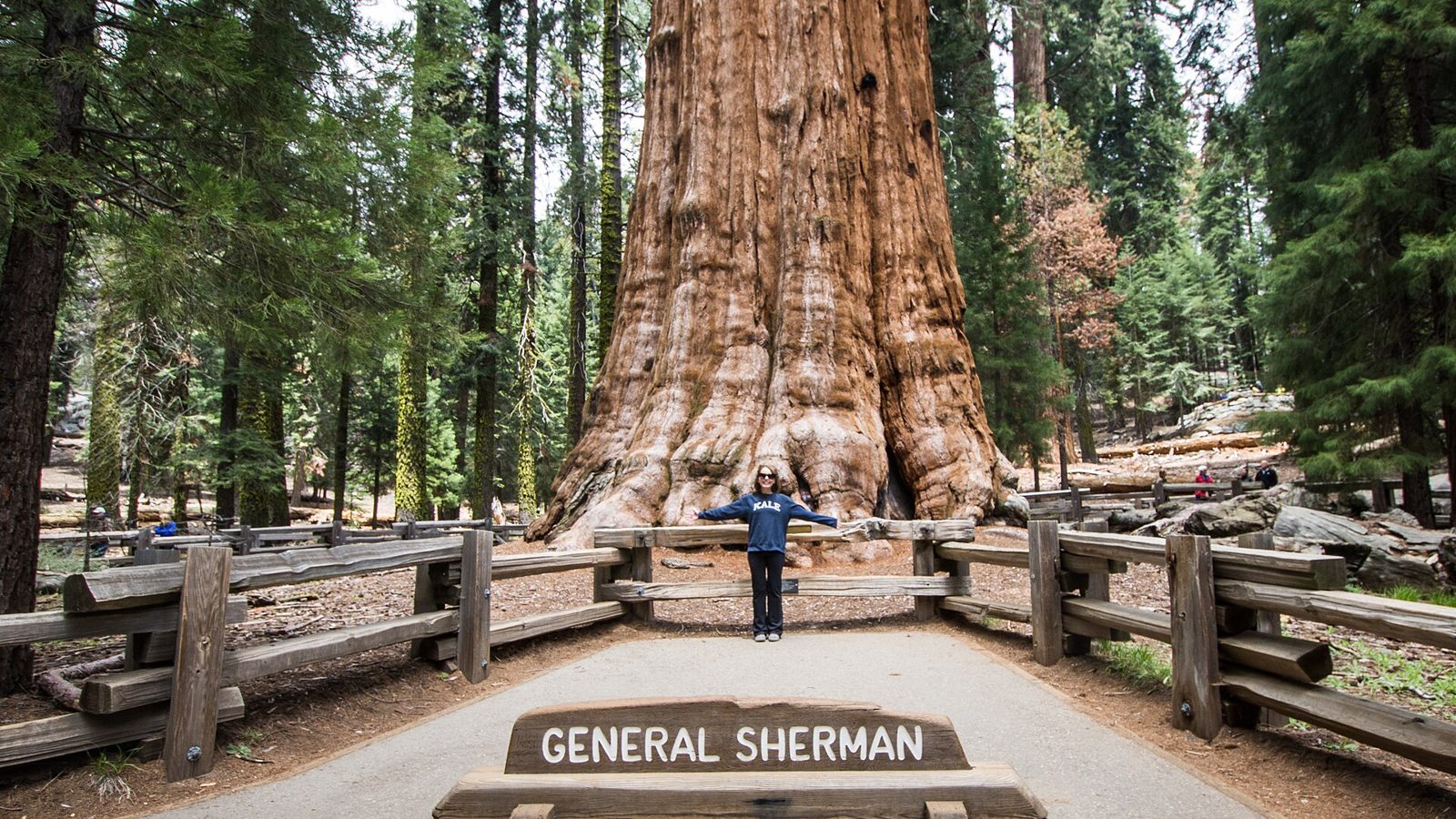
A mountain park in California's southern Sierra Nevada, home to the biggest trees on Earth. You walk among giant sequoias in the Giant Forest, climb the granite stairway of Moro Rock and fall asleep under some of the darkest skies in the state.
- Best time to visit: June to early July and September to October
- Daily budget (budget traveller): $90 to $400 USD
- Ideal trip length: 3 to 5 days
Sequoia National Park sits in the southern Sierra Nevada, about four hours north of Los Angeles and an hour and a half east of Fresno. It is run together with Kings Canyon National Park next door. The park climbs from hot oak foothills at around 500m to Mount Whitney on its eastern edge, the highest summit in the lower 48 states, but most visitors come for the Giant Forest. This plateau at about 1,950m holds thousands of giant sequoias, including the General Sherman Tree, the largest single tree on the planet by volume. You reach it on the Generals Highway, a steep, twisting road that climbs from the small gateway town of Three Rivers. The highlights are close together. You can walk down to the Sherman Tree, loop round meadows full of giants on short, flat trails and climb the stairs up Moro Rock for a view across the Great Western Divide. There are no hostels, no petrol stations and very little phone signal inside the park, and most travellers need a car outside summer. Even so, a campsite under the trees, a free summer shuttle and trails that cost nothing beyond the entrance fee make it a rewarding few days for a solo traveller who plans ahead.
Sequoia was California's first national park, set up in 1890 to protect the giant sequoias from logging. Today it shares a single management and entrance pass with Kings Canyon to the north. The two parks cover a huge slice of the southern Sierra Nevada, but most of what visitors come for is in one small area: the Giant Forest. Here thousands of sequoias, some more than 2,000 years old, grow around open meadows at about 1,950m. Most people drive up, see the Sherman Tree and leave the same day. Stay a few nights and you get the better version: the grove almost empty at 7am, a picnic at Crescent Meadow, the stairs up Moro Rock at sunset and a sky full of stars over your tent. It is not a cheap place for a solo traveller, but a campsite, a cool box of groceries and free trails keep costs down.
Getting here takes some planning. The nearest big airport is Fresno, about 1.5 hours from the park, and Los Angeles is around four hours away. Most people hire a car and enter through Three Rivers and the Ash Mountain entrance, then drive the Generals Highway up to the Giant Forest. From late May to early September, you can also take the Sequoia Shuttle from Visalia and use the free in-park buses. Base yourself at Lodgepole or Wuksachi for early starts in the groves, or in Three Rivers for more choice of beds and food. Remember there is no fuel in the park.
Timing shapes the trip. June and September bring mild days, open roads and running shuttles. July and August are the busiest months, and car parks at the Sherman Tree fill by mid-morning. From November to April, snow covers the groves. That is beautiful and quiet, but you may need chains, the Moro Rock road can close and many services shut. Sequoia is very safe, but the dangers are real: bears, rivers, altitude and no phone signal. Do not expect nightlife here. Evenings mean a ranger talk, a campfire where it is allowed and early nights before dawn starts among the trees.
Sequoia National Park itinerary
Arrive and find your feet
Morning: Drive from Fresno or Visalia to Three Rivers. Buy groceries, fill up with fuel and have breakfast at a café in town.
Afternoon: Enter at Ash Mountain and stop at the Foothills Visitor Center for maps and conditions. See the pictographs at Hospital Rock, then drive the Generals Highway up to Lodgepole.
Evening: Pitch your tent or check in, store all your food in the bear locker and eat at the Lodgepole Grill if it is open.
General Sherman and the Congress Trail
Morning: Be at the Sherman Tree car park before 9am. Walk down to the tree, then loop the paved Congress Trail past the President and the Senate group.
Afternoon: Take the shuttle or drive to the Giant Forest Museum. Walk the Big Trees Trail around Round Meadow and have a picnic in the shade.
Evening: Watch the sunset from Beetle Rock behind the museum, then head back for an early night.
Moro Rock and Crescent Meadow
Morning: Climb Moro Rock early, before the heat and the queues on the narrow stairs.
Afternoon: Ride the shuttle on to Crescent Meadow, walk round to Tharp's Log at Log Meadow, then stop at Tunnel Log on the way back.
Evening: Go to a ranger talk at Lodgepole or Wuksachi, or stargaze from a dark spot near your campsite.
Crystal Cave and Tokopah Falls
Morning: Drive the narrow Crystal Cave road for your pre-booked tour. Allow time for the steep 15 to 20 minute walk to the entrance.
Afternoon: Back at Lodgepole, follow the easy trail along the river to Tokopah Falls and look out for marmots on the rocks.
Evening: Dinner at the Wuksachi Pizza Deck or The Peaks, then a quiet walk at dusk.
The Lakes Trail
Morning: Start early from Wolverton on the Lakes Trail and climb through forest to Heather Lake, about 13km return with a steady climb. Carry plenty of water.
Afternoon: Rest on the granite by the lake, then walk back down before the afternoon storms build. If you have the legs, carry on towards Emerald Lake.
Evening: A hot shower at Lodgepole and a simple camp dinner. You will sleep well.
Mineral King
Morning: Drive down to Three Rivers, then take the slow, winding road to Mineral King (about 1.5 hours). It is usually open from late May to 31 October.
Afternoon: Walk the valley floor or climb part of the trail towards Monarch Lakes. Protect your car from marmots if the rangers advise it.
Evening: Drive back down before dark and have dinner and a beer in Three Rivers.
Grant Grove and depart
Morning: Drive north on the Generals Highway to Grant Grove in Kings Canyon and walk the short loop to the General Grant Tree.
Afternoon: Look out from Panoramic Point if the road is open, then leave by Highway 180 to Fresno, about 1.5 hours.
Evening: Arrive in Fresno for your flight, or carry on towards Yosemite.
Best neighbourhoods
- Giant Forest: The heart of the park, a high plateau of sequoias and meadows around the Giant Forest Museum. You have the General Sherman Tree, Moro Rock, Crescent Meadow and the Big Trees Trail, all linked by the summer shuttle. There is no lodging right in the grove, so you visit from Lodgepole, Wuksachi or Three Rivers.
- Lodgepole and Wuksachi: The park's main base, about 10 minutes' drive north of the Sherman Tree. Lodgepole has the largest campground, a visitor centre, a market with a grill, showers and laundry, and the Tokopah Falls trail starts here. Wuksachi Lodge, the only hotel in this part of the park, sits a few kilometres further on. It is the best base for early starts, but the services are seasonal.
- Foothills and Ash Mountain: The low, southern end of the park by the Ash Mountain entrance, with the Foothills Visitor Center, Potwisha campground, Hospital Rock and the swimming holes on the Kaweah River. It is hot and dry in summer and pleasant in spring, and it stays snow-free when the groves are white. The Giant Forest is about 45 minutes uphill.
- Three Rivers: The small gateway town just outside the Ash Mountain entrance, strung along the Kaweah River. You will find motels, riverside cabins, cafés, a brewery, a supermarket and the last petrol before the park. It is the most practical base without a campsite, but every visit to the big trees means the winding drive up and back.
- Mineral King: A remote glacial valley in the south of the park, reached by a narrow, 40km road from Three Rivers that takes about 1.5 hours. It has old cabins, two small campgrounds and steep trails to high alpine lakes. The road is usually open only from late May to the end of October, and there is no fuel or food, so come prepared.
Must-do experiences
- Walk down to the General Sherman Tree: Start at the main Sherman Tree car park and take the paved path down through the grove to the largest tree on Earth by volume. The walk back up is short but steep at altitude, so take it slowly. Go before 9am to avoid the crowds, then carry on along the Congress Trail, a paved loop past more giants.
- Climb Moro Rock: A staircase of about 350 steps, cut into a granite dome, leads to a railed summit with views over the foothills and the Great Western Divide. It is short but exposed. Do not go up in thunderstorms or when there is ice on the steps. Sunset is the best time to come.
- Loop Crescent Meadow and Tharp's Log: At the end of the Moro Rock road, a gentle trail circles Crescent Meadow and Log Meadow to Tharp's Log, a cabin built inside a fallen sequoia. On the way, stop at Tunnel Log, where the road runs through a fallen trunk. The road closes to private cars when the summer shuttle runs, so use the bus.
- Take a Crystal Cave tour: The only cave in the park open to the public is a marble cavern near the Giant Forest. It can only be visited on a 50-minute guided tour, and the 2026 season ran from 22 May to 1 November. Tickets are sold online only, never at the cave, so book weeks ahead. Allow half a day including the steep walk to the entrance.
- Walk the Big Trees Trail: This short, flat, accessible loop starts near the Giant Forest Museum and circles Round Meadow, with signs that explain how sequoias grow and why they need fire. It is free once you are in the park and at its best in the early morning, when the meadow is green and quiet. The museum itself is a good first stop.
- Hike to Tokopah Falls: From Lodgepole campground, an easy trail follows the Marble Fork of the Kaweah River for about 2.7km each way to a waterfall below granite cliffs. Look out for marmots on the rocks. The falls are fullest in early summer after the snowmelt, and the trail makes a good half-day for your first day at altitude.
- Drive the road to Mineral King: Follow the narrow, winding road up from Three Rivers into a high glacial valley ringed by peaks. Trails climb to lakes such as Monarch and Eagle, and even a short walk along the valley floor is worth the drive. The road is usually open from late May to 31 October. Start early and bring everything you need.
Hidden gems
- Tharp's Log at Log Meadow, where a pioneer cattleman lived inside a hollow fallen sequoia, a short walk beyond Crescent Meadow that many people miss
- Beetle Rock, a broad granite slab behind the Giant Forest Museum with a wide view west over the foothills, almost empty at sunset
- Hospital Rock in the foothills, with Indigenous pictographs and bedrock mortars where Western Mono people once ground acorns
- Sunset Rock, a quiet 1.5km walk from the Giant Forest Museum to a granite dome that looks over the Marble Fork canyon
- The Mineral King car park in early summer, where hungry marmots chew car hoses and people wrap their cars in tarps, one of the park's odder sights
Daily budget
- Accommodation: budget $32-60 / night (campsite, or a cheap motel in Visalia), mid-range $140-250 (Three Rivers motel or riverside cabin), splurge $350+ (Wuksachi Lodge). There are no hostels. Lodgepole campsites cost about $32 a night and sell out for summer, so book on Recreation.gov as soon as dates open. Hotel taxes and fees are added on top.
- Food: budget $20-35 / day (groceries, camp cooking, a grill lunch), mid-range $45-70 (café breakfast, deli lunch, sit-down dinner), splurge $90+ (dinner at The Peaks with wine). Stock up in Visalia or Three Rivers, where food is cheaper. Park food outlets are seasonal and few, and closing times can be early. Add a 18-20% tip at table-service restaurants.
- Transport: budget $15 return (Sequoia Shuttle from Visalia, summer only), mid-range $60-100 / day (hire car plus fuel), splurge $120+ (SUV hire, one-way drop-off or private tour). There is no fuel in the park, so fill up in Three Rivers. In-park shuttles are free from late May to early September. Chains may be needed in winter.
- Activities: budget $0-5 / day (hiking, ranger programmes, viewpoints), mid-range $20-40 (Crystal Cave tour plus a share of the entrance fee), splurge $100+ (guided hikes, horse rides or the nonresident fee). Entry is $35 per car for seven days or $20 per person on foot or by shuttle. Non-US residents aged 16 and over pay an extra $100 each in 2026 unless they hold an annual pass. Crystal Cave tickets are sold online only.
- Drinks & nightlife: budget $5-10 (a beer from the market at camp), mid-range $15-30 (a few drinks at a Three Rivers bar), splurge $40+ (wine with dinner at Wuksachi). There is no real nightlife. The Wuksachi lounge and a couple of bars in Three Rivers are about it. Your best evening entertainment is the night sky.
Where to stay
- Campground in Lodgepole ($32 to $32 USD / night): Lodgepole is the park's biggest and most central campground, by the Marble Fork river and a short drive from the Sherman Tree. It has a market, showers and laundry nearby, and many sites are walk-in tent pitches that work well for one person.
- Gateway motel in Three Rivers ($140 to $250 USD / night): Simple motels along the Kaweah River put you minutes from the Ash Mountain entrance, with cafés, a supermarket and fuel on the doorstep. It is the easiest option if you do not want to camp.
- Cabin rental in Three Rivers and the Kaweah valley ($150 to $280 USD / night): Riverside cabins and rooms in local homes give you a kitchen and a quieter stay. Check the exact location, as some are up steep, unlit roads.
- Splurge in Wuksachi ($300 to $500+ USD / night): Wuksachi Lodge is the only hotel near the Giant Forest, built from stone and cedar, with a restaurant and lounge. Rooms are in buildings a short walk from the main lodge, and wifi is limited to the lobby.
What to eat
- Lodgepole Grill: burgers, breakfast plates and huckleberry ice cream next to the Lodgepole Market, usually open from mid-spring to mid-October
- Wuksachi Pizza Deck: pizza, salads and sandwiches on the outdoor deck at Wuksachi Lodge, a simple meal after a day on the trails
- The Peaks Restaurant: the sit-down dining room at Wuksachi Lodge, with breakfast and dinner and boxed lunches for the trail. Book a table in summer
- Three Rivers cafés: coffee, pastries and breakfast burritos in town before you drive up, as there is almost nothing open at the park entrance early
- Tri-tip and Mexican food in Three Rivers and Visalia: barbecued beef and cheap tacos are the Central Valley's comfort food
- Central Valley fruit: oranges, peaches and cherries from farm stands on the road from Visalia, great for picnics in the groves
Day trips
- Grant Grove, Kings Canyon (About 50km north of the Giant Forest, around 1 hour by car): Home to the General Grant Tree, the second largest tree in the world, on a short paved loop through a fine sequoia grove. Panoramic Point nearby looks across the High Sierra. Drive north on the Generals Highway. Your Sequoia pass covers Kings Canyon. The road between Wuksachi and Grant Grove usually closes from early January to mid-March and can close in storms.
- Mineral King (About 40km from Three Rivers, around 1.5 hours by car): A high glacial valley with old cabins, wildflower meadows and steep trails to alpine lakes. It is much quieter than the Giant Forest and feels truly remote. Take Mineral King Road from Highway 198 just east of Three Rivers. It is narrow and winding, partly unpaved and usually open from late May to 31 October. There is no fuel or food, and longer vehicles are not advised.
- Cedar Grove and the Kings Canyon Scenic Byway (About 2.5 hours by car from the Giant Forest): A dramatic drive into one of the deepest canyons in North America, ending at Cedar Grove and Roads End, with river walks and Zumwalt Meadow. Drive north to Grant Grove, then follow Highway 180 east. The road past Hume Lake junction usually closes from mid-November to spring, so check dates before you go.
When to visit
- Spring (April - May): Groves 5-18°C with late snow possible, foothills 20-30°C. Crowds: Low to moderate, busy on Memorial Day weekend. Great for wildflowers and waterfalls in the foothills, but snow can linger in the Giant Forest and some trails and roads are still closed. Shuttles start in late May.
- Early summer (June - early July): Groves 20-26°C, cool nights, rivers high and fast. Crowds: Moderate, rising towards July. Arguably the best time. Roads and trails are open, waterfalls are full and the shuttles are running. Book campsites and Crystal Cave well ahead.
- High summer (July - August): Groves 22-28°C, foothills often above 38°C, afternoon storms. Crowds: Busy, especially at weekends and around the Sherman Tree. Everything is open, including Mineral King, but car parks fill by mid-morning and wildfire smoke can drift in. Start early and use the shuttle.
- Autumn and winter (September - March): September 18-25°C in the groves, then around 10°C by day and below freezing at night, with snow from late autumn. Crowds: Moderate in September, quiet from October. September and October are calm and golden. Winter brings snowy groves and empty trails, but chains are often required, Crystal Cave and Mineral King close and services are limited.
Entry rules for your passport
Visa rules for the United States depend on the passport you travel on. Check the official source before you book: U.S. Department of Homeland Security
Getting there
There is no airport in the park. Fresno Yosemite International is the nearest major airport, about 1.5 hours from either entrance. Los Angeles is about four hours away by road and San Francisco around 4.5 hours. Most visitors hire a car. From Fresno or Visalia, take Highway 198 through Three Rivers to the Ash Mountain entrance, then climb the Generals Highway to the Giant Forest in about 45 minutes. Or take Highway 180 from Fresno to the Big Stump entrance in Kings Canyon and drive south through Grant Grove, which takes about 1.5 hours to the Giant Forest. Without a car, take the Amtrak San Joaquins train to Hanford or the V-LINE bus from Fresno to Visalia. From late May to early September, book the Sequoia Shuttle from Visalia, which cost $15 return in 2026. Entry is $35 per car for seven days, or $20 per person on foot or by shuttle, and non-US residents aged 16 and over pay an extra $100 each unless they hold an annual pass. In winter, carry chains and check road conditions before you leave.
Getting around
Most visitors get around Sequoia by car. Inside the park, the Generals Highway links the Ash Mountain entrance, the Giant Forest, Lodgepole and Wuksachi, then carries on north to Grant Grove in Kings Canyon. It is about 25km and 45 minutes from Ash Mountain to the Giant Forest, with tight bends and steep grades, and vehicles longer than 22 feet are not advised. There are no petrol or EV charging stations in the park, so fill up in Three Rivers. From late May to early September, free park shuttles run four routes around the Giant Forest, the Sherman Tree, Lodgepole, Wuksachi, Wolverton, Moro Rock and Crescent Meadow, and they run again on a few holiday dates in winter. The Moro Rock and Crescent Meadow road closes to private cars while they run. In summer you can come without a car on the Sequoia Shuttle from Visalia, which cost $15 return in 2026 and must be booked ahead. You still need a park pass. In winter, chains are often required and the road to Kings Canyon can close in storms. There are delays of up to 30 minutes on the Generals Highway north of the Giant Forest because of tree removal work.
Safety
Crime against visitors is rare in Sequoia. The real risks are the landscape and the wildlife. Black bears are common, so by law every scrap of food, toiletries and coolers must go in the metal food lockers at car parks and campsites, never left in your car. Keep at least 50m from bears and never feed any animal. Rattlesnakes live in the foothills, so watch where you put your hands and feet. The Kaweah River looks inviting but is the park's biggest killer, with fast, cold water and slippery rocks, especially in spring and early summer. Stay out of the water near rapids. The Giant Forest is at about 1,950m, so drink plenty and pace yourself. Thunderstorms build on summer afternoons, so get off Moro Rock and exposed ridges if you hear thunder. From November to March, carry chains even in a 4x4. Mobile signal is patchy or absent. The emergency number is 911. You will need travel insurance with good medical cover, because treatment and rescue in the US are very expensive.
Solo travel tips
- Sleep inside the park: A night at Lodgepole or Wuksachi means you can be at the Sherman Tree at dawn, before the day visitors drive up from the valley. It saves you two long drives a day.
- Get out early: Car parks at the Sherman Tree and Moro Rock fill by mid-morning in summer. Do the big sights before 9am or after 5pm, and walk the quieter trails in the middle of the day.
- Book the hard parts first: Campsites, Crystal Cave tickets and the Visalia shuttle all sell out. Lock those in as soon as booking opens, then plan your other days around them.
- Cook your own food: Park food is limited and seasonal. Bring groceries from Visalia or Three Rivers and a simple stove, and save one dinner at Wuksachi for a treat.
- Safety for solo travellers: Tell someone your route and return time, because phones rarely work on the trails. Store food properly for bears, stay out of fast rivers and turn back if a storm builds.
- Meet people at ranger talks: Ranger programmes, campground amphitheatres and the shuttle queues are easy places to chat. On busy trails, other hikers often swap tips about conditions further up.
Cultural etiquette
- Stay on marked trails and do not climb on the sequoias or walk over their roots. The shallow roots are easily damaged by trampling.
- Store all food, rubbish and scented items in bear lockers. Leaving them in a car or tent is against park rules and puts bears at risk.
- Never feed wildlife, including squirrels, deer and marmots, and keep a good distance from bears.
- Pack out all your rubbish and follow Leave No Trace principles, even orange peel and tissues.
- Respect the Indigenous history at places like Hospital Rock. Do not touch the pictographs or leave anything in the bedrock mortars.
- Tip 18-20% at table-service restaurants and a dollar or two per drink at bars, as staff wages depend on it.
- Keep quiet hours in campgrounds, usually from 10pm to 6am, and keep fires within rings and fire restrictions.
Frequently asked questions
How do I get to Sequoia without a car?
Only in summer. In 2026, the Sequoia Shuttle ran from Visalia from 21 May to 7 September for $15 return. It must be booked ahead, takes about 1 hour 45 minutes and stops at the Foothills Visitor Center on the way. Park passes are not included, so buy one first. Inside the park, free shuttles link the main sights during the same season. To reach Visalia, take the V-LINE bus from Fresno or the Amtrak San Joaquins train to Hanford and a connecting bus. Outside summer, you need a car.
How many days do I need in Sequoia?
One full day covers the Sherman Tree, the Big Trees Trail and Moro Rock. Three to five days lets you add Crescent Meadow, Crystal Cave, Tokopah Falls and a longer hike such as the Lakes Trail. A week works if you also want Kings Canyon and the long drive to Mineral King.
When is the best time to visit Sequoia?
June and September are the sweet spot. All roads and trails in the Giant Forest are usually open, the shuttles run until early September and the weather in the groves is mild. July and August are the busiest months, and late summer can bring wildfire smoke. From November to April, the groves are quiet and often snowy, but chains may be needed, Crystal Cave is closed, Mineral King is shut and services are limited.
How much does it cost to enter Sequoia in 2026?
A private vehicle costs $35 and covers everyone in it for seven days, and the pass is also valid in Kings Canyon. On foot, by bike or on the shuttle it is $20 per person. Since 1 January 2026, non-US residents aged 16 and over also pay a $100 nonresident fee each, unless they hold an annual or America the Beautiful pass. If you plan to visit several of the 11 parks that charge this fee, the $250 nonresident annual pass may work out cheaper.
Where can I stay in or near Sequoia?
There are no hostels. Inside the park, Lodgepole campground is the most central, at about $32 a night, and is booked on Recreation.gov, often months ahead for summer. Potwisha in the foothills is the warmer option in spring and autumn. Wuksachi Lodge is the only hotel near the Giant Forest and is expensive. Three Rivers has motels and cabins just outside the Ash Mountain entrance, and Visalia has cheaper chain hotels about an hour from the park.
Do I need chains to drive in Sequoia?
Often, in winter. Chain controls are common from November to March, and the park asks drivers to carry chains even in four-wheel or all-wheel drive cars. Rental firms often ban chains, so check your contract, or rent chains in Three Rivers or Visalia. The Generals Highway between Wuksachi and Grant Grove usually closes from early January to mid-March, and the Moro Rock road closes once snow builds up. Check the park's current conditions page and call the road information line before you set off.
Is Sequoia safe for solo female travellers?
Yes. Campgrounds are friendly, trails are busy in summer and crime is rare. The main risks are natural: bears, fast rivers, altitude and getting lost where there is no signal. Tell someone your plans, download offline maps, carry plenty of water and stick to popular trails if you are hiking alone. Lodgepole and Wuksachi are good bases because there are rangers and other visitors nearby.
What entry rules apply to the United States in 2026?
Citizens of Visa Waiver Program countries, including the UK, most of the EU and Australia, need an approved ESTA before flying and can stay up to 90 days. The ESTA fee rose to $40 in 2025. Apply only on the official US government site, at least 72 hours before you travel. Everyone else needs a visa. Your passport must be valid for your whole stay. Rules change often, so check official US government websites and your own government's travel advice before you book.
Tours and activities in Sequoia National Park | Sequoia National Park in 2 days | Sequoia National Park in 3 days | Sequoia National Park in 4 days | Sequoia National Park in 5 days | Sequoia National Park in 7 days
Joy Plus home | Destinations | Itineraries | Activities | Flights | Budget planner | Calendar | Map | Blog | Lifetime access