Guides / Sequoia National Park
Sequoia National Park in 3 days
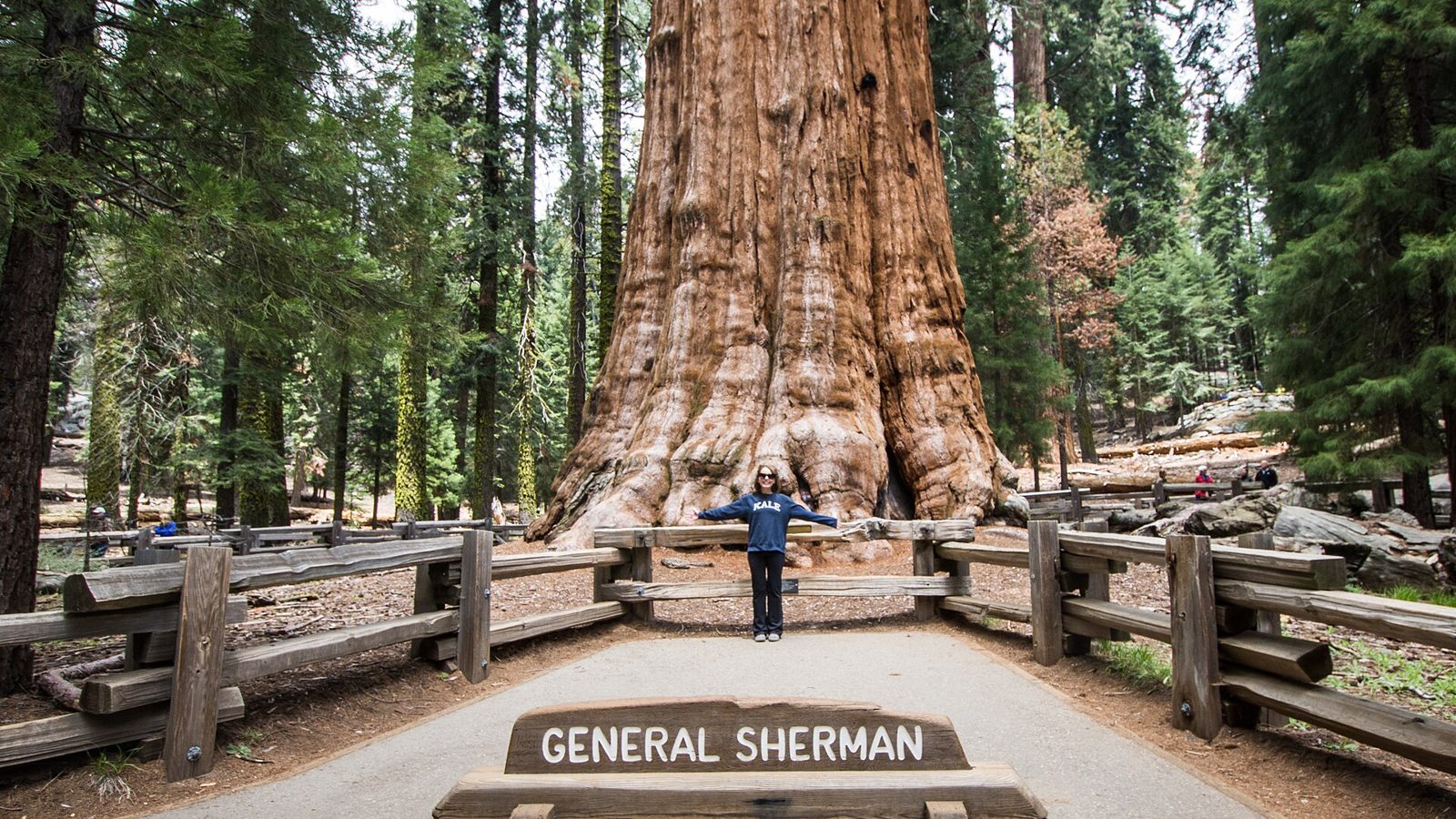
A mountain park in California's southern Sierra Nevada, home to the biggest trees on Earth. You walk among giant sequoias in the Giant Forest, climb the granite stairway of Moro Rock and fall asleep under some of the darkest skies in the state. Best time to visit: June to early July and September to October. Daily budget (budget traveller): $90 to $400 USD.
Arrive and find your feet
Morning: Drive from Fresno or Visalia to Three Rivers. Buy groceries, fill up with fuel and have breakfast at a café in town.
Afternoon: Enter at Ash Mountain and stop at the Foothills Visitor Center for maps and conditions. See the pictographs at Hospital Rock, then drive the Generals Highway up to Lodgepole.
Evening: Pitch your tent or check in, store all your food in the bear locker and eat at the Lodgepole Grill if it is open.
General Sherman and the Congress Trail
Morning: Be at the Sherman Tree car park before 9am. Walk down to the tree, then loop the paved Congress Trail past the President and the Senate group.
Afternoon: Take the shuttle or drive to the Giant Forest Museum. Walk the Big Trees Trail around Round Meadow and have a picnic in the shade.
Evening: Watch the sunset from Beetle Rock behind the museum, then head back for an early night.
Moro Rock and Crescent Meadow
Morning: Climb Moro Rock early, before the heat and the queues on the narrow stairs.
Afternoon: Ride the shuttle on to Crescent Meadow, walk round to Tharp's Log at Log Meadow, then stop at Tunnel Log on the way back.
Evening: Go to a ranger talk at Lodgepole or Wuksachi, or stargaze from a dark spot near your campsite.
Heading home: Arrive in Fresno for your flight, or carry on towards Yosemite.
What to eat in Sequoia National Park
- Lodgepole Grill: burgers, breakfast plates and huckleberry ice cream next to the Lodgepole Market, usually open from mid-spring to mid-October
- Wuksachi Pizza Deck: pizza, salads and sandwiches on the outdoor deck at Wuksachi Lodge, a simple meal after a day on the trails
- The Peaks Restaurant: the sit-down dining room at Wuksachi Lodge, with breakfast and dinner and boxed lunches for the trail. Book a table in summer
- Three Rivers cafés: coffee, pastries and breakfast burritos in town before you drive up, as there is almost nothing open at the park entrance early
- Tri-tip and Mexican food in Three Rivers and Visalia: barbecued beef and cheap tacos are the Central Valley's comfort food
- Central Valley fruit: oranges, peaches and cherries from farm stands on the road from Visalia, great for picnics in the groves
Hidden gems
- Tharp's Log at Log Meadow, where a pioneer cattleman lived inside a hollow fallen sequoia, a short walk beyond Crescent Meadow that many people miss
- Beetle Rock, a broad granite slab behind the Giant Forest Museum with a wide view west over the foothills, almost empty at sunset
- Hospital Rock in the foothills, with Indigenous pictographs and bedrock mortars where Western Mono people once ground acorns
- Sunset Rock, a quiet 1.5km walk from the Giant Forest Museum to a granite dome that looks over the Marble Fork canyon
- The Mineral King car park in early summer, where hungry marmots chew car hoses and people wrap their cars in tarps, one of the park's odder sights
Getting around
Most visitors get around Sequoia by car. Inside the park, the Generals Highway links the Ash Mountain entrance, the Giant Forest, Lodgepole and Wuksachi, then carries on north to Grant Grove in Kings Canyon. It is about 25km and 45 minutes from Ash Mountain to the Giant Forest, with tight bends and steep grades, and vehicles longer than 22 feet are not advised. There are no petrol or EV charging stations in the park, so fill up in Three Rivers. From late May to early September, free park shuttles run four routes around the Giant Forest, the Sherman Tree, Lodgepole, Wuksachi, Wolverton, Moro Rock and Crescent Meadow, and they run again on a few holiday dates in winter. The Moro Rock and Crescent Meadow road closes to private cars while they run. In summer you can come without a car on the Sequoia Shuttle from Visalia, which cost $15 return in 2026 and must be booked ahead. You still need a park pass. In winter, chains are often required and the road to Kings Canyon can close in storms. There are delays of up to 30 minutes on the Generals Highway north of the Giant Forest because of tree removal work.
Safety
Crime against visitors is rare in Sequoia. The real risks are the landscape and the wildlife. Black bears are common, so by law every scrap of food, toiletries and coolers must go in the metal food lockers at car parks and campsites, never left in your car. Keep at least 50m from bears and never feed any animal. Rattlesnakes live in the foothills, so watch where you put your hands and feet. The Kaweah River looks inviting but is the park's biggest killer, with fast, cold water and slippery rocks, especially in spring and early summer. Stay out of the water near rapids. The Giant Forest is at about 1,950m, so drink plenty and pace yourself. Thunderstorms build on summer afternoons, so get off Moro Rock and exposed ridges if you hear thunder. From November to March, carry chains even in a 4x4. Mobile signal is patchy or absent. The emergency number is 911. You will need travel insurance with good medical cover, because treatment and rescue in the US are very expensive.
Frequently asked questions
What does this 3-day Sequoia National Park itinerary cover?
Day 1: Arrive and find your feet. Day 2: General Sherman and the Congress Trail. Day 3: Moro Rock and Crescent Meadow.
Is 3 days enough for Sequoia National Park?
Our recommended trip length for Sequoia National Park is 3 to 5 days. This 3-day plan focuses on the highlights and groups sights by area so you spend less time travelling between them.
How much does 3 days in Sequoia National Park cost?
A budget traveller spends about $90 to $400 USD a day in Sequoia National Park, so roughly $270 to $1,200 USD for 3 days, not counting flights.
Where should I stay for 3 days in Sequoia National Park?
Giant Forest: The heart of the park, a high plateau of sequoias and meadows around the Giant Forest Museum. Lodgepole and Wuksachi: The park's main base, about 10 minutes' drive north of the Sherman Tree.
When is the best time to visit Sequoia National Park?
The best time to visit Sequoia National Park is June to early July and September to October.
How do I get around Sequoia National Park?
Most visitors get around Sequoia by car. Inside the park, the Generals Highway links the Ash Mountain entrance, the Giant Forest, Lodgepole and Wuksachi, then carries on north to Grant Grove in Kings Canyon.
Is Sequoia National Park safe for solo travellers?
Crime against visitors is rare in Sequoia. The real risks are the landscape and the wildlife.
More 3-day guides
- Sonoma in 3 days
- Portland, Maine in 3 days
- New York in 3 days
- San Francisco in 3 days
- Chicago in 3 days
- New Orleans in 3 days
- Austin in 3 days
- Seattle in 3 days
Sequoia National Park in 2 days | Sequoia National Park in 4 days | Sequoia National Park in 5 days | Sequoia National Park in 7 days | Full Sequoia National Park guide
Joy Plus home | Destinations | Itineraries | Activities | Flights | Budget planner | Calendar | Map | Blog | Lifetime access