Destinations / Africa
Serengeti, Tanzania travel guide
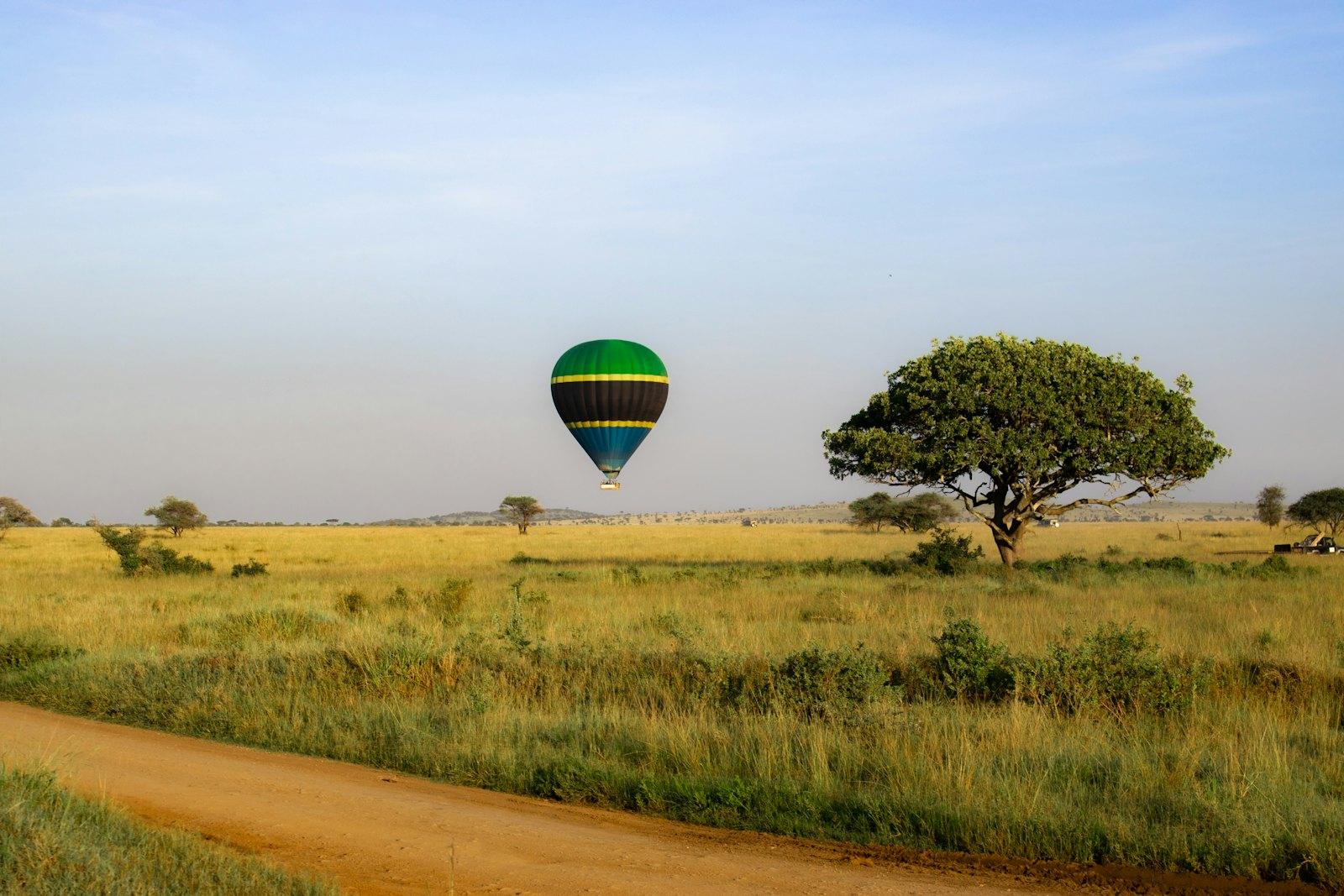
Endless golden plains and the greatest wildlife spectacle on Earth: migrating herds, big cats, and star-filled bush nights.
- Best time to visit: June to October (January to February for calving season)
- Daily budget (budget traveller): $250 to $700 USD
- Ideal trip length: 4 to 6 days
Covering roughly 14,750 square kilometres of savannah, woodland, and granite outcrops in northern Tanzania, Serengeti National Park is a UNESCO World Heritage Site and the stage for the Great Migration, in which well over a million wildebeest, along with zebra and gazelle, follow the rains in a vast clockwise loop. Even outside the river crossings, the park delivers some of Africa's most reliable sightings of lions, leopards, cheetahs, elephants, and hippos, all set against horizons that seem to have no end. Unlike a city break, the Serengeti has no neighbourhoods to wander and no independent public transport, so the solo traveller's task is choosing the right region, season, and operator. Group departures make this far more affordable and sociable than many people expect, with shared vehicles, shared costs, and a built-in circle of fellow wildlife enthusiasts around the campfire. Expect early starts, dusty tracks, and long, quiet hours scanning the grass, all rewarded by moments you will remember for life.
The Serengeti is not a place you visit like a city, it is a place you schedule around. Nothing happens on a timetable: a lion pride may sleep under the same acacia for six hours, then take down a zebra in ninety seconds while you are reaching for a sandwich. The park covers about 14,750 square kilometres, you cannot walk or drive yourself around it casually, and your whole trip rests on three choices: when you go, which region you sleep in, and who is in the vehicle with you. Get those right and the rest is mostly dust, coffee at 5:45am and the sort of light photographers get misty about.
The animals move in a loose clockwise loop, so the Serengeti is really four different parks depending on the month. Calving on the southern plains and around Ndutu runs from roughly January to March. The Western Corridor and the Grumeti River can fire up in May and June. The Mara River crossings in the north peak from late July to September, though no guide can promise you one. Seronera, in the centre, is the reliable all-rounder for leopards, lions and cheetahs year-round. Most solo travellers do best with 4 to 6 days, split between two regions, plus a night on the Ngorongoro rim or a stop at Olduvai Gorge on the drive in.
The honest truth about solo travel here is the money. For non-resident adults, Serengeti conservation fees are about US$71-83 per 24 hours including VAT, depending on the season; vehicle, camping or concession fees are extra, vehicles are priced per car, and single supplements can quietly add $60 to $200 a night in lodges. The fix is simple: join a small group departure out of Arusha with a maximum of 6 guests and a guaranteed window seat, or sleep in a tented camp where the supplement is waived or low. Done well, a solo safari is one of the most social trips on earth. You share a Land Cruiser, a campfire and an unreasonable amount of excitement about a distant cheetah, and by day three you are trading binoculars with strangers like old friends.
Serengeti itinerary
Arrive in Arusha, gear up
Morning: Land at Kilimanjaro (JRO). Check your nationality's visa rules and apply on the official portal in advance if needed. A taxi into Arusha is about 60 minutes and $30-50, or use Bolt.
Afternoon: Check in, change a little cash and stretch your legs at the Arusha Cultural Heritage Centre. Check your safari briefing and weight limits if you are flying.
Evening: Dinner at Via Via or street mishkaki at Khan's Barbecue. Early night, tomorrow starts at 6:30am.
Arusha to Serengeti via Ngorongoro and Olduvai
Morning: Depart 6:30am. Roll through Mto wa Mbu and Karatu, then enter the Ngorongoro Conservation Area at Lodoare Gate and look down at the Crater from the rim.
Afternoon: Stop at Olduvai Gorge for the small museum, then cross the short-grass plains to Naabi Hill Gate. Paperwork and lunch boxes are done here. Enter the Serengeti proper and start spotting.
Evening: Reach Seronera by dusk. Dinner at camp, listen for lions at night and do not wander without an askari escort.
Seronera Valley, balloon day
Morning: Sunrise balloon from Seronera (from about US$600, pre-booked), then a champagne bush breakfast. Or a dawn game drive at 6:15am along the Seronera River for leopards in the sausage trees.
Afternoon: Retima Hippo Pool for a picnic where you can step out of the vehicle. Slow afternoon drive past the Simba Kopjes, always check the shade for lions.
Evening: Sundowner on the plains. Back at camp for dinner and a campfire.
Moru Kopjes, then fly north
Morning: Drive south to Moru Kopjes for rock paintings and Gong Rock, scanning for rhinos, rare but possible.
Afternoon: Return to Seronera airstrip for a Coastal or Auric flight to Kogatende (about 1 hour, $250 to $350). Use soft-sided luggage and check the carrier's total baggage allowance, including hand luggage.
Evening: Check in at a tented camp near the Mara River. Dinner by lantern light.
Mara River crossings
Morning: Out at 6am to the crossing points. Patience wins here, you may wait for hours. If nothing happens, check the Lamai Wedge for leopards and lions.
Afternoon: Picnic lunch on the riverbank, then a loop through quieter hills.
Evening: Sundowner with a view, dinner at camp. If you saw a crossing, tell everyone.
Last drive and fly back
Morning: Final dawn drive in the north for cats. Pack up after breakfast.
Afternoon: Fly Kogatende to Arusha, with a likely stop at Seronera. Lunch in Arusha and a last hot shower.
Evening: Farewell dinner at Blue Heron or the Gymkhana Club.
Souvenirs and depart
Morning: Slow breakfast, then shopping at the Maasai Market for beadwork and carvings. Bargain softly, start at half.
Afternoon: Drive to JRO, allow 3 hours before an international flight. Tip your guide in cash before you leave.
Evening: Fly home with 2,000 photos and a head full of lions.
Best neighbourhoods
- Seronera Valley (Central Serengeti): The park's busy heart and its most dependable year-round area, with rivers, kopjes, and open plains that produce frequent sightings of lions, leopards, and cheetahs. It is also home to the main park headquarters and visitor facilities.
- Southern Plains and Ndutu: Short grass plains that host the calving season from roughly January to March, when hundreds of thousands of wildebeest calves are born and predators gather close by. Ndutu sits just across the boundary in the Ngorongoro Conservation Area.
- Western Corridor (Grumeti River): A long strip of riverine forest and floodplain along the Grumeti River, known for large crocodiles and, typically between May and July, dramatic herd crossings as the migration heads north.
- Northern Serengeti (Kogatende and the Mara River): The remote and wilder north, where the herds usually cross the Mara River between about July and October. Fewer vehicles, rolling hills, and superb predator viewing make it a favourite for repeat visitors.
Must-do experiences
- Take a dawn game drive in the Seronera Valley: Leave camp at first light, when big cats are most active and the plains are bathed in soft golden light, in a 4x4 with a pop-up roof and an experienced guide.
- Watch the Mara River crossings: From roughly July to October, wait on the riverbank in the north as wildebeest and zebra gather courage to plunge past waiting crocodiles. Patience is essential, as crossings cannot be predicted.
- Float over the plains in a hot air balloon: Book a sunrise balloon safari from the central Serengeti for a silent, bird's eye view of the herds, followed by a bush breakfast on the grass. Advance booking is strongly advised.
- Explore Moru Kopjes: Climb among these ancient granite outcrops to see Maasai rock paintings and the musical Gong Rock, then scan the surrounding plains for rhinos, which are rare but sometimes seen here.
- Visit the Retima Hippo Pool: Stop at this popular spot near Seronera to watch a pod of hippos wallow and bicker, with a designated area where you can step out of the vehicle to stretch your legs and enjoy a picnic.
- Stop at Olduvai Gorge on your journey: Break the drive between Ngorongoro and the Serengeti at this famous palaeoanthropological site, where a small museum explains the discoveries that shaped our understanding of early human origins.
Hidden gems
- The Lamai Wedge in the far north, a quieter stretch between the Mara River and the Kenyan border that is excellent for leopards, lions, and uncrowded sightings
- The Namiri Plains in the east, an open, less visited grassland area known for cheetah sightings and wide, uninterrupted views
- The Shifting Sands near Olduvai, a crescent shaped black volcanic dune that slowly migrates across the plain and makes a striking photo stop
- The riverine forests along the Grumeti River, where black and white colobus monkeys leap through the canopy above basking crocodiles
Daily budget
- Accommodation: budget $30-60 / night (Arusha hostel, plus group camping on safari), mid-range $250-450 pp / night (tented lodge, full board), splurge $1,000+ pp / night (Four Seasons Serengeti, Singita Grumeti). Single supplements are the hidden cost. Ask for a quote with the supplement waived or a roommate match.
- Food: budget $8-15 / day in Arusha (TZS 20,000-40,000), mid-range $25-45 in Arusha (dinner at Via Via or Blue Heron), splurge $80+ (bush dinner with private chef at a luxury camp). On safari, meals are included in almost every package. Khan's Barbecue on Arusha's Clock Tower roundabout does mishkaki and chips mayai for under TZS 10,000.
- Transport: budget Included in a group safari ($220-300 / day all in), mid-range $300-400 one way (Coastal Aviation fly-in, Arusha to Seronera), splurge $450-700 / day (private 4x4 and guide, solo). The drive from Arusha to central Serengeti is 8 to 10 hours. Flying one way saves a full day. Airport taxi to Arusha is $30-50, Bolt is cheaper.
- Activities: budget About US$71-83 / 24 hours (non-resident adult park fee, usually bundled), mid-range $300-400 (Ngorongoro Crater descent share plus Olduvai museum), splurge From about US$600 (shared sunrise balloon with breakfast). The Crater fee is about $295 per vehicle plus per person NCAA fees, so a full car is cheaper per head. Balloons sell out in peak months.
- Drinks & nightlife: budget $1-2 (Safari or Kilimanjaro lager in Arusha, TZS 3,000-5,000), mid-range $15-30 (cocktails and local gin at lodge bars), splurge $60+ (champagne sundowner on a kopje). There is no nightlife in the park, just a campfire and a million stars. Lodge drinks run $4-8 a bottle of beer, so buy water and a few cans in Arusha.
Where to stay
- Social hostel in Arusha city centre / Kijenge ($15-35 / night): Hostel Hoff and the cheap backpacker guesthouses are where solo travellers meet group-safari partners before departure. Meserani Snake Park offers dorm beds and a campsite on the road out of town.
- Boutique hotel in Njiro, Arusha ($100-200 / night): Quiet gardens, good wifi, laundry and airport transfers, ideal for a rest night before or after safari. Onsea House is a typical pick.
- Apartment in Sakina or Njiro, Arusha ($40-85 / night): A self-catering flat with a kitchen suits a longer stay, bridging a trip to Zanzibar or Kilimanjaro. Inside the park there are no apartments, so book it only for your Arusha nights.
- Splurge in Central Serengeti (Seronera) or Grumeti Reserve ($800-2,500 pp / night, full board): Four Seasons Safari Lodge Serengeti has an infinity pool over a waterhole, Singita Grumeti has private guides and bush dinners, and Serengeti Serena Safari Lodge is a mid-high alternative.
What to eat
- Nyama choma: slow grilled goat or beef served with salt, chilli relish, and kachumbari, a fresh tomato and onion salad, best enjoyed in Arusha before or after your safari
- Ugali with sukuma wiki: the stiff maize porridge that is Tanzania's staple, served with sautéed greens and a stew or beans, filling and cheap
- Pilau: fragrant spiced rice cooked with beef or chicken, cumin, cardamom, and cloves, reflecting the Swahili coast's trading heritage
- Mandazi with chai: lightly sweet, cardamom scented fried dough paired with milky spiced tea, a common start to a safari morning
Day trips
- Moru Kopjes (About 1.5 hours from Seronera): Granite outcrops with Maasai rock paintings and the musical Gong Rock. A lucky few spot black rhinos on the surrounding plains. By safari vehicle with your guide from a Seronera camp. Combine with a picnic lunch.
- Olduvai Gorge and Shifting Sands (About 2 hours from Seronera): The famous site where early human fossils were found, with a small museum and a crescent of black volcanic dune that slowly moves across the plain. Stop on the drive between Ngorongoro and the Serengeti. Museum entry is around $30, usually not included.
- Ngorongoro Crater (4 to 5 hours from Seronera): The world's largest intact volcanic caldera, home to black rhinos, lions, hippos and flamingos in a self-contained ecosystem about 600m deep. Best on the way in or out. Crater descent is about $295 per vehicle plus NCAA fees, so share the cost. Descent gates open at 6am.
When to visit
- Dry season (June - October): 20-28°C by day, 8-14°C at dawn, almost no rain, dusty tracks. Crowds: Peak, especially Seronera and the Mara River in August and September. The classic window. Short grass thins out, animals cluster at rivers and Mara crossings peak from late July. Book 6 to 9 months ahead and expect to pay the highest rates.
- Calving season (December - March): 22-30°C, short green storms, big skies, hotter at midday. Crowds: Moderate, busiest around Christmas and in February around Ndutu. My pick for photographers and anyone who likes drama. Hundreds of thousands of wildebeest calves arrive in a few weeks, and predators hunt openly on the southern plains.
- Long rains (March - May): 20-27°C, heavy afternoon downpours, muddy roads, cloudy mornings. Crowds: Very low, many camps close or discount heavily. Cheapest time of year, lodge rates can drop 30 to 50 percent. Roads in the north can be tough and sightings are patchier, but you may have a lion to yourself.
- Short rains (November - December): 20-28°C, brief afternoon showers, green and fresh. Crowds: Low to moderate. The herds generally drift south as the short rains arrive. Timing varies with rainfall, and late river crossings are possible but not guaranteed. November is often quieter; Christmas can be busy.
Entry rules for your passport
Visa rules for Tanzania depend on the passport you travel on. Check the official source before you book: Tanzania Immigration Services Department
Getting there
Most visitors fly into Kilimanjaro International (JRO), about 45km and 60 minutes from Arusha, or into Arusha Airport (ARK) for domestic hops. Direct and one-stop flights link JRO to Amsterdam, Doha, Addis Ababa and Nairobi. A pre-booked taxi to Arusha costs $30-50, Bolt is usually cheaper, and the airport rank will quote higher. Visa rules depend on nationality: the ordinary tourist visa is US$50, while US citizens need the US$100 multiple-entry visa. Apply at visa.immigration.go.tz. Yellow fever certificate rules depend on where you arrive or transit from. From Arusha, the Serengeti is about 325km: either 8 to 10 hours by road through Karatu, Lodoare Gate, the Ngorongoro rim and Olduvai to Naabi Hill, or a 1 hour 15 minute scheduled flight to Seronera with Coastal Aviation or Auric Air ($280-400 one way). Whichever you choose, book a licensed operator, as independent transport inside the park is not realistic for most travellers.
Getting around
Independent transport inside the Serengeti is not an option for most travellers, and walking unaccompanied is not permitted, so your trip is built around a licensed operator and a 4x4 safari vehicle. Most visitors base themselves in Arusha, then either drive in via the Ngorongoro Conservation Area, which usually takes a full day of around 8 to 10 hours, or take a scheduled light aircraft, with carriers such as Coastal Aviation and Auric Air linking Arusha and other hubs to airstrips such as Seronera and Kogatende. Solo travellers save the most by joining a shared group safari rather than booking a private vehicle, but check how many people share each vehicle and that every guest has a window seat. Park conservation fees are charged per 24 hours and are normally included in operator quotes, and TANAPA payments are largely cashless. Self driving is possible but demands a capable 4x4, permits, and bush experience, so it is not recommended for a first solo visit. In Arusha, taxis and ride hailing apps are easy to find, while local dala dala minibuses are cheap but crowded.
Safety
The Serengeti is a wild place, and the main risks come from wildlife and health rather than crime. Always follow your guide's instructions, stay inside the vehicle unless you are told it is safe, and never approach or feed animals. Choose a reputable operator that holds a valid Tanzanian tourism licence and has good recent reviews, and read what is and is not included before you pay a deposit. Malaria is present, so speak to a travel health clinic about prophylaxis and use repellent at dusk and after dark, and be aware that tsetse flies in some woodland areas bite painfully, so wear neutral coloured clothing and avoid dark blue and black. Dust, strong equatorial sun, and long days call for sunscreen, a hat, and plenty of water. Take comprehensive travel insurance that covers safari activities and medical evacuation by air. In Arusha, keep valuables out of sight, use registered taxis, and politely decline street touts offering unofficial safari deals. Solo women generally report feeling safe on organised group safaris, and a reputable operator will arrange suitable single rooms or tents on request.
Solo travel tips
- Join a small group departure: Solo private safaris charge you for the whole vehicle, often $450 to $700 a day. Shared departures out of Arusha cap at 6 guests and cut that to $220-350 a day. Ask the operator exactly who else is booked and confirm a guaranteed window seat for every guest.
- Vet the operator, not the brochure: Look for a valid TALA licence, TATO membership and recent reviews on TripAdvisor and Reddit, not just a polished website. Ask for a written itinerary with park fees, vehicle type and what is excluded. A quote 30 percent below everyone else's usually means a cramped van and a rushed guide.
- Fly one leg, drive the other: Fly in or out with Coastal Aviation or Auric Air, drive the other direction through Ngorongoro. You skip a full day in the car and keep the Crater and Olduvai on your itinerary. Remember the 15kg soft-bag limit.
- Solo female travellers: Safaris are among the safest ways for women to travel alone in Africa, since you are with a guide and group all day. In Arusha, use Bolt or hotel taxis after dark and keep valuables out of sight. In camp, ask for an escort to your tent after dinner.
- Camp socially: Mid-range tented camps with a shared campfire and communal dinner table are the easiest places to meet people. Sit at the long table, not a small one. Group camping safaris on budget operators are the most social of all.
- Respect your guide's rhythm: Ask lots of questions on day one and the guide will start to take you seriously. Say what you want most (a leopard, a crossing, a quiet day) and agree on early starts. Guides who know you want the shot will give up their lunch break.
Cultural etiquette
- Greet before you ask. Say 'Jambo' or 'Habari' and wait for the answer, and use 'Shikamoo' for elders, who will reply 'Marahaba'.
- Ask before photographing people, especially Maasai. Many expect a small payment, so agree on it first or simply put the camera down.
- Use your right hand for giving, receiving and eating. The left is considered unclean.
- Never leave your vehicle outside designated picnic and walking areas, never feed or call to animals, and keep voices low at sightings.
- Dress modestly in towns and villages, with shoulders and knees covered. On safari, neutral khaki, olive and tan work. Avoid black and dark blue near Ndutu and Grumeti where tsetse flies are active.
- Plastic bags are banned in Tanzania and can be confiscated at the airport. Bring a cloth bag and a reusable bottle.
- Tipping is expected: roughly $20-30 per day per vehicle for the guide and $10-15 per day for the cook, split among guests, handed over in cash on the last day.
Frequently asked questions
How do I get to the Serengeti?
Most travellers fly into Kilimanjaro International Airport near Arusha, then either drive to the park in a day via Ngorongoro or take a light aircraft to an airstrip such as Seronera or Kogatende. Flying saves hours on the road, while driving is cheaper and lets you add Ngorongoro Crater and Olduvai Gorge.
How many days do I need in the Serengeti?
Four to six days works well for most solo travellers, giving you enough time to see more than one region of the park without exhausting yourself. Allow extra days if you want to add Ngorongoro Crater, Tarangire, or Lake Manyara.
When is the best time to visit the Serengeti?
June to October is the dry season, with the best general wildlife viewing and, from roughly July to October, the Mara River crossings in the north. January to February is ideal for the calving season on the southern plains. The long rains from roughly March to May bring lush scenery and fewer visitors but can make some tracks difficult.
Is it possible to see the Great Migration all year?
Yes, the herds are always somewhere in the Serengeti ecosystem, but their location changes with the rains. Calving is usually in the south from January to March, the herds move west and north from April to July, cross the Mara River from about July to October, and head south again in November and December. Your operator should plan your route around where the herds are at the time of travel.
How can solo travellers avoid paying extra on a safari?
Join a scheduled group departure or ask the operator to match you with other solo guests, as private safaris charge the full vehicle price to one person. Ask whether a single supplement applies to accommodation, and consider travelling in the shoulder months when supplements are often reduced or waived.
Can I self drive in the Serengeti?
Self driving is permitted with the right permits and vehicle, but roads are rough, signage is limited, off road driving is prohibited, and breakdowns can be serious in remote areas. For a first visit, and especially for a solo traveller, a guided safari with a local driver who knows where the animals are is the safer and more rewarding choice.
Is the Serengeti safe for solo female travellers?
Yes, solo women commonly travel here on organised group safaris and report feeling safe. Choose a licensed operator, confirm accommodation arrangements in advance, follow your guide's wildlife safety instructions, and take standard precautions in Arusha, such as using registered taxis and avoiding walking alone late at night.
What entry rules apply to travellers visiting Tanzania in 2026?
Most visitors need a valid passport with at least six months of validity and a visa, which can usually be arranged in advance through Tanzania's official online immigration system. Travellers arriving from countries with a risk of yellow fever may need to show a vaccination certificate, and a return or onward ticket is required. Rules can change and depend on your nationality, so always confirm the latest requirements on the official Tanzania Immigration Services website and your own government's travel advice before you book.
Tours and activities in Serengeti | Serengeti in 2 days | Serengeti in 3 days | Serengeti in 4 days | Serengeti in 5 days | Serengeti in 7 days
Can't decide? Compare Serengeti with...
Joy Plus home | Destinations | Itineraries | Activities | Flights | Budget planner | Calendar | Map | Blog | Lifetime access