Serengeti in 2 days
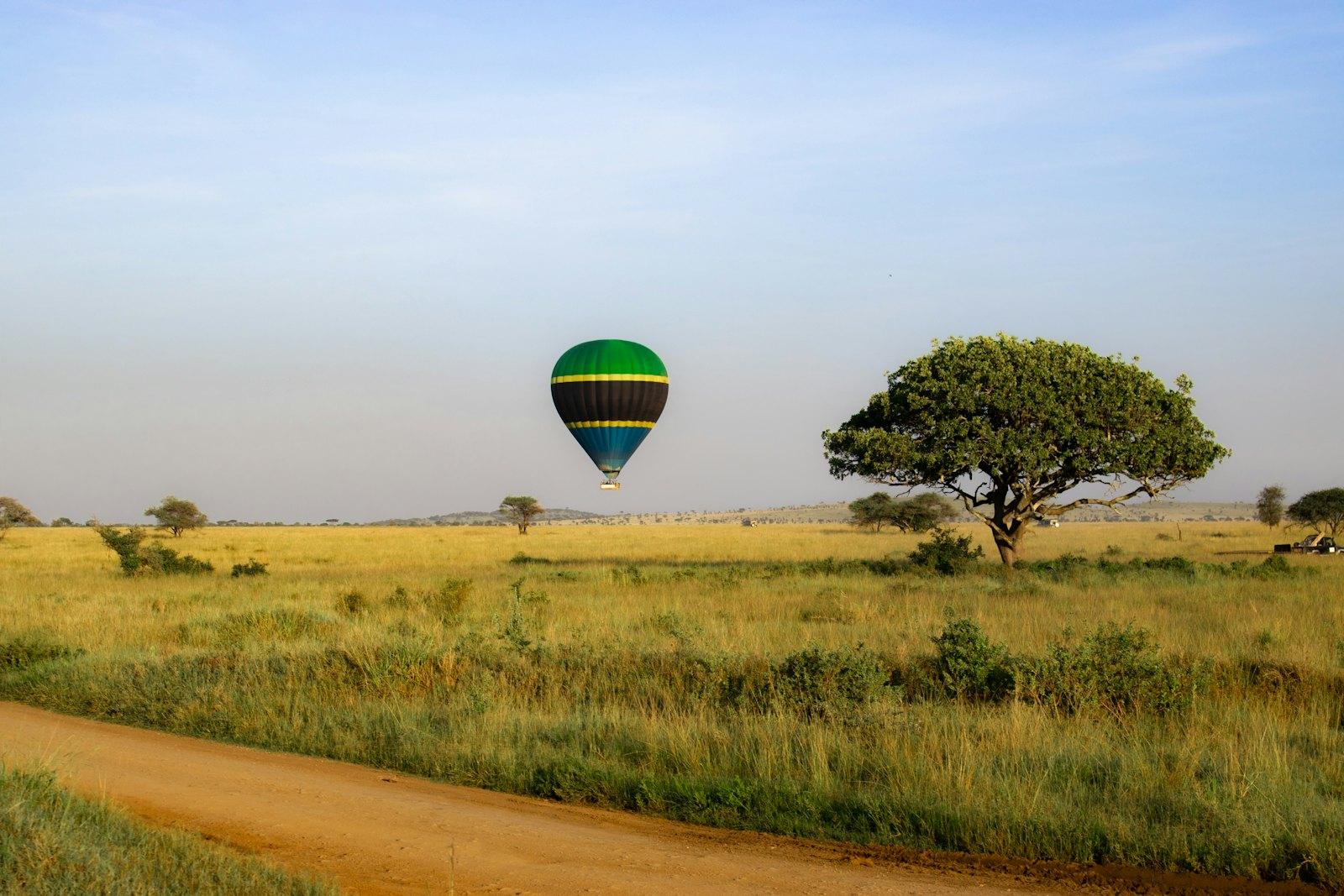
Endless golden plains and the greatest wildlife spectacle on Earth: migrating herds, big cats, and star-filled bush nights. Best time to visit: June to October (January to February for calving season). Daily budget (budget traveller): $250 to $700 USD.
Arrive in Arusha, gear up
Morning: Land at Kilimanjaro (JRO). Check your nationality's visa rules and apply on the official portal in advance if needed. A taxi into Arusha is about 60 minutes and $30-50, or use Bolt.
Afternoon: Check in, change a little cash and stretch your legs at the Arusha Cultural Heritage Centre. Check your safari briefing and weight limits if you are flying.
Evening: Dinner at Via Via or street mishkaki at Khan's Barbecue. Early night, tomorrow starts at 6:30am.
Arusha to Serengeti via Ngorongoro and Olduvai
Morning: Depart 6:30am. Roll through Mto wa Mbu and Karatu, then enter the Ngorongoro Conservation Area at Lodoare Gate and look down at the Crater from the rim.
Afternoon: Stop at Olduvai Gorge for the small museum, then cross the short-grass plains to Naabi Hill Gate. Paperwork and lunch boxes are done here. Enter the Serengeti proper and start spotting.
Evening: Reach Seronera by dusk. Dinner at camp, listen for lions at night and do not wander without an askari escort.
Heading home: Drive to JRO, allow 3 hours before an international flight. Fly home with 2,000 photos and a head full of lions.
What to eat in Serengeti
- Nyama choma: slow grilled goat or beef served with salt, chilli relish, and kachumbari, a fresh tomato and onion salad, best enjoyed in Arusha before or after your safari
- Ugali with sukuma wiki: the stiff maize porridge that is Tanzania's staple, served with sautéed greens and a stew or beans, filling and cheap
- Pilau: fragrant spiced rice cooked with beef or chicken, cumin, cardamom, and cloves, reflecting the Swahili coast's trading heritage
- Mandazi with chai: lightly sweet, cardamom scented fried dough paired with milky spiced tea, a common start to a safari morning
Hidden gems
- The Lamai Wedge in the far north, a quieter stretch between the Mara River and the Kenyan border that is excellent for leopards, lions, and uncrowded sightings
- The Namiri Plains in the east, an open, less visited grassland area known for cheetah sightings and wide, uninterrupted views
- The Shifting Sands near Olduvai, a crescent shaped black volcanic dune that slowly migrates across the plain and makes a striking photo stop
- The riverine forests along the Grumeti River, where black and white colobus monkeys leap through the canopy above basking crocodiles
Getting around
Independent transport inside the Serengeti is not an option for most travellers, and walking unaccompanied is not permitted, so your trip is built around a licensed operator and a 4x4 safari vehicle. Most visitors base themselves in Arusha, then either drive in via the Ngorongoro Conservation Area, which usually takes a full day of around 8 to 10 hours, or take a scheduled light aircraft, with carriers such as Coastal Aviation and Auric Air linking Arusha and other hubs to airstrips such as Seronera and Kogatende. Solo travellers save the most by joining a shared group safari rather than booking a private vehicle, but check how many people share each vehicle and that every guest has a window seat. Park conservation fees are charged per 24 hours and are normally included in operator quotes, and TANAPA payments are largely cashless. Self driving is possible but demands a capable 4x4, permits, and bush experience, so it is not recommended for a first solo visit. In Arusha, taxis and ride hailing apps are easy to find, while local dala dala minibuses are cheap but crowded.
Safety
The Serengeti is a wild place, and the main risks come from wildlife and health rather than crime. Always follow your guide's instructions, stay inside the vehicle unless you are told it is safe, and never approach or feed animals. Choose a reputable operator that holds a valid Tanzanian tourism licence and has good recent reviews, and read what is and is not included before you pay a deposit. Malaria is present, so speak to a travel health clinic about prophylaxis and use repellent at dusk and after dark, and be aware that tsetse flies in some woodland areas bite painfully, so wear neutral coloured clothing and avoid dark blue and black. Dust, strong equatorial sun, and long days call for sunscreen, a hat, and plenty of water. Take comprehensive travel insurance that covers safari activities and medical evacuation by air. In Arusha, keep valuables out of sight, use registered taxis, and politely decline street touts offering unofficial safari deals. Solo women generally report feeling safe on organised group safaris, and a reputable operator will arrange suitable single rooms or tents on request.
Frequently asked questions
What does this 2-day Serengeti itinerary cover?
Day 1: Arrive in Arusha, gear up. Day 2: Arusha to Serengeti via Ngorongoro and Olduvai.
Is 2 days enough for Serengeti?
Our recommended trip length for Serengeti is 4 to 6 days. This 2-day plan focuses on the highlights and groups sights by area so you spend less time travelling between them.
How much does 2 days in Serengeti cost?
A budget traveller spends about $250 to $700 USD a day in Serengeti, so roughly $500 to $1,400 USD for 2 days, not counting flights.
Where should I stay for 2 days in Serengeti?
Seronera Valley (Central Serengeti): The park's busy heart and its most dependable year-round area, with rivers, kopjes, and open plains that produce frequent sightings of lions, leopards, and cheetahs. Southern Plains and Ndutu: Short grass plains that host the calving season from roughly January to March, when hundreds of thousands of wildebeest calves are born and predators gather close by.
When is the best time to visit Serengeti?
The best time to visit Serengeti is June to October (January to February for calving season).
How do I get around Serengeti?
Independent transport inside the Serengeti is not an option for most travellers, and walking unaccompanied is not permitted, so your trip is built around a licensed operator and a 4x4 safari vehicle. Most visitors base themselves in Arusha, then either drive in via the Ngorongoro Conservation Area, which usually takes a full day of around 8 to 10 hours, or take a scheduled light aircraft, with carriers such as Coastal Aviation and Auric Air linking Arusha and other hubs to airstrips such as Seronera and Kogatende.
Is Serengeti safe for solo travellers?
The Serengeti is a wild place, and the main risks come from wildlife and health rather than crime. Always follow your guide's instructions, stay inside the vehicle unless you are told it is safe, and never approach or feed animals.
More 2-day guides
- Zanzibar in 2 days
- Maasai Mara in 2 days
- Sossusvlei in 2 days
- Okavango Delta in 2 days
- Bwindi in 2 days
- Franschhoek in 2 days
- Hermanus in 2 days
- Stellenbosch in 2 days
Serengeti in 3 days | Serengeti in 4 days | Serengeti in 5 days | Serengeti in 7 days | Full Serengeti guide
Joy Plus home | Destinations | Itineraries | Activities | Flights | Budget planner | Calendar | Map | Blog | Lifetime access