Destinations / Europe
Stavanger, Norway travel guide
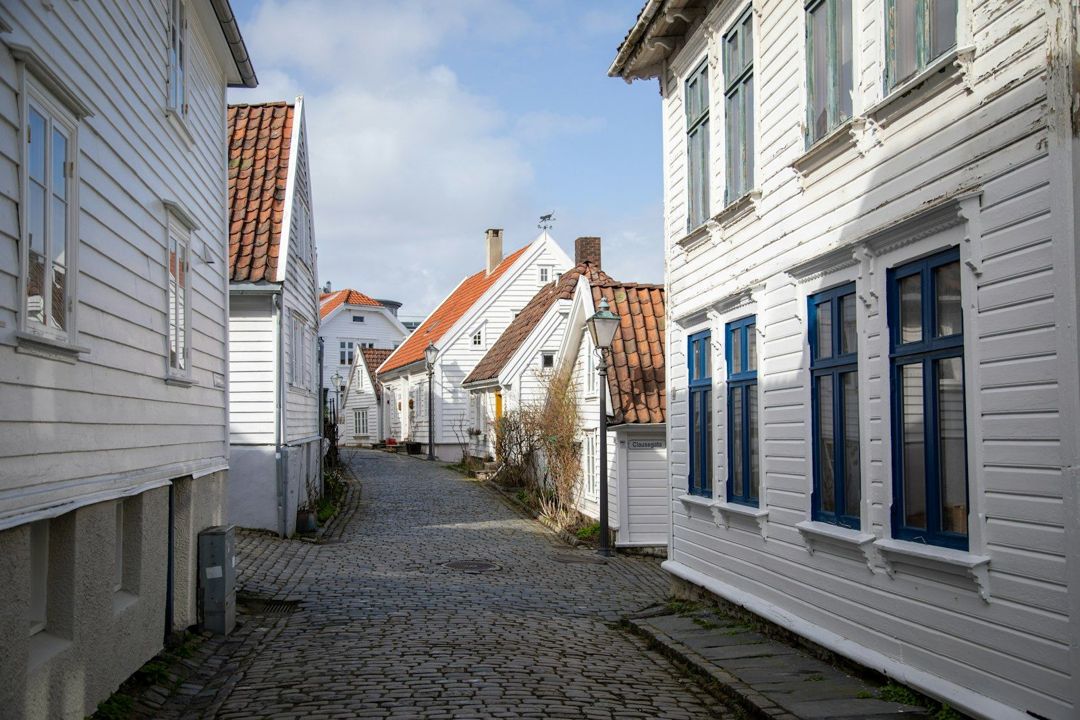
Norway's energy capital: wooden cottages, dramatic fjords and vibrant street art.
- Best time to visit: May to September
- Daily budget (budget traveller): $110 to $320 USD
- Ideal trip length: 2 to 4 days
Nestled on the southwestern coast of Norway, Stavanger is a city of striking contrasts. As Europe's oil capital, it balances a wealthy, modern infrastructure with Europe's best-preserved wooden old town, where cobbled lanes wind between immaculate white cottages. Solo travellers will find a remarkably walkable and welcoming harbour city where electric ferries glide into the dramatic Lysefjord, vibrant street art colours the café quarters, and the iconic Pulpit Rock calls hikers to dizzying heights above the water.
Stavanger occupies a dramatic coastal footprint on the Stavanger Peninsula, shielded from the North Sea by a protective archipelago. Long before it became the wealthy epicentre of Norway's oil boom, this maritime hub thrived on herring fishing and shipbuilding. It was here that fleets of fishermen hauled in their silver catch, fuelling a massive canning industry that sustained the city through the early 20th century. Today, striking modern architecture sits comfortably alongside the cobblestones, framed by the deep, icy blues of the surrounding fjords.
The city possesses a grounded, outdoorsy rhythm that makes it one of the most welcoming solo destinations in Scandinavia. The scent of salt water and roasting coffee drifts through the historic centre, where electric ferries hum quietly at their moorings and wide pedestrian zones lead toward a lively arts scene. Unlike the sprawling expanses of Oslo or the tourist-heavy docks of Bergen, Stavanger can be embraced at a relaxed pace, allowing solo explorers to spend unhurried mornings browsing vintage boutiques in Fargegaten and afternoons tracing Viking history at Hafrsfjord.
Beyond the city limits, the Rogaland region opens into immense, awe-inspiring wilderness. Sheer granite cliffs plunge directly into the dark waters of Lysefjord, while windswept sandy beaches stretch along the Jaeren coastline. Whether you arrive via a scenic railway journey across the mountains or fly directly into Sola, Stavanger offers an intoxicating blend of seafaring heritage, modern culinary indulgence, and rugged Nordic panoramas.
Stavanger itinerary
Arrival and the Colourful Quarters
Morning: Arrive at Stavanger Airport and take the Flybussen to the city centre. Drop your bags and grab a coffee to shake off the travel fatigue.
Afternoon: Wander through Østervåg and Fargegaten. Photograph the neon-painted wooden facades, browse the vintage boutiques, and enjoy a cinnamon bun at Bøker og Børst.
Evening: Head to Vågen harbour for your first taste of Norwegian seafood. Settle into a waterfront pub for a hearty bowl of creamy Fiskesuppe.
Oil Rigs and Old Towns
Morning: Spend the morning at the Norwegian Petroleum Museum. Explore the interactive exhibits that explain how offshore oil transformed the nation.
Afternoon: Cross over to Gamle Stavanger. Stroll the cobbled streets lined with white wooden cottages, then dive into local history at the IDDIS Canning Museum.
Evening: Enjoy a casual dinner near the city centre, perhaps sampling local craft beers at a cosy bar while chatting with other travellers.
The Preikestolen Hike
Morning: Catch the early express bus to the Preikestolen basecamp. Begin the 8-kilometre round trip hike through rugged mountain terrain.
Afternoon: Reach the summit and step onto the iconic Pulpit Rock, towering 604 metres above the fjord. Enjoy your packed lunch with a world-class view before descending.
Evening: Return to Stavanger exhausted but exhilarated. Treat yourself to a large, comforting meal of traditional Raspeballer or grilled salmon.
Viking Swords and Coastal Panoramas
Morning: Take a short Kolumbus bus ride out to Hafrsfjord. Admire Sverd i fjell, the three giant bronze swords commemorating the Viking unification of Norway.
Afternoon: Take a local bus to the Dalsnuten trailhead. Enjoy a brisk, hour-long hike up to the summit for sweeping, panoramic views over the city and outer islands.
Evening: Head back to Fargegaten for a relaxed evening. Grab a pizza or casual dinner at a lively cafe, soaking in the bohemian atmosphere.
Lysefjord Cruise and Street Art
Morning: Board an electric ferry from the main harbour for a cruise deep into Lysefjord. Glide silently past cascading waterfalls and look up at Preikestolen from below.
Afternoon: Return to the city and walk to the eastern Storhaug district. Explore the incredible NuArt street art murals surrounding the Tou Scene cultural centre.
Evening: Dine in the vibrant east side of the city, checking out one of the trendy, casual eateries housed in renovated industrial buildings.
Island Gardens or Mountain Boulders
Morning: Choose your adventure: take a boat to the tropical island gardens of Flor og Fjære, or catch a very early bus for the demanding hike to Kjeragbolten.
Afternoon: Enjoy a buffet meal among the island flowers, or conquer your fear of heights by stepping onto the famous boulder wedged between two mountain cliffs.
Evening: Spend your final night back in central Stavanger. Visit a classic Norwegian pub, enjoying a local cider and reflecting on a week of dramatic landscapes.
Market Mornings and Departure
Morning: Take a final leisurely stroll around the Fisketorget area. Pick up some last-minute souvenirs like locally made chocolates or knitted woollens.
Afternoon: Enjoy a final coffee by the water, watching the ferries come and go, before collecting your luggage.
Evening: Take the Flybussen back to Stavanger Airport for your flight home, or board the scenic Sørlandsbanen train onward to Oslo.
Best neighbourhoods
- Gamle Stavanger: Europe's highest concentration of white wooden houses, offering a peaceful, cobblestone retreat filled with maritime history and artisan galleries.
- Vågen & City Centre: The bustling U-shaped harbour lined with maritime bars, the striking offshore-rig architecture of the Petroleum Museum, and the main ferry docks.
- Østervåg & Fargegaten: The vibrant, bohemian quarter famously known for its neon-painted wooden facades, eclectic vintage shops, and a lively, youthful coffee culture.
Must-do experiences
- Hike to the summit of Preikestolen: Stand on the legendary Pulpit Rock, a flat-topped granite cliff rising 604 metres directly above the majestic waters of Lysefjord.
- Wander the white lanes of Gamle Stavanger: Stroll among 173 impeccably restored white wooden cottages dating back to the 18th century, feeling transported to a bygone maritime era.
- Cruise the dramatic waters of Lysefjord: Board a silent electric boat from the central harbour to glide past towering rock faces, cascading waterfalls and basking seals.
- Explore the Norwegian Petroleum Museum: Delve into Norway's offshore oil history through fascinating interactive exhibits built to resemble an oil rig hovering over the water.
- Photograph the Swords in Rock: Marvel at Sverd i fjell, three towering bronze swords planted into the rock at Hafrsfjord, commemorating the historic Viking unification of Norway.
- Sip coffee along Fargegaten: Relax in Øvre Holmegate, the colourful street packed with vibrant cafes, quirky art boutiques and striking murals.
Hidden gems
- The sweeping panoramic views from the Vålandstårnet observation tower
- The thought-provoking global street art scattered around the Tou Scene cultural centre
- The short but highly rewarding hike up Dalsnuten for a bird's-eye view of the city and outer fjords
- The fascinating, hands-on maritime history at the IDDIS Norwegian Canning Museum
Daily budget
- Accommodation: budget 400 to 800 NOK / night (hostel bed or basic guesthouse), mid-range 1,200 to 2,000 NOK (comfortable central hotel with buffet breakfast), splurge 2,500+ NOK (premium boutique hotel with fjord views). Norwegian hotels almost always include an exceptional buffet breakfast, providing immense value for solo guests to fuel up for the day.
- Food: budget 200 to 400 NOK / day (bakery pastries, convenience store hot dogs, supermarket snacks), mid-range 600 to 1,000 NOK (cafe lunch, hearty fish soup, casual dinner with a beer), splurge 1,500+ NOK (multi-course Nordic tasting menu at a premium seafood restaurant). Tap water is world-class and free everywhere in Norway, saving you significant money on bottled drinks.
- Transport: budget 100 to 250 NOK / day (local Kolumbus buses and airport shuttle), mid-range 300 to 800 NOK (adding a Preikestolen express bus or standard electric fjord cruise), splurge 1,500+ NOK (private fjord RIB boat safari). Downloading the Kolumbus ticket app makes local bus travel incredibly cheap and completely straightforward.
- Activities: budget 0 to 150 NOK (hiking trails, Gamle Stavanger, visiting the Swords in Rock), mid-range 150 to 300 NOK (museum entries like the Petroleum Museum or Canning Museum), splurge 800+ NOK (guided kayak tours or guided mountain hikes). Stavanger's best assets, its dramatic nature and historic wooden streets, are completely free to admire.
- Drinks & nightlife: budget 80 to 150 NOK (supermarket local beers), mid-range 100 to 160 NOK (a pint of local draft beer at a harbour pub), splurge 200+ NOK (premium cocktails at upscale bars). Alcohol is heavily taxed in Norway. Buying duty-free on arrival or sticking to local draft beers helps keep costs manageable.
Where to stay
- Social hostel in Vågen / City Centre (400 to 900 NOK / night): Hostels and sociable guesthouses offer basic, clean rooms, shared kitchens to save on food costs, and a great environment to meet hiking companions.
- Boutique hotel in Eiganes / Harbour (1,800 to 3,500 NOK / night): Properties like the Eilert Smith Hotel offer stylish Nordic design, excellent harbour views, and unparalleled access to the city's top culinary spots.
- Apartment in Gamle Stavanger / East City (1,200 to 2,200 NOK / night): Modern serviced apartments with full kitchens and laundry facilities, perfect for saving money by cooking your own Norwegian supermarket meals.
- Splurge in Harbour front (2,500 to 4,500 NOK / night): Hotels like the Radisson Blu Atlantic present expansive fjord views, premium breakfast buffets, and top-tier Scandinavian hospitality.
What to eat
- Fiskesuppe: a rich, creamy seafood soup loaded with the freshest local catch, carrots, leeks and warm bread
- Raspeballer: dense traditional Norwegian potato dumplings, usually served on Thursdays with salted meat and mashed swede
- Fresh local shrimp (reker) from the harbour boats in Vågen: bought straight from the fishermen and eaten simply with white bread, lemon and mayonnaise
- Kanelbolle: a perfectly spiced, twisted Norwegian cinnamon bun, best enjoyed with a strong black filter coffee
Day trips
- Preikestolen (50 min by bus): The most famous hike in Norway, culminating in a dramatic flat granite plateau hanging 604 metres over Lysefjord. The 8-kilometre round trip is moderately challenging but highly rewarding. Take the dedicated hiking express bus from Stavanger city centre, which drives through the subsea tunnel directly to the trailhead.
- Kjeragbolten (2h 30m by bus): A demanding, thrilling hike to a massive glacial boulder wedged between two sheer cliff faces, suspended 984 metres above the fjord. Best suited for fit, experienced hikers. Book a seasonal early morning express bus from Stavanger, which takes you directly to the Øygardstøl trailhead.
- Flor og Fjære (20 min by boat): A surprising oasis of vibrant tropical gardens and palm trees thriving on a secluded island in the fjord, paired with a renowned buffet restaurant. Book a package ticket that includes the 20-minute private boat transfer departing from Bekhuskaien in central Stavanger.
When to visit
- Spring (April to May): 4 to 13°C, brisk and bright with occasional coastal showers. Crowds: Low to moderate, picking up around the May national holidays. Great for fjord cruises and early season valley hikes, though high mountain trails may still hold snow. Pack versatile waterproof layers.
- Summer (June to August): 12 to 20°C, pleasantly mild with incredibly long daylight hours. Crowds: Peak season, bustling with international hikers and cruise ship passengers. The prime season for hiking Preikestolen, enjoying outdoor seafood dining, and experiencing the magical midnight twilight.
- Autumn (September to October): 7 to 14°C, crisp and increasingly wet as November approaches. Crowds: Decreasing rapidly, leaving the city comfortably quiet. Atmospheric days perfect for city exploration and museums. Hiking is possible in early September, but weather becomes highly unpredictable.
- Winter (November to March): 0 to 6°C, cold with regular rain, sleet, and occasional snow. Crowds: Very low, offering a highly authentic local experience. Cosy and quiet. Preikestolen requires micro-spikes and a professional guide, but the city offers a peaceful retreat with candlelit cafes.
Entry rules for your passport
Visa rules for Norway depend on the passport you travel on. Check the official source before you book: European Commission: Schengen visa policy
Getting there
Stavanger is easily accessible by air, rail, and sea. Stavanger Airport (SVG) is located 15 kilometres from the city centre, with the Flybussen airport express coach getting you downtown in about 20 to 30 minutes for roughly 160 NOK. If travelling from Oslo, the scenic Sørlandsbanen railway takes around 8 hours, offering spectacular views of southern Norway's lakes and forests. From Bergen, the cruise ferry takes about 5 hours and 30 minutes down the scenic coastline, while the Kystbussen express bus connects the two cities in roughly 5 hours, including stunning ferry crossings.
Border checks: non-EU visitors (other than Swiss, Norwegian, Icelandic, Liechtenstein, Andorran, Monegasque, San Marinese and Vatican citizens, and holders of an EU residence permit or long-stay visa) are registered in the EU's Entry/Exit System (EES) instead of getting a passport stamp. On your first crossing, officers take your photo and/or fingerprints, so allow extra time at passport control. ETIAS, the planned travel authorisation, is not in operation yet, so don't pay any website for one.
Getting around
Stavanger is exceptionally easy to navigate using its reliable Kolumbus bus and boat network. The central city, Gamle Stavanger and the harbour are compact and best explored on foot. For trips slightly further afield to Hafrsfjord or local trailheads, green Kolumbus buses run frequently, and tickets cost around 45 to 50 NOK via the Kolumbus ticket app. Ferries and express boats to the fjords depart directly from the Vågen harbour. Dedicated hiking express buses run continuously between the city centre and the Preikestolen basecamp during the main season.
Safety
Stavanger is among the safest urban destinations in Europe, with negligible crime. For solo travellers, the primary hazards are environmental. The coastal weather can change rapidly from bright sunshine to driving rain, making waterproof layers essential. If hiking Preikestolen or Kjeragbolten, stick strictly to marked trails, wear proper hiking boots, and never attempt the climbs in high winds or icy conditions without a professional guide.
Solo travel tips
- Leverage the hotel breakfast: Norwegian hotel buffets are legendary. Eat a massive breakfast of smoked salmon, eggs, and freshly baked breads to keep you fuelled until a late afternoon dinner, saving you the cost of a sit-down lunch.
- Use the Kolumbus app: Download the local transport app to buy cheap, instant bus tickets. It is entirely in English and far easier than trying to pay with cash on board, which is often not accepted.
- Hostel pick: Central Guest House: Affordable, sociable bases like Central Guest House offer clean rooms, shared kitchen facilities to cook your own meals, and a brilliant environment to find hiking companions for the trails.
- Start your hikes early: To enjoy Preikestolen without the immense crowds, take the earliest possible bus from Stavanger, usually around 7:30am, and beat the large cruise ship tour groups to the summit.
- Solo female safety: Stavanger is incredibly safe for solo female travellers. Walking alone at night in the city centre is perfectly normal, though standard situational awareness always applies.
- Dress in layers: The coastal weather is notoriously fickle. A bright sunny morning can quickly turn into a torrential downpour. Always pack a lightweight, breathable waterproof jacket in your daybag.
Cultural etiquette
- Always take off your shoes when entering a Norwegian home, a rule that occasionally applies to certain traditional guesthouses.
- Respect the personal space of locals. Norwegians value privacy and quiet, so avoid loud conversations on public transport.
- Do not tip out of obligation. A service charge is included in the bill, though rounding up or leaving 5 to 10 percent for exceptional service in a sit-down restaurant is appreciated.
- Embrace the outdoors regardless of the weather. As the local saying goes, there is no bad weather, only bad clothes.
- Wait patiently for pedestrians to cross. Norwegian drivers are very strict about stopping at zebra crossings, and jaywalking is frowned upon.
- Keep your hiking etiquette sharp. Say a friendly 'hei' (hello) to passing hikers on trails like Preikestolen, and always yield to those walking uphill.
- Drink the tap water. It is considered mildly offensive and entirely wasteful to buy bottled water in restaurants when the tap water is so pure.
Frequently asked questions
How do I reach Stavanger from Oslo?
You can fly directly to Stavanger Airport (SVG) in about 50 minutes. Alternatively, the scenic Sørlandsbanen train takes roughly 8 hours from Oslo Central Station, sweeping through beautiful coastal and mountain landscapes.
How many days should I spend in Stavanger?
Two to three days are ideal to explore the old town, take a fjord cruise, and complete the Preikestolen hike at a relaxing solo pace. Add a fourth day if you plan to tackle the more challenging Kjeragbolten hike.
When is the best time to visit Stavanger?
May to September provides the best hiking weather and longest daylight hours, with summer temperatures around 15 to 20°C. Winter offers atmospheric snowy streets and quiet museums, but mountain hiking trails are largely inaccessible without a specialist guide.
Can I use cash easily in Stavanger?
Norway is virtually a cashless society. Nearly all cafes, buses, and market stalls prefer or only accept card and mobile payments. You can easily spend your entire trip without withdrawing a single Krone.
Is the hike to Preikestolen safe for a solo traveller?
Yes, it is highly popular and perfectly safe during the main season from May to October. The trail is well marked and you will rarely be alone. Always check the local weather forecast before setting off.
What is the cheapest way to eat in Stavanger?
Dining out in Norway is notoriously expensive. To save money, grab fresh pastries from local bakeries for breakfast, utilise convenience stores like Narvesen or 7-Eleven for hot dogs (pølse), and look for bakeries offering discounted sandwiches in the late afternoon.
Are museums open on Mondays?
Many major museums in Stavanger, including the IDDIS Canning Museum, often close on Mondays outside of the peak summer season. Always check up-to-date 2026 opening hours on their official websites before planning your day.
What entry rules apply to travellers visiting Norway in 2026?
Norway provides visa-free short stays for tourism up to 90 days for many nationalities, including British, European Union, US, Canadian, and Australian passport holders. As a Schengen country, Norway has implemented the EES biometric system, requiring fingerprint and facial scans at the border. Note that the ETIAS pre-travel authorisation is not yet required.
More about Stavanger
Tours and activities in Stavanger | Stavanger in 2 days | Stavanger in 3 days | Stavanger in 4 days | Stavanger in 5 days | Stavanger in 7 days
Can't decide? Compare Stavanger with...
Joy Plus home | Destinations | Itineraries | Activities | Flights | Budget planner | Calendar | Map | Blog | Lifetime access