Destinations / Europe
Strasbourg, France travel guide
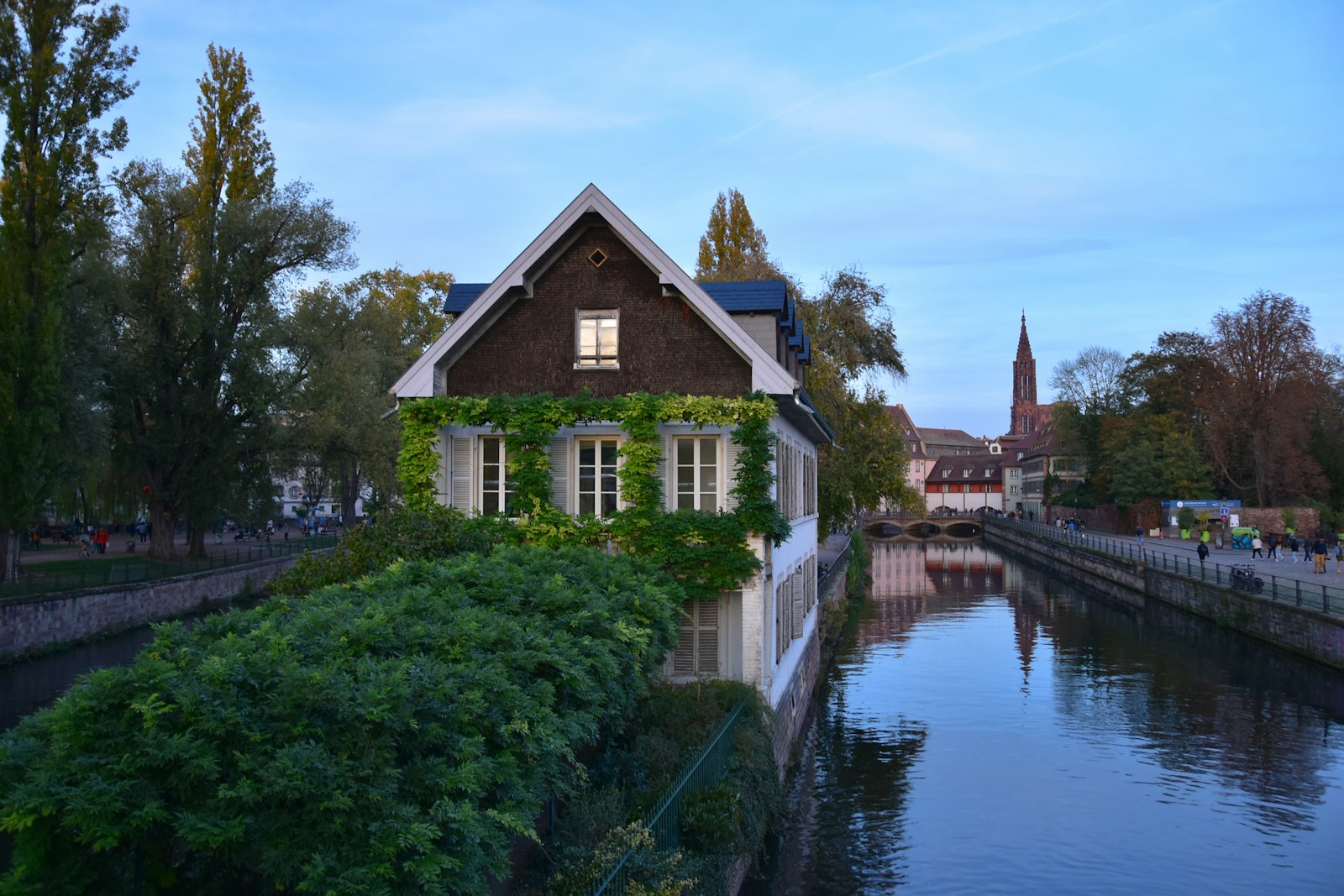
A French-German fairytale: a soaring cathedral, half-timbered canals in La Petite France and Christmas magic.
- Best time to visit: May-September; Christmas markets in December
- Daily budget (budget traveller): $100 to $170 USD
- Ideal trip length: 2 days
Strasbourg, the capital of Alsace and a seat of the European Parliament, is a storybook blend of French and German culture, crowned by a breathtaking pink-sandstone cathedral and laced with canals winding past the half-timbered houses of La Petite France. Add hearty Alsatian food, fine wine and one of the world's most famous Christmas markets and it's irresistible. Joy Plus shapes the cathedral, the canals, the museums and the food into an easy couple of days.
Strasbourg is a French city with a German accent, and it shows on the plate and in the street names. The Grande Île, the UNESCO-listed island ringed by the River Ill, is small enough to walk end to end in 25 minutes. It still holds a 142m pink-sandstone cathedral that was the tallest building on Earth until 1874, half-timbered tanners' houses leaning over canals, and more winstubs (Alsatian taverns) than you can eat in. Most people give it a rushed overnight. Give it three or four days and it starts to open up. You get the quiet morning light on the Ponts Couverts, a Riesling at a shared table with a retired couple from Kehl, and a tram ride to the Rhine for lunch in a different country.
The city sits on the Franco-German border, and its identity is layered on purpose. It was German from 1871 to 1918, French again, German again under occupation, and French since late 1944. That is why the Neustadt around Place de la République looks like imperial Berlin, and why the European Parliament and Council of Europe sit here as a symbol of reconciliation. Locals are Alsatian first. They speak French, many understand the dialect, and they take pride in a food culture built on pork, cabbage, cream and exceptional white wine. Order the tarte flambée, accept that choucroute is a full commitment, and ask for the Riesling by the glass. It is the best-value wine in France.
Strasbourg suits solo travellers, couples and food-first trips. It is flat, bike-friendly and has one of France's best tram networks, with a single ticket from €1.90. Prices are lower than Paris, though hotels double during the monthly European Parliament plenary weeks and through the Christmas market (late November to Christmas Eve). Plan around both and the city is very good value. Add day trips to Colmar, Obernai or across the bridge to Germany, all by train in under an hour, and a week is easy to fill without a car.
How many days in Strasbourg?
For Strasbourg, we recommend 2 days. With more time, add a day trip to Baden-Baden.
| Trip length | What you'll see | Itinerary |
|---|---|---|
| 2 days · Recommended | Cathedral and the Grande Île; La Petite France, canals and the dam | Strasbourg in 2 days |
| 3 days | Adds: Museums and Krutenau | Strasbourg in 3 days |
| 4 days | Adds: Colmar day trip | Strasbourg in 4 days |
| 5 days | Adds: Obernai and the wine route | Strasbourg in 5 days |
| 7 days | Adds: European Quarter and Neustadt; Rhine crossing | Strasbourg in 7 days |
Strasbourg itinerary
Arrive, cathedral and the Grande Île
Morning: Train into Strasbourg-Ville, a 15-minute walk or two tram stops (A or D) to Homme de Fer. Drop bags, then coffee and a kougelhopf at Pâtisserie Christian near the cathedral.
Afternoon: Enter Notre-Dame de Strasbourg (free). Buy the €4 clock ticket and be in the queue by about 11:15 for the 12:30 astronomical clock procession. Climb the tower platform (€10, 330 steps) for views to the Vosges and Black Forest. Wander Place Gutenberg and Place Kléber.
Evening: Dinner at Chez Yvonne (winstub, choucroute or baeckeoffe, book ahead). A short walk along Quai des Bateliers to see the cathedral lit up.
La Petite France, canals and the dam
Morning: Barrage Vauban terrace at 9am (free) for the quiet panorama over the Ponts Couverts and the Ill. Walk through the tanners' quarter before the day-trippers arrive.
Afternoon: Batorama canal boat tour (70 min, about €17, departs next to Palais Rohan), through the locks and out to the European Quarter. Late lunch of tarte flambée on Rue des Dentelles or Rue du Bain-aux-Plantes.
Evening: Dinner at Maison des Tanneurs (Gerwerstub), a classic of Petite France. Then a drink at Académie de la Bière.
Museums and Krutenau
Morning: Musée de l'Œuvre Notre-Dame (the Musée Alsacien has been closed for works since 7 July 2025, with reopening planned for 2028; most municipal museums close Tuesday, swap days if needed). Then Palais Rohan's Beaux-Arts and Archaeological museums, or MAMCS for modern art.
Afternoon: Cross to Krutenau. Browse Place d'Austerlitz, the quays on Quai des Pêcheurs and the student bars. Coffee on Place du Marché Gayot.
Evening: Flammekueche at Flam's (all-you-can-eat style, around €22-26) and a gig at La Laiterie if something good is on.
Colmar day trip
Morning: TER from Strasbourg-Ville to Colmar (30-40 min, about €14 each way). Walk Petite Venise and the Quartier des Tanneurs before it fills up.
Afternoon: Musée Unterlinden for the Isenheim Altarpiece (about €14), lunch at a winstub in the old town, then browse Place de l'Ancienne Douane.
Evening: Train back. Light dinner of bretzel and cheese near the hotel and an early night.
Obernai and the wine route
Morning: TER to Obernai (about 25-30 min, around €7 each way). Walk Place du Marché, the Puits aux Six-Seaux and the old ramparts.
Afternoon: Lunch at a winstub on the market square. Taste Pinot Gris and Gewürztraminer at a cave in the village. If you have energy, taxi or hike up to Mont Sainte-Odile.
Evening: Train back to Strasbourg. Winstub dinner at Au Pont Corbeau (quai Saint-Nicolas) or Le Clou.
European Quarter and Neustadt
Morning: Tram E to Parlement Européen. Book a free guided visit to the hemicycle in advance (bring ID). Then walk through the European Quarter and Council of Europe.
Afternoon: Parc de l'Orangerie, storks and Pavillon Joséphine. Walk back through the Neustadt, the German imperial district around Place de la République and the Palais du Rhin.
Evening: Dinner in Krutenau or the Gare area. Order a Riesling and finish with a Mirabelle eau-de-vie.
Rhine crossing and depart
Morning: Market on Place Broglie (Wednesday and Friday) or a bakery breakfast. Then tram D across the Rhine to Kehl and walk the Passerelle des Deux Rives footbridge back.
Afternoon: Last pain d'épices stop at Mireille Oster, lunch of tarte flambée, then collect bags.
Evening: Train to the airport shuttle (10 min) or TGV to Paris Est (about 1h50).
Best neighbourhoods
- Grande Île: The UNESCO-listed island old town with the cathedral, museums, squares and shopping.
- La Petite France: The picture-perfect quarter of half-timbered houses, canals, locks and waterside restaurants.
- Krutenau: A lively, student and bohemian district of bars, bistros and a young, local energy.
- European Quarter: Home to the European Parliament and Council of Europe, with modern architecture and a park.
Must-do experiences
- Strasbourg Cathedral: Marvel at the soaring Gothic cathedral, its astronomical clock and the climb up its tower.
- La Petite France: Wander the canals, locks and half-timbered houses of the city's prettiest quarter.
- Boat tour of the canals: Glide around the Grande Île and out to the European Quarter on a Batorama boat trip.
- Alsatian food & wine: Try tarte flambée and a glass of Riesling in a cosy traditional winstub.
Hidden gems
- The covered bridges and panoramic terrace of the Barrage Vauban dam.
- The astronomical clock's 12:30pm procession of figures inside the cathedral.
- The Musée de l'Œuvre Notre-Dame, a quiet museum of medieval sculpture beside the cathedral.
- Sunset over the canals from the Ponts Couverts in La Petite France.
Daily budget
- Accommodation: budget €30-45 / night (hostel dorm), mid-range €110-170 (boutique double), splurge €300+ (Régent Petite France & Spa, Hôtel Cour du Corbeau suites). Rates jump 50-100% during European Parliament plenary weeks and in December. Check the EP calendar first. Staying in Kehl, Germany (tram D, 15 min) is often a third cheaper.
- Food: budget €22-32 / day (bakery, flammekueche, plat du jour), mid-range €55-80 (winstub dinner with wine), splurge €130+ (Maison Kammerzell, Buerehiesel). Lunch plats du jour run €14-18 and are the best deal. Winstub mains are €18-28. Tarte flambée is €10-15 and easily a meal.
- Transport: budget From €4.60 / day (CTS 24h pass), mid-range €10-30 (tram plus a Colmar or Obernai train), splurge €150+ (private driver on the Route des Vins). The Grande Île is walkable. A single tram or bus ticket is €1.90 on the CTS app or a reloadable ticket (€0.20 extra for the ticket the first time), or €2.50 bought on board a bus. Velhop bike rental is roughly €6-8 per day and the city is very flat.
- Activities: budget €0-15 (free cathedral, Barrage Vauban, first-Sunday museums), mid-range €30-45 (Batorama €17, cathedral tower €10, one museum €8), splurge €100+ (private wine tour, Caracalla spa in Baden-Baden). Museums in the Musées de Strasbourg network are free the first Sunday of each month. The cathedral nave is always free.
- Drinks & nightlife: budget €8-12 (Riesling by the glass, a Fischer beer), mid-range €25-40 (Krutenau bar crawl, craft beer flights), splurge €80+ (wine pairing, hotel bar cocktails). Glasses of Alsatian white are €4-6 in a winstub. Krutenau and the Académie de la Bière area are student-priced. Last tram runs around midnight.
Where to stay
- Social hostel in Grande Île north / Deux Rives (€30-50 / night): CIARUS (Rue Finkmatt) has a bar and mixed dorms 10 minutes from the cathedral. Les Deux Rives HI hostel is on the Rhine side, with easy trams and a young crowd.
- Boutique hotel in Petite France / Grande Île (€130-220 / night): Hôtel Cour du Corbeau (a converted 1528 coaching inn) or Hôtel Gutenberg give you character rooms a short walk from the cathedral and canals.
- Apartment in Krutenau (€80-130 / night): Student and local streets, bakeries and bars, ten minutes on foot to the cathedral. Best value for a stay of five nights or more.
- Splurge in Petite France (€300-480 / night): Hôtel Régent Petite France & Spa on the River Ill, with canal views, a spa and a walk to every major sight. Book ahead for December.
What to eat
- Tarte flambée (flammekueche), a thin tart with cream, onion and bacon
- Choucroute garnie, sauerkraut with sausages and pork
- Baeckeoffe, a slow-cooked meat-and-potato casserole
- Alsatian white wines, especially Riesling and Gewürztraminer
Day trips
- Colmar (30-40 min by train): The postcard Alsace town: Petite Venise canals, half-timbered houses and the Isenheim Altarpiece at the Musée Unterlinden. Go early, then add Riquewihr by bus if you want a second village. TER from Strasbourg-Ville, every 30 to 60 min, about €14 each way. Bus 106 runs from Colmar to Riquewihr.
- Obernai (25-30 min by train): A walled medieval wine town with a handsome market square and the Puits aux Six-Seaux. Mont Sainte-Odile convent sits on the hill above. Great for wine tasting without a car. TER from Strasbourg-Ville, about €7 each way. Taxi or hike for Mont Sainte-Odile.
- Baden-Baden (About 1h15 by train): Germany's elegant spa town at the edge of the Black Forest. Soak in Friedrichsbad or Caracalla Therme, stroll the Lichtentaler Allee and be home for dinner. Regional trains via Kehl and Appenweier or Offenburg, about €20-30 each way. Take tram D to Kehl for a cheaper first leg.
When to visit
- Spring (April - June): 10-24°C, fresh mornings, short showers. Crowds: Building, comfortable. The sweet spot. Canal terraces open, storks are nesting in the Orangerie park, and the wine villages are green. Hotels are still sane outside plenary weeks.
- Summer (July - August): 22-32°C, heatwaves to 35°C, evening thunderstorms. Crowds: Busy at the cathedral, calmer elsewhere. Good for terraces, long evenings and the Rhine-side lakes at Baggersee. Cathedral stone throws out heat, so sightsee early and book the boat tour in advance.
- Autumn (September - mid November): 7-22°C, morning mist, golden vineyards. Crowds: Moderate, quiet after mid-October. The locals' pick. Wine harvest on the Route des Vins, baeckeoffe and choucroute are back on every menu, and queues disappear. Pack layers.
- Winter (Late November - March): -2 to 8°C, fog, occasional snow. Crowds: Extreme in December, low January to March. December is the Christkindelsmärik, spectacular and packed, with prices doubled and weekends shoulder-to-shoulder. Go on a weekday, book months ahead, or come in January to March for empty winstubs and cheap rooms.
Entry rules for your passport
Visa rules for France depend on the passport you travel on. Check the official source before you book: European Commission: Schengen visa policy
Getting there
Strasbourg-Entzheim airport (SXB) is 12km south-west of the centre. A shuttle train from Entzheim Aéroport station reaches Gare Centrale in about 10 minutes for roughly €3, then a 15-minute walk or a tram (A or D) to Homme de Fer. A taxi or Uber is €30-40. Most visitors arrive by rail: the TGV from Paris Est takes about 1h50 (from roughly €25 booked early, up to €90 last minute), Basel about 1h20, Stuttgart about 1h15 to 1h30 and Frankfurt about 2h, with direct TGV and ICE services to both. For cheaper flights, check Karlsruhe/Baden-Baden (FKB) or Basel-Mulhouse (BSL) and take a bus or train in.
Border checks: non-EU visitors (other than Swiss, Norwegian, Icelandic, Liechtenstein, Andorran, Monegasque, San Marinese and Vatican citizens, and holders of an EU residence permit or long-stay visa) are registered in the EU's Entry/Exit System (EES) instead of getting a passport stamp. On your first crossing, officers take your photo and/or fingerprints, so allow extra time at passport control. ETIAS, the planned travel authorisation, is not in operation yet, so don't pay any website for one.
Getting around
Strasbourg's old town is compact, flat and best explored on foot, and it's one of France's most bike-friendly cities. An excellent tram and bus network (CTS) covers the wider city and the European Quarter cheaply, and the airport links by shuttle train in about 10 minutes. Fast trains reach Paris in around two hours and the German town of Kehl is minutes away by tram.
Safety
Strasbourg is generally safe and comfortable for solo travellers including women. Violent crime is rare; the main cautions are pickpocketing around the station, the cathedral and busy Christmas-market crowds. The area near the main station can feel livelier at night, so use normal city sense and you'll have an easy, relaxed visit.
Solo travel tips
- Take a communal winstub table: Many winstubs seat strangers together at long tables. Ask for a place at the table (une place à la table), order the plat du jour and you will be talking to a local by the second glass.
- Do your sightseeing by bike: Strasbourg has over 500km of cycle lanes and is dead flat. Rent from Velhop (about €6-8 per day) and ride the Ill canalside path to the Orangerie and the Rhine. Solo means no waiting for anyone.
- Hostel pick: CIARUS or Les Deux Rives: CIARUS on Rue Finkmatt is central with a bar and mixed dorms. Les Deux Rives is a HI hostel near the Rhine with a young, international crowd and a short tram ride from the old town.
- Be smart around the station at night: The area around Gare Centrale and Place de la République can feel rough after midnight. Use trams, which run until about midnight, and take a taxi or ride-hail afterwards.
- Solo female travellers: Strasbourg is among the easier French cities for women alone. Keep drinks watched, use the tram rather than quiet back streets late, and avoid the cathedral crowd's pickpockets by keeping bags zipped in front.
- Find company in Krutenau: The student quarter around Place d'Austerlitz and Académie de la Bière is the easiest place to start a conversation. Bar tables are shared, and La Laiterie gigs are good for meeting locals.
Cultural etiquette
- Say Bonjour when entering any shop, bakery or restaurant, and Merci, au revoir when leaving. Skipping the greeting is the quickest way to be treated coldly.
- Alsatians are French but proudly their own. Do not call them German, and do not assume the dialect is just German. A simple Merci vielmols (thank you very much) goes down very well.
- Service compris means service is included. Round up at cafés and leave €1 to €5 for a good sit-down dinner. Nobody expects 15 to 20%.
- Winstub tables are often shared. Greet your neighbours, do not spread your coat or bag, and wait to be seated rather than choosing a spot.
- Lunch is 12 to 2pm and dinner 7 to 9:30pm. Kitchens close between services, so a 3pm craving means a bakery or a pretzel.
- Most shops close on Sundays outside December. Check opening hours before planning errands, and expect closed days (often Monday or Tuesday) at small restaurants and museums.
- Dress respectfully in the cathedral, keep voices low, and skip photography during Mass. The clock procession is a queue-and-watch event, so do not push to the front.
Frequently asked questions
How many days do you need in Strasbourg?
Two days cover the cathedral, La Petite France, a boat tour, the museums and plenty of Alsatian food. A third day is ideal for the European Quarter or a trip along the Alsace wine route to the town of Colmar and pretty villages like Riquewihr.
Is Strasbourg safe for solo travellers?
Yes, Strasbourg is generally safe and welcoming for solo travellers including women. The main cautions are pickpockets around the station, the cathedral and crowded Christmas markets, so keep valuables secure and use normal city sense, especially at night near the station.
When is the best time to visit Strasbourg?
May to September brings warm weather and lovely canal-side terraces. December is magical thanks to the Christkindelsmärik, one of the world's oldest and most famous Christmas markets, though it's very busy and cold. Spring and early autumn balance good weather with fewer crowds.
Is Strasbourg worth visiting?
Yes. Strasbourg blends French and German culture in a fairytale setting, with a breathtaking Gothic cathedral, the canal-laced La Petite France, hearty Alsatian cuisine, fine wine and a famous Christmas market. It's one of France's most charming and distinctive cities.
How do I get from Strasbourg Airport to the city?
A shuttle train links Strasbourg-Entzheim Airport to the central station in about 10 minutes and is the fastest, cheapest option, with a connecting tram into the centre. Taxis and ride-hailing take around 20 minutes.
When is the Strasbourg Christmas market?
Strasbourg's Christkindelsmärik runs from late November until Christmas Eve, typically from around the fourth week of November to 24 December. Dating to 1570, it fills the squares with chalets, lights and Alsatian treats, earning the city its nickname 'Capital of Christmas'.
Can you do day trips from Strasbourg?
Yes. The Alsace wine route with the town of Colmar and postcard villages like Riquewihr and Eguisheim is the top day trip, while Germany's Black Forest and the city of Baden-Baden are just across the Rhine, all reachable by train or car within an hour or so.
More about Strasbourg
- The Best Christmas Markets in Europe in 2026, With Verified Dates
- Where to Travel in 2027: 15 Places Worth Planning a Trip Around
Tours and activities in Strasbourg | Strasbourg in 2 days | Strasbourg in 3 days | Strasbourg in 4 days | Strasbourg in 5 days | Strasbourg in 7 days
Can't decide? Compare Strasbourg with...
Joy Plus home | Destinations | Itineraries | Activities | Flights | Budget planner | Calendar | Map | Blog | Lifetime access