The Best Christmas Markets in Europe in 2026, With Verified Dates
Oct 27, 2026, 14 min read
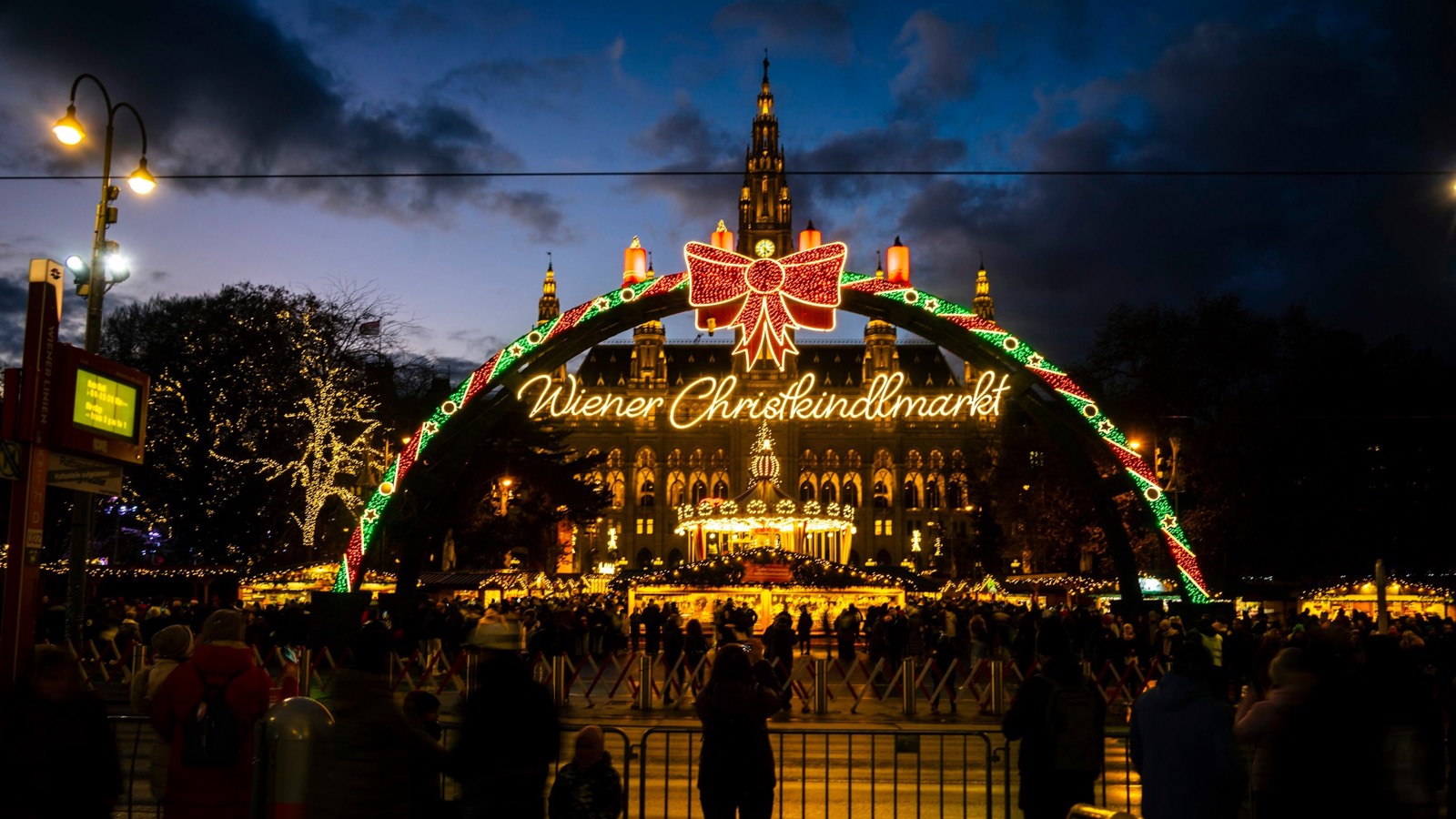
Vienna opened on 13 November, Strasbourg opens on 27 November, and Cologne's cathedral market is gone before Christmas Eve. Here are the official 2026 dates for 13 of Europe's best Christmas markets, plus rail pairings, mulled wine prices and how to dodge the crowds.
Christmas market season in Europe is short, and the dates are less standard than people assume. Vienna's main market opened on 13 November 2026, Strasbourg's not until 27 November, and the market outside Cologne Cathedral has packed up before Christmas Eve. Arrive on the wrong day and you get shuttered wooden huts, or a crowd so dense you never reach the mulled wine.
Below are the 2026 dates for 13 of Europe's best markets, each checked against the market's own site or the city tourist board, with what makes it worth the trip, one thing to eat or drink, and a crowd or cost tip. Then: rail pairings for a long weekend, beating the crowds, what things cost in 2026, staying safe, and when to book.
The 2026 calendar at a glance
The first Sunday of Advent falls on 29 November 2026, and most markets are built around it. Vienna's Rathausplatz, both Budapest markets and Copenhagen's Tivoli opened on 13 November (Vienna's Schönbrunn even earlier, on 6 November), followed by Cologne (16 November), Salzburg (19 November), Tallinn (20 November), Colmar (23 November), Dresden (25 November), Basel (26 November), Strasbourg and Nuremberg (27 November), and Prague and Zagreb (28 November). Strasbourg and the German and Swiss headliners finish on 23 or 24 December; Colmar and the others carry on past Christmas. One budget favourite is missing: for Kraków's Main Square market, an organiser document lists 27 November 2026 to 6 January 2027, but other sources give different dates, so check before you book.
Strasbourg: the self-styled capital of Christmas
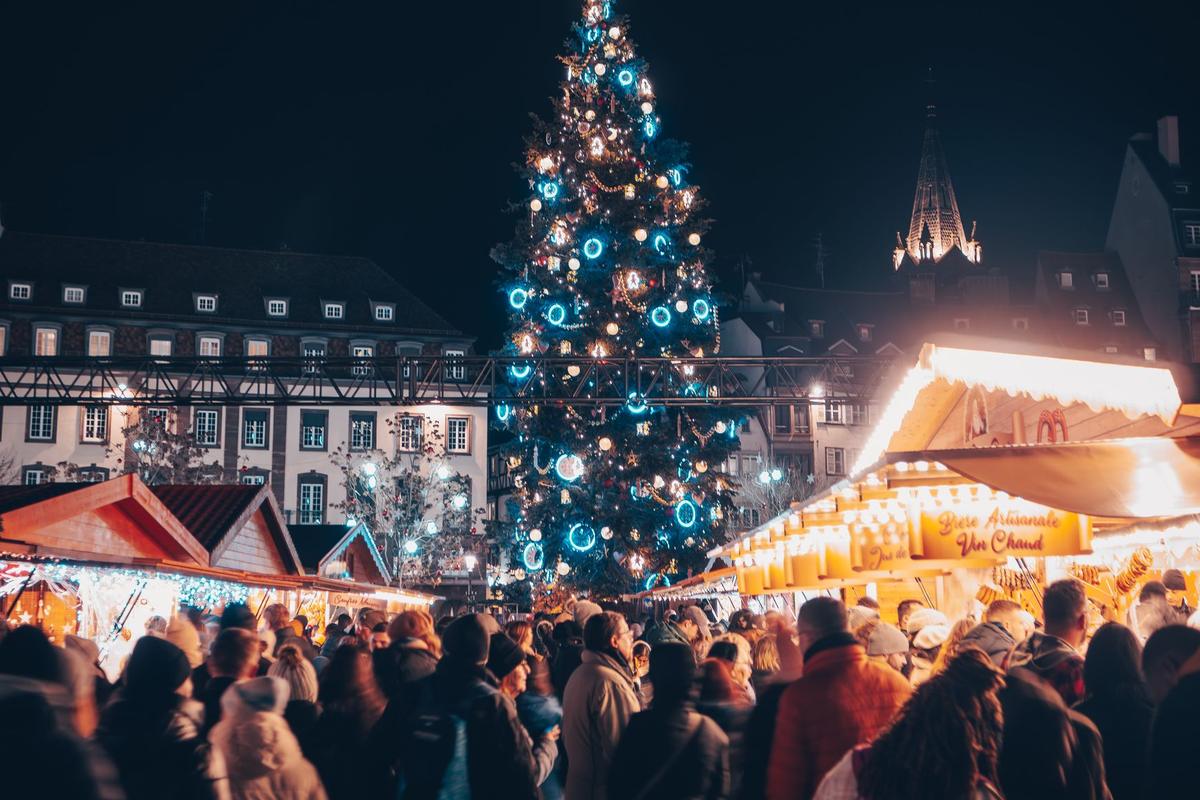
Strasbourg runs from Friday 27 November to Thursday 24 December 2026, 11am to 9pm daily, with 2pm to 9pm on opening day and 11am to 6pm on 24 December. Nothing is open on Christmas Day. The Christkindelsmärik on Place Broglie dates back to 1570, and stalls fill the old town from the cathedral square to Petite France. Eat a bowl of Soupe de l'Étoile at the Village du Partage, cooked by Alsatian chefs for charity. The official FAQ says Mondays, Tuesdays and mornings are quietest.
Colmar: smaller, prettier and open over Christmas
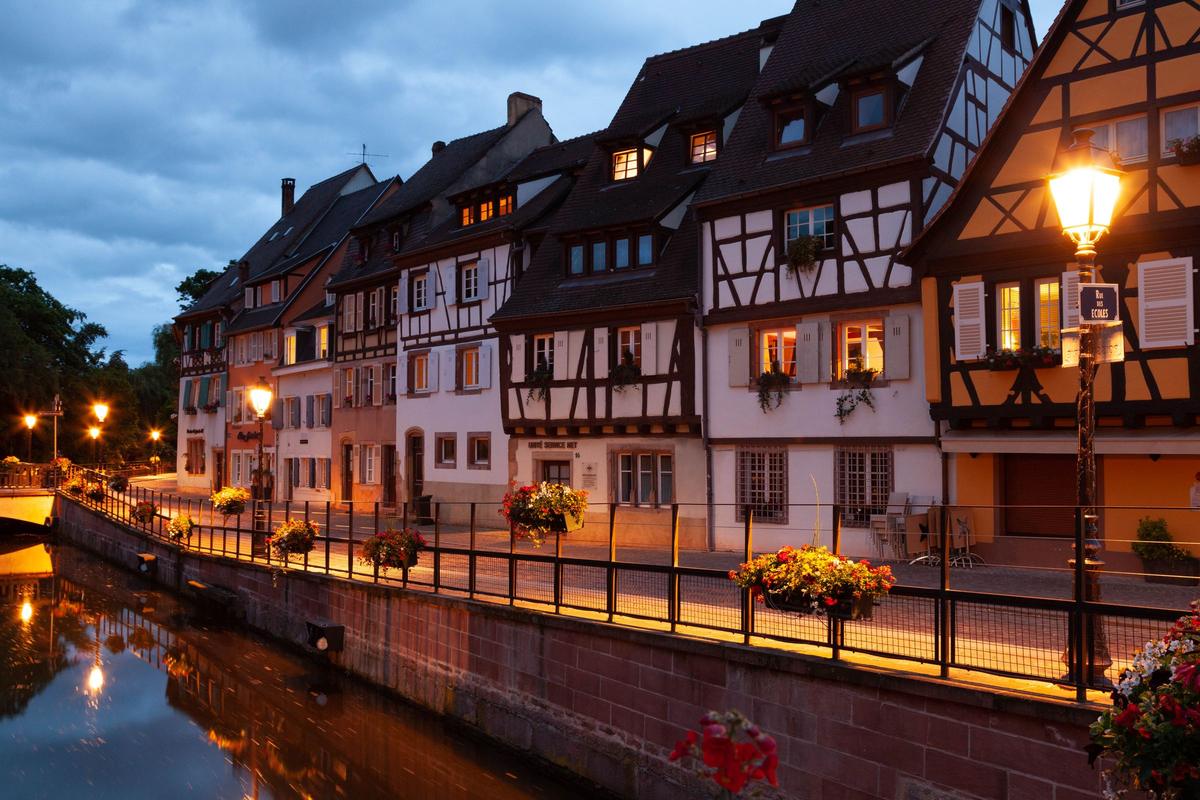
Colmar runs six markets in the old town from 23 November to 29 December 2026, open 11am to 7pm Monday to Thursday and 10am to 8pm Friday to Sunday. Unlike Strasbourg, it stays open over Christmas: 11am to 5pm on 24 December and 10am to 8pm on 25 and 26 December. The gourmet market and Ferris wheel carry on until 3 January 2027. Drink Alsace mulled wine, made with white wine or Pinot noir. The tourist office publishes a day-by-day crowd forecast, so pick a quiet day.
Basel: the calm Swiss option
Basel's markets on Barfüsserplatz and Münsterplatz run from 26 November to 23 December 2026, 11am to 8.30pm daily, closing early on 23 December (8pm on Barfüsserplatz, 6pm on Münsterplatz). The Münsterplatz market, in front of the cathedral, has only existed since 2011 and is the more atmospheric of the two. Dip your own candle at the Barfüsserplatz candle-making stall, then head to Claraplatz for cheese dishes. Switzerland is expensive, so the budget move is to sleep in Colmar and come over by train for the day.
Nuremberg: the classic German market
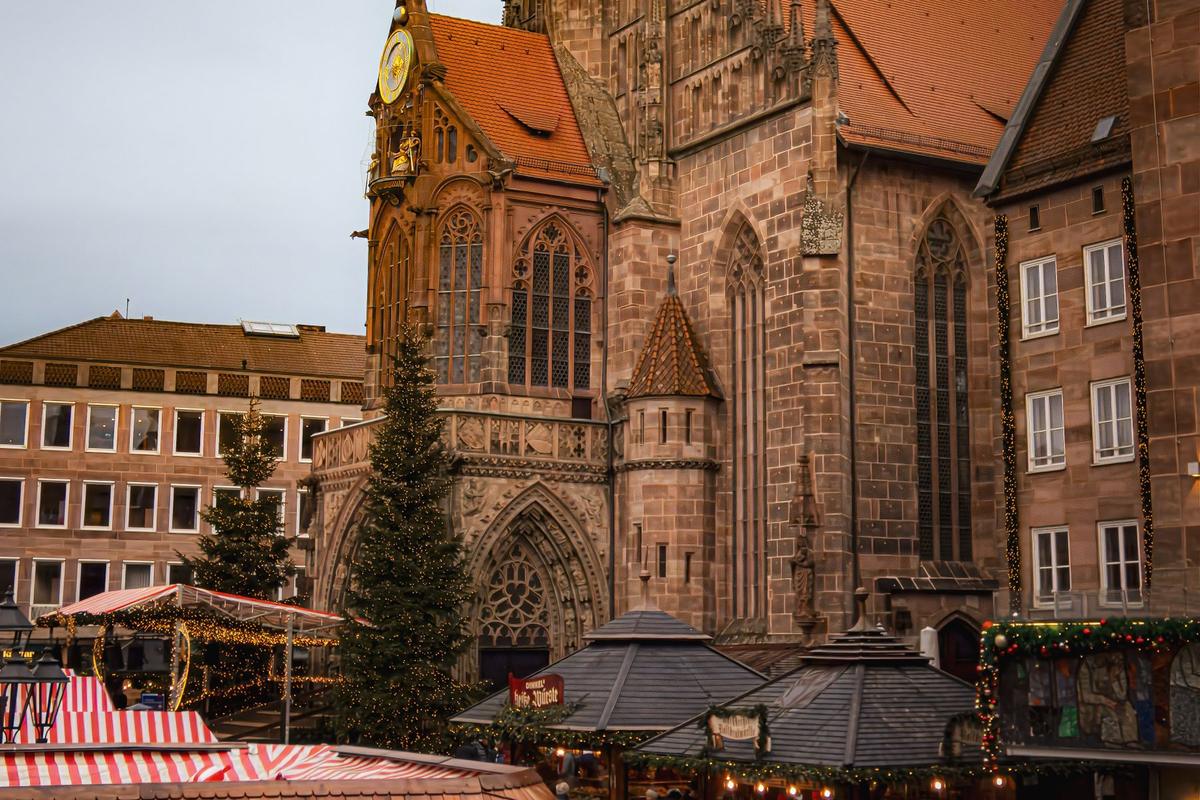
Nuremberg's Christkindlesmarkt runs from 27 November to 24 December 2026, 10am to 9pm daily, closing at 2pm on Christmas Eve. The Christkind opens it at 5.30pm on 27 November, a lovely moment but a crush, so come the next morning if you want to shop. Order 'Drei im Weggla', three finger-sized Nuremberg sausages in a bun, and try the blueberry mulled wine. Planning a year ahead? The 2027 dates are already set: 26 November to 24 December 2027.
Dresden: the market that calls itself Germany's oldest
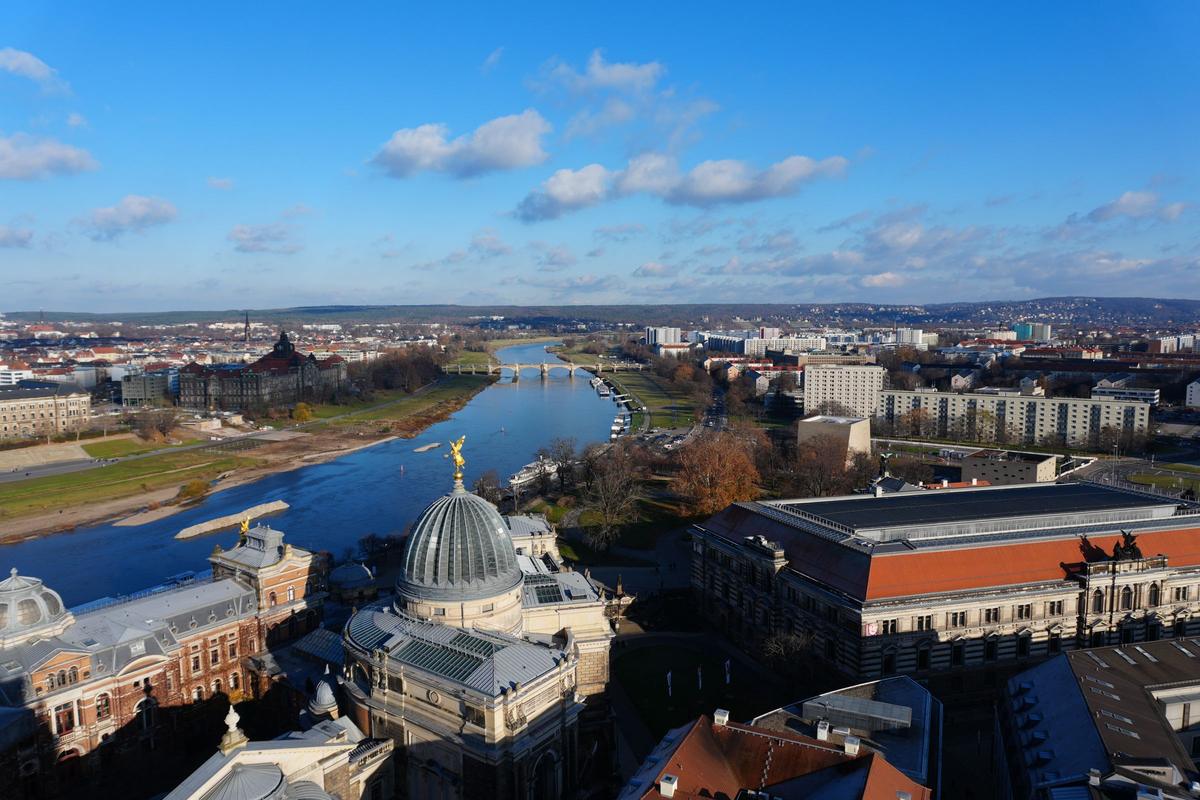
Dresden's Striezelmarkt, which the city calls Germany's oldest Christmas market, holds its 592nd edition on the Altmarkt from 25 November to 24 December 2026. It opens in the late afternoon on 25 November, then runs 10am to 9pm daily and 10am to 2pm on 24 December. More than 200 stalls surround what the city bills as the world's largest Erzgebirge step pyramid, 14.61 metres tall. Eat Dresdner Christstollen, ideally at the Stollenfest on Saturday 5 December, and buy a Pflaumentoffel, a lucky figure made of dried prunes.
Cologne: the cathedral backdrop
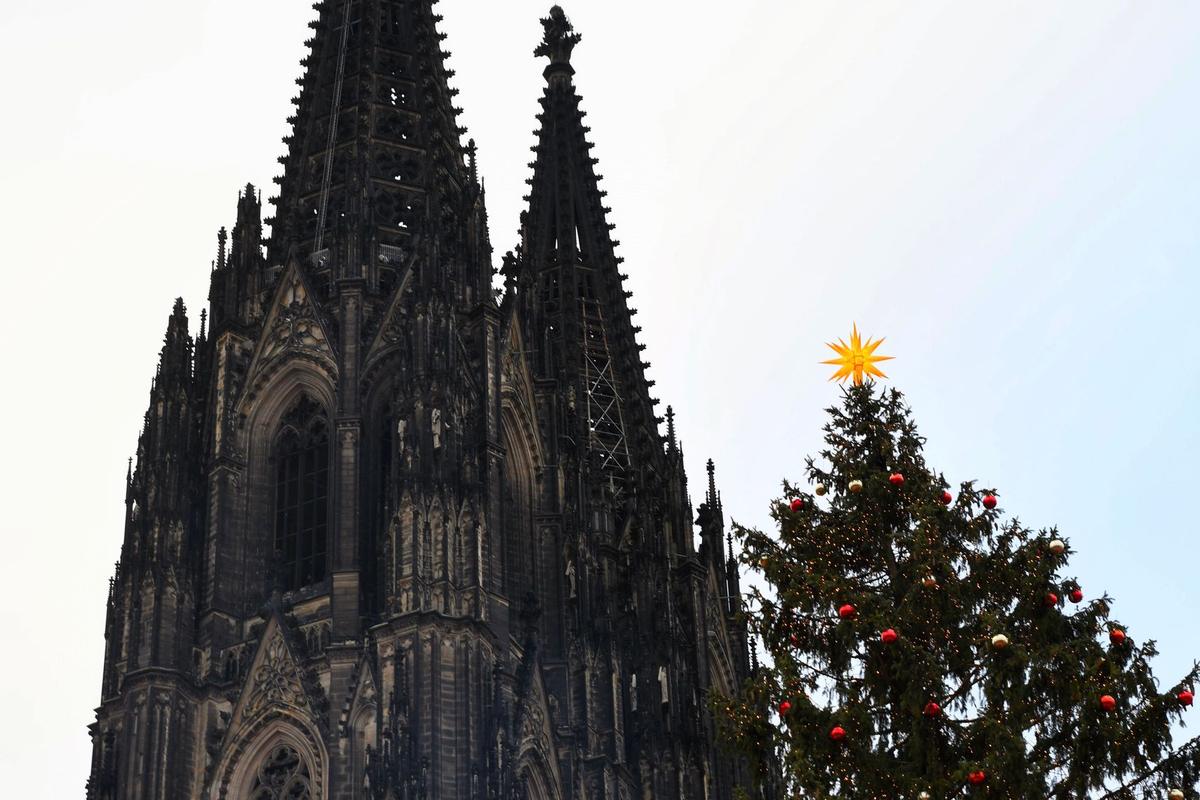
The market on Roncalliplatz, right under the cathedral, runs from Monday 16 November to Wednesday 23 December 2026, closed on Sunday 22 November. Hours are 11am to 9pm Sunday to Wednesday, 11am to 10pm Thursday and Friday, and 10am to 10pm Saturday, across more than 120 stalls. Eat Reibekuchen, crisp potato pancakes with apple sauce. Budget note: since 1 July 2026 a tourist visit inside Cologne Cathedral costs 12 euros, or 6 euros for students, though attending a service is still free.
Vienna: the longest season, thanks to Schönbrunn
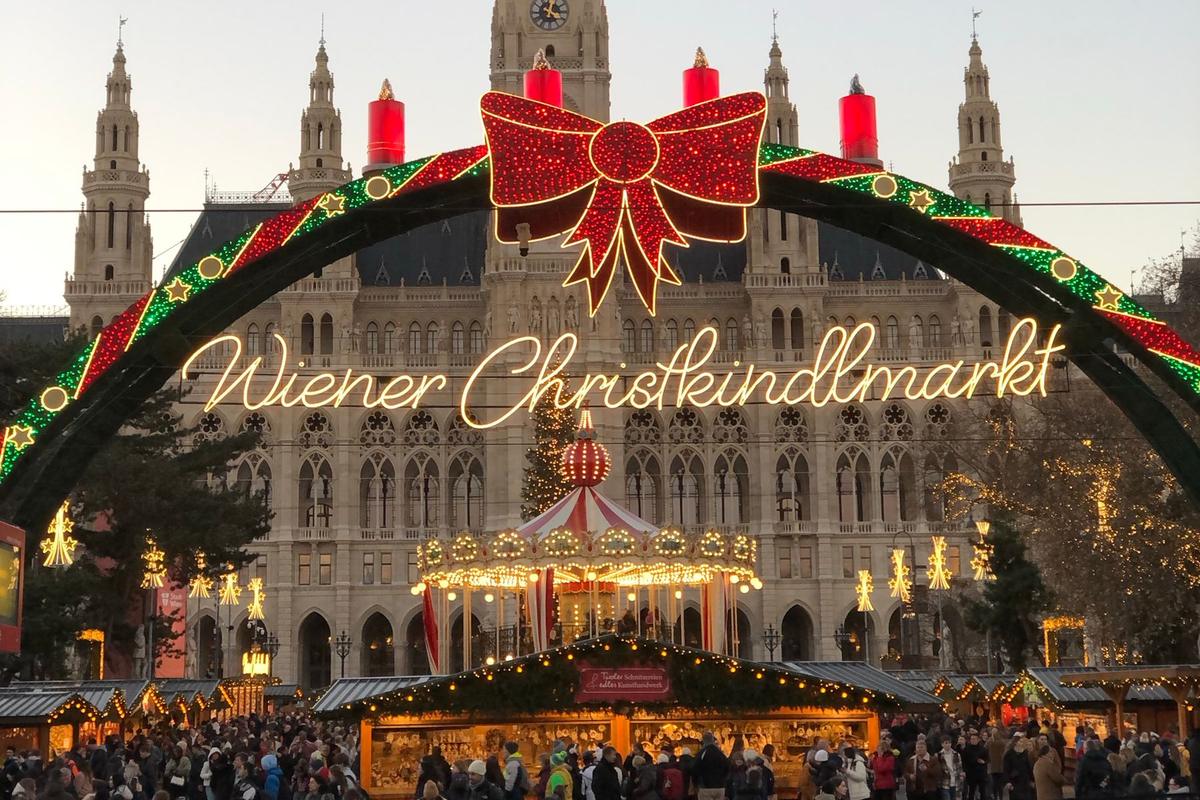
Vienna's Christkindlmarkt on Rathausplatz runs from 13 November to 26 December 2026, 10am to 10pm daily and until 6.30pm on 24 December, and the Eistraum ice rink on the same square stays open until 6 January 2027. Schönbrunn opened even earlier, on 6 November 2026, and also runs to 6 January. Drink a hot Punsch rather than mulled wine. For fewer crowds, try Spittelberg (13 November to 23 December), in the Biedermeier lanes of the 7th district, which opens at 2pm on weekdays.
Salzburg: come for the Krampus run
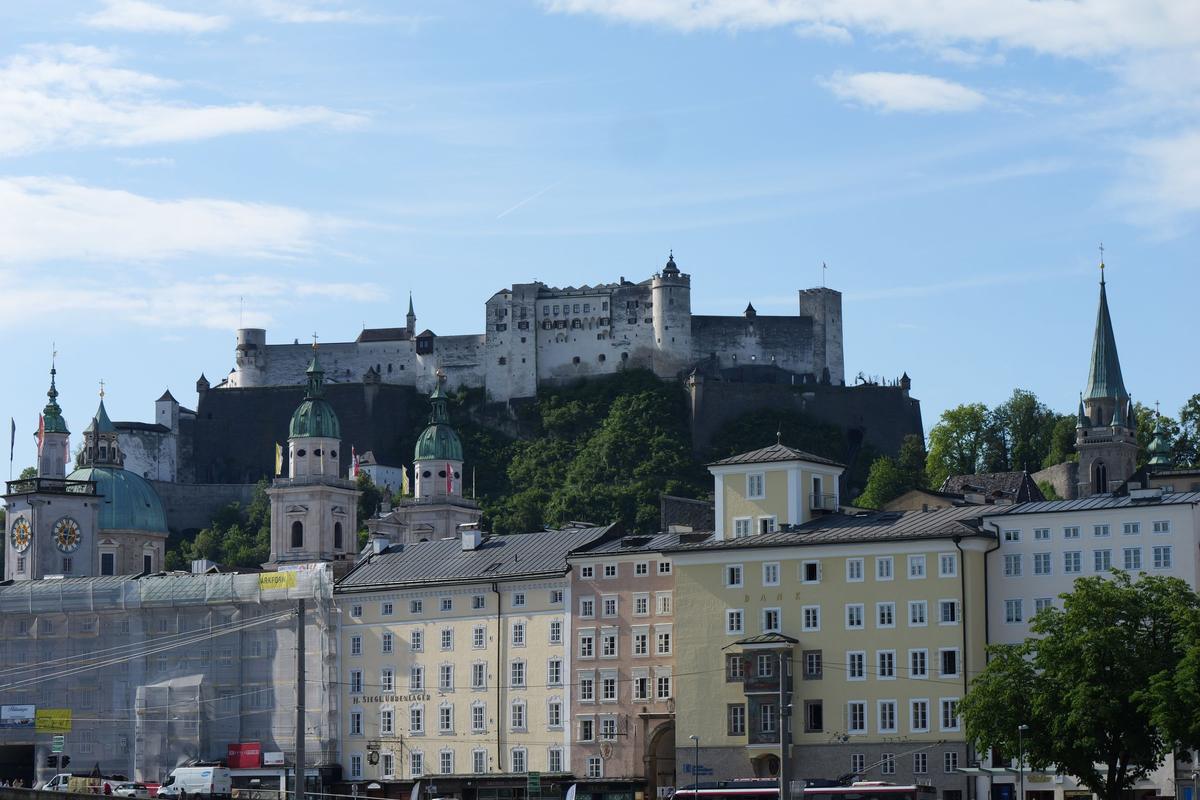
Salzburg's Christkindlmarkt fills Domplatz and Residenzplatz from 19 November 2026 to 1 January 2027, and traces its roots to a 15th-century market on the same spot. Hours are 10am to 8.30pm Monday to Thursday, 10am to 9pm Friday, 9am to 9pm Saturday and 9am to 8.30pm Sunday, with 9am to 3pm on 24 December and 11am to 6pm on 25 and 26 December. Try Glühmost, a hot spiced cider. Time your visit for Saturday 5 December, when the Krampus run is due on Domplatz at about 7pm (the organiser calls the time provisional, so check nearer the date).
Prague: the big-square spectacle
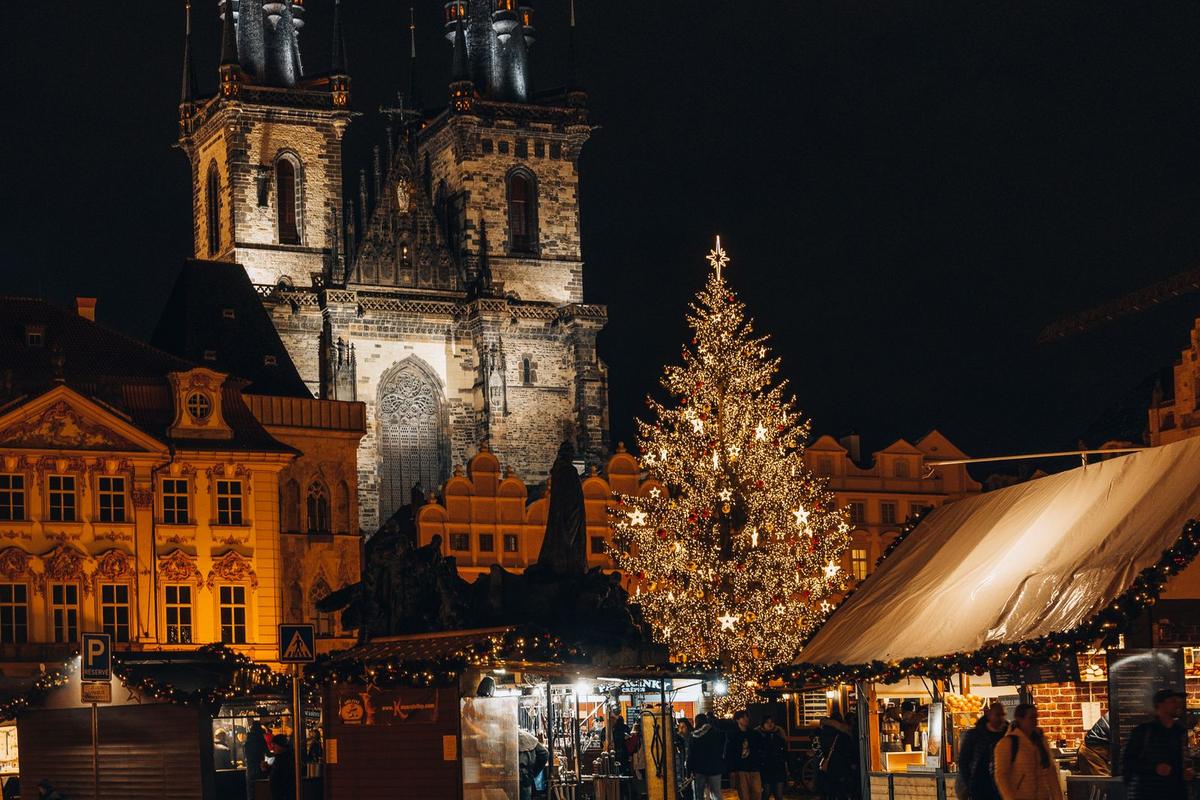
Prague's two main markets, on Old Town Square and Wenceslas Square, run from 28 November 2026 to 6 January 2027, 10am to 10pm. The Old Town Square tree is picked each year from trees offered by owners around the country. Eat Prague ham roasted on the spit and wash it down with mead. Crowd tip: the neighbourhood market on Peace Square (náměstí Míru) in Vinohrady opens on 20 November, more than a week before the centre, and closes on 24 December.
Budapest: two markets, one award habit
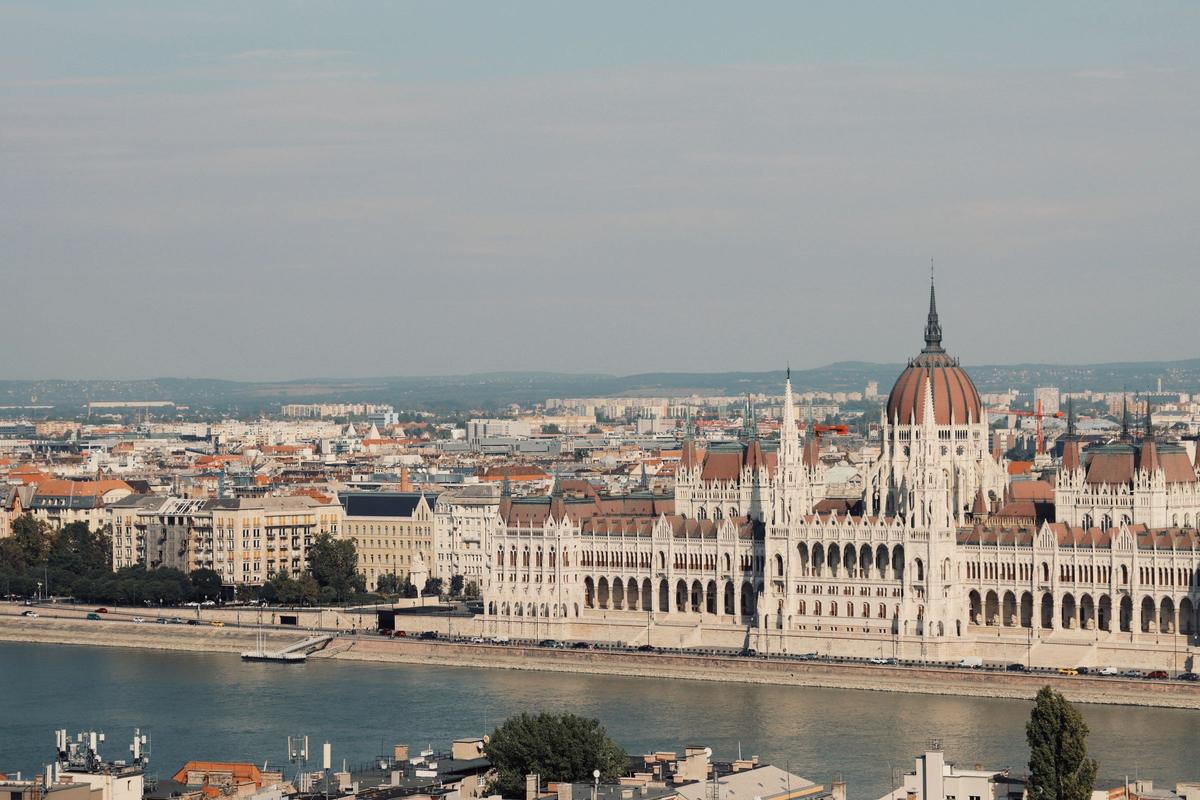
Budapest's Vörösmarty Square market opens on 13 November 2026 and runs into the early hours of New Year's Day, though its craft stalls close on 28 December; on 24 December it is open 10am to 2pm. The Advent Bazilika market on Szent István Square runs from 13 November 2026 to 1 January 2027 and says it has been voted Europe's most beautiful Christmas market for the fourth time in a row. Eat töltött káposzta, stuffed cabbage, but it is not cheap: the undated menu on the Vörösmarty organiser's site lists it at 4,900 forints, about 13 euros, and 2026 prices may be higher.
Copenhagen: Tivoli after dark
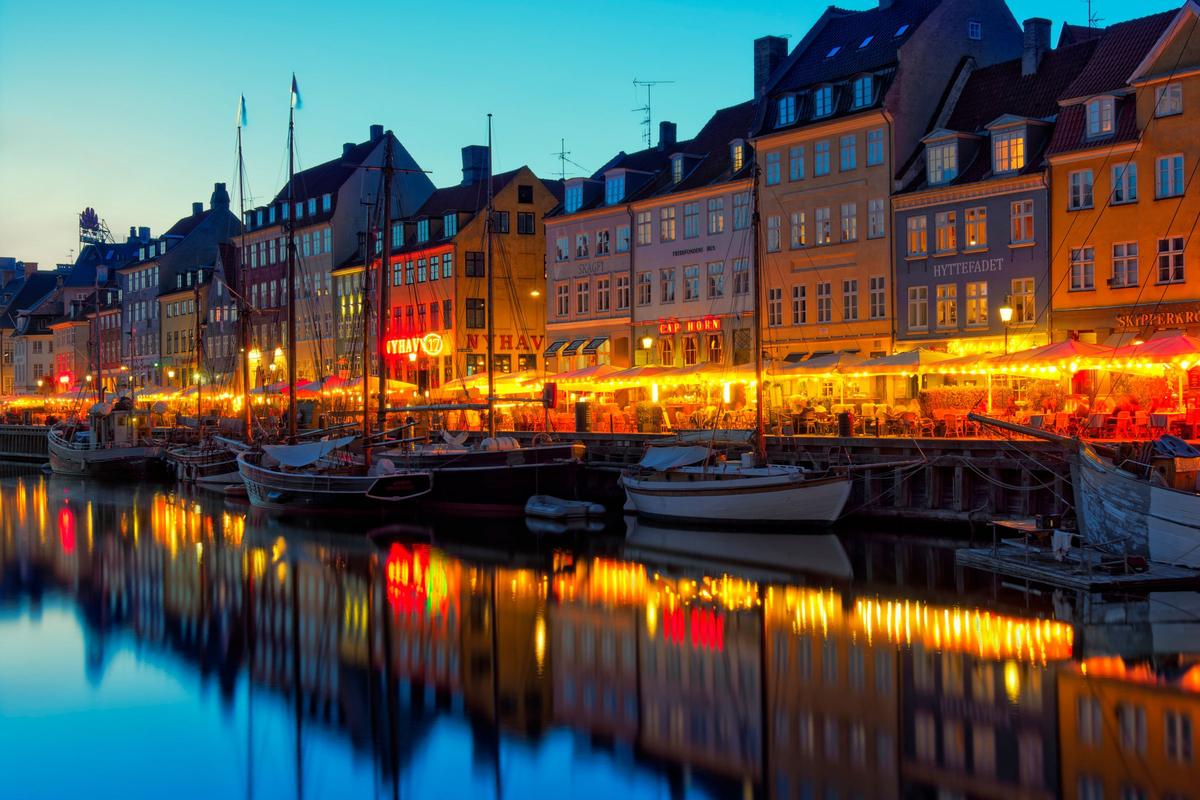
Christmas in Tivoli runs from 13 November 2026 to 3 January 2027. Unlike the open squares on this list, it sits inside the amusement park, so you need an entrance ticket. Get a roast pork sandwich from the Christmas stalls and stay until the lights come on. Tivoli is closed on Christmas Eve, 24 December, then opens 11am to 11pm on 25 and 26 December, according to the opening hours calendar on Tivoli's site.
Tallinn: the medieval-square pick
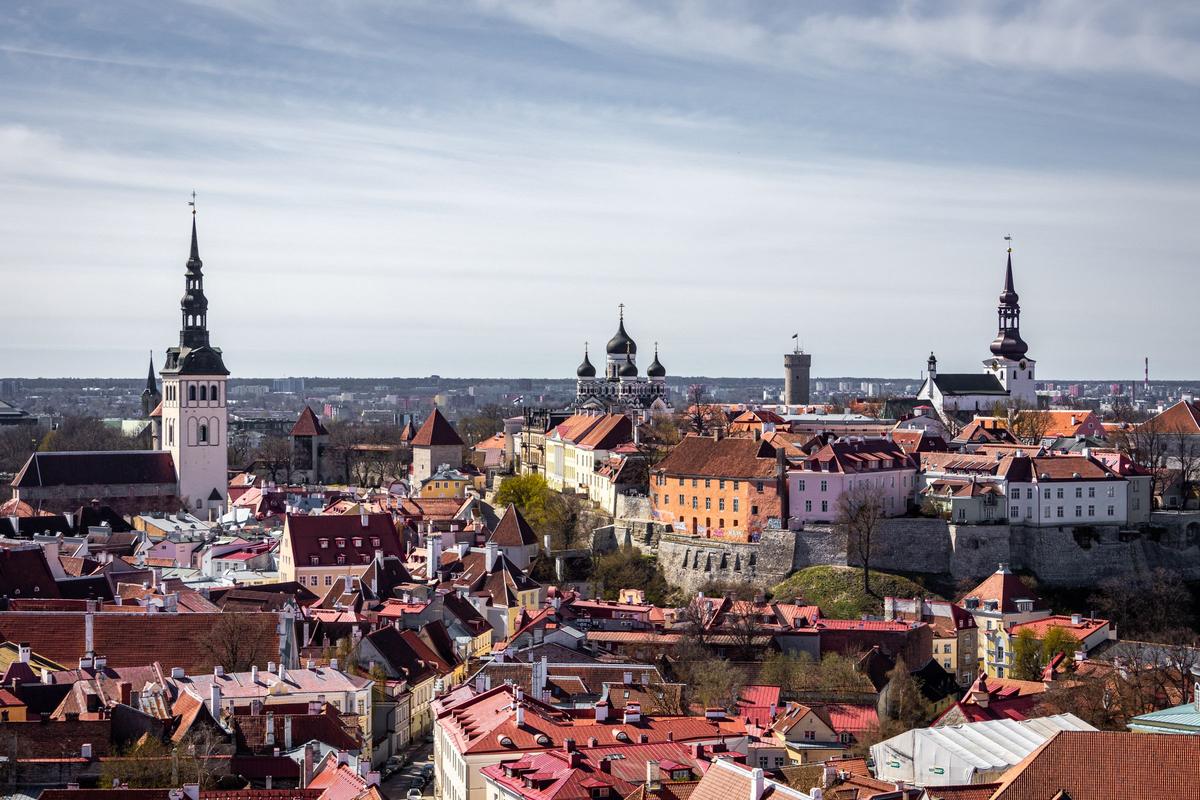
Tallinn's market on Town Hall Square runs from 20 November 2026 to 6 January 2027. Tallinn says Europe's first public Christmas tree went up on this square in 1441, put there by the Brotherhood of Black Heads, a merchants' guild. Eat blood sausage with sauerkraut, the Estonian Christmas classic, followed by mulled wine and Estonian gingerbread. Running to 6 January, it is one of the markets you can still catch after New Year.
Zagreb: the latest finish
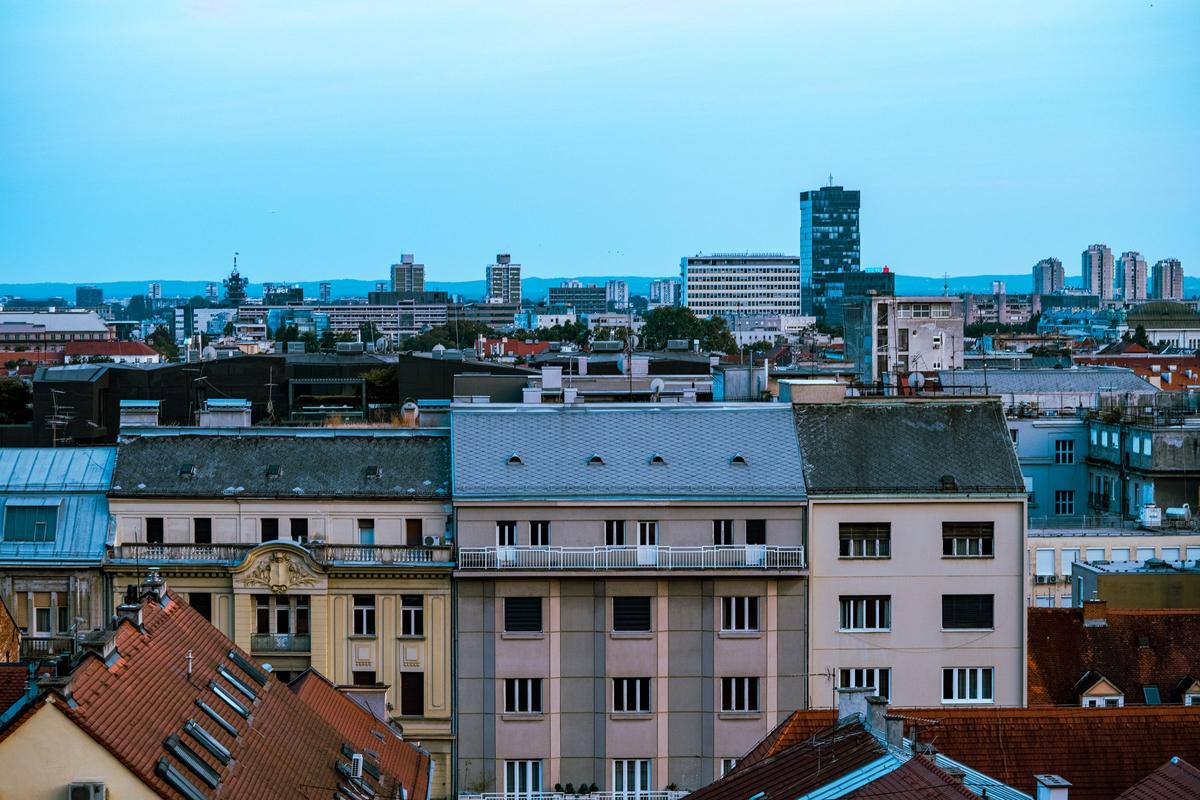
Zagreb's Advent runs from 28 November 2026 to 7 January 2027, the latest closing date on this list, and its official site still displays the best Christmas market awards it won in 2016, 2017 and 2018. Try paprenjaci, peppery honey biscuits that have become one of Zagreb's best-known souvenirs, with a cup of mulled wine. Daily opening hours for 2026 had not been published by late October, so check Advent Zagreb nearer the time.
Still open after Christmas
If your only free days fall between Christmas and New Year, the markets that keep going in 2026 are Vienna's Rathausplatz (to 26 December), Colmar (to 29 December, with the gourmet market to 3 January), Salzburg and Budapest's Advent Bazilika (to 1 January), Copenhagen's Tivoli (to 3 January), Prague, Tallinn and Vienna's Schönbrunn (to 6 January) and Zagreb (to 7 January). Bruges is another option: its two markets run from 20 November 2026 to 3 January 2027.
Rail pairing: Strasbourg, Colmar and Basel
This is the easiest market weekend in Europe. Direct trains from Strasbourg to Colmar take about 30 minutes and leave several times an hour in the morning, Basel to Colmar takes 43 minutes, and Basel to Strasbourg 1 hour 18 minutes. All three are open together from 27 November to 23 December 2026. Stay in Colmar, do Strasbourg on a weekday morning, and give Basel an afternoon and evening.
Rail pairing: Vienna with Salzburg, Bratislava or Budapest
The fastest direct trains from Vienna to Salzburg take about 2 hours 25 minutes, Vienna to Bratislava about 56 minutes, and Vienna to Budapest about 2 hours 55 minutes to 3 hours 10 minutes. From Salzburg, Munich is about 1 hour 45 minutes away if you want to end the trip in Germany. Vienna and Salzburg's main markets overlap from 19 November to 26 December, so a loop works on almost any December dates.
Rail pairing: Prague with Dresden, Nuremberg with Munich
The direct train between Prague and Dresden usually takes about 2 hours 20 minutes, though on a few dates, including 30 November and 1 December 2026, the timetable shows a bus leg that adds about half an hour, and the two cities' main markets overlap from 28 November to 24 December. Nuremberg to Munich is normally about 1 hour 5 minutes to 1 hour 15 minutes by ICE, but the timetable for late November and early December 2026 shows direct trains taking 1 hour 40 to 1 hour 50 minutes, with faster times due back when the new timetable starts on 13 December. Check Deutsche Bahn for your exact date before committing.
How to beat the crowds
Go early in the week and early in the day. Strasbourg's organisers say Wednesday afternoons, Friday evenings and weekends are the busiest times. Arrive at opening time, eat lunch at the market and leave as the after-work crowd arrives. Treat opening nights as a show, not a shopping trip. And use the satellite markets, such as Vienna's Spittelberg and Prague's Peace Square, rather than only the headline squares.
Money: deposits, mulled wine and cash
Hot drinks usually come in a reusable mug or cup with a deposit you get back when you return it. Strasbourg charges 1 euro; Hamburg's Winterdeck market charges 3 euros in 2026. A cup of classic red Glühwein averages 4.60 euros across 59 German cities in a November 2026 price comparison by Coupons.de, up from 4.54 euros in 2025, and around 5 euros is common in many places, with some smaller markets and stalls still charging 4 to 4.50 euros. Strasbourg says nearly all stalls take cards, often contactless, but carry some cash for small stalls and busy ATMs. The budget planner shows which destinations fit your dates and total budget, with stay and spending estimates.
Safety in crowds
Packed lanes and food queues are where pickpockets work. Keep your phone and wallet in a front or zipped inside pocket, wear a cross-body bag in front of you, and take extra care when someone bumps into you. Strasbourg has no luggage storage inside the market, so leave big bags at the station's self-service lockers. In a group, agree a meeting point, and remember that 112 reaches emergency services free of charge anywhere in the EU. More in our solo travel safety tips.
When to book
If you can only travel at a weekend, book beds now: the four Advent weekends, starting 28 to 29 November 2026, are when the big markets are busiest. A Sunday to Wednesday trip gets you calmer markets. Late planners should remember that Strasbourg, Nuremberg and Dresden close on 24 December and Cologne and Basel on 23 December. Book trains as soon as your dates are firm, and recheck times a week before you go.
Plan it with Joy Plus
Pick two or three markets open on the same dates and Joy Plus builds the trip around them: a day-by-day itinerary with timed stops, the train between cities, a budget, a packing list for cold evenings, and a Safety tab with emergency numbers and common scams. Download it as a PDF so it works offline in the crowds. Start planning your trip
Frequently asked questions
When do Christmas markets open in 2026?
Most of Europe's big Christmas markets open between mid and late November 2026. Vienna's Rathausplatz market opened on 13 November, Cologne's cathedral market opens on 16 November, Salzburg on 19 November, Colmar on 23 November, Dresden on 25 November, Basel on 26 November, Strasbourg and Nuremberg on 27 November, and Prague's Old Town Square on 28 November. The first Sunday of Advent is 29 November 2026, so by that weekend almost every major market is open.
Are Christmas markets open on Christmas Day?
Most German, French and Swiss markets are not. Strasbourg, Nuremberg and Dresden close for good on 24 December 2026, and Cologne's cathedral market and Basel close on 23 December. You can still visit on 25 December in Colmar (10am to 8pm), Salzburg (11am to 6pm), Vienna's Rathausplatz (open until 26 December), Budapest's Vörösmarty Square (noon to 6pm) and Copenhagen's Tivoli (11am to 11pm). Prague, Tallinn and Zagreb run into January, but check their Christmas Day hours before you go.
What is the best Christmas market in Europe?
There is no single winner, but for a first trip Strasbourg and Colmar are hard to beat: two classic Alsace markets 30 minutes apart by train. Nuremberg and Dresden are the most traditional German markets, Vienna has the longest season thanks to Schönbrunn (6 November to 6 January), and Prague has the most dramatic square. For better value and fewer coach groups, look at Tallinn, which runs to 6 January 2027, and Zagreb, which runs to 7 January 2027.
How much does mulled wine cost at Christmas markets in 2026?
In Germany, a cup of classic red Glühwein averages 4.60 euros across 59 cities in a November 2026 price comparison by Coupons.de, up from 4.54 euros in 2025. For 2026, around 5 euros a cup is the realistic expectation at many markets, while some smaller markets and stalls still charge 4 to 4.50 euros. On top of that you pay a refundable deposit: 1 euro in Strasbourg, and 3 euros at Hamburg's Winterdeck market. Prices are set stall by stall, so check the board before ordering.
How do mug deposits work at Christmas markets?
When you buy a hot drink, the price includes a deposit for the mug or cup. Hand it back at a drinks stall and you get the deposit refunded, or keep it as a souvenir and lose the deposit. In Strasbourg in 2026 the deposit is 1 euro and any stall selling drinks will refund it, or you can donate it at charity collection points. Deposits vary: Hamburg's Winterdeck market charges 3 euros in 2026.
When is the least crowded time to visit a Christmas market?
Weekday mornings, especially Monday and Tuesday. Strasbourg's organisers say Mondays, Tuesdays and mornings are the quietest times, and that Wednesday afternoons, Friday evenings and weekends are the busiest. Arrive at opening time, usually 10am or 11am, and the first hour or two is much calmer than the evening. Avoid opening nights and the four Advent weekends if you want space to shop.
Can you visit two Christmas markets in one weekend by train?
Yes, easily. Strasbourg to Colmar takes about 30 minutes by direct train, Vienna to Bratislava about 56 minutes, Vienna to Salzburg about 2 hours 25 minutes, and Prague to Dresden about 2 hours 20 minutes on the direct train, a little longer on a few dates with a bus leg. Nuremberg to Munich is usually about 1 hour 5 minutes by ICE, but in late November and early December 2026 the timetable shows direct trains taking 1 hour 40 to 1 hour 50 minutes.