Destinations / Asia
Surabaya, Indonesia travel guide
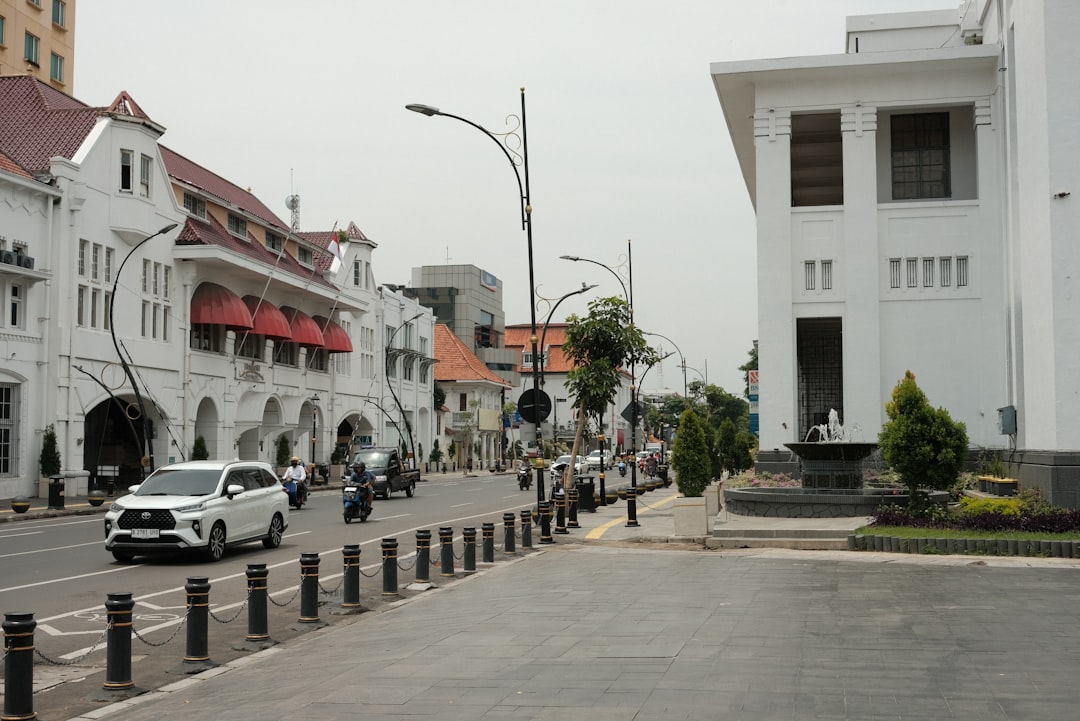
Indonesia's gritty second city: colonial Java, the best street food on the island and the launchpad for Mount Bromo and Ijen.
- Best time to visit: May-September
- Daily budget (budget traveller): $30 to $70 USD
- Ideal trip length: 2 to 3 days
Surabaya doesn't court tourists, and that's the point. Java's second city is a working port town of Dutch warehouses, Arab quarters, Chinese temples and revolution monuments, with a food scene that locals swear beats Jakarta's. Most travellers pass through on their way to Mount Bromo and the blue fire of Ijen; give it 48 hours and it repays you. Joy Plus builds the city days and the volcano runs into one plan.
Surabaya is the city most people use as a runway, and that is a mistake worth correcting. About three million people live in this Dutch-built port on the Kali Mas river. It is hot, loud and unselfconscious, with no beach, no yoga and almost no souvenir shops. What it has is Java's best-preserved colonial quarter (Kota Lama), a Chinatown of 18th-century temples, the Arab district around the Sunan Ampel mosque, and the story of 10 November 1945, when local fighters held off British-led troops and earned Surabaya the title Kota Pahlawan, the Heroes' City. Locals greet each other as Cak (men) and Ning (women), and they will do the same to you.
The food is the real reason to stay 48 hours. East Javanese cooking is saltier, funkier and more petis-driven than Central Java's sweet gudeg. A black bowl of rawon at midnight, rujak cingur dressed in shrimp paste, and sate klopo from a coal grill on Jl. Walikota Mustajab will each cost you under Rp 50,000. The city is spread out and humid (28-34°C all year), so work in two shifts. Do heritage walks from 7am to 10am, hide in a mall like Tunjungan Plaza from noon to 4pm, then eat and wander after dark. Use Gojek bikes for almost everything, because a Rp 15,000 ride beats a 40-minute traffic crawl in a car.
Then there are the volcanoes. Mount Bromo sunrise is a 3am jeep ride to the Penanjakan viewpoint. Kawah Ijen's blue fire is a hike from the 2am gate opening, with a gas mask and a health certificate issued within three days, 6 to 7 hours further east near Banyuwangi. Done in order (Surabaya, Bromo, Banyuwangi, Ijen, then ferry to Bali or train back), the loop takes three days and two short nights. Done in the wrong order, it takes four and costs you a sunrise. In 2026, check the Bromo and Ijen status with your operator before you pay, because both craters close without much warning when activity rises. Ijen also closes on the first Friday of each month. Wildfires shut it from 4 to 28 September 2026, and it is open again. Also note that Ramadan runs from about 8 February to 9 March in 2027, with Eid right after.
How many days in Surabaya?
For Surabaya, we recommend 2 to 3 days. With more time, add a day trip to Trowulan or Malang.
| Trip length | What you'll see | Itinerary |
|---|---|---|
| 2 days · Recommended | Tunjungan after dark; Kota Lama, Sampoerna and Chinatown | Surabaya in 2 days |
| 3 days · Recommended | Adds: Ampel, Peneleh and the Heroes | Surabaya in 3 days |
| 4 days | Adds: Submarine, ice cream, then Bromo | Surabaya in 4 days |
| 5 days | Tunjungan after dark; Kota Lama, Sampoerna and Chinatown; Submarine, ice cream, then Bromo; Bromo sunrise, drive to Banyuwangi; Kawah Ijen blue fire | Surabaya in 5 days |
| 7 days | Adds: Ampel, Peneleh and the Heroes; Exit: Bali or back to Surabaya | Surabaya in 7 days |
Surabaya itinerary
Land, settle, Tunjungan after dark
Morning: Land at Juanda (SUB). Book a Grab or Gojek car from the airport pickup zone, Rp 150,000-250,000 including tolls, 45 min to the centre. Drop bags and sleep off the flight.
Afternoon: Walk Jl. Tunjungan to Hotel Majapahit and step into the lobby where the Dutch flag was torn in 1945. Take tea there, then escape the heat in Tunjungan Plaza.
Evening: Tunjungan Romansa lit up at dusk, then rawon at Rawon Setan on Jl. Embong Malang, which keeps serving late into the night.
Kota Lama, Sampoerna and Chinatown
Morning: Gojek to House of Sampoerna for the 9am opening (free). Watch the clove-cigarette rollers from the viewing gallery on weekdays. Coffee at Café Sampoerna.
Afternoon: Walk to Jembatan Merah and the old Internatio building, then lunch of lontong balap at Pasar Atom. Wander Jl. Kembang Jepun to Hong Tik Hian temple (1753).
Evening: Kya-Kya night market on Kembang Jepun (check it is running, it has opened mainly on weekend evenings). Snack your way through dinner, then Pasar Pabean for spices if it is still open.
Ampel, Peneleh and the Heroes
Morning: At 6:30am, Sunan Ampel mosque, then the covered lane on Jl. KH Mas Mansyur for dates, perfume oils and prayer caps. Walk to Peneleh: Rumah HOS Tjokroaminoto, where Sukarno boarded as a student, and the old Dutch cemetery.
Afternoon: Tugu Pahlawan and the underground Museum Sepuluh Nopember (about Rp 10,000, air-conditioned). Allow two hours, the 1945 story is told well.
Evening: Gojek to Suramadu Bridge for sunset over the Madura Strait. Then sate klopo at Sate Klopo Ondomohen on Jl. Walikota Mustajab.
Submarine, ice cream, then Bromo
Morning: Monumen Kapal Selam (Monkasel) on Jl. Pemuda, about Rp 15,000, to crawl through the real Soviet-built submarine KRI Pasopati. Cool down at Zangrandi Ice Cream, a parlour since the 1930s.
Afternoon: Leave by 1pm for Cemoro Lawang (about 4 hours by car or tour). Or take a train from Gubeng to Probolinggo and a shared minibus up.
Evening: Dinner at your homestay, in bed by 8pm. The 3am alarm is not optional. Pack your warmest layers.
Bromo sunrise, drive to Banyuwangi
Morning: At 3am, jeep to the Penanjakan viewpoint for sunrise (about Rp 600,000-700,000 per jeep, shared by up to 6). Then cross the sea of sand and climb the 250 steps to Bromo's crater rim. Back for breakfast by 8:30am.
Afternoon: Long drive east to Banyuwangi, 6 to 7 hours via Probolinggo and Situbondo. Sleep in the car.
Evening: Light dinner of sego tempong (rice with fiery sambal), a Banyuwangi classic. In bed by 7pm.
Kawah Ijen blue fire
Morning: Pickup in time for the 2am gate opening at Paltuding, and carry a health certificate issued within three days. Hike about 1.5 to 2 hours up, then descend into the crater for the blue flames (around 3:30 to 5am). Wear a gas mask. The crater is shut on the first Friday of each month. Watch dawn light the turquoise lake, and be down by 9am.
Afternoon: Sleep. You've earned it. Entry is roughly Rp 150,000-225,000, mask rental Rp 30,000-50,000 if your tour doesn't supply one.
Evening: Sunset at Pantai Boom, then a slow Banyuwangi dinner.
Exit: Bali or back to Surabaya
Morning: Option A: Banyuwangi Baru to the Ketapang port, ferry to Gilimanuk, Bali, about 1 hour, roughly Rp 8,000-10,000 on foot. Option B: train to Gubeng, 6 to 7 hours.
Afternoon: On the train, stock up with nasi pecel and sweet tea. Ferry arrivals reach Gilimanuk by lunchtime.
Evening: Fly out of Juanda, or settle in Bali. Last rawon in Surabaya if you hit the city before your flight.
Best neighbourhoods
- Kota Lama (Old Town): Dutch-era warehouses, the Jembatan Merah bridge and the restored colonial quarter.
- Arab Quarter (Ampel): The Sunan Ampel mosque complex, dates and perfume stalls, and Java's oldest Muslim district.
- Chinatown (Kembang Jepun): Kya-Kya night market, incense-heavy temples and old trading houses.
- Tunjungan: The modern spine of malls, the historic Hotel Majapahit and the city's shopping heart.
- Gubeng: Leafy residential streets, cafés and the main train station for Bromo connections.
Must-do experiences
- Mount Bromo sunrise: Four hours away: the Penanjakan viewpoint over a sea of sand and a smoking caldera.
- Kawah Ijen blue fire: An overnight hike to the sulphur crater where burning gas glows electric blue before dawn. The gate opens at 2am; wildfires closed the crater for most of September 2026 and it reopened on the 28th.
- Submarine Monument (Monkasel): A real Soviet-built submarine beached in the city centre, open to walk through.
- House of Sampoerna: A colonial clove-cigarette factory turned museum, with hand-rolling still on view on weekdays.
Hidden gems
- Pasar Atom for kitchenware chaos and the best lontong balap in town.
- The Hotel Majapahit, on whose tower the Dutch flag was torn in 1945, an episode that sparked the Battle of Surabaya.
- Cheng Hoo Mosque: a Chinese-style mosque built like a temple.
- Sunset at Suramadu bridge, the longest in Indonesia, crossing to Madura island.
Daily budget
- Accommodation: budget Rp 120,000-250,000 / night (dorm, capsule or basic hotel), mid-range Rp 600,000-1,000,000 (heritage or 4-star chain double), splurge Rp 1,800,000+ (Hotel Majapahit MGallery, JW Marriott). Gubeng is the best-value base. Hotel prices marked '++' add roughly 21% for service and tax, so compare final totals.
- Food: budget Rp 80,000-150,000 / day (warungs and street stalls), mid-range Rp 250,000-450,000 (café meals plus one sit-down dinner), splurge Rp 700,000+ (hotel dinner at Majapahit or JW Marriott). A bowl of rawon is Rp 30,000-50,000, ten sticks of sate klopo around Rp 35,000, rujak cingur Rp 20,000-30,000.
- Transport: budget Rp 40,000-80,000 / day (Gojek bike, Suroboyo Bus), mid-range Rp 100,000-200,000 (Grab or Gojek car, plus airport run), splurge Rp 800,000-1,000,000 (car with driver for 10 hours). Gojek bike hops run Rp 10,000-25,000. Suroboyo Bus accepts plastic bottles or a small cash fare.
- Activities: budget Rp 25,000-80,000 / day (Sampoerna is free, Monkasel about Rp 15,000), mid-range Rp 150,000-400,000 (Bromo park fee, shared jeep, museums), splurge Rp 2,000,000+ (private Bromo and Ijen, 3 days 2 nights). Shared 3D2N Bromo to Ijen tours run about Rp 1.4-2.2 million per person. Bromo park fee is roughly Rp 250,000 weekdays, more on weekends.
- Drinks & nightlife: budget Rp 15,000-30,000 (es teh, kopi tubruk), mid-range Rp 100,000-250,000 (café crawl, a couple of Bintang), splurge Rp 500,000+ (hotel rooftop and cocktails). Alcohol is expensive and sparse: Bintang is Rp 50,000-90,000 in hotel bars. Surabaya's night is coffee and street food until 1am or 2am.
Where to stay
- Social hostel in Gubeng (Rp 120,000-250,000 / night): The hostel scene is thin, so look at dorm and capsule places around Gubeng station, such as Wonderloft Hostel, and read recent reviews. You are next to the Probolinggo and Malang trains and have easy Grab access.
- Boutique hotel in Genteng / Tunjungan (Rp 650,000-1,100,000 / night): Hotel Tunjungan, a heritage building from 1911, or Swiss-Belhotel Tunjungan. Central, walkable to Tunjungan Romansa and Rawon Setan.
- Apartment in Dharmahusada / Gubeng (Rp 450,000-800,000 / night): Furnished apartments in towers like Grand Dharmahusada Lagoon, with kitchenettes and laundry. Best value for a 5+ night stay and a short ride to Depot Bu Rudy.
- Splurge in Jl. Tunjungan (Rp 1,800,000-3,500,000 / night): Hotel Majapahit (MGallery), the 1910 colonial icon with a lobby that is part of the revolution story. Or JW Marriott for modern luxury with a pool.
What to eat
- Rawon: black beef soup darkened with keluak nut, Surabaya's signature
- Rujak cingur: fruit and vegetable salad with cow's snout and petis shrimp paste
- Lontong balap: rice cakes, bean sprouts and fried tofu in savoury broth
- Sate klopo: coconut-coated satay grilled over coals on Walikota Mustajab street
Day trips
- Mount Bromo (4 hours by road (overnight)): Sunrise from Penanjakan viewpoint, the sea of sand and the smoking caldera. Realistically an overnight, not a day trip, with a 3am start from Cemoro Lawang. Shared tour from Surabaya, or train from Gubeng to Probolinggo (Rp 60,000+), then a minibus to Cemoro Lawang (about Rp 40,000-50,000). Jeep for sunrise is Rp 600,000-700,000 per jeep.
- Trowulan (1.5 to 2 hours by car): Ruins of Majapahit, the Javanese empire's capital. Candi Tikus (the bathing pool), Bajang Ratu gate and the Trowulan museum make a quiet, atmospheric half day. Bus from Purabaya to Mojokerto (Rp 15,000-20,000), then Gojek or a rented motorbike. A car with driver is Rp 700,000-900,000 for the day.
- Malang (2 to 2.5 hours by train): Cooler highland city with Dutch avenues and the painted houses of Kampung Warna-Warni Jodipan. Try ice cream at Toko Oen, a 1930 parlour. Train from Gubeng to Malang Kota Baru, roughly Rp 50,000-100,000 depending on class.
When to visit
- Dry season (May - August): 24-33°C in the city, lowest humidity of the year; Bromo rim 2-8°C at 4am, close to 0°C in July and August. Crowds: Peak at Bromo during school holidays from late June to mid July; the city itself stays quiet. The sweet spot. Clear Bromo sunrises, firm Ijen paths. Book jeeps and Cemoro Lawang rooms a week ahead in July.
- Late dry season (September - October): 27-35°C, hottest and dustiest stretch, hazy afternoons. Crowds: Moderate, thinning after the holidays. Still reliable for both volcanoes, but Surabaya feels like an oven. Sightsee before 10am and after 4pm, and pack a neck fan.
- Early wet season (November - December): 26-33°C, afternoon downpours most days, cloud on the volcano tops. Crowds: Low, with a small bump around Christmas and New Year. A gamble. Mornings are often clear, so Bromo sunrise works roughly half the time. Hotels drop 20 to 30%. 10 November (Heroes' Day) is the city's biggest ceremony, great for history fans.
- Peak wet season (January - April): 25-32°C, heavy rain, flooded streets in low districts, humidity near 85%. Crowds: Lowest, except the Eid travel crush (Eid is about 10 March in 2027). Skip the volcanoes (Bromo is often socked in, Ijen can close). The city still works for museums, malls and food. During Ramadan, restaurants reopen around 5pm, and trains and buses sell out a week before Eid.
Entry rules for your passport
Visa rules for Indonesia depend on the passport you travel on. Check the official source before you book: Indonesia Directorate General of Immigration
Getting there
Juanda International Airport (SUB) is 20km south of the centre in Sidoarjo, with direct flights from Singapore, Kuala Lumpur and Hong Kong, and about 1.5 hours from Jakarta or 1 hour from Bali. A Grab or Gojek car from the airport pickup zone is Rp 150,000-250,000 including tolls, 45 to 60 minutes. A metered Bluebird taxi costs about the same. DAMRI airport buses to Purabaya terminal run about Rp 30,000. Visa on arrival is Rp 500,000 for 30 days, or buy the e-VOA online first and fill in the arrival card before landing. By train from Jakarta (Gambir to Pasar Turi) it is 8 to 9 hours, around Rp 500,000-700,000 in executive. Gubeng, Pasar Turi and Surabaya Kota are the three stations. Gubeng serves Malang (2 to 2.5 hours), Probolinggo (1.5 to 2 hours, for Bromo) and Banyuwangi (6 to 7 hours, for Ijen).
Getting around
Juanda International Airport is 20km south; Grab and Gojek reach the centre in 30 to 45 minutes for a few dollars. In the city, Gojek motorbikes are the fastest way through traffic, and the Suroboyo Bus is cheap and air-conditioned. Trains from Gubeng and Pasar Turi reach Yogyakarta in 4 to 5 hours and Malang in 2. For Bromo and Ijen, most people book a jeep tour or private driver from the city.
Safety
Surabaya is safe and low-crime; the main hazards are traffic and heat. Cross roads with locals, not alone. For Ijen, a proper gas mask is essential (tour operators supply them), and altitude plus sulphur means the hike is not for weak lungs: you must show a health certificate issued within the last three days, and the crater closes on the first Friday of each month. Dress modestly in the Arab quarter and mosques. Drink bottled water and be careful with ice at the smallest stalls.
Solo travel tips
- Gojek first, always: Download Gojek and Grab before you land. Bike rides cost Rp 10,000-25,000 and cut through jams. Insist on the helmet, and use GoFood if the street stall looks too chaotic.
- Work in two shifts: Walk Kota Lama and Ampel from 6:30am to 10am, then hide in a mall (Tunjungan Plaza, Grand City) until 4pm. Dinner starts after 6pm and runs late.
- Join a shared Bromo jeep: Book through your hotel or a Gubeng agency: you split the jeep cost and meet other solos at Cemoro Lawang. Ijen is also much cheaper in a group, and a guide is smart if you travel alone.
- Say 'Cak' and 'Ning': Cak (male) and Ning (female) are Surabaya's friendly honorifics. Use them with stall owners and drivers and conversations start fast. English is thin, so learn terima kasih, berapa, and pedas.
- Solo female travellers: Surabaya is calm and low-crime for women alone. Dress modestly (covered shoulders and knees), use Grab or Gojek with the share-trip feature, and wear a scarf for mosque visits. Skip dark port streets after 10pm.
- Find locals through history: Begandring Soerabaia runs community history walks through Kota Lama and Peneleh, and guides are happy to chat. It's the easiest route to a local friend.
Cultural etiquette
- Remove shoes at mosques and many homes, and dress modestly (covered shoulders and knees). Women are usually lent a scarf or sarong at Sunan Ampel.
- Use your right hand for giving, receiving and eating. Don't point with your finger or your foot, and don't touch people's heads.
- Friday midday is prayer time. Shops close briefly and mosque surroundings get busy, so plan around it.
- During Ramadan, avoid eating or drinking openly in daytime in Muslim neighbourhoods. Stalls reopen near sunset for buka puasa and the city comes alive.
- Haggle gently at Pasar Atom and Pasar Pabean, smile, and aim for about 70% of the first price. Don't haggle in warungs or malls.
- Greet locals as Cak or Ning and say terima kasih. A few words of Bahasa Indonesia open doors, since English is limited.
- Be respectful at the Heroes monuments and museums. 10 November is a deeply felt national day, and the revolution is no joke here.
Frequently asked questions
Is Surabaya worth visiting?
Yes, if you like real cities over resort towns. Surabaya offers colonial architecture in Kota Lama, the atmospheric Arab and Chinese quarters, powerful revolution history and arguably East Java's best food, all with barely any tourists. It's also the natural base for Mount Bromo and Kawah Ijen.
How many days do you need in Surabaya?
Two days in the city itself covers Kota Lama, the Arab quarter, House of Sampoerna and the food streets. Add two to three more if you're doing Bromo and Ijen, which involve overnight trips and pre-dawn starts. Four to five days total is the comfortable version.
How do you get from Surabaya to Mount Bromo?
It's about four hours by road to Cemoro Lawang, the village on the crater rim. Most travellers book a jeep tour that leaves Surabaya in the afternoon, sleeps near the rim and heads out at 3am for sunrise. You can also train to Probolinggo and arrange local transport from there.
Can you do Bromo and Ijen in one trip?
Yes, and it's the classic East Java loop: Surabaya to Bromo for sunrise, then a long drive east to Banyuwangi for the Ijen blue fire hike at 2am, finishing with a ferry to Bali. Allow three days and two mostly sleepless nights; it's worth it.
When is the best time to visit Surabaya?
May to September is the dry season, with clearer volcano views and passable mountain tracks. October to April brings heavy rain that can obscure Bromo's sunrise and make Ijen slippery. Surabaya itself is hot and humid year-round, typically 28-34°C.
Is Surabaya safe for solo travellers?
Yes. Violent crime is rare and locals are curious and helpful, though English is less common than in Bali. Use Grab or Gojek rather than unmetered taxis, keep valuables out of sight in crowded markets, and take normal care at night in the port areas.
What food is Surabaya famous for?
Rawon, the inky black beef soup, is the city's signature dish and found nowhere better. Also try rujak cingur (a bold salad with cow's snout), lontong balap, and sate klopo, satay coated in grated coconut. East Javanese food is saltier and more petis-heavy than Central Java's sweeter cooking.
Do I need a visa for Indonesia?
Most visitors, including those from EU states, the UK, the US and Australia, need a visa on arrival: IDR 500,000 (about US$30) for 30 days, extendable once, paid at the airport or in advance as an e-VOA on the official site, evisa.imigrasi.go.id. Every arrival must also complete the free All Indonesia arrival card on allindonesia.imigrasi.go.id before landing.
More about Surabaya
- Solo Travel Southeast Asia Itinerary 2026: 2, 3 and 4 Week Overland Routes
- Best Coworking Spaces in Bali 2026: Prices, Areas and Visas
Tours and activities in Surabaya | Surabaya in 2 days | Surabaya in 3 days | Surabaya in 4 days | Surabaya in 5 days | Surabaya in 7 days
Joy Plus home | Destinations | Itineraries | Activities | Flights | Budget planner | Calendar | Map | Blog | Lifetime access