Destinations / Asia
Suzhou, China travel guide
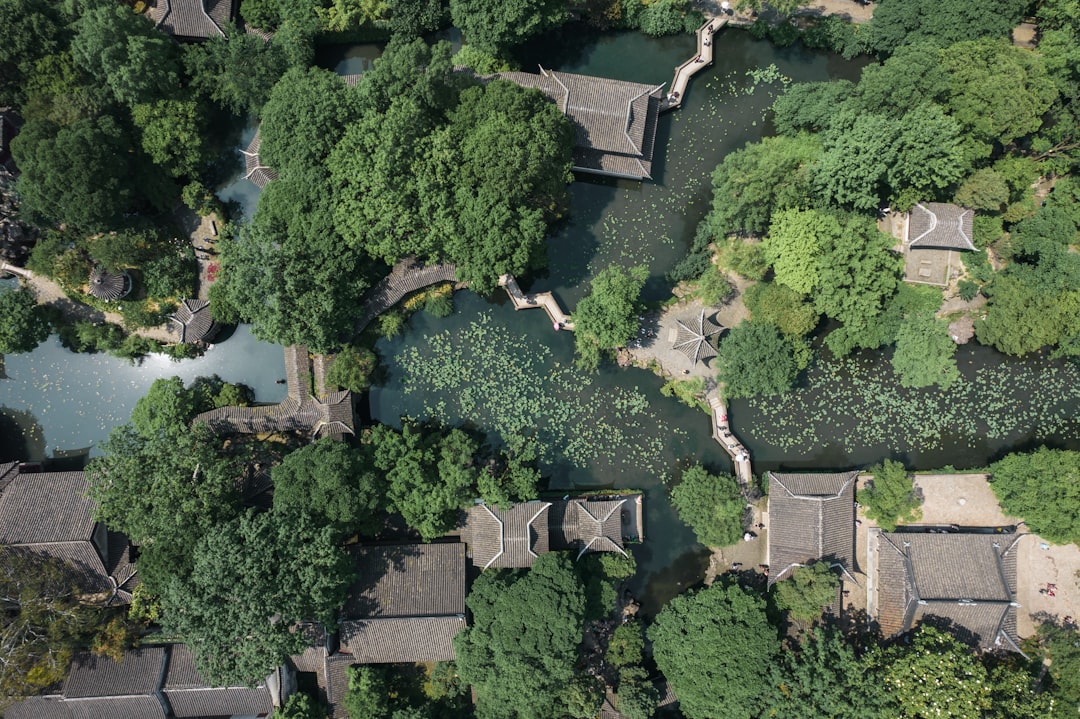
The Venice of the East: UNESCO classical gardens, silk canals and 2,500 years of elegance, 30 minutes from Shanghai.
- Best time to visit: March-May, September-November
- Daily budget (budget traveller): $40 to $90 USD
- Ideal trip length: 1 to 2 days
The Chinese have a saying: 'Above is heaven, below are Suzhou and Hangzhou.' For 2,500 years this canal city has been the byword for refinement, and its classical gardens, nine of them UNESCO-listed, remain the finest expression of Chinese landscape art anywhere. It's the perfect counterpoint to Shanghai's intensity, half an hour away by bullet train. Joy Plus times the gardens and canals so you see them without the tour-bus rush.
Suzhou is the city Shanghai escapes to. Thirty minutes by bullet train from Hongqiao, it has been the byword for refinement since the Song dynasty, when scholars and silk merchants poured their money into private gardens. Nine of those gardens are UNESCO-listed, and they are less about flowers than about composition: a moon gate that frames one branch, a rock that pretends to be a mountain, a window that borrows a pagoda from three streets away. Add whitewashed canal lanes, I.M. Pei's best small building, and a noodle culture that takes broth seriously, and you have the calmest great city in eastern China.
The catch is timing. The Humble Administrator's Garden is silent and misty at 7:30am and a shoulder-to-shoulder selfie parade by 10. Pingjiang Road is lovely at 8am and a snack-stall conveyor belt by noon on a weekend. Garden and museum entries now run on timed reservations, mostly through WeChat mini-programs, and weekends and Chinese holidays sell out. Do Suzhou in the right order (gardens at opening, museums and tea at midday, canals at dusk) and it feels like a different city from the one in the tour-bus photos.
Most people do it as a day trip from Shanghai, and that is fine, but it undersells the place. Sleep one or two nights near Pingjiang Road and you get the garden gates before the day-trippers, the canal lamps after they leave, and a night garden or a pingtan storytelling set in a teahouse. Suzhou is cheap by Chinese big-city standards, easy to navigate with Didi and the metro, and the safest place in this part of China to wander alone with no plan.
How many days in Suzhou?
For Suzhou, we recommend 1 to 2 days. With more time, add a day trip to Luzhi or Zhouzhuang.
| Trip length | What you'll see | Itinerary |
|---|---|---|
| 2 days · Recommended | Pingjiang Road at dusk; Humble Administrator's Garden and Suzhou Museum | Suzhou in 2 days |
| 3 days | Adds: Lingering Garden, Tiger Hill and Shantang Street | Suzhou in 3 days |
| 4 days | Adds: Tongli water town | Suzhou in 4 days |
| 5 days | Adds: Master of the Nets, Panmen and a night garden | Suzhou in 5 days |
| 7 days | Adds: Modern Suzhou at Jinji Lake; Silk museum, Beisita | Suzhou in 7 days |
Suzhou itinerary
Arrive from Shanghai, Pingjiang Road at dusk
Morning: G train from Shanghai Hongqiao to Suzhou (25-30 min, ¥25-40). Metro Line 2 or a ¥15 Didi to your hotel near Pingjiang Road. Drop bags.
Afternoon: Noodles at Zhu Hongxing for lunch, then wander the Guanqian Street side. Pick up osmanthus candy at Cai Zhi Zhai and rice cakes at Huang Tian Yuan.
Evening: Walk Pingjiang Road once the day crowds thin. Teahouse with Biluochun and a pingtan set. Early night, tomorrow starts at 7:30.
Humble Administrator's Garden and Suzhou Museum
Morning: Be at the Humble Administrator's Garden at 7:30am opening (¥90 peak, reserve on the WeChat mini-program). Do the west side first, then the lotus pavilions.
Afternoon: Walk next door to the Suzhou Museum (free, reservation, closed Mondays, opens 9am). Lunch in the museum cafe or nearby, then Lion Grove Garden (¥40) for the rockery maze.
Evening: Dinner at Songhelou on Guanqian Street for squirrel fish, a 1757 institution. Walk it off through the night lights.
Lingering Garden, Tiger Hill and Shantang Street
Morning: Lingering Garden at opening (¥55), the most elaborate design in the city. Then Didi (¥20-25) to Tiger Hill for the leaning Yunyan Pagoda (¥80).
Afternoon: Late lunch near Tiger Hill, then walk Shantang Street back toward the old town, 3.6km of canal lane.
Evening: Dusk on Shantang Street when the lanterns come on. Canal boat ride at sunset, dinner at a canalside restaurant.
Tongli water town
Morning: Metro Line 4 branch to Tongli, around an hour from the old town (or Didi ¥100-130). Tongli's ticket is about ¥100 and covers Tuisi Garden and the three bridges.
Afternoon: Walk the canals, lunch on the water, then hire a rowing boat (about ¥120 per boat) once the morning groups leave.
Evening: Return to Suzhou. Light dinner, a bowl of wonton or noodles. Early night.
Master of the Nets, Panmen and a night garden
Morning: Couple's Retreat Garden (Ou Yuan, ¥20) for a quiet start, then Master of the Nets (¥30) at opening before the groups arrive.
Afternoon: Panmen Scenic Area (about ¥40) for the water-and-land gate and Ruiguang Pagoda. Lunch at Deyuefeng or a local mian guan.
Evening: Master of the Nets night tour in season (about ¥100, check mini-program), with Kunqu and music in the courtyards.
Modern Suzhou at Jinji Lake
Morning: Metro to Jinji Lake in the Suzhou Industrial Park (SIP). Walk the lakeside promenade, look up at the Gate to the East tower.
Afternoon: Li Gong Causeway for lunch and a coffee. Rent a bike (¥15-30 / hour) or walk the lake loop.
Evening: Sunset at the lake, dinner with a skyline view at Suzhou Center. Optional cocktail rooftop.
Silk museum, Beisita, depart
Morning: Suzhou Silk Museum (free, ID required) for the history of Suzhou's silk trade, then the Beisita (Report Temple) Pagoda (about ¥25) for a last view over the roofs.
Afternoon: Last lunch on Pingjiang Road, pick up silk scarves and Biluochun for gifts. Collect bags.
Evening: Metro or Didi to Suzhou station, G train back to Shanghai Hongqiao for your onward flight.
Best neighbourhoods
- Gusu District (Old Town): The walled historic core with the major gardens, canals and pagodas.
- Pingjiang Road area: The best-preserved canal street: whitewashed walls, tea houses and pingtan opera venues.
- Shantang Street: A seven-li historic canal street west of the old town, prettiest at dusk.
- Jinji Lake (SIP): The modern east side: lakeside promenades, the Gate to the East tower and restaurants.
- Tiger Hill area: Northwest district around the leaning Yunyan Pagoda, 'the Pisa of China'.
Must-do experiences
- Humble Administrator's Garden at opening: China's most famous classical garden: lotus ponds, pavilions and borrowed scenery.
- Pingjiang Road canal walk: The old town's loveliest lane, with tea houses and boat rides on the narrow canal.
- Suzhou Museum: I.M. Pei's masterpiece of geometric modernism framing classical courtyards; free, closed on Mondays, book ahead.
- Master of the Nets Garden evening visit: The most perfectly composed small garden, with seasonal night tours and performances.
Hidden gems
- The Couple's Retreat Garden (Ou Yuan), a romantic double garden reached down a quiet canal alley.
- A pingtan (Suzhou storytelling ballad) performance in a Pingjiang Road tea house.
- Panmen Gate: China's only surviving land-and-water city gate, with canals running through the walls.
- Tongli or Luzhi water towns, quieter alternatives to crowded Zhouzhuang.
Daily budget
- Accommodation: budget ¥60-120 / night (hostel dorm), mid-range ¥450-900 (courtyard boutique double), splurge ¥1,500+ (Pan Pacific Suzhou, Garden Hotel). Pingjiang Road and the Guanqian Street side of the old town are the best value. Rates jump 50% on Golden Week and Qingming.
- Food: budget ¥80-130 / day (noodle shops + street snacks), mid-range ¥250-400 (one proper Suzhou dinner), splurge ¥700+ (squirrel fish banquet at Songhelou, crab feast in autumn). A bowl at Zhu Hongxing or a local mian guan is ¥25-45. Squirrel fish at Songhelou runs about ¥200-260 for a whole fish.
- Transport: budget ¥20-30 / day (metro + walking), mid-range ¥50-80 (metro + a few Didi rides), splurge ¥300-500 (private driver to Tongli and Zhouzhuang). Metro fares are ¥2-8 depending on distance. Old-town Didi rides are usually ¥10-20. Pay with Alipay or WeChat QR.
- Activities: budget ¥100-150 / day (one garden + free museum), mid-range ¥250-400 (three gardens, canal boat, pingtan set), splurge ¥800+ (private garden guide, night garden, Tongli with driver). Peak-season tickets: Humble Administrator's ¥90, Lingering ¥55, Lion Grove ¥40, Master of the Nets ¥30, Tiger Hill ¥80. Suzhou Museum is free but reservations are required, and it is closed on Mondays.
- Drinks & nightlife: budget ¥30 (tea or a bottle of local beer), mid-range ¥100-160 (teahouse session + bar on Shiquan Street), splurge ¥400+ (Jinji Lake rooftop cocktails). Suzhou is a tea-and-early-night city. Teahouse sessions with Biluochun run ¥60-100 per person. Bars cluster on Shiquan Street, Pingjiang Road and Li Gong Causeway at Jinji Lake.
Where to stay
- Social hostel in Pingjiang Road / Guanqian Street (¥60-120 / night): Courtyard hostels with a roof terrace and a tea corner, a five-minute walk to the canal and ten to Guanqian's food lanes. Staff will book your garden slots.
- Boutique hotel in Pingjiang Road (¥450-900 / night): Pingjiang Lodge or a similar restored courtyard house: carved screens, quiet canal views, breakfast in a garden. Walking distance to Humble Administrator's and the museum.
- Apartment in Jinji Lake (SIP) (¥350-600 / night): Serviced apartments with a kitchen and washing machine, great for 4+ nights and cheaper than the old town. Metro Line 1 links you to the old town in about 25 minutes.
- Splurge in Old town garden district (¥1,500-3,000 / night): Pan Pacific Suzhou or the Garden Hotel (Nanlin), with their own classical gardens, pools and old-school service, minutes by Didi from the major sights.
What to eat
- Squirrel fish (songshu guiyu), sweet-and-sour mandarin fish sculpted like a squirrel
- Suzhou-style noodles with seasonal toppings at a local mian guan
- Shengjianbao and crab-roe soup dumplings in season (autumn)
- Biluochun green tea, grown on the hills of nearby Lake Tai
Day trips
- Tongli (About 1 hour by metro or bus): A water town with 49 stone bridges, narrow canals and the UNESCO-listed Tuisi Garden. Quieter than Zhouzhuang, especially on weekdays and after 4pm. Metro Line 4 branch from the old town to Tongli, or Didi for ¥100-130. Entry about ¥100.
- Luzhi (About 40 min by Didi): Smaller and sleepier than Tongli, with Baosheng Temple, the oldest stone bridges and almost no tour groups. A good half-day. Didi from the old town, ¥70-90, or bus from Suzhou South Bus Station. Entry about ¥100.
- Zhouzhuang (About 1 hour by bus): The most famous water town in China and the most commercial. Worth it for the canal architecture if you arrive at opening or stay until the evening lights. Direct bus from Suzhou North Bus Station, about ¥20 each way. Entry about ¥100.
When to visit
- Spring (March - May): 12-25°C, soft light, some drizzle in April. Crowds: Heavy on weekends, brutal on Qingming (Apr 4-6) and May 1-5. The classic window. Wisteria, peonies and azaleas in the gardens. Visit midweek and be at the gate at opening.
- Summer (June - August): 28-36°C, humid, 'plum rain' showers mid-June to early July. Crowds: Moderate, domestic school-holiday groups in July and August. Hot and sticky, but the lotus ponds at the Humble Administrator's peak in July. Go at 7:30am and spend afternoons in museums.
- Autumn (September - November): 15-28°C, clear skies, dry. Crowds: Moderate, spikes during Golden Week (Oct 1-7). The locals' pick. Crisp air, osmanthus scent, and Yangcheng Lake hairy crab season from October. Book around Golden Week or avoid it entirely.
- Winter (December - February): 1-9°C, damp, grey, rare frost. Crowds: Very low, except Spring Festival (around 6 Feb in 2027). Cheapest hotels and empty gardens. Plum blossom in late January and February is gorgeous, but bring a proper coat, indoor heating is patchy.
Entry rules for your passport
Visa rules for China depend on the passport you travel on. Check the official source before you book: China National Immigration Administration
Getting there
Suzhou has no commercial airport, so fly into Shanghai. From Hongqiao (SHA), the train station is attached to Terminal 2: G trains to Suzhou run every few minutes from about 6am to 10pm, take 25-30 minutes and cost ¥25-40 in second class. From Pudong (PVG), take Metro Line 2 to Hongqiao Railway Station (about 75 minutes, ¥8) and change to the train. Book on Trip.com or the 12306 app (foreign passports supported), or buy at the station with your passport. Suzhou Railway Station is on Metro Line 2 and about 15 minutes by Didi (¥15) from Pingjiang Road. Some trains stop at Suzhou North instead, a ¥25-35 Didi into the old town. Check your visa status before booking: China currently offers 30-day visa-free entry to many nationalities and a 240-hour transit exemption, but rules change, so confirm with your airline or the embassy.
Getting around
Suzhou has no airport; fly into Shanghai (Hongqiao or Pudong) and take the high-speed train, which reaches Suzhou in 25 to 40 minutes and runs constantly. In the city, the metro covers the main sights and the old town is best on foot, by boat or by taxi/Didi. Citizens of about 50 countries can enter China visa-free for 30 days until 31 December 2026; many others, including Americans, can use the 240-hour (10-day) transit exemption, which covers Shanghai and Jiangsu, when travelling on to a third country.
Safety
Suzhou is very safe and relaxed by big-city standards. Watch for slippery stone bridges in the rain, keep bags close in crowded garden entrances, and book Suzhou Museum and popular gardens online in advance, as walk-up entry often sells out on weekends. Standard China notes apply: carry your passport, and Google services require workarounds.
Solo travel tips
- Eat at noodle shops, point at the picture menu: Mian guan are made for solo diners: pay at the counter, take a ticket, find a seat. Pick a base (red broth with braised pork, or clear with shrimp and eel in season) and you're done in 10 minutes for ¥25-45.
- Book entries by WeChat or Alipay mini-program: Humble Administrator's Garden and the Suzhou Museum use timed reservations tied to your passport number. Book the day before, screenshot the QR, and bring the passport itself.
- Hostel pick: stay near Pingjiang Road: Courtyard hostels around Pingjiang Road and Guanqian Street run tea tastings, hanfu photo mornings and group dinners without the forced pub crawl. Dorms are ¥60-120 and the staff handle garden reservations.
- Garden at 7:30, nap at 1: The gardens are best in the first hour. Plan your day so the big one is first, then lunch, then a museum or teahouse. Do not try to see four gardens in a row; they blur.
- Solo female travellers: Suzhou is one of the safest cities in China for women alone. Standard rules apply: drinks watched, Didi (share your trip in WeChat), and be mindful on dark canal lanes near Pingjiang after 11pm, which are quiet rather than risky.
- Find your tribe in a pingtan teahouse: Sit near the front for the evening pingtan storytelling set. Locals are happy to translate the plot, and the performers love foreign faces in the front row. It's the easiest conversation starter in town.
Cultural etiquette
- Don't climb or sit on rockeries, railings or bridges in the gardens. The rocks are centuries old and staff will whistle at you.
- Speak softly inside the gardens and teahouses. Suzhou prides itself on quiet elegance, and loud groups stand out.
- When someone pours your tea, tap two fingers on the table as thanks. It's the traditional gesture and delights hosts.
- Never stick chopsticks upright in rice, and don't spear food with them. It echoes funeral incense.
- Ask before photographing people in hanfu costumes or performers, especially in teahouses. Many welcome it, but not all.
- Tipping is not expected anywhere. Leaving cash on the table can cause confusion, and the server may chase you with it.
- Carry your passport everywhere. You'll need it for garden reservations, hotel check-in and train stations.
Frequently asked questions
Is Suzhou worth visiting?
Absolutely. It's China's garden capital, with nine UNESCO-listed classical gardens, a beautifully preserved canal old town and one of the country's best museums. As a break from Shanghai's scale and pace, it's close to perfect, and only 30 minutes away by train.
How many days do you need in Suzhou?
One full day covers the Humble Administrator's Garden, Suzhou Museum and Pingjiang Road. Two days lets you add the Master of the Nets, Tiger Hill, Shantang Street at dusk and a water town like Tongli. Stay overnight if you can; the gardens are magical before the day-trippers arrive. Visa note: citizens of about 50 countries, including most EU states, the UK, Canada, Australia and Japan, can enter mainland China visa-free for up to 30 days until 31 December 2026. US citizens need a visa, or can use the 240-hour visa-free transit on the way to a third country. Check the rules for your passport before booking.
What are the best gardens in Suzhou?
The Humble Administrator's Garden is the largest and most famous; the Lingering Garden rivals it for design; the Master of the Nets is the most perfectly composed small garden; and the Lion Grove Garden has a famous rockery maze. Visit the big ones at opening time to beat crowds.
How do you get from Shanghai to Suzhou?
High-speed trains run from Shanghai Hongqiao and Shanghai Railway Station to Suzhou every few minutes, taking 25 to 40 minutes. Buy tickets on Trip.com or at the station with your passport. Regular trains and buses also run but are slower.
When is the best time to visit Suzhou?
Spring (March-May) for blossoms and autumn (September-November) for clear skies and autumn colour in the gardens. Summer is hot and humid, winter is cold and grey but crowd-free. Avoid Chinese public holidays, when the gardens are packed.
Do you need to book Suzhou gardens in advance?
Increasingly, yes. The Humble Administrator's Garden and Suzhou Museum use timed online reservations that sell out on weekends and holidays. Book a day or two ahead via official WeChat mini-programs or have your hotel help; Joy Plus handles reservations as part of your itinerary.
Which water town near Suzhou is best?
Tongli is the classic choice with its Tuisi Garden and bridges; Luzhi is smaller and quieter; Zhouzhuang is the most famous but most commercial. All are about an hour from Suzhou. Go on a weekday and stay until evening when the tour groups leave.
Tours and activities in Suzhou | Suzhou in 2 days | Suzhou in 3 days | Suzhou in 4 days | Suzhou in 5 days | Suzhou in 7 days
Can't decide? Compare Suzhou with...
Joy Plus home | Destinations | Itineraries | Activities | Flights | Budget planner | Calendar | Map | Blog | Lifetime access