Destinations / Europe
Syracuse, Italy travel guide
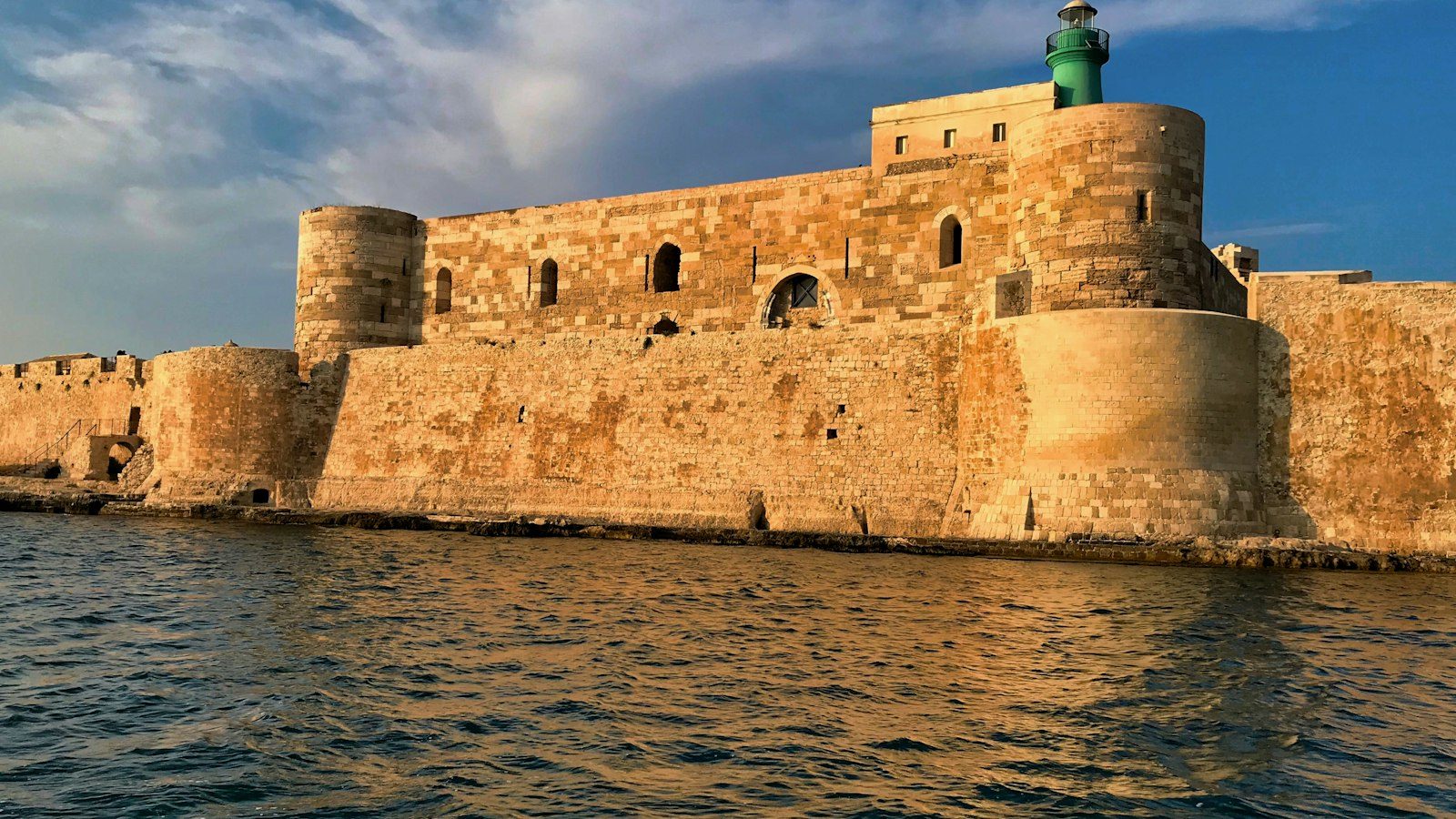
An ancient Greek city on Sicily's south-east coast, with its old town on the small island of Ortigia. You walk baroque squares built over Greek temples, swim off rocks a few steps from the cathedral and sit through a classical play in a theatre cut into the hillside 2,500 years ago.
- Best time to visit: April to June and September to October
- Daily budget (budget traveller): $70 to $215 USD
- Ideal trip length: 3 to 5 days
Syracuse was once one of the largest cities in the Greek world, a rival to Athens, and the home of Archimedes. Today it is a relaxed provincial city on Sicily's south-east coast, about 70 minutes by bus from Catania airport. Most visitors spend their time on Ortigia, the small island that holds the old town, joined to the mainland by two short bridges. Here a Greek temple of Athena is still standing inside the walls of the cathedral, the honey-coloured Piazza Duomo glows in the evening light and papyrus grows in the freshwater spring of Fonte Aretusa, right next to the sea. On the mainland, the Neapolis Archaeological Park has the Greek theatre, a Roman amphitheatre and the cave known as the Ear of Dionysius, and nearby the Paolo Orsi museum is one of the best archaeology museums in Italy. In summer you swim from wooden platforms and rocks around Ortigia, and in May and June the Greek theatre stages ancient plays at sunset. The city is cheaper than Taormina, flat enough to walk and easy to reach. A hostel bed, a market lunch, free swimming and cheap trains to Noto make it a good base for a solo traveller exploring the south-east.
Syracuse was founded by settlers from Corinth in the 8th century BC and grew into one of the most powerful cities in the Mediterranean. Plato visited, Archimedes was born and died here, and an Athenian invasion fleet was destroyed in its harbour. You feel that history most on Ortigia, the small island at the heart of the city. The cathedral is literally a Greek temple with a baroque front, the ruins of the Temple of Apollo sit next to the morning market, and the spring of Fonte Aretusa still bubbles up a few metres from the sea. Many visitors come for a day from Catania or Taormina. Stay a few nights and you get the better version: the square empty and gold at 8am, a swim off the platforms before lunch, granita in the afternoon and the passeggiata along the sea walls at dusk. It is not the cheapest place in Sicily, but hostel beds, market food and free swimming keep it affordable.
Getting here is easy. Catania airport is about 70 minutes away by Interbus coach for €6.20, with buses running from early morning until late evening. Trains and coaches also link Syracuse with Catania city, and the train south to Noto takes about 30 minutes. Once you arrive, walk. Ortigia is car-free in most places and small enough to cross in 15 minutes. Base yourself near Piazza Duomo for evenings out, in the Giudecca for quiet nights and the swimming platforms, or on the mainland near the station for cheaper rooms. The Neapolis park and the Paolo Orsi museum are a long walk or a short taxi ride from Ortigia, and you can easily see both in one day with the €18 combined ticket.
Timing shapes the trip. April to June brings warm days, wildflowers in the ruins and, from May, the Greek theatre season. September and October are hot enough for swimming but calmer. July and August are scorching, crowded and expensive, though Ortigia comes alive on summer nights. Winter is mild and quiet, with the Festa di Santa Lucia on 13 December. Remember the Paolo Orsi museum is closed on Mondays. Syracuse is relaxed and safe, and English is spoken in most hotels and restaurants, though a few words of Italian go a long way in the market. If you want history, a swim and a long dinner of fish by the water, this is one of the best bases in Sicily.
Syracuse itinerary
Arrive and find Ortigia
Morning: Take the Interbus from Catania airport (about 70 minutes, €6.20). Drop your bag and walk over the bridge into Ortigia, past the Temple of Apollo.
Afternoon: Get lost in the lanes, then see Fonte Aretusa and the cathedral on Piazza Duomo. Look in at Santa Lucia alla Badia for the Caravaggio.
Evening: Join the passeggiata along the western sea walls at sunset, then have arancini or pizza in a back-lane spot.
Greek and Roman Syracuse
Morning: Get to the Neapolis park at 8:30 opening time before the heat. Use the €18 combined ticket to see the Greek theatre, the Ear of Dionysius and the Roman amphitheatre.
Afternoon: Walk or take a taxi to the Paolo Orsi museum (closed on Mondays) and spend two hours with the Greek sculpture and coins. Then return to Ortigia for a rest.
Evening: Dinner in the Giudecca, with pasta con le sarde and a glass of Nero d'Avola.
Market, castle and the sea
Morning: Go to Ortigia market before 11am and queue for a sandwich at Caseificio Borderi. Walk the walls south to Castello Maniace.
Afternoon: Swim from the platforms near Forte Vigliena or off the rocks at Cala Rossa. Take a siesta in the hottest hours, as the locals do.
Evening: Aperitivo by the water, then a fish dinner. Ask the price per kilo first.
Baroque Noto
Morning: Take the train to Noto (about 30 minutes, around €4). Walk up Corso Vittorio Emanuele to the cathedral and the honey-coloured palaces.
Afternoon: Climb a church terrace for rooftop views and try an almond granita at one of Noto's famous cafés. Head back in the late afternoon.
Evening: Back in Ortigia, an easy dinner and an evening walk round Piazza Duomo when it is lit up.
Vendicari and Marzamemi
Morning: Hire a car or join a tour to Vendicari Nature Reserve (€3.50, cards only). Walk past the old tuna factory to the beach and look for flamingos in the lagoons.
Afternoon: Swim at one of the reserve's beaches, then carry on to the fishing village of Marzamemi for tuna and a drink on its little square.
Evening: Drive or ride back to Syracuse. Late granita in Ortigia.
Catacombs and the Borgata
Morning: Walk to the Borgata and take a guided tour of the Catacombs of San Giovanni. Have coffee with locals on Piazza Santa Lucia.
Afternoon: Visit the Latomia dei Cappuccini if it is open, or take a summer bus to Fontane Bianche for an afternoon on the sand.
Evening: In May or June, see a play at the Greek theatre. Otherwise, a farewell dinner on the eastern seafront.
Slow morning and depart
Morning: Have a last swim or a breakfast granita and brioche, then pick up almonds, pistachio cream or Moscato for home at the market.
Afternoon: Take the Interbus back to Catania airport. Allow plenty of time, as summer traffic can be slow.
Evening: Fly out, or carry on to Catania, Etna or Taormina.
Best neighbourhoods
- Ortigia around Piazza Duomo: The heart of the old town, set around the long baroque square with the cathedral, the Caravaggio in Santa Lucia alla Badia and Fonte Aretusa a few steps away. Most of the restaurants, bars and B&Bs are here. It is busy until late in summer, so choose a room on a side lane if you sleep lightly.
- Giudecca and the eastern seafront: The old Jewish quarter on Ortigia's east side, with narrow lanes, small guesthouses and the sea promenade facing the open Ionian. It is quieter than the area around the Duomo and close to the summer swimming platforms. The cathedral square is still only 10 minutes away on foot.
- Umbertino and the station area: The mainland district just over the bridges, built in the late 19th century, with the train station and the Corso Umberto bus terminal. It is less pretty, but rooms and hostel beds cost less and arrival is easy. Ortigia is 10 to 15 minutes' walk away.
- Borgata Santa Lucia: A real working neighbourhood north of Ortigia, set around the big square and church of Santa Lucia. You get local bars, cheap pizza and fewer visitors. It is handy for the Paolo Orsi museum and the catacombs, and the walk into Ortigia takes about 20 minutes.
- Fontane Bianche: A beach suburb about 15km south, with a long curve of white sand and clear shallow water. It is mostly holiday homes, and it is lively in July and August but very quiet out of season. It suits a beach-focused stay, but without a car you depend on summer buses.
Must-do experiences
- Spend an evening in Piazza Duomo: Walk into the square at golden hour, when the pale stone turns orange. Go inside the cathedral, where the Doric columns of a 5th-century BC Greek temple are built into the walls. Entry costs a couple of euros, and modest dress is expected.
- Visit the Neapolis Archaeological Park: See the Greek theatre, the Roman amphitheatre, the huge Altar of Hieron II and the Ear of Dionysius, a tall cave in an old quarry with an odd echo. Full tickets cost €14, or €7 for EU citizens aged 18 to 25. Entry is free on the first Sunday of each month.
- See the Paolo Orsi museum: One of Italy's great archaeology museums, with Greek sculpture, painted vases and a superb coin collection. Tickets cost €10, or €18 for a combined ticket with the Neapolis park. It is closed on Mondays and opens only in the morning on Sundays and public holidays.
- Watch a play in the Greek theatre: Every May and June the INDA Foundation stages ancient Greek drama in the theatre where Aeschylus once staged his work. The 2027 season runs from 7 May to late June, with Aristophanes' Birds, Euripides' Trojan Women and Sophocles' Philoctetes. Live translation into English is available.
- Swim off Ortigia: From around June to September, wooden platforms go up along the eastern seafront near Forte Vigliena, and you can swim free from ladders into deep, clear water. Locals also swim off the rocks at Cala Rossa. Bring water shoes for the rocks and sea urchins.
- Eat your way around Ortigia market: The morning market near the Temple of Apollo sells fish, citrus, olives and spices from Monday to Saturday. Queue at Caseificio Borderi for a huge made-to-order sandwich, or graze at Fratelli Burgio. Arrive before 11am, as it winds down by early afternoon.
- Walk the walls to Castello Maniace: Follow the sea walls of Ortigia to its southern tip and the 13th-century castle built for Frederick II. Entry costs a few euros, and you get sea views on three sides. Walk back along the western promenade past Fonte Aretusa at sunset.
Hidden gems
- The Caravaggio altarpiece The Burial of Saint Lucy, hanging in the church of Santa Lucia alla Badia on Piazza Duomo, which many visitors walk straight past
- The Miqwe, a Jewish ritual bath carved deep into the rock beneath a guesthouse in the Giudecca, shown on short guided visits
- The Latomia dei Cappuccini, an old quarry turned into a wild garden near the sea on the mainland, rarely busy and occasionally open for events
- The Catacombs of San Giovanni, a vast early Christian burial network under the Borgata, visited on short guided tours for roughly €10 to €12
- The Festa di Santa Lucia on 13 December, when the silver statue of the city's patron saint is carried from the cathedral to the Borgata through crowded streets
Daily budget
- Accommodation: budget €25-45 / night (hostel dorm), mid-range €80-150 (Ortigia B&B or 3-star hotel), splurge €250+ (sea-view room at Ortea Palace or similar). Prices rise sharply in July and August and on theatre nights in May and June. A small per-night tourist tax is added on top. Book single rooms in Ortigia early in summer.
- Food: budget €18-28 / day (granita breakfast, arancini, market sandwich), mid-range €40-60 (trattoria lunch and a sit-down dinner), splurge €90+ (fish by the kilo, raw prawns, good wine). Arancini cost around €2.50-4 and pasta in a trattoria about €12-18. Fish is often priced by weight, and most restaurants add a small cover charge (coperto).
- Transport: budget €0-5 / day (walking, shuttle buses), mid-range €8-20 (train to Noto, taxi to the Neapolis), splurge €60-90 (a day's car hire for Vendicari and Plemmirio). The Interbus to Catania airport costs €6.20 one way or €9.60 return. The train to Noto is around €4. Drivers must avoid Ortigia's ZTL and pay for parking.
- Activities: budget €0-14 / day (swimming, churches, Neapolis at €14), mid-range €18-30 (combined Neapolis and museum ticket at €18, Castello Maniace, catacombs), splurge €40+ (a Greek theatre seat, boat trips, guided tours). The Neapolis park is free on the first Sunday of each month. The Paolo Orsi museum is closed on Mondays. Vendicari costs €3.50 and accepts cards only.
- Drinks & nightlife: budget €5-10 (a spritz or a glass of wine in a bar), mid-range €15-30 (aperitivo and a few drinks in Ortigia), splurge €50+ (cocktails on a rooftop terrace). A coffee costs about €1.20-1.50 at the bar and a glass of wine €4-6. Aperitivo often comes with free snacks. Nightlife means bars and terraces rather than clubs.
Where to stay
- Social hostel in Umbertino, near the station (€25-45 / night (dorm)): LOL Hostel is a long-running, sociable hostel on the mainland, close to the train station and the Corso Umberto bus terminal. Ortigia is a 15-minute walk away, and it is easy to meet other travellers here.
- Boutique hotel in Ortigia western seafront (€110-200 / night): Hotel Gutkowski is a simple, stylish hotel on the sea walls, with views over the water and a good breakfast. The market and the swimming spots are a short walk away.
- Apartment in Giudecca and the Ortigia lanes (€80-150 / night): Small apartments in old stone houses give you a kitchen and a local feel. Expect steep stairs and no lift, and check whether the address is inside the ZTL if you are driving.
- Splurge in Ortigia, by the bridge (€250-500+ / night): Ortea Palace Hotel fills a grand former post office building at the entrance to Ortigia, with a rooftop terrace, a spa and harbour views. Everything on the island is within walking distance.
What to eat
- Granita with brioche: almond, lemon, pistachio or mulberry, eaten for breakfast in summer at any good bar for a few euros
- Arancini: fried rice balls stuffed with ragù or butter and ham, the cheapest filling snack in town at around €2.50 to €4
- Pasta con le sarde: pasta with sardines, wild fennel, pine nuts and raisins, a classic Sicilian dish found on most trattoria menus
- Market sandwiches: a towering panino from Caseificio Borderi or a cheese and salumi plate at Fratelli Burgio in Ortigia market
- Fresh fish and raw red prawns: sold by weight in Ortigia restaurants, so always ask the price per kilo before you order
- Nero d'Avola and Moscato di Siracusa: the local red and the sweet dessert wine, at a few euros a glass, with a cannolo to finish
Day trips
- Noto (About 35km south-west, 30 minutes by train): A whole town rebuilt in golden baroque stone after the 1693 earthquake and now a UNESCO World Heritage Site. Walk the main street, climb church terraces for rooftop views and try its famous almond granita. Take the regional train from Syracuse station for around €4, or an Interbus or AST coach. Noto station is a 10 to 15-minute walk below the old town. Check return times, as trains are not frequent.
- Vendicari Nature Reserve and Marzamemi (About 50km south, 45 minutes to 1 hour by car): A protected coast of lagoons, dunes and wild beaches, with flamingos in season and an old tuna factory. There are no bars or sunbeds inside, so bring water and food. Nearby Marzamemi is a pretty fishing village famous for tuna. Hire a car or join a tour, as public transport is poor. Entry costs €3.50 by card only, and one ticket covers all five entrances for the day. Hours are longest from April to October and shorter in winter.
- Catania and Mount Etna (About 60km north, 1 to 1.5 hours by train or coach): Sicily's second city is loud, black-stoned and full of energy, with a great fish market and cheap street food. Most Etna tours start from Catania, taking you up to the craters on Europe's highest active volcano. Take an Interbus coach or a train to Catania. For Etna, book a guided tour from Catania with transport included, as the volcano's upper slopes are hard to reach alone. Check the weather and volcanic activity warnings first.
When to visit
- Spring (April - May): 18-25°C, sunny and fresh, sea warming from late May. Crowds: Moderate, busier at Easter and on theatre nights. Ideal for the archaeological sites and walking. The Greek theatre season opens in early May. Swimming is for the brave until late May.
- Early summer (June): 25-30°C, hot and dry, sea around 22-24°C. Crowds: Moderate to busy, rising through the month. Arguably the best month. Warm water, long evenings, the last weeks of the theatre season and the swimming platforms open.
- High summer (July - August): 30-36°C, very hot, scirocco days can go higher, sea up to about 27°C. Crowds: Very busy, especially in August. Great for swimming and late nights in Ortigia, but sightseeing at midday is hard work and rooms cost the most. Do the ruins at opening time and book ahead.
- Autumn and winter (September - March): September 26-30°C and October about 24°C, then 14-17°C by day in winter with some rain. Crowds: Moderate in September, quiet from November. September and October are the locals' pick, with warm sea and calmer streets. Winter is cheap and mild, with Santa Lucia in December, but some beach places close.
Entry rules for your passport
Visa rules for Italy depend on the passport you travel on. Check the official source before you book: European Commission: Schengen visa policy
Getting there
Syracuse has no airport of its own. The nearest is Catania Fontanarossa, about 60km north, with flights from across Europe. Interbus coaches run directly from the arrivals terminal to the Corso Umberto terminal in Syracuse. The trip takes about 70 minutes and costs €6.20 one way or €9.60 return, and there are more than 30 departures on weekdays. There are no buses between roughly midnight and 7am. Buy your ticket online, in the app or at the ticket desk inside arrivals before you board. A train also runs from the airport's own station for around €10, sometimes with a change in Catania. A taxi costs much more, so share one if you can. From Catania city, trains and coaches take just over an hour. From mainland Italy, long-distance trains and overnight buses cross the Strait of Messina, but flying is usually quicker. If you drive, do not enter Ortigia's camera-controlled ZTL, and park at the Talete car park instead.
Border checks: non-EU visitors (other than Swiss, Norwegian, Icelandic, Liechtenstein, Andorran, Monegasque, San Marinese and Vatican citizens, and holders of an EU residence permit or long-stay visa) are registered in the EU's Entry/Exit System (EES) instead of getting a passport stamp. On your first crossing, officers take your photo and/or fingerprints, so allow extra time at passport control. ETIAS, the planned travel authorisation, is not in operation yet, so don't pay any website for one.
Getting around
Ortigia is small and mostly closed to traffic, so you will walk almost everywhere. Crossing the island takes about 15 minutes, and the walk from the train station or the Corso Umberto bus terminal to Piazza Duomo takes 15 to 20 minutes. The Neapolis park and the Paolo Orsi museum are on the mainland, about 30 minutes on foot from Ortigia or a short taxi ride. Small electric shuttle buses link Ortigia with the station and the car parks, and tickets are cheap. If you drive, do not cross into Ortigia's limited-traffic zone (ZTL), which is camera-controlled. Leave the car at the Talete car park on the island's northern edge instead. Trains run south to Noto in about 30 minutes for around €4 and north to Catania in just over an hour. Interbus and AST coaches cover Catania, its airport and the towns of the south-east. In summer, buses run to Fontane Bianche and Arenella, but timetables are thin, so check them the day before. Taxis are fairly expensive and do not cruise for fares, so call one or ask your host. For Vendicari and the Plemmirio coast, a hire car or a tour makes life much easier.
Safety
Syracuse is generally safe, and violent crime against visitors is rare. Watch your bag in the crowds at Piazza Duomo, at the market and on busy buses, and do not leave valuables on the rocks when you swim. The streets around the station are quiet late at night, so walk the main roads or take a taxi. The bigger risks are the summer heat, which often passes 35°C when the scirocco blows from Africa, and the sea. Use the ladders on the platforms, watch for currents and boats off the rocks at Cala Rossa and Plemmirio and wear water shoes against sea urchins. Polished stone in Ortigia gets slippery after rain. Mopeds use the narrow lanes, so keep to the side. Tap water is generally safe, though many locals buy bottled. The EU emergency number is 112. EU travellers should carry an EHIC and UK travellers a GHIC, and everyone else needs travel insurance with medical cover.
Solo travel tips
- Stay on Ortigia if you can: You can walk to everything, swim before breakfast and stroll home after dinner. Choose the Giudecca for quiet nights or the streets near the Duomo for evenings out.
- Start early at the ruins: The Neapolis has little shade and gets very hot. Arrive at 8:30, see the theatre before the tour coaches arrive and save the air-conditioned museum for late morning.
- Plan around Mondays and Sundays: The Paolo Orsi museum is closed on Mondays and shuts early on Sundays. Many shops close for a long lunch break in the afternoon, so plan museum days first.
- Eat at the market and the counter: A market sandwich, a couple of arancini and a granita cost far less than a sit-down meal. Save the fish by the kilo for one good dinner.
- Safety for solo travellers: The main risks are heat, slippery stone, swimming alone off rocks and bags left on the platforms. Swim near other people, carry water and take a taxi from the station area late at night.
- Meet people at a show or on a tour: Join a walking tour of Ortigia, a street food tour or a night at the Greek theatre. Hostel common rooms and the swimming platforms are also easy places to start a conversation.
Cultural etiquette
- Greet people with 'buongiorno' (good morning) or 'buonasera' (good evening, from mid-afternoon) and say 'grazie' (thank you). A little Italian is warmly received.
- Cover your shoulders and knees in the cathedral and other churches, and keep quiet if a Mass is on.
- Do not walk around Ortigia in swimwear. Put on a shirt and shorts when you leave the platforms or rocks.
- Expect a long lunch break, when many shops close from about 1pm to 4:30pm, and dinner rarely starts before 8pm.
- Coffee is cheaper standing at the bar than sitting at a table. Pay first at the till in busy bars.
- A cover charge (coperto) on restaurant bills is normal. Tipping is not expected, but rounding up for good service is appreciated.
- Take your rubbish home from the rocks and the reserves, and never take stones or fragments from archaeological sites.
Frequently asked questions
How do I get from Catania airport to Syracuse and my room?
Take the Interbus coach from outside the arrivals terminal. It takes about 70 minutes and costs €6.20 one way or €9.60 return, with more than 30 departures on weekdays. Buy your ticket before boarding, online, in the Interbus app or at the ticket desk in the arrivals hall. Buses stop at the Corso Umberto terminal on the mainland, and from there Ortigia is a 15 to 20-minute walk over the bridge. If you have heavy luggage or arrive late, take a taxi or the electric shuttle.
How many days do I need in Syracuse?
Two full days cover Ortigia, the Neapolis park and the Paolo Orsi museum. Three to five days lets you add swims, a train trip to Noto and a day at Vendicari or Marzamemi. A week works well if you want to slow down, add Catania or Mount Etna and spend proper time at the beaches.
When is the best time to visit Syracuse?
April to June and September to October are the best months. It is warm, the sea is swimmable from late May and the archaeological sites are bearable in the middle of the day. May and June also bring the Greek theatre season. July and August are very hot and busy, and rooms cost the most. Winter is mild and quiet, with daytime temperatures in the mid-teens, but some beach places close.
Can I drive into Ortigia?
Not really. Most of Ortigia is a limited-traffic zone (ZTL), and cameras fine cars that enter without a permit. Park at the Talete car park on the northern edge of the island and walk, or use one of the mainland car parks and the electric shuttle. If your hotel is inside the zone, ask it in advance whether it can register your plate for unloading.
Where can I swim in Syracuse?
In summer, free wooden platforms with ladders are set up along Ortigia's eastern seafront near Forte Vigliena, and locals also swim off the rocks at Cala Rossa. For sand, take a summer bus to Arenella or Fontane Bianche, about 15km south. The Plemmirio marine reserve across the harbour has clear water and rocky coves, but you need a car or scooter to get there.
How do I see a play at the Greek theatre?
The INDA Foundation runs the classical season every spring. In 2027 it runs from 7 May to late June, with Aristophanes' Birds, Euripides' Trojan Women, Sophocles' Philoctetes and a staging of Homer's Odysseus. Tickets are already on sale on the INDA website and at the box office on Corso Matteotti. Prices depend on the seating sector and the night. Shows start in the early evening, and live translation into English is available through devices.
Is Syracuse safe for solo female travellers?
Yes, it is one of the easier places in Sicily to travel alone. Ortigia is compact and lively in the evening, and locals are used to visitors. You may get some comments or attention on the street, which is best ignored. Take normal care with drinks, keep to busy, lit streets late at night and take a taxi rather than walking through the quiet station area after midnight.
What entry rules apply to Italy in 2026?
Italy is in the EU and the Schengen area. Many non-EU visitors, including those from the UK, US, Canada and Australia, can stay visa-free for up to 90 days in any 180-day period across Schengen. The EU's Entry/Exit System has been fully running since April 2026 and records non-EU travellers' fingerprints and photos at the border. The ETIAS travel authorisation is still not in operation, and no start date has been announced, so do not pay any website for it yet. Check official EU and Italian government websites and your own government's travel advice before you go.
More about Syracuse
Tours and activities in Syracuse | Syracuse in 2 days | Syracuse in 3 days | Syracuse in 4 days | Syracuse in 5 days | Syracuse in 7 days
Can't decide? Compare Syracuse with...
Joy Plus home | Destinations | Itineraries | Activities | Flights | Budget planner | Calendar | Map | Blog | Lifetime access