Syracuse in 3 days
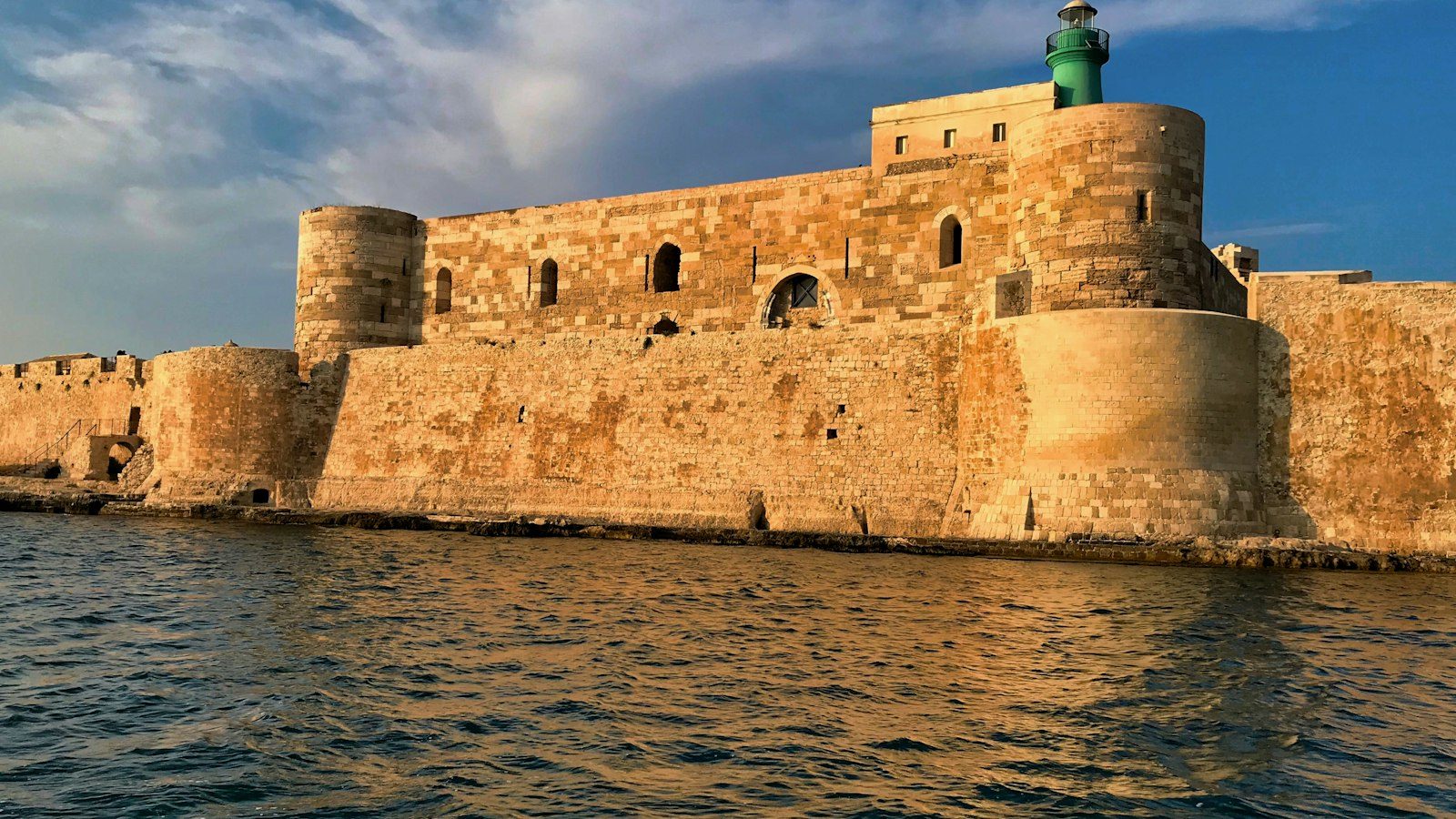
An ancient Greek city on Sicily's south-east coast, with its old town on the small island of Ortigia. You walk baroque squares built over Greek temples, swim off rocks a few steps from the cathedral and sit through a classical play in a theatre cut into the hillside 2,500 years ago. Best time to visit: April to June and September to October. Daily budget (budget traveller): $70 to $215 USD.
Arrive and find Ortigia
Morning: Take the Interbus from Catania airport (about 70 minutes, €6.20). Drop your bag and walk over the bridge into Ortigia, past the Temple of Apollo.
Afternoon: Get lost in the lanes, then see Fonte Aretusa and the cathedral on Piazza Duomo. Look in at Santa Lucia alla Badia for the Caravaggio.
Evening: Join the passeggiata along the western sea walls at sunset, then have arancini or pizza in a back-lane spot.
Greek and Roman Syracuse
Morning: Get to the Neapolis park at 8:30 opening time before the heat. Use the €18 combined ticket to see the Greek theatre, the Ear of Dionysius and the Roman amphitheatre.
Afternoon: Walk or take a taxi to the Paolo Orsi museum (closed on Mondays) and spend two hours with the Greek sculpture and coins. Then return to Ortigia for a rest.
Evening: Dinner in the Giudecca, with pasta con le sarde and a glass of Nero d'Avola.
Market, castle and the sea
Morning: Go to Ortigia market before 11am and queue for a sandwich at Caseificio Borderi. Walk the walls south to Castello Maniace.
Afternoon: Swim from the platforms near Forte Vigliena or off the rocks at Cala Rossa. Take a siesta in the hottest hours, as the locals do.
Evening: Aperitivo by the water, then a fish dinner. Ask the price per kilo first.
Heading home: Take the Interbus back to Catania airport. Fly out, or carry on to Catania, Etna or Taormina.
What to eat in Syracuse
- Granita with brioche: almond, lemon, pistachio or mulberry, eaten for breakfast in summer at any good bar for a few euros
- Arancini: fried rice balls stuffed with ragù or butter and ham, the cheapest filling snack in town at around €2.50 to €4
- Pasta con le sarde: pasta with sardines, wild fennel, pine nuts and raisins, a classic Sicilian dish found on most trattoria menus
- Market sandwiches: a towering panino from Caseificio Borderi or a cheese and salumi plate at Fratelli Burgio in Ortigia market
- Fresh fish and raw red prawns: sold by weight in Ortigia restaurants, so always ask the price per kilo before you order
- Nero d'Avola and Moscato di Siracusa: the local red and the sweet dessert wine, at a few euros a glass, with a cannolo to finish
Hidden gems
- The Caravaggio altarpiece The Burial of Saint Lucy, hanging in the church of Santa Lucia alla Badia on Piazza Duomo, which many visitors walk straight past
- The Miqwe, a Jewish ritual bath carved deep into the rock beneath a guesthouse in the Giudecca, shown on short guided visits
- The Latomia dei Cappuccini, an old quarry turned into a wild garden near the sea on the mainland, rarely busy and occasionally open for events
- The Catacombs of San Giovanni, a vast early Christian burial network under the Borgata, visited on short guided tours for roughly €10 to €12
- The Festa di Santa Lucia on 13 December, when the silver statue of the city's patron saint is carried from the cathedral to the Borgata through crowded streets
Getting around
Ortigia is small and mostly closed to traffic, so you will walk almost everywhere. Crossing the island takes about 15 minutes, and the walk from the train station or the Corso Umberto bus terminal to Piazza Duomo takes 15 to 20 minutes. The Neapolis park and the Paolo Orsi museum are on the mainland, about 30 minutes on foot from Ortigia or a short taxi ride. Small electric shuttle buses link Ortigia with the station and the car parks, and tickets are cheap. If you drive, do not cross into Ortigia's limited-traffic zone (ZTL), which is camera-controlled. Leave the car at the Talete car park on the island's northern edge instead. Trains run south to Noto in about 30 minutes for around €4 and north to Catania in just over an hour. Interbus and AST coaches cover Catania, its airport and the towns of the south-east. In summer, buses run to Fontane Bianche and Arenella, but timetables are thin, so check them the day before. Taxis are fairly expensive and do not cruise for fares, so call one or ask your host. For Vendicari and the Plemmirio coast, a hire car or a tour makes life much easier.
Safety
Syracuse is generally safe, and violent crime against visitors is rare. Watch your bag in the crowds at Piazza Duomo, at the market and on busy buses, and do not leave valuables on the rocks when you swim. The streets around the station are quiet late at night, so walk the main roads or take a taxi. The bigger risks are the summer heat, which often passes 35°C when the scirocco blows from Africa, and the sea. Use the ladders on the platforms, watch for currents and boats off the rocks at Cala Rossa and Plemmirio and wear water shoes against sea urchins. Polished stone in Ortigia gets slippery after rain. Mopeds use the narrow lanes, so keep to the side. Tap water is generally safe, though many locals buy bottled. The EU emergency number is 112. EU travellers should carry an EHIC and UK travellers a GHIC, and everyone else needs travel insurance with medical cover.
Frequently asked questions
What does this 3-day Syracuse itinerary cover?
Day 1: Arrive and find Ortigia. Day 2: Greek and Roman Syracuse. Day 3: Market, castle and the sea.
Is 3 days enough for Syracuse?
Our recommended trip length for Syracuse is 3 to 5 days. This 3-day plan focuses on the highlights and groups sights by area so you spend less time travelling between them.
How much does 3 days in Syracuse cost?
A budget traveller spends about $70 to $215 USD a day in Syracuse, so roughly $210 to $645 USD for 3 days, not counting flights.
Where should I stay for 3 days in Syracuse?
Ortigia around Piazza Duomo: The heart of the old town, set around the long baroque square with the cathedral, the Caravaggio in Santa Lucia alla Badia and Fonte Aretusa a few steps away. Giudecca and the eastern seafront: The old Jewish quarter on Ortigia's east side, with narrow lanes, small guesthouses and the sea promenade facing the open Ionian.
When is the best time to visit Syracuse?
The best time to visit Syracuse is April to June and September to October.
How do I get around Syracuse?
Ortigia is small and mostly closed to traffic, so you will walk almost everywhere. Crossing the island takes about 15 minutes, and the walk from the train station or the Corso Umberto bus terminal to Piazza Duomo takes 15 to 20 minutes.
Is Syracuse safe for solo travellers?
Syracuse is generally safe, and violent crime against visitors is rare. Watch your bag in the crowds at Piazza Duomo, at the market and on busy buses, and do not leave valuables on the rocks when you swim.
Read more about Syracuse
More 3-day guides
- Bergamo in 3 days
- Sorrento in 3 days
- Capri in 3 days
- Florence in 3 days
- Rome in 3 days
- Naples in 3 days
- Palermo in 3 days
- Milan in 3 days
Syracuse in 2 days | Syracuse in 4 days | Syracuse in 5 days | Syracuse in 7 days | Full Syracuse guide
Joy Plus home | Destinations | Itineraries | Activities | Flights | Budget planner | Calendar | Map | Blog | Lifetime access