Destinations / Europe
The Hague, Netherlands travel guide
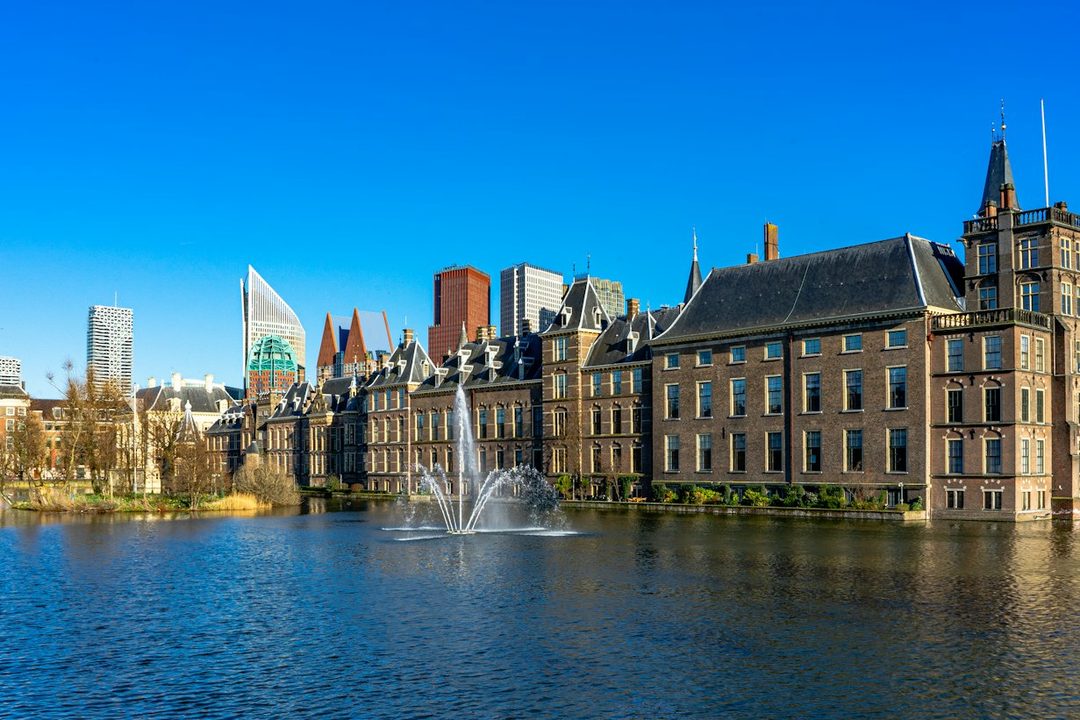
The Netherlands' royal city by the sea: world-class art, international justice, and sweeping North Sea beaches.
- Best time to visit: May to September
- Daily budget (budget traveller): $65 to $150 USD
- Ideal trip length: 2 to 3 days
Often overshadowed by Amsterdam's frenetic canals, The Hague (Den Haag) offers a more refined, spacious, and deeply historic Dutch experience. As the political heart of the Netherlands and the global seat of international justice, the city exudes a stately elegance, defined by leafy boulevards, royal palaces, and world-class museums like the Mauritshuis. Yet, it is far from stuffy. Just a short tram ride from the historic centre lies Scheveningen, a vibrant seaside district boasting miles of sandy beaches, fresh seafood stalls, and a lively pier. For the solo traveller, The Hague provides a perfectly balanced city break: you can spend your morning admiring Vermeer's masterpieces, your afternoon cycling through expansive dune reserves, and your evening watching the sunset over the North Sea with a plate of hot bitterballen.
Often overshadowed by Amsterdam's frenetic canals, The Hague (Den Haag) offers a more refined, spacious, and deeply historic Dutch experience. As the political heart of the Netherlands and the global seat of international justice, the city exudes a stately elegance, defined by leafy boulevards, royal palaces, and world-class museums. It is a city where centuries of diplomatic history meet cutting-edge international law, all set against a backdrop of striking architecture that ranges from the mediaeval Binnenhof to the sleek modernism of the skyline.
For the solo traveller, The Hague provides a perfectly balanced and highly accessible city break. You can spend your morning delving into the Dutch Golden Age at the Mauritshuis, standing face to face with Vermeer's 'Girl with a Pearl Earring', and your afternoon browsing the independent boutiques and sunny cafe terraces of the bohemian Zeeheldenkwartier. The city's wide streets and excellent cycling infrastructure make it a joy to navigate, offering a much calmer and more breathable atmosphere than the capital.
What truly sets The Hague apart, however, is its immediate proximity to the North Sea. Just a short, 15-minute tram ride from the historic centre lies Scheveningen, a vibrant coastal district boasting miles of sandy beaches, a bustling pier, and a lively surf culture. Whether you want to cycle through the tranquil dune reserves of Meijendel, eat fresh raw herring from a beachfront stall, or simply watch the sunset with a cold local beer, The Hague seamlessly combines the cultural weight of a major European city with the breezy relaxation of a seaside resort.
The Hague itinerary
Arrival and the Royal Centre
Morning: Arrive in The Hague, drop your bags, and stroll around the Hofvijver pond to see the Binnenhof complex and climb the observation tower.
Afternoon: Visit the Mauritshuis to admire Vermeer's 'Girl with a Pearl Earring' and other Golden Age masterpieces.
Evening: Enjoy a traditional Dutch dinner of bitterballen and stamppot at a cosy brown cafe in the city centre.
To the Sea
Morning: Take Tram 1 or 9 to Scheveningen. Walk along the wide sandy beach and take a ride on the Ferris wheel at the Scheveningen Pier.
Afternoon: Grab some fresh kibbeling for lunch, then visit the SEA LIFE centre or relax at a beachfront pavilion.
Evening: Watch the sunset over the North Sea with a cocktail at one of the many stylish beach clubs.
Art and Illusions
Morning: Head to the Kunstmuseum Den Haag to explore its massive collection of modern art and Mondrian paintings in a stunning Art Deco building.
Afternoon: Walk over to Panorama Mesdag to experience the incredible 360-degree cylindrical painting of the 19th-century Scheveningen coast.
Evening: Dine in the trendy Zeeheldenkwartier, known for its diverse international cuisine and lively atmosphere.
Palaces and Parks
Morning: Walk up the leafy Lange Voorhout avenue and photograph the magnificent Peace Palace, the seat of the International Court of Justice.
Afternoon: Rent a bike and cycle through the expansive Scheveningse Bosjes or visit the miniature world of Madurodam.
Evening: Treat yourself to an elaborate Indonesian rijsttafel (rice table), a culinary staple in The Hague due to its colonial history.
Dunes and Nature
Morning: Cycle north to the Meijendel dune reserve. Spend the morning walking or biking through this tranquil, undulating landscape of sand and pine trees.
Afternoon: Stop at the Meijendel pancake house for a hearty Dutch pannenkoek before cycling back towards the city.
Evening: Enjoy a relaxed evening in the city centre, perhaps catching an indie film at the Filmhuis Den Haag.
Day Trip to Delft
Morning: Take a short 15-minute train ride to the picturesque city of Delft. Wander along the historic, tree-lined canals and visit the New Church.
Afternoon: Tour the Royal Delft factory to see how the famous blue and white pottery is still painted by hand.
Evening: Return to The Hague for your final evening, enjoying a farewell drink at a lively square like Het Plein or Grote Markt.
Market Mornings and Departure
Morning: Visit the Haagse Markt, one of the largest outdoor markets in Europe, to browse everything from fresh produce to fabrics and antiques.
Afternoon: Pick up some last-minute souvenirs, like a tin of stroopwafels or some local cheese, in the boutique shops around the Hofkwartier.
Evening: Collect your luggage and take the quick, direct train back to Schiphol Airport or Amsterdam for your onward journey.
Best neighbourhoods
- City Centre (Centrum): The historic and political core, packed with museums, shopping streets, and the Binnenhof parliament complex, which is currently undergoing a massive renovation.
- Scheveningen: A bustling coastal resort town just 15 minutes from the centre, famous for its wide sandy beach, iconic pier, and lively surf culture.
- Zeeheldenkwartier: A trendy, bohemian neighbourhood just outside the centre, filled with independent boutiques, sunny cafe terraces, and stunning Art Nouveau architecture.
Must-do experiences
- Admire art at the Mauritshuis: Stand face to face with Vermeer's 'Girl with a Pearl Earring' and other Dutch Golden Age masterpieces in this intimate 17th-century mansion.
- Stroll the Scheveningen Beach and Pier: Take the tram to the coast to walk along the sweeping North Sea beach, ride the Ferris wheel on the pier, and eat fresh kibbeling.
- View the Binnenhof from the observation tower: While the 800-year-old parliament complex is under renovation until 2031, climb the temporary yellow tower for a panoramic view of the site and city skyline.
- Step inside Panorama Mesdag: Experience a stunning 19th-century optical illusion: a massive, 360-degree cylindrical painting of the Scheveningen coast.
- Photograph the Peace Palace (Vredespaleis): Admire the magnificent neo-Renaissance building that houses the International Court of Justice, surrounded by beautifully manicured gardens.
- Explore the Kunstmuseum Den Haag: Wander through this striking Art Deco building housing an incredible collection of modern art, including the world's largest Mondrian collection.
Hidden gems
- The serene, hidden courtyard garden of the Hofje van Nieuwkoop
- The Japanese Garden in Clingendael Park, which is only open for a few weeks in spring and autumn
- The tranquil dunes of Meijendel, a vast nature reserve perfect for peaceful solo cycling or walking
- The quirky Museum de Gevangenpoort (Prison Gate Museum), detailing mediaeval crime and punishment
Daily budget
- Accommodation: budget €35 to €55 / night (social hostel dorm or basic guesthouse), mid-range €90 to €140 (comfortable boutique hotel near the centre), splurge €200+ per person (luxury historic hotel on Lange Voorhout). Staying in the city centre is generally cheaper than booking a beachfront hotel in Scheveningen during the summer months.
- Food: budget €20 to €35 / day (bakery pastries, local market snacks, fresh kibbeling), mid-range €45 to €80 (sit-down lunch, specialty coffee, and a nice dinner with a craft beer), splurge €120+ (multi-course modern Dutch tasting menus and fine wines). Grab fresh kibbeling or a stroopwafel from a street market for a cheap lunch, saving your budget for a nice Indonesian rijsttafel dinner.
- Transport: budget €4 to €9 / day (walking and a few tram rides using OVpay), mid-range €15 to €25 (buses, tram day tickets, and an occasional ride-hailing app journey), splurge €40+ (relying entirely on private taxis and regional trains for day trips). The €8.60 HTM day ticket is great value if you are taking multiple trams, but tapping your card for single journeys is often cheaper if you mostly walk.
- Activities: budget €0 to €10 (free beach walks, Binnenhof observation tower, cheap museum entries), mid-range €20 to €45 (Mauritshuis €21, Panorama Mesdag, Kunstmuseum), splurge €80+ (guided private walking tours or surfing lessons at Scheveningen). Many of the best sights in The Hague, including the Peace Palace exterior and the beach, are completely free to admire.
- Drinks & nightlife: budget €5 to €15 (supermarket local beers or a quick coffee), mid-range €20 to €40 (several pints of Dutch craft beer or cocktails in the Zeeheldenkwartier), splurge €60+ (late-night clubbing or premium spirits at upscale beach clubs). A local craft beer or a jenever (Dutch gin) in a traditional brown cafe is affordable and highly atmospheric.
Where to stay
- Social hostel in City Centre (€35 to €55 / night): Perfect for meeting other backpackers, offering central locations, bike rentals, and easy access to the main train stations.
- Boutique hotel in Zeeheldenkwartier (€90 to €140 / night): Stay in a trendy, bohemian neighbourhood filled with Art Nouveau architecture, independent cafes, and a more local, residential feel.
- Apartment in Scheveningen (€100 to €160 / night): Ideal for solo travellers who want to wake up to the sound of the sea, offering kitchenettes and easy access to the beach pavilions.
- Splurge in Lange Voorhout (City Centre) (€200 to €350+ / night): Luxurious historic hotels situated on the city's most elegant tree-lined avenue, offering impeccable service and classic Dutch grandeur.
What to eat
- Hollandse Nieuwe: raw herring served with chopped onions, best eaten by holding it by the tail and dropping it into your mouth at a Scheveningen fish stall
- Kibbeling: chunks of battered, deep-fried white fish served with a creamy garlic or tartare sauce
- Bitterballen: piping hot, crispy deep-fried meatballs usually enjoyed with mustard and a cold local beer
- Stroopwafel: two thin, crispy waffle wafers glued together with a layer of sweet, gooey caramel syrup
Day trips
- Delft (15 minutes by train): A picturesque, historic city famous for its blue and white pottery, tree-lined canals, and ties to the painter Johannes Vermeer. Take a direct train from Den Haag Centraal or Hollands Spoor, or ride Tram 1 directly into the heart of Delft.
- Rotterdam (25 minutes by train): A dynamic, modern metropolis known for its cutting-edge architecture, bustling food market (Markthal), and massive international port. Take a direct intercity train or ride the Metro Line E from Den Haag Centraal.
- Leiden (15 minutes by train): A charming university town boasting beautiful canals, historic windmills, and excellent museums like the Rijksmuseum van Oudheden. Take a direct intercity train heading north towards Amsterdam; Leiden is the first major stop.
When to visit
- Spring (April to June): 8 to 18°C, gradually warming with bright skies and occasional showers. Crowds: Moderate, picking up slightly in late May. A beautiful time to visit, especially if you want to catch the nearby Keukenhof tulips in April or enjoy the brief opening of the Japanese Garden.
- Summer (July to August): 16 to 23°C, pleasantly warm and sunny, perfect for the beach. Crowds: High, as locals flock to the coast and outdoor festivals begin. The best time to fully experience Scheveningen beach and the outdoor pavilion culture, though you will share the sand with many locals.
- Autumn (September to October): 9 to 16°C, cooling rapidly with beautiful golden foliage in the parks. Crowds: Low to moderate, offering a peaceful solo experience. Great for museum hopping and brisk walks along the coast. The weather can be unpredictable, so pack layers and a good windbreaker.
- Winter (November to March): 2 to 7°C, very cold with frequent rain and biting coastal winds. Crowds: Very low, except around the festive Christmas markets. Quiet and chilly. While the beach is too cold for lounging, the city's museums and cosy brown cafes offer a warm, inviting refuge.
Entry rules for your passport
Visa rules for the Netherlands depend on the passport you travel on. Check the official source before you book: European Commission: Schengen visa policy
Getting there
The Hague is incredibly easy to reach, despite not having its own major commercial airport. Most international travellers fly into Amsterdam Airport Schiphol (AMS) or Rotterdam The Hague Airport (RTM). From Schiphol, direct intercity trains run to Den Haag Centraal or Den Haag Hollands Spoor every 15 to 30 minutes, with the journey taking about 30 minutes and costing around €10 to €15. If arriving from Rotterdam, the Metro Line E connects directly to The Hague city centre in about 30 minutes. The city is also well-connected by international trains and long-distance buses to Belgium, France, and Germany.
Border checks: non-EU visitors (other than Swiss, Norwegian, Icelandic, Liechtenstein, Andorran, Monegasque, San Marinese and Vatican citizens, and holders of an EU residence permit or long-stay visa) are registered in the EU's Entry/Exit System (EES) instead of getting a passport stamp. On your first crossing, officers take your photo and/or fingerprints, so allow extra time at passport control. ETIAS, the planned travel authorisation, is not in operation yet, so don't pay any website for one.
Getting around
The Hague is highly walkable, especially within the compact city centre. To reach Scheveningen or travel further afield, the HTM tram and bus network is excellent. You can easily tap in and out using your contactless bank card or phone via the OVpay system. If you plan on taking multiple trips in a single day, purchasing an HTM day ticket for €8.60 is a cost-effective option. Cycling is also deeply ingrained in the local culture; renting a bike is the most authentic and efficient way to explore the leafy avenues and coastal dune paths.
Safety
The Hague is a very safe city for solo travellers, with a calm and orderly atmosphere. You can comfortably walk around the centre and the main areas of Scheveningen at night. The most common hazard is stepping into a bike lane without looking. Always check both ways for silent, fast-moving cyclists before crossing. At the beach, pay attention to the warning flags if you decide to swim, as the North Sea currents can be deceptively strong.
Solo travel tips
- Use OVpay for trams: There is no need to buy paper tickets. Simply tap your contactless bank card or phone on the readers when you board and exit the HTM trams and buses.
- Book the Mauritshuis in advance: The museum is intimate and can get crowded. Book a timed entry ticket online for the morning to enjoy the Vermeers with some breathing room. If you are a resident of the Netherlands, you can take advantage of the new €4 late-afternoon ticket introduced in 2026.
- Watch out for cyclists: The bike lanes are sacred in the Netherlands. Always look both ways before crossing a red-paved cycle path, as bikes move fast and silently.
- Try an Indonesian Rijsttafel: The Hague is the Indonesian culinary capital of the Netherlands. A rijsttafel (rice table) features dozens of small, flavourful dishes and is a must-try experience.
- Pack for the wind: The North Sea breeze can be bracing, even in summer. Always pack a light windproof jacket if you plan on spending time at Scheveningen beach.
- Climb the Binnenhof tower: With the parliament complex under renovation until 2031, the free yellow observation tower is the best way to see the historic site and get a great view of the city.
Cultural etiquette
- Always tap out when using public transport with your contactless card to avoid being charged a penalty fare.
- Do not walk in the designated red cycle lanes; they are for bicycles only, and locals will ring their bells aggressively if you block them.
- Greet shopkeepers with a polite 'Hallo' or 'Goedemorgen' (good morning) when entering, and say 'Bedankt' (thank you) when leaving.
- Dutch communication is famously direct. Do not be offended by blunt answers or straightforward opinions; it is considered a sign of honesty, not rudeness.
- Tipping is not strictly required but is appreciated. Rounding up the bill or leaving 5 to 10 percent for good service in a restaurant is standard.
- When eating raw herring at a fish stall, the traditional method is to hold the fish by the tail, tilt your head back, and take a bite.
- Marijuana is tolerated in licensed coffeeshops, but smoking it in public spaces, especially around children or busy streets, is frowned upon.
Frequently asked questions
How do I get to The Hague from Amsterdam?
Direct trains run frequently from Amsterdam Centraal or Schiphol Airport to Den Haag Centraal, taking 30 to 50 minutes. It is a very easy and scenic ride.
How many days do I need in The Hague?
Two to three days are perfect. This allows you one day for the historic centre and museums, and another to explore Scheveningen beach and the surrounding nature.
When is the best time of year to visit The Hague?
Late spring to early autumn (May to September) is ideal. Summer offers the best beach weather at Scheveningen, while spring brings blooming tulips in the nearby regions.
Can I pay with a bank card on The Hague public transport?
Yes, the OVpay system allows you to tap in and out of all HTM trams and buses using your contactless debit card, credit card, or mobile wallet.
Is the Binnenhof open to visitors?
As of 2026, the historic Binnenhof parliament complex is undergoing a massive renovation expected to last until at least 2031. While you cannot walk through the courtyards, you can climb a specially built, free yellow observation tower near the entrance to view the construction site and the city skyline.
What is the primary language spoken?
Dutch is the official language, but English is spoken fluently by almost everyone, making it incredibly easy for solo travellers to navigate and communicate.
How do I get to Scheveningen beach from the city centre?
Tram 9 runs directly from Den Haag Centraal and Hollands Spoor stations to Scheveningen in about 15 to 20 minutes, and tram 1 also runs from the city centre to the coast.
What entry rules apply to travellers visiting the Netherlands in 2026?
EU citizens enjoy freedom of movement. For short visits up to 90 days, citizens of the UK, US, Canada, and Australia can enter visa-free. As of 2026, these non-EU travellers must register their entry through the new EU Entry/Exit System (EES), which collects biometric data like fingerprints and facial scans at the border. Note that the ETIAS pre-authorisation system has been delayed until at least 2027.
More about The Hague
Tours and activities in The Hague | The Hague in 2 days | The Hague in 3 days | The Hague in 4 days | The Hague in 5 days | The Hague in 7 days
Can't decide? Compare The Hague with...
Joy Plus home | Destinations | Itineraries | Activities | Flights | Budget planner | Calendar | Map | Blog | Lifetime access