Destinations / Europe
Tirana, Albania travel guide
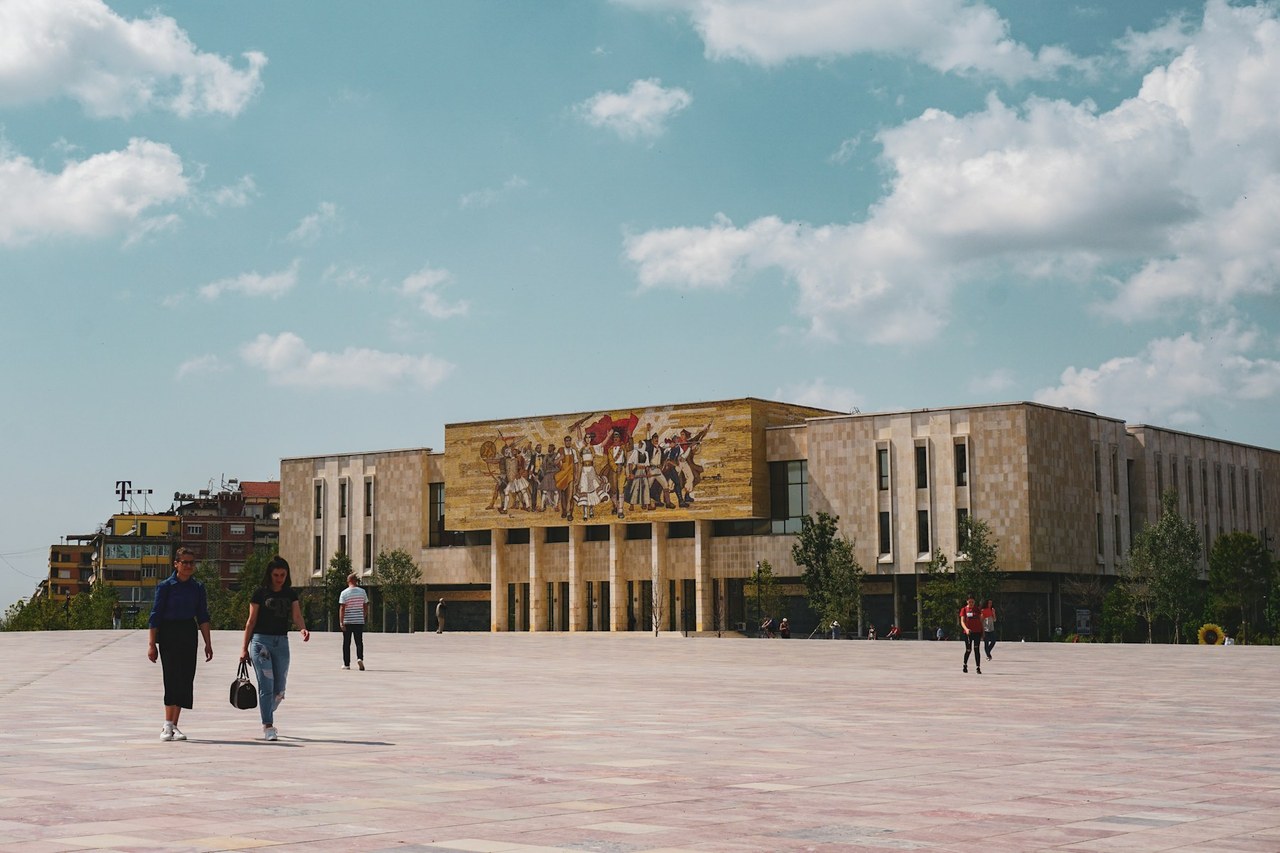
Albania's colourful, fast-changing capital, where communist-era history meets painted buildings, café culture, and nearby peaks.
- Best time to visit: May-June or September-October (mild)
- Daily budget (budget traveller): $40 to $80 USD
- Ideal trip length: 2 to 3 days
Tirana is one of Europe's most surprising capitals: a once-grey communist city transformed into a riot of painted façades, leafy boulevards, buzzing cafés, and a cable car to a mountain on its edge. Its turbulent history is everywhere, from a nuclear bunker museum to a pyramid built for a dictator. It's affordable, energetic, and refreshingly real. Joy Plus routes the central squares, the Cold War sights, and the Dajti Mountain escape, and times your onward trip to the Albanian Riviera.
Tirana is the capital that rewrote itself in one generation. Until 1991 it was one of the most closed cities in Europe: grey blocks, almost no cars, and a ruling elite sealed inside the Blloku quarter. Then Mayor Edi Rama had the apartment blocks painted in loud colours, the traffic arrived, and the cafés never left. Today you can drink a 120 lek espresso in what used to be Enver Hoxha's neighbourhood, climb a former dictator's mausoleum for free, and be the only foreigner in a byrek shop before 9am. It is chaotic, cheap and a lot more fun than its reputation.
The sights are compact and the history is close to the surface. Skanderbeg Square, the National History Museum, Et'hem Bey Mosque and the clock tower sit within a five-minute walk of each other. The Cold War sites are the real hook: Bunk'Art 1 is a 24-room nuclear bunker in the Dajti foothills, Bunk'Art 2 sits under the centre, and the House of Leaves covers the Sigurimi secret police in a building that was once their HQ. Then you leave all of it behind. The Dajti Express cable car lifts you to a cooler, pine-scented mountain in 15 minutes, and Krujë, Berat and Durrës are each a cheap furgon ride away.
Most people give Tirana a night on the way to the Riviera. Give it three, or use it as a base for a week. Eat tavë kosi at Oda Garden, take the bus to the lake, argue happily with a taxi driver, and let a stranger buy you a raki. Prices below are 2026 estimates in lek (roughly 91 lek to €1 and 81 lek to $1 in October 2026), and they move a little each year, so treat them as a guide, not a quote.
How many days in Tirana?
For Tirana, we recommend 2 to 3 days. With more time, add a day trip to Durrës.
| Trip length | What you'll see | Itinerary |
|---|---|---|
| 2 days · Recommended | Skanderbeg Square and Pazari i Ri; Hoxha's Tirana: surveillance, bunkers and the Pyramid | Tirana in 2 days |
| 3 days · Recommended | Adds: Bunk'Art 1 and the Dajti cable car | Tirana in 3 days |
| 4 days | Adds: Krujë: castle town day trip | Tirana in 4 days |
| 5 days | Adds: Berat: the town of a thousand windows | Tirana in 5 days |
| 7 days | Adds: Slow city day: Grand Park and Blloku; Market breakfast | Tirana in 7 days |
Tirana itinerary
Arrive, Skanderbeg Square and Pazari i Ri
Morning: Land at TIA (Nënë Tereza). Take the Rinas Express airport bus (about 400 lek) into the centre. Drop bags, then a 120 lek macchiato on a terrace near the square.
Afternoon: Walk Skanderbeg Square. National History Museum (about 700 lek, closed Mondays), then Et'hem Bey Mosque (free outside prayer times) and the Clock Tower.
Evening: Walk to Pazari i Ri. Dinner at Oda Garden: tavë kosi and fërgesë, book ahead on weekends. Wander the lit-up painted streets after.
Hoxha's Tirana: surveillance, bunkers and the Pyramid
Morning: House of Leaves at opening (10am, closed Mondays), a chilling look at the Sigurimi secret police. Follow with Bunk'Art 2 in the centre.
Afternoon: Lunch at Mulliri i Vjetër or Era. Climb the Pyramid of Tirana for free and slide down the side if you dare.
Evening: Blloku at golden hour. Coffee at Colonial Café, then Komiteti Kafe-Muzeum and Radio Bar for drinks in the former forbidden quarter.
Bunk'Art 1 and the Dajti cable car
Morning: Taxi (about 700 lek) to Bunk'Art 1 for opening (9am). Allow 90 minutes underground.
Afternoon: Dajti Express up (about 2,500 lek return). Cooler air, a mountain lunch, a short trail walk. Come down around 4pm.
Evening: Walk the Artificial Lake loop in Grand Park at sunset. Dinner at Mullixhiu if you booked, or a casual grill in the park.
Krujë: castle town day trip
Morning: Furgon from the north bus terminal (about 250 lek, 45 to 60 min). Skanderbeg Museum inside the castle, then the Old Bazaar.
Afternoon: Lunch at a terrace restaurant on the bazaar street. Walk up to the Dollma Tekke if the weather is good.
Evening: Bus back by 5pm. Easy dinner in Blloku, early night.
Berat: the town of a thousand windows
Morning: 8am furgon from the south terminal to Berat (about 600 lek, 2 hours). Walk Mangalem and cross the Gorica bridge.
Afternoon: Climb to Berat Castle, still lived in. Onufri Museum inside the Church of St Mary. Lunch with a view in the castle.
Evening: Late afternoon furgon back, or stay the night in Mangalem and return next morning.
Slow city day: Grand Park and Blloku
Morning: Pastry and coffee, then the botanical garden at the end of Grand Park.
Afternoon: Long lunch at Mullixhiu or a street-side Albanian spot. Wander Rruga Dëshmorët e 4 Shkurtit and the independent shops.
Evening: Raki and live music in Blloku. Last-night dinner at Era or Oda Garden.
Market breakfast and depart
Morning: Early at Pazari i Ri for fresh figs, honey and cheese. Byrek and Albanian coffee standing at a bakery counter.
Afternoon: Pick up gifts: raki, mountain tea, olive oil. Bus or taxi to TIA.
Evening: Rinas Express runs roughly hourly, or a Bolt to the airport is about 1,500-2,000 lek.
Best neighbourhoods
- Skanderbeg Square & centre: The vast central plaza ringed by the National History Museum, mosque, opera, and clock tower.
- Blloku: The former communist elite's closed quarter, now the city's trendiest café, bar, and boutique district.
- Pazari i Ri (New Bazaar): The restored market quarter: produce stalls, restaurants, and colourful surrounding streets.
- Grand Park & Artificial Lake: The green lung south of the centre: walking paths, cafés, and the lakeside.
- Dajti slopes: The eastern edge where the cable car climbs to mountain views, trails, and restaurants.
Must-do experiences
- Skanderbeg Square: The reimagined central square, the symbolic heart of Albania, surrounded by key monuments and museums.
- Bunk'Art museum: A vast Cold War nuclear bunker turned museum on Albania's communist history and surveillance state.
- Dajti Express cable car: A 15-minute ride to Dajti Mountain for panoramic city views, hiking, and mountain dining.
- The Pyramid of Tirana: The once-derelict monument to dictator Hoxha, reborn as a striking, climbable cultural and tech hub.
Hidden gems
- The House of Leaves, a chilling museum of communist-era secret surveillance.
- Climbing the colourful, regenerated Pyramid for rooftop city views.
- The café and bar scene of Blloku, once forbidden to ordinary citizens.
- A day trip to the castle town of Krujë or the UNESCO city of Berat.
Daily budget
- Accommodation: budget 1,200-2,200 lek / night (hostel dorm), mid-range 8,000-14,000 lek (boutique double), splurge 18,000+ lek (Tirana Marriott on Skanderbeg Square). Blloku and the streets near Pazari i Ri are the best-value bases. Rooms rise 20 to 30% in July and August.
- Food: budget 2,000-3,000 lek / day (byrek, qofte, markets), mid-range 4,500-7,000 lek (one proper dinner), splurge 10,000+ lek (Mullixhiu tasting menu with wine). A slab of byrek is 100-200 lek. A lunch plate of qofte or tavë kosi at a local spot is 600-1,000 lek.
- Transport: budget 200-400 lek / day (city bus 40 lek, mostly walking), mid-range 1,000-2,000 lek (taxis plus a furgon day trip), splurge 9,000+ lek (private driver to Berat). The centre is walkable. Furgons to Krujë (about 250 lek) and Berat (about 600 lek) leave when full.
- Activities: budget 1,000-2,000 lek / day (free Pyramid climb plus one museum), mid-range 4,000-6,500 lek (Dajti Express, Bunk'Art 1 and 2), splurge 10,000+ lek (private guide, Berat wine tasting). Dajti Express is about 2,500 lek return. Bunk'Art 1 is about 1,000 lek, Bunk'Art 2 about 600 lek.
- Drinks & nightlife: budget 600-900 lek (coffee plus a local Korça or Tirana beer), mid-range 2,000-3,500 lek (Blloku bar crawl), splurge 6,000+ lek (cocktails and a late club night). Espresso is 100-150 lek, beer 300-450 lek, a raki 200-350 lek. Cocktails in Blloku run 800-1,300 lek.
Where to stay
- Social hostel in Central Tirana, near Skanderbeg Square (1,200-2,200 lek / night): Tirana Backpacker Hostel or Trip'n'Hostel: walkable to everything, shared kitchens, family dinners and day trips to Berat and Krujë.
- Boutique hotel in Blloku / Pazari i Ri edge (8,000-14,000 lek / night): Mak Albania Hotel or Plaza Tirana style stays: quiet rooms, breakfast included, five to ten minutes on foot to cafés and the Pyramid.
- Apartment in Blloku or the streets behind Pazari i Ri (5,000-9,000 lek / night): A one-bed with a balcony above the cafés. Best value for 4+ nights, and you shop at the market like everyone else.
- Splurge in Skanderbeg Square (18,000-30,000 lek / night): Tirana Marriott Hotel: on the square itself, rooftop views and the best breakfast in the city.
What to eat
- Tavë kosi, baked lamb with yoghurt, the national dish
- Byrek, flaky filled pastry from a street bakery
- Fërgesë, a rich pepper, tomato, and cottage-cheese bake
- Strong Albanian coffee and homemade raki
Day trips
- Krujë (35 km, 45 to 60 min by furgon): Skanderbeg's castle town perched in the hills. The Skanderbeg Museum, an old Ottoman bazaar with rugs and souvenirs, and the Dollma Tekke on the hillside. Furgon from the north bus terminal, about 250 lek each way. Ask your host which stand to use, as stops move.
- Berat (120 km, about 2 hours by furgon): UNESCO's town of a thousand windows. Whitewashed Ottoman houses stacked up the hillside, a living castle and the Onufri Museum. Furgon from the south bus terminal, about 600 lek each way, leaves when full. Aim for 8am. Stay overnight if you can.
- Durrës (35 km, 40 to 60 min by furgon or bus): Albania's main port city with a Roman amphitheatre, a Venetian tower and a long, easy beach promenade. Bus or furgon from the Durrës terminal, about 250-300 lek each way. Fresh seafood at the beachfront.
When to visit
- Spring (April to June): 16-28°C, sunny with a few showers in April. Crowds: Light to moderate. The sweet spot. Terraces open, the Grand Park is green, and Dajti is walkable. May and early June are best.
- Summer (July to August): 30-38°C, dry, heavy afternoon heat. Crowds: Moderate in the city, heavy on the coast. Hot but workable. Sightsee early, nap at midday, come alive after 8pm. Great as a launchpad to the Riviera.
- Autumn (September to October): 18-29°C, warm, rain from late October. Crowds: Light, thins out after mid-October. The locals' favourite. Warm evenings, grape and pomegranate season, and clear Dajti views.
- Winter (November to March): 4-14°C, rainy, grey spells, snow on Dajti. Crowds: Very low. Cheapest rooms and empty museums, but wet pavements and early dark. Good for a cheap city break, bad for day trips.
Entry rules for your passport
Visa rules for Albania depend on the passport you travel on. Check the official source before you book: Albania Ministry for Europe and Foreign Affairs
Getting there
Tirana International Airport Nënë Tereza (TIA) is about 17km northwest of the centre. The Rinas Express airport bus costs about 400 lek, runs roughly hourly, and takes 30 to 40 minutes. A Bolt or local taxi app to the centre is about 1,500-2,000 lek. Airport taxis quote a flat 2,500 lek or more, so agree the price before you get in. By road, international buses run from Podgorica, Prishtina, Skopje and Thessaloniki to Tirana's terminals. Ferries from Bari and Brindisi arrive in Durrës, then a 40-minute furgon or bus to Tirana (about 250-300 lek). Ask your hotel which terminal serves your destination, since departure points shift.
Getting around
Central Tirana is compact and easily walked, with most sights around Skanderbeg Square and Blloku. The city has no metro; buses are cheap but informal. Taxis and the Patoko/Speed Taxi apps are affordable. The Dajti Express cable car is reached by a short taxi ride. For day trips to Krujë, Berat, or the coast, use intercity furgon minibuses or a rental car.
Safety
Tirana is safe and friendly, with low crime. Traffic and chaotic driving are the main hazard, so take care crossing roads. Use app-based taxis or agree fares first. Pavements and infrastructure can be uneven. Albanians are exceptionally hospitable, and English is widely spoken among the young.
Solo travel tips
- Join the free walking tour on day one: Tirana Free Tour and similar groups leave from Skanderbeg Square daily and run on tips. You get context for the bunkers and the colourful façades, and a built-in group for dinner.
- Eat the half portion: Albanian portions are huge. Ask for 'gjysmë porcion' (half) of tavë kosi or qofte, and share a salad. It saves 300-500 lek and lets you try three dishes in one sitting.
- Hostel pick: Tirana Backpacker Hostel or Trip'n'Hostel: Both sit in the walkable centre, run family-style dinners and day trips, and attract a steady stream of solos heading to the coast.
- Cross like a local: Drivers do not stop at zebras. Step off the kerb confidently, make eye contact and keep walking at a steady pace. Never freeze or dart in the road.
- Solo female travellers: Tirana is among the calmer capitals in the Balkans. Expect curious stares in some cafés and plenty of offers of help. Use Bolt or a local taxi app at night, and watch drinks in Blloku clubs.
- Say yes to the coffee: Albanian hospitality is real. When a shop owner or bartender offers you a coffee or raki, accept one round. It turns a transaction into a recommendation, and it's how you find the best byrek stall.
Cultural etiquette
- Albanians often shake their head side to side for 'yes' and nod for 'no', the reverse of what you're used to. Confirm with 'po' (yes) and 'jo' (no) to avoid confusion.
- Accept the coffee or raki when offered. Refusing outright is rude, and a polite sip then 'faleminderit' (thank you) is fine.
- Cover shoulders and knees at mosques and churches, and remove shoes at mosques. Et'hem Bey Mosque is closed to visitors during prayer times.
- Don't make the double-headed eagle hand sign casually. It's a football gesture and carries political weight, especially around Serbian and Kosovar topics.
- Take shoes off in Albanian homes if invited, and bring a small gift like chocolates or fruit.
- Locals have mixed feelings about the Hoxha era. Ask respectful questions, don't joke about it, and listen to family stories.
- Dinner is 8 to 10pm and cafés linger. A coffee buys you a table for two hours, so nobody rushes you.
Frequently asked questions
How many days do you need in Tirana?
Two to three days covers the central squares, the Cold War museums, the Pyramid, and the Dajti cable car, with time for a Krujë or Berat day trip if you stay longer.
Is Tirana good for solo travellers?
Yes. It's safe, very affordable, and increasingly geared to travellers, with a growing hostel and café scene. Albanians are famously hospitable and helpful.
When is the best time to visit Tirana?
May-June and September-October bring mild, pleasant weather. Summers are hot (and a good launchpad to the coast); winters are cool and wet but quiet and cheap.
Is Tirana worth visiting?
Yes, Albania's lively, quirky capital is fast-changing, cheap and full of character, colourful buildings, café culture, communist history and warm locals. A great base for exploring the country.
Is Albania cheap?
Yes, one of the cheapest countries in Europe, very affordable food, drinks, accommodation and transport. Tirana offers excellent value.
Is Tirana safe for tourists?
Yes, it's generally safe and welcoming, with low crime and hospitable people. Use normal caution; the main hassles are chaotic traffic and a lack of pedestrian discipline.
How much does a trip to Tirana cost?
Budget around $40 to $80 USD per person per day, covering a hostel bed or simple room, local transport, two or three meals out and an activity or entry ticket. You can go lower with markets and free walking tours, or far higher with boutique hotels and private guides.
How much does a solo trip to Tirana cost?
Budget on roughly $40-$80 USD per day in Tirana as a solo traveller. That covers a hostel bed or simple room, local food, getting around and a couple of paid sights. Mid-range comfort with private rooms, sit-down dinners and the odd tour runs closer to double, while shoestring travellers who cook and stick to street food can come in under it.
Is Tirana safe for solo female travellers?
Tirana is generally a comfortable place to travel solo, including for women, as long as you use normal city sense. Tirana is safe and friendly, with low crime. Traffic and chaotic driving are the main hazard, so take care crossing roads. Use app-based taxis or agree fares first. Pavements and infrastructure can be uneven. Albanians are exceptionally hospitable, and English is widely spoken among the young.
How do you get around Tirana?
Central Tirana is compact and easily walked, with most sights around Skanderbeg Square and Blloku. The city has no metro; buses are cheap but informal. Taxis and the Patoko/Speed Taxi apps are affordable. The Dajti Express cable car is reached by a short taxi ride. For day trips to Krujë, Berat, or the coast, use intercity furgon minibuses or a rental car.
Tours and activities in Tirana | Tirana in 2 days | Tirana in 3 days | Tirana in 4 days | Tirana in 5 days | Tirana in 7 days
Can't decide? Compare Tirana with...
Joy Plus home | Destinations | Itineraries | Activities | Flights | Budget planner | Calendar | Map | Blog | Lifetime access