Destinations / North America
Todos Santos, Mexico travel guide
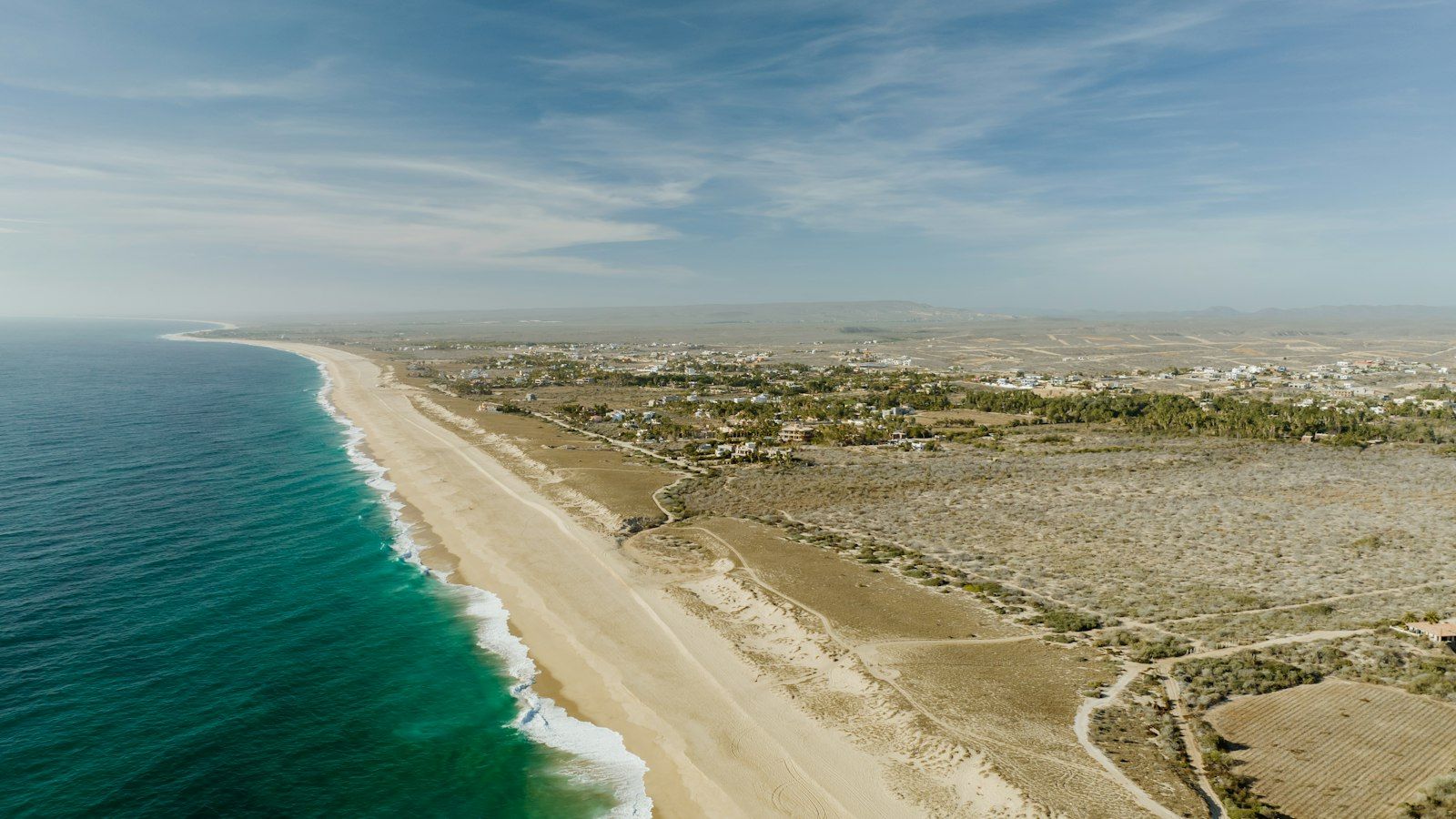
A Pacific-coast Pueblo Mágico on the Tropic of Cancer, with fishing pangas landing on wild beaches, surf at Cerritos, winter whales and turtles, and some of the best cooking in Baja.
- Best time to visit: November to April
- Daily budget (budget traveller): $70 to $245 USD
- Ideal trip length: 4 to 7 days
Todos Santos sits on the Pacific side of the Baja California peninsula, about 75 kilometres north of Cabo San Lucas and roughly 80 kilometres from La Paz, almost exactly on the Tropic of Cancer. It grew up around an 18th-century mission and a freshwater spring that watered sugar cane, mangoes and palms. The town faded when the sugar trade ended, then came back to life as artists, surfers and organic farmers moved in. Today it is a Pueblo Mágico of red-brick buildings, galleries, palm groves and a food scene far bigger than the town itself. The beaches are wild, not resort-calm. Pangas land at Punta Lobos, Playa Las Palmas sits behind a palm grove, and Cerritos, 15 minutes south near El Pescadero, has beginner surf and the safest swimming nearby. From December to April, humpback and grey whales pass offshore, and volunteers release sea turtle hatchlings at sunset. Behind town rise the forested slopes of the Sierra de la Laguna Biosphere Reserve. For a solo traveller it is safe, easy to walk around and sociable, as long as you respect the Pacific.
Todos Santos is a small Pacific town an hour north of Cabo San Lucas, and it feels a world away from the cruise ships and all-inclusives at the tip of the peninsula. It grew up around a mission founded in the 1730s and a spring that watered sugar cane, mangoes and palms. When the water and the sugar trade both dwindled in the 20th century, the town shrank, until painters, surfers and organic farmers gradually brought it back. Mexico named it a Pueblo Mágico in 2006. Today the centro is a grid of restored brick buildings, galleries and coffee shops, surrounded by dirt roads, ranches and some of the most dramatic beaches in Baja. It is not cheap by Mexican standards, because prices follow Los Cabos and North American visitors. Still, a dorm bed, street tacos and the public bus keep a solo budget under control.
For a first visit, stay in the centro, where you can walk to the plaza, the bus stop and the taco stands. If you care more about surf than galleries, stay in El Pescadero, 15 minutes south. Autobuses Águila runs along Highway 19 between La Paz and Los Cabos with a stop in the centre of Todos Santos, which covers airport connections and a day in La Paz. For Playa Las Palmas, La Pastora and the Sierra de la Laguna trailheads, hire a car for two or three days or book a guided trip. Plan your evenings around the seasons. From about December to March, Tortugueros Las Playitas releases turtle hatchlings at sunset on Las Tunas beach, and between December and April the pangas at Punta Lobos take visitors out to see whales.
This is a Pacific town, not a swimming resort. Most beaches have rip currents and heavy shore break, so swim at Cerritos and treat the rest as places to walk, surf if you are experienced and watch the sunset. Winter brings warm, dry days, nights that need a jumper and the most visitors. Spring is quieter and sunny. Late summer is hot and sticky, with hurricanes possible and many businesses closing for weeks in September and October. November is a good gamble, when everything reopens and the crowds have not yet arrived. The town is easygoing and safe, the expat community is large, and solo travellers soon meet others at surf schools, the hostel bar and the Saturday market.
Todos Santos itinerary
Fly into Los Cabos, roll into Todos Santos
Morning: Land at SJD. Pick up a hire car or a pre-booked shuttle (about 1.5 hours). On a budget, take a taxi to the Águila terminal in San José del Cabo or Cabo San Lucas and ride the bus north (about 1 hour 15 minutes from Cabo San Lucas).
Afternoon: Check in and walk to the plaza. Get your bearings around the mission, the theatre and the shady side streets of the centro.
Evening: Street tacos at Tacos Isaac or one of the evening stands, then an early night. The roosters start early.
Centro Histórico, La Poza and a turtle release
Morning: Coffee at Taller 17. Visit the mission church, look in at the Hotel California, then the Centro Cultural Prof. Néstor Agúndez Martínez. Spend the rest of the morning in the galleries.
Afternoon: Lunch at Pacifica Fish Market. Walk out to La Poza lagoon for the birds and the dunes. Look at the surf from the beach, but do not swim.
Evening: From about December to March, go to the Tortugueros Las Playitas release at Las Tunas, usually around 5-5:30pm (check their Facebook page that day). Dinner back in the centro.
Punta Lobos pangas and Playa Las Palmas
Morning: Head to Punta Lobos early, turning off Highway 19 near Km 54. Walk the beach, watch the boats launch and climb the headland trail for views.
Afternoon: Bring a picnic to Playa Las Palmas near Km 57, through the palm grove. It is daylight only, has no services and the water is rough, so walk rather than swim.
Evening: Back to Punta Lobos as the pangas come in, then dinner at Jazamango (book ahead and check which day it closes).
Surf Cerritos, feast in El Pescadero
Morning: Bus or drive to Cerritos (15 minutes; the turn-off is near Km 64). Take a group surf lesson at Mario Surf School or another school on the beach (about 950-1,200 MXN).
Afternoon: Fish or shrimp tacos at Barracuda Cantina, then swim at the calmer end of the beach and rent a board if you want more time in the water.
Evening: Dinner in the garden at Hierbabuena in El Pescadero (walk-ins; check opening days). Take a taxi or drive back before late.
Sierra de la Laguna
Morning: Leave by 7am. Join a guided naturalist hike (Todos Santos Eco Adventures runs day hikes), or drive the rough track to La Burrera, which turns off just south of Km 54. Pay the CONANP fee and ranch fee in cash.
Afternoon: Climb into oak and pine forest for views down to the Pacific. Carry 3 litres of water and turn back with plenty of daylight left. The trails are poorly signed.
Evening: Slow evening in town. Ceviche or tacos, and a margarita on a rooftop if your legs allow.
Whales by panga, sunset at La Pastora
Morning: From about December to April, go out on a whale-watching panga from Punta Lobos with a local operator (roughly 1,500-3,000 MXN; confirm the price and what is included). On a Saturday out of season, go to the Mercado Ranchero instead.
Afternoon: Siesta, then pick up a bottle of damiana or browse the galleries you missed.
Evening: Drive or taxi up the coast to La Pastora for sunset and dinner at The Green Room, and look out for whale spouts offshore in season.
Day trip to La Paz
Morning: Take the Águila bus to La Paz (about 1.5 hours). Walk the Malecón and have a seafood lunch near the waterfront.
Afternoon: Take a taxi to Playa Balandra for calm, shallow turquoise water, a big contrast to the Pacific. Visitor numbers and hours are limited, so check the day's rules first.
Evening: Catch an early-evening bus back to Todos Santos (confirm the last departure), or stay over and fly out of La Paz (LAP).
Best neighbourhoods
- Centro Histórico: The grid of streets around the plaza, the mission church and the old Teatro Cine Márquez de León, full of galleries, cafés, boutique hotels and evening taco stands. Easy to walk around, and the Águila bus stops here.
- La Huerta and the palm oasis: The green, low-lying edge of town where the old spring-fed orchards and palm groves still grow. It is quieter than the centro, with rental casitas and Jazamango's garden restaurant, and only a short walk or ride from the plaza.
- La Cachora and Las Tunas: Sandy roads northwest of town lined with rental houses and small inns, leading to long, empty surf beaches. Las Tunas is home to the Tortugueros Las Playitas hatchery, and La Pastora's sunset beach is further up the coast.
- Punta Lobos and the south road: The fishermen's beach just south of town off Highway 19, with Hotel San Cristóbal, beach clubs and the dirt track on to Playa Las Palmas. Come here for dawn walks, the pangas and whale boats.
- El Pescadero and Cerritos: A farming village about 15 minutes south with surf schools, cheaper stays, Hierbabuena's garden restaurant and Barracuda Cantina. Cerritos beach is the area's beginner surf break and has the safest swimming.
Must-do experiences
- Watch the pangas land at Punta Lobos: Fishermen launch small boats straight through the surf and bring them back in the afternoon while pelicans circle overhead. Some sell their catch straight from the boats.
- Join a sunset turtle hatchling release: From around December to March, Tortugueros Las Playitas releases leatherback, olive ridley and black turtle hatchlings at sunset on Las Tunas beach. Entry is free, and donations keep the project going.
- Take a surf lesson at Cerritos: Cerritos has a sandy bottom, a friendly right-hand break at the north point and a beach lined with surf schools. Group lessons cost about 950 to 1,200 MXN and include a soft-top board.
- Go whale watching in a panga: From roughly December to April, local captains take small boats out from Punta Lobos to look for humpback and grey whales. You will often see dolphins, turtles and sea lions too.
- Hike in the Sierra de la Laguna: Swap desert for pine and oak forest in the UNESCO biosphere reserve behind town. Go with a naturalist guide, or drive to the La Burrera trailhead and pay the CONANP fee and ranch fee in cash.
- Walk the Centro Histórico: Start at the mission church on the plaza, pass the Hotel California, which has nothing to do with the Eagles song, then visit the Centro Cultural and the galleries in the restored brick buildings.
- Eat at Jazamango: Chef Javier Plascencia's garden restaurant cooks Baja produce, seafood and wood-fired meats. Book ahead, or have breakfast at Jazamango Café in the centre instead.
- Catch the sunset at La Pastora: Drive up the coast road north of town to a wild surf beach where whales pass in winter. The Green Room serves drinks and seafood right on the sand.
Hidden gems
- The trail over the headland above Punta Lobos, a short, steep climb to big coastal views, best on a cool morning with water and proper shoes
- Playa Las Palmas, a cove behind a palm grove at the end of a dirt road near Km 57, with no services, almost nobody around and surf that is too rough for most swimmers
- La Poza lagoon on the western edge of town, a quiet freshwater pool behind the dunes where herons, egrets and other waterbirds feed at dawn
- The Saturday morning Mercado Ranchero, with local cheese, honey, tamales and organic produce from the farms around Todos Santos and El Pescadero
- The Centro Cultural Prof. Néstor Agúndez Martínez, a former school with murals and small displays on the town's mission, sugar and ranching history
Daily budget
- Accommodation: budget 300-500 MXN / night (hostel dorm), 900-1,400 MXN for a basic private room, mid-range 2,000-4,000 MXN (boutique hotel or casita), splurge 8,000+ MXN (Paradero, Kimpton Mas Olas, Hotel San Cristóbal). Many places quote in US dollars and add taxes of around 19-20% on top, so check the final price. Christmas, New Year and Semana Santa sell out early. Some places close for part of September and October.
- Food: budget 400-650 MXN / day (street tacos, market food, self-catering), mid-range 900-1,600 MXN (café breakfast, beach lunch, one sit-down dinner), splurge 2,000+ MXN (Jazamango, Hierbabuena, Oystera with cocktails). Street tacos run roughly 35-70 MXN each. Mains in tourist restaurants are about 250-450 MXN. Tipping 10-15% is standard at sit-down restaurants.
- Transport: budget 0-250 MXN / day (walking, Águila bus along Highway 19), mid-range 900-1,600 MXN (hire car with insurance, plus fuel), splurge 3,000+ MXN (private airport shuttle or driver). Águila fares to Cabo San Lucas or La Paz are roughly 150-250 MXN. Taxis are unmetered, so agree the price first. A hire car is worth it for two or three days of beaches and the Sierra.
- Activities: budget 0-350 MXN / day (beaches, free turtle release, Sierra park and ranch fees), mid-range 950-2,500 MXN (surf lesson, whale-watching panga), splurge 3,000+ MXN (private guided Sierra hike, private boat charter). Group surf lessons at Cerritos cost about 950-1,200 MXN and board hire about 400 MXN a day. In the Sierra, CONANP charges around 125 MXN a day, plus a ranch fee of about 100-200 MXN. Check current rates.
- Drinks & nightlife: budget 60-150 MXN (OXXO beer and one bar beer), mid-range 300-600 MXN (margaritas, mezcal, sunset drinks), splurge 1,000+ MXN (beach club or hotel rooftop cocktails). Nightlife means a few bars, live music some nights and sunset drinks. Most places wind down by 11pm. Surf crowds in El Pescadero go to bed early.
Where to stay
- Social hostel in Centro edge, Todos Santos (300-500 MXN / night (dorm)): Todos Santos Hostel on Calle Francisco Bojórquez Vidal has dorms, safari tents, a big shared kitchen, a bar and shady mango trees. It is about an 18-minute walk to the plaza and 15 minutes to La Poza beach.
- Boutique hotel in Centro Histórico, Todos Santos (2,500-5,500 MXN / night): Guaycura Boutique Hotel puts you a block from the plaza, with a rooftop restaurant, El Mirador, looking over the palm oasis to the ocean. Posada La Poza, by the lagoon, is a quieter alternative.
- Apartment in La Huerta or El Pescadero (1,300-2,500 MXN / night): Rental casitas with a kitchen, either around the palm groves near the centro or among the farms of El Pescadero near Cerritos. Cooking with market produce cuts your food bill a lot.
- Splurge in Punta Lobos and the south road (8,000-20,000+ MXN / night): Paradero Todos Santos, among farmland near Las Palmas, Hotel San Cristóbal on Punta Lobos, or Kimpton Mas Olas, for pools, design and complete quiet.
What to eat
- Fish tacos: battered local fish in a corn tortilla with cabbage, crema and salsa. Barracuda Cantina at Cerritos and Pacifica Fish Market in town are favourites
- Evening street tacos: carne asada and adobada from stands such as Tacos Isaac, usually around 35-60 MXN a taco
- Ceviche and aguachile: raw local fish or shrimp cured in lime with chilli, cucumber and red onion. Tacos y Mariscos El Sinaloense is a cheap seafood stop
- Chocolate clams (almejas chocolatas): a Baja Sur speciality named for their brown shells, served raw with lime or grilled with butter and chilli
- Farm-to-table Baja cooking: Jazamango in Todos Santos and Hierbabuena in El Pescadero, where much of what you eat grows in the gardens beside your table
- Damiana: a herbal liqueur made from a Baja Sur desert shrub, drunk neat or added to margaritas, and a good bottle to take home
- Coffee and pastries at Taller 17, or a slow breakfast at Jazamango Café or La Esquina
Day trips
- La Paz and Playa Balandra (About 80 km, 1.5 hours by Águila bus): The state capital on the Sea of Cortez, with a seafront Malecón, good seafood and calm turquoise bays such as Balandra. Boat trips run to Espíritu Santo island and the sea lion colony at Los Islotes. Águila buses run several times a day from the centre of Todos Santos. From La Paz, take a taxi to Balandra or book a boat trip to Espíritu Santo a day ahead. Check Balandra's opening rules and the last bus back.
- Sierra de la Laguna Biosphere Reserve (About 45 minutes to an hour by dirt road to the La Burrera or El Portón trailheads): A UNESCO biosphere reserve rising to pine and oak forest, with many endemic plants and birds. Day hikes climb to big Pacific views, and multi-day routes cross to the high meadow. Go with a guide such as Todos Santos Eco Adventures (around 1,800-2,300 MXN per person including transport, permit and lunch; check current prices), or drive yourself with good clearance. Pay the CONANP fee (about 125 MXN) and the ranch fee in cash. Multi-day hikes may need a camping permit.
- Cabo San Lucas and El Arco (About 75 km, 1 hour 15 minutes by bus): A complete contrast to Todos Santos: marina, nightlife and the famous rock arch at Land's End. A water taxi gets you to El Arco and Lover's Beach in half an hour. Take the Águila bus south to Cabo San Lucas, then walk to the marina for a water taxi (agree the price and pick-up time first). Check the last bus north, or stay overnight.
When to visit
- Whale and turtle season (December - March): 23-27°C days, 12-16°C nights, dry and sunny, cool Pacific water. Crowds: Peak at Christmas and New Year, then steady with North American snowbirds. The classic time to come. Whales offshore, nightly turtle releases and perfect walking weather. Book rooms and Jazamango early, and pack a fleece for the evenings.
- Spring (April - June): 26-32°C, dry, breezy afternoons, sea still on the cool side. Crowds: Busy over Semana Santa, then quiet. Sunny and calmer, with the last whales in April. Good value after Easter. Bring a spring suit wetsuit for surfing.
- Summer and hurricane season (July - October): 32-36°C, humid, short heavy storms, hurricane risk peaking August to October. Crowds: Lowest of the year. Hot and sticky, with the warmest water and the cheapest rooms. Many restaurants and hotels close for part of September and October, so check before booking and watch the forecasts.
- Autumn shoulder (November): 27-31°C easing to warm evenings, mostly dry, warm sea. Crowds: Low to moderate, building towards December. The locals' pick. Businesses reopen, the sea is still warm and prices have not peaked. Turtle releases usually start around the beginning of December.
Entry rules for your passport
Visa rules for Mexico depend on the passport you travel on. Check the official source before you book: Mexico National Migration Institute
Getting there
Todos Santos has no commercial airport. Most international travellers fly into Los Cabos (SJD), about 95 km and roughly 1.5 hours away, which has non-stop flights from many US and Canadian cities. From Europe, you usually connect in the US, Mexico City or Guadalajara. La Paz (LAP) is about the same driving time away and has mainly domestic flights. If you arrive by air, there is no longer a paper tourist card at most airports. Immigration stamps your passport with your permitted stay, and you can download the digital FMM record from the INM website. Private shuttles from SJD start at around 3,000 MXN, and many visitors hire a car at the airport instead. There is no bus from the SJD terminal, so take a taxi to the Águila bus station in San José del Cabo or Cabo San Lucas, then ride north on Highway 19 (about 1 hour 15 minutes from Cabo San Lucas). Águila also runs frequent buses from La Paz (about 1.5 hours). Fares are roughly 150-250 MXN, and the stop is in the centre of town. Check times at the station, because online timetables are unreliable.
Getting around
The Centro Histórico is compact and easy to walk, but the beaches, El Pescadero and the Sierra are spread along Highway 19 and down dirt roads. Autobuses Águila runs along the highway between La Paz and Los Cabos with a stop in the centre of Todos Santos. Buses take about 1 hour 15 minutes to Cabo San Lucas and around 1.5 hours to La Paz, and fares are roughly 150-250 MXN, so check at the ticket office. Southbound buses can drop you at El Pescadero, and Cerritos beach is roughly 2 km down the turn-off near Km 64. Taxis wait near the plaza and do not use meters, so agree the fare before you get in. Ride-hailing apps are unreliable here. A hire car for two or three days gives you Las Palmas, La Pastora and the Sierra trailheads. Expect sandy, rutted tracks, check exactly what insurance is included, and avoid driving at night, when cattle wander onto unlit roads.
Safety
Todos Santos is one of the more relaxed places in Mexico for solo travellers, and Baja California Sur usually carries a lower government travel advisory level than many Mexican states. Check your own government's advice before you go. The ocean is the real danger. Most beaches near town have strong rip currents, heavy shore break and no lifeguards. Swim at Cerritos, or in the sheltered corner of Punta Lobos on calm days after asking locals, and never swim alone at the wild beaches. Petty theft from cars parked at beaches does happen, so leave nothing on show. Avoid driving Highway 19 and the dirt roads after dark because of livestock and potholes. The sun is fierce all year, desert hikes need plenty of water, and it is worth shaking out your shoes in case of scorpions. Hurricane season runs from roughly June to November and peaks from August to October, so watch the forecasts and follow local instructions if a storm is coming.
Solo travel tips
- Base yourself in the centro: You can walk to the bus, the taco stands and the cafés, and avoid paying for a taxi every evening. Stay in El Pescadero only if surfing is the main reason for your trip.
- Respect the Pacific: Most beaches here have rip currents and dumping waves. Swim at Cerritos, ask locals before swimming anywhere else, never swim alone on empty beaches, and get out of the water if you have any doubt.
- Hire a car for two or three days only: Use the Águila bus to get here and for La Paz, then hire a car for the dirt-road days: Las Palmas, La Pastora and the Sierra. Check the insurance carefully and stop driving at dusk.
- Plan around the seasons: Turtle releases run from about December to March and whale trips from December to April. Many businesses close for weeks in September and October. Check opening days before you build your week around a particular restaurant.
- Meet people in the water: Group surf lessons at Cerritos, Sierra hikes and the hostel's shared kitchen and bar are the easiest ways to meet others. Tortugueros Las Playitas also takes volunteers in season if you have more time.
- Safety for solo travellers: Crime against visitors is low, but cars parked at beaches do get broken into. Keep valuables out of sight, use a known taxi at night, and download offline maps, because signal disappears in the Sierra and on the beach tracks.
Cultural etiquette
- Greet people as you go in. A 'buenos días' or 'buenas tardes' in shops and taxis matters here, and a little Spanish gets you a warmer welcome.
- Dress respectfully in the mission church, with covered shoulders and no beachwear, and stay quiet during Mass.
- Ask before photographing fishermen, market sellers or people's homes. A quick '¿Se puede?' usually gets a yes.
- Keep well back during turtle releases. Follow the volunteers' instructions exactly, with no flash, no touching and no lights on the beach.
- Tip 10-15% in sit-down restaurants, round up for taxi drivers who help with bags, and leave something for surf instructors and boat captains if they did a good job.
- Respect private land. Many beach tracks and Sierra trailheads cross ranches, so pay the access fee, close gates and take your rubbish out with you.
- Life slows down in the heat of the afternoon, and some shops close or open late. Plan errands for the morning and early evening.
Frequently asked questions
How do I get from the airport to Todos Santos?
Most travellers fly into Los Cabos (SJD), about 95 km and roughly 1.5 hours away. Private shuttles are the easiest option and start at around 3,000 MXN. Hiring a car at the airport often works out better if you want to reach the beaches anyway. There is no direct bus from SJD. You need a taxi or shuttle to the Águila terminal in San José del Cabo or Cabo San Lucas, then the bus north. La Paz airport (LAP) is about the same distance and has mostly domestic flights, with Águila buses from La Paz city.
How many days do I need in Todos Santos?
Four days covers the town, Punta Lobos, a surf lesson at Cerritos and a turtle release in season. Six or seven days adds a Sierra de la Laguna hike, a whale-watching boat and a day in La Paz without rushing.
When is the best time to visit Todos Santos?
November to April is the best period, with warm days, cool nights and almost no rain. Whales pass offshore from about December to April, and turtle hatchling releases usually run from early December into March. Summer is hot and humid, hurricane risk peaks from August to October, and many restaurants and hotels close for part of September and October.
Can I swim at the beaches in Todos Santos?
Only at a few of them. Most beaches near town have strong rip currents and heavy shore break, and there are no lifeguards. Cerritos, about 15 minutes south, is the safest place to swim and learn to surf. The sheltered corner of Punta Lobos is swimmable on calm days, but ask locals first. Treat La Cachora, La Pastora and Las Palmas as places to walk and watch the sunset.
Do I need a car in Todos Santos?
Not for the town itself, which you can explore on foot, and Águila buses run along the highway to El Pescadero, Cabo San Lucas and La Paz. A hire car for two or three days makes it much easier to reach Las Palmas, La Pastora and the Sierra trailheads. Rates vary widely depending on insurance, so check exactly what is included and do not drive after dark.
Can I use cards, or do I need cash?
Many restaurants, hotels and surf schools take Visa and Mastercard, sometimes with a small surcharge. Taco stands, markets, taxis, park fees and some guesthouses only take cash in pesos. The centre has a handful of bank ATMs. Withdraw in pesos and decline the machine's own currency conversion.
Is Todos Santos safe for solo female travellers?
Yes, it is generally considered relaxed and welcoming, with a large community of foreign residents and plenty of other solo travellers. Take normal precautions. Use a known taxi at night, avoid empty beaches after dark, watch your drink in bars and do not swim alone. The sea and night driving are bigger risks than crime.
What entry rules apply to travellers visiting Mexico in 2026?
Citizens of the UK, EU, US, Canada, Australia and many other countries can visit Mexico without a tourist visa. If you arrive by air, there is no longer a paper tourist card at most airports. The officer stamps your passport with the number of days you are allowed to stay, up to 180, and you can download the digital FMM record from the INM website afterwards. Arrivals by land need an FMM, which carries a fee. You may be asked to show a return ticket, accommodation details and enough funds for your stay. Rules change, so confirm on the official INM site (inm.gob.mx) and your own government's travel advice before you book.
More about Todos Santos
- The 7-Day Mexico City Itinerary for 2026, with Real Prices
- Mexico City vs Medellín for Digital Nomads: Which Base Suits You in 2026?
Tours and activities in Todos Santos | Todos Santos in 2 days | Todos Santos in 3 days | Todos Santos in 4 days | Todos Santos in 5 days | Todos Santos in 7 days
Can't decide? Compare Todos Santos with...
Joy Plus home | Destinations | Itineraries | Activities | Flights | Budget planner | Calendar | Map | Blog | Lifetime access