Destinations / Europe
Toruń, Poland travel guide
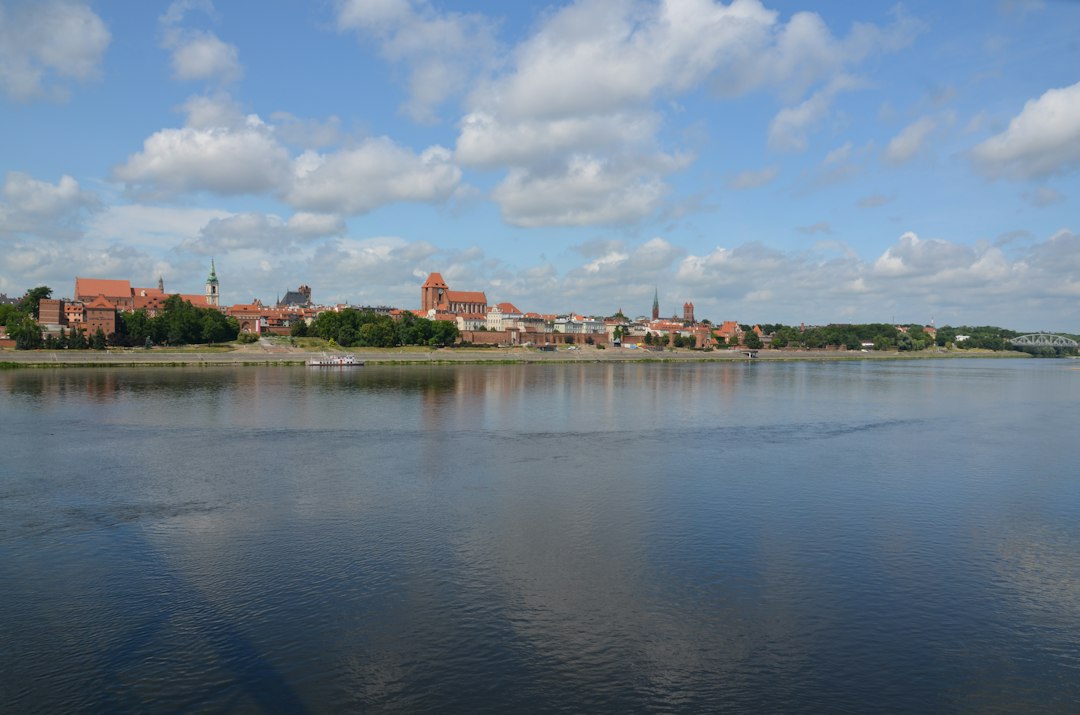
Gothic red brick, spiced gingerbread and Copernicus without the Kraków crowds.
- Best time to visit: May to October
- Daily budget (budget traveller): $45 to $105 USD
- Ideal trip length: 2 to 3 days
Toruń is one of the few Polish cities that walked away from the Second World War entirely intact, leaving a pristine UNESCO Gothic core of towering red-brick basilicas, medieval defensive ramparts and Baroque merchant houses. Perched along the wide Vistula River, Nicolaus Copernicus's birthplace delivers world-class heritage, fragrant handmade pierniki (gingerbread) and vibrant student life without the crushing coach-tour swarms of Kraków or Wrocław.
Toruń looks and feels like a fairytale constructed entirely out of glazed crimson brick. Spared from the airborne devastation that flattened Warsaw and Gdańsk during the Second World War, this former Hanseatic trading powerhouse retains its original 13th-century layout virtually unaltered. As you step out onto the Rynek Staromiejski (Old Town Market Square), the sheer scale of the 14th-century Old Town Hall dominates the horizon, surrounded by Renaissance patrician mansions, brass street sculptures and the sweet, lingering scent of cloves, cinnamon and dark chocolate.
The city owes its legendary reputation to two distinct treasures: its favourite son, Nicolaus Copernicus, who stopped the sun and moved the earth, and pierniki, the spiced honey cakes crafted here since the Middle Ages. But beyond the headline museums, Toruń is an energetic university city packed with over 20,000 students from Nicolaus Copernicus University (UMK). This youth population fills Gothic cellar vaults with live jazz, turns neglected riverfront barges into warm-weather craft beer lounges, and keeps food and drink prices among the most wallet-friendly in Central Europe.
Geographically, Toruń is the ideal northern anchor on a journey between Warsaw and the Baltic Coast. Trains from Gdańsk take well under two hours, while Poznań and Łódź are quick connections away. Because most tour groups arrive on rushed four-hour day excursions from bigger cities, staying overnight changes everything. Once the tour buses roll away around 4pm, the cobbled alleys fall silent, the brick buttresses glow under amber floodlights, and the river promenade belongs entirely to you.
Toruń itinerary
Gothic foundations and panoramic heights
Morning: Arrive at Toruń Główny station, hop on bus 22 to Plac Rapackiego, and check in. Start at Rynek Staromiejski. Stand before the Copernicus monument, then enter the monumental 14th-century Old Town Hall. Climb the wooden stairs of the 40-metre tower (22 PLN) for the finest vista over the medieval grid.
Afternoon: Grab a lunch of warm pierogi at Pierogarnia Stary Młyn. Walk down Ulica Kopernika to the twin Gothic merchant houses comprising the House of Nicolaus Copernicus (Dom Mikołaja Kopernika, 26 PLN). Explore the interactive exhibits tracing his planetary models and medieval merchant household life.
Evening: Stroll down to the riverside Bulwar Filadelfijski as the sun sinks low. Cross the road to Jan Olbracht Browar Staromiejski for a pint of house-brewed gingerbread stout (Piernikowe) and roasted pork knuckle or duck with red cabbage in a brick cellar.
Baking secrets, castle ruins and river vistas
Morning: Kick off at 10:00am with a pre-booked workshop at the Live Gingerbread Museum (Żywe Muzeum Piernika, around 40 PLN). Knead the dough, press it into carved wooden moulds, bake your keepsake, and learn the history from costumed guild masters.
Afternoon: Pick up a takeaway savoury zapiekanka near the New Town Market Square. Explore the haunting ruins of the Teutonic Castle (Zamek Krzyżacki, 20 PLN), traversing the subterranean vaulted cellars and the high arched bridge leading to the defensive gdanisko tower.
Evening: Take the scenic evening walk across the bridge or catch a water ferry to the viewing platform on Kępa Bazarowa. Watch the entire Gothic waterfront illuminate in golden light against the broad waters of the Vistula. Head back for craft cocktails at Kona Bar.
New town secrets and grand basilicas
Morning: Explore the quieter New Town (Nowe Miasto). Visit the magnificent Church of St James the Greater, celebrated for its monumental 14th-century wall paintings and lofty nave. Stop for specialty espresso and fresh sernik (cheesecake) at Central Coffee Perks.
Afternoon: Wander along the former moat to the Museum of Toruń Gingerbread (Muzeum Toruńskiego Piernika), housed in an authentic 19th-century factory with historic iron machinery and historic baking moulds. Browse the historic Kopernik bakery shop for gifts.
Evening: Dine at Chleb i Wino on the Old Market Square for freshly baked flatbreads and local wine. Finish with a nightcap at a cellar pub hidden along Ulica Szewska.
Villas, timber frames and city greenery
Morning: Head west into the Bydgoskie Przedmieście district. Admire the eccentric late 19th-century timber-framed Swiss-style villas and elegant Art Nouveau apartment blocks lining Ulica Mickiewicza.
Afternoon: Walk through Park Miejski, one of Poland's oldest public parks, heading down towards the river meadows. Drop into the Toruń Ethnographic Museum near the Old Town border to see traditional wooden windmills, thatched cottages and watermills brought from the surrounding countryside.
Evening: Enjoy home-cooked potato pancakes (placki ziemniaczane) with wild mushroom sauce at a local neighbourhood bistro, followed by a relaxed craft beer on the river embankment.
Day trip to the brick fortress of Chełmno
Morning: Take a morning regional bus from Toruń Dworzec Autobusowy to Chełmno (about 50 minutes, roughly 16 PLN). This quiet gem sits perched high on a bluff above the Vistula and retains almost intact medieval perimeter walls.
Afternoon: Walk along the 2.3 kilometres of fortified ramparts. Visit the Renaissance Town Hall standing proudly in the vast market square and explore the magnificent Gothic Church of the Assumption, which preserves relics of St Valentine.
Evening: Return to Toruń in the late afternoon. Unwind with hot spiced mulled wine (grzane wino) or cider at a quiet café on Rynek Nowomiejski.
Brine mist and spa heritage in Ciechocinek
Morning: Hop on a local bus or train to the nearby historic spa town of Ciechocinek (35 minutes, around 12 to 15 PLN). Walk toward the colossal wooden graduation towers (Tężnie Solankowe), the largest timber structures of their kind in Europe.
Afternoon: Inhale the restorative iodine-rich microclimate as brine cascades down blackthorn branches along the 1.7-kilometre structure. Wander through the manicured Spa Park (Park Zdrojowy) and inspect the whimsical 19th-century timber pump room.
Evening: Head back to Toruń for your final dinner. Book a table at Restauracja Spichrz, set inside a massive 18th-century timber-and-brick granary, to feast on traditional Kuyavian sour rye soup and roasted game.
Farewell walk and sweet souvenirs
Morning: Spend a peaceful morning visiting the SS John the Baptist and John the Evangelist Cathedral. Marvel at the enormous 15th-century Tuba Dei bell, one of Poland's largest medieval church bells.
Afternoon: Do a dedicated shopping run for Katarzynki (the iconic six-lobed Toruń gingerbreads) at the official Fabryka Cukiernicza Kopernik shop. Take a final stroll along the river embankment to the Leaning Tower (Krzywa Wieża).
Evening: Collect your luggage and take bus 22 or a short Bolt ride back across the river to Toruń Główny for your onward train to Warsaw, Poznań or Gdańsk.
Best neighbourhoods
- Old Town (Stare Miasto): The medieval heart centered on the colossal Old Town Hall, filled with Gothic cellar pubs, craft bakeries and the city's key monuments.
- New Town (Nowe Miasto): Established in 1264 right beside the Old Town, offering quieter cobbled lanes, artist workshops, St James's Church and independent cafés.
- Bydgoskie Przedmieście: A leafy 19th-century residential quarter west of the centre, celebrated for timber-framed villas, Art Nouveau tenements and the sprawling municipal park.
Must-do experiences
- Bake traditional pierniki at the Live Gingerbread Museum: Get your hands covered in rye flour, cardamom and honey during an entertaining theatrical workshop set in a 16th-century style bakery.
- Climb the Old Town Hall tower: Tackle the narrow wooden steps inside the 40-metre tower for an uninterrupted panoramic view across the red-tiled roofs and the Vistula River.
- Walk the illuminated medieval defensive walls: Trace the riverside battlements from the Leaning Tower (Krzywa Wieża) to the Gothic Bridge Gate at dusk when the brick turns deep crimson.
- Explore the House of Nicolaus Copernicus: Step inside two restored Hansa merchant townhouses filled with interactive displays detailing astronomy, medieval trade and Copernican theory.
- Wander the ruins of the Teutonic Castle: Discover the 13th-century brick cellars and the unique sewage tower (gdanisko) that survived when angry Toruń burghers tore down the castle in 1454.
- Catch sunset across the river from Kępa Bazarowa: Cross the bridge or ride the foot ferry to the south bank viewing platform for the iconic postcard panorama of the fortified skyline.
Hidden gems
- The astrological ceiling vault hidden inside the Church of the Holy Spirit
- Dybowski Castle ruins on the south riverbank, overgrown with wildflowers and free to explore
- The quiet cloister courtyards and medieval headstones behind St James the Greater Church
- The charming outdoor open-air ethnographic museum (Muzeum Etnograficzne) tucked right beside the Old Town
Daily budget
- Accommodation: budget 80-140 PLN / night (hostel dorm bed or modest private room), mid-range 220-380 PLN (stylish boutique hotel or modern Old Town studio), splurge 500-850 PLN (historic four-star hotel suite or luxury granary conversion). Prices remain steady year-round, spiking slightly during peak summer weekends and the annual Bella Skyway Festival in August.
- Food: budget 45-75 PLN / day (milk bar pierogi, bakery pastries, street zapiekanki), mid-range 110-190 PLN (sit-down regional lunch, café coffee, dinner with craft beer), splurge 260-450 PLN (multi-course tasting menu, wine pairings, fine dining goose dishes). Traditional milk bars (bar mleczny) like Pod Arkadami serve filling two-course home-style Polish lunches for under 25 PLN.
- Transport: budget 0-8 PLN / day (walk everywhere, optional bus hop from main station), mid-range 8-25 PLN (trams to outer parks plus station transfers), splurge 40-90 PLN (taxi or rideshare apps like Bolt for late-night rides). A 45-minute MZK transit ticket costs 3.80 PLN, while a 24-hour pass is 13.00 PLN. Valid on both buses and trams.
- Activities: budget 20-40 PLN (Town Hall tower climb, self-guided walls, free church visits), mid-range 55-110 PLN (Live Gingerbread Museum workshop, Copernicus House, castle ruins), splurge 140-250 PLN (private guided historical walk or specialized confectionery masterclass). Many municipal museum branches offer free general admission on specific weekdays; Town Hall exhibits are free on Wednesdays.
- Drinks & nightlife: budget 14-25 PLN (local tap lager or Polish cider in student bars), mid-range 35-70 PLN (microbrewery flight at Jan Olbracht, craft cocktails), splurge 90-180 PLN (high-end Polish craft spirits, imported wines, tasting flights). Pints of excellent Polish craft beer typically cost between 16 and 22 PLN throughout the Old Town.
Where to stay
- Social hostel in Old Town (Stare Miasto) (80-140 PLN / night): Hostel Freedom or My Corner Hostel, set inside characterful historic tenement houses with shared kitchens, tidy bunks and helpful local staff.
- Boutique hotel in Old Town / Vistula Riverfront (250-420 PLN / night): Hotel Petite Fleur or Hotel Gotyk, featuring exposed Gothic brick walls, wooden beams, quiet courtyards and immediate access to key sights.
- Apartment in New Town (Nowe Miasto) (200-360 PLN / night): Self-catering studio lofts in restored townhouses around Rynek Nowomiejski, offering full kitchens, fast Wi-Fi and quiet nights just steps from bakeries.
- Splurge in Historic Granaries Quarter (480-850 PLN / night): Hotel 1231, an elegant four-star design hotel built directly into the restored 13th-century Teutonic watermill and granary beside the castle ruins.
What to eat
- Toruńskie Pierniki: Glazed, chocolate-covered, or plum-jam filled gingerbread from the historic Kopernik confectioners
- Steaming bowls of żurek served inside crusty hollowed-out sourdough loaves at local milk bars and traditional taverns
- Kaszanka and roast duck with spiced apples in vaulted Gothic brick cellars like Jan Olbracht Browar Staromiejski
- Freshly griddled pierogi ruskie stuffed with cottage cheese and potato from Pierogarnia Stary Toruń
Day trips
- Chełmno (50 min by bus): Known as the City of Lovers, this hilltop medieval fortress town preserves almost intact 13th-century brick defensive walls, six imposing Gothic churches and an elegant Renaissance Town Hall. Direct regional buses run roughly every hour from Toruń Dworzec Autobusowy to Chełmno bus station (about 50 minutes, 15 to 18 PLN each way).
- Ciechocinek (35 min by bus or train): Poland's most celebrated historic spa retreat, famous for its monumental 19th-century timber graduation towers that aerosolise mineral brine into therapeutic sea-like air. Frequent regional buses depart Toruń bus station, or take a local train to Aleksandrów Kujawski with a short onward shuttle bus (around 35 minutes, 12 to 15 PLN).
- Bydgoszcz (45 min by train): Toruń's sister regional capital, famous for picturesque Mill Island (Wyspa Młyńska), timber-framed grain warehouses along the Brda River and lush Art Nouveau boulevards. Frequent Polregio and PKP Intercity trains connect Toruń Główny directly to Bydgoszcz Główna in 40 to 50 minutes (about 16 to 24 PLN one way).
When to visit
- Spring (April - June): 10-22°C, crisp mornings warming to sunny afternoons, occasional showers in May. Crowds: Moderate; school groups visit in May, but city streets remain uncrowded. One of the best times to visit. Street cafés spill into the squares, lilac blooms along the Vistula, and walking the ramparts is delightful.
- Summer (July - August): 20-28°C, pleasant sunshine with periodic afternoon thunderstorms. Crowds: Busiest period for domestic tourists, though never unmanageable. Great for open-air riverfront beer gardens and summer cultural festivals, but book museum workshops like the Gingerbread Museum weeks ahead.
- Autumn (September - November): 7-18°C in September, dropping to 2-9°C by November with misty river mornings. Crowds: Low; students return in October, restoring lively local café culture. The golden season. Golden leaves cover Bydgoski Park, museum queues vanish, and warm spiced pierniki taste better than ever in the brisk air.
- Winter (December - March): -4 to 4°C, biting winds along the river, frequent dusting of snow. Crowds: Quiet, with a brief spike around the December Christmas market. Atmospheric and peaceful. Red brick looks striking under snow, cellar pubs are roaring with fireplaces, and room rates hit annual lows.
Entry rules for your passport
Visa rules for Poland depend on the passport you travel on. Check the official source before you book: European Commission: Schengen visa policy
Getting there
Toruń does not have its own commercial airport. The closest international gateways are Bydgoszcz Ignacy Jan Paderewski Airport (BZG, 50 km away), Gdańsk Lech Wałęsa Airport (GDN, 175 km north), and Warsaw Chopin Airport (WAW, 230 km southeast). From Bydgoszcz, regional Polregio trains reach Toruń in 40 to 50 minutes (about 16 PLN). From Warsaw, direct PKP Intercity trains run frequently from Warszawa Centralna to Toruń Główny in roughly 2 hours 15 minutes (tickets from 50 to 75 PLN). From Gdańsk Główny, fast trains take just under 1 hour 45 minutes (around 50 PLN). Toruń Główny station sits south of the river; regular city buses (lines 22, 27, 36) depart right from outside the station terminal and cross the bridge directly to the Old Town edge in eight minutes.
Border checks: non-EU visitors (other than Swiss, Norwegian, Icelandic, Liechtenstein, Andorran, Monegasque, San Marinese and Vatican citizens, and holders of an EU residence permit or long-stay visa) are registered in the EU's Entry/Exit System (EES) instead of getting a passport stamp. On your first crossing, officers take your photo and/or fingerprints, so allow extra time at passport control. ETIAS, the planned travel authorisation, is not in operation yet, so don't pay any website for one.
Getting around
Toruń is extraordinarily walkable; the combined Old and New Towns can be traversed on foot in fifteen minutes. Toruń Główny, the main railway station, sits south of the river; take bus line 22, 27 or 36 across the bridge to Plac Rapackiego in under ten minutes (ticket 3.80 PLN). Modern trams and buses run by MZK connect outer districts reliably. Tickets can be purchased via contactless card directly on vehicles or through transit apps like Jakdojade.
Safety
Toruń is exceptionally safe for solo travellers, including solo women walking alone at night. Standard common-sense precautions apply around Toruń Główny station late at night and outside weekend nightspots along Ulica Szeroka. Beware of uneven medieval cobblestones and polished flagstones, which become extremely slippery when wet or icy; sturdy footwear with decent grip is essential.
Solo travel tips
- Choose counter seating and shared tables: Dining solo is relaxed across Toruń. Traditional pierogarnias and modern spots like Chleb i Wino have casual counter bars and bench seating where dining alone is completely ordinary and comfortable.
- Book the gingerbread workshop in advance: The Live Gingerbread Museum runs English-language workshop sessions at designated hours daily. These fill fast with school groups and weekend trippers, so reserve your ticket online at least a few days prior.
- Base yourself strictly within the historic walls: Avoid staying near Toruń Główny railway station south of the river. The south bank is quiet and disconnected from night-time life. Staying inside the Old or New Town lets you step right out into well-lit streets.
- Use Jakdojade for local transport: Download the Jakdojade app for real-time bus and tram schedules, platform maps, and seamless ticket purchases across Toruń and the wider region without needing cash at ticket machines.
- Safety and night walks: Toruń is peaceful and very safe after dark. The historic core is thoroughly covered by streetlights and municipal cameras. The only spots requiring usual night awareness are the dimly lit outer perimeter parks along the railway cut.
- Connect over craft beer in cellar pubs: Because of the big local university, venues like Jan Olbracht and craft taprooms along Ulica Mostowa host open pub quizzes, board game nights and friendly counter service where starting conversations in English is easy.
Cultural etiquette
- Always greet shopkeepers and café hosts with a polite 'Dzień dobry' (good day) when entering and 'Do widzenia' (goodbye) when leaving.
- Remove hats and dress respectfully when stepping inside functioning places of worship like the Cathedral and St James's Church; avoid sightseeing during active mass.
- Tipping in restaurants is customary for good service; leaving around 10 percent in cash or adding it to your card payment before processing is standard.
- Always cross streets at designated pedestrian crossings. Jaywalking is strictly enforced by local police and carries on-the-spot fines.
- Validate paper transit tickets immediately upon boarding buses or trams using the yellow onboard punching machines if you do not buy digital app tickets.
- Gingerbread (pierniki) is a matter of immense civic pride dating back 700 years; treat it as an artisanal craft rather than ordinary confection.
- Keep quiet in courtyard passages and residential side streets after 10:00pm, as residents live directly above ground-floor restaurants and venues.
Frequently asked questions
How do I get to Toruń from Warsaw or Gdańsk?
Direct PKP Intercity trains connect Warsaw Centralna to Toruń Główny in about 2 to 2.5 hours (second class tickets run 50 to 75 PLN). From Gdańsk Główny, fast trains take just 1 hour 40 minutes (around 45 to 60 PLN). Book online via the PKP Intercity website or app up to 30 days ahead for the best fares.
Which area is best to stay in Toruń?
The Old Town (Stare Miasto) is best for first-time solo visitors who want to step straight outside into cobbled streets, cafés and museums. The New Town (Nowe Miasto) offers a quieter alternative just five minutes' walk away. Bydgoskie Przedmieście is ideal for longer stays seeking green parks and spacious apartment rentals.
How many days are needed in Toruń?
Two full days allow you to see the headline sights comfortably, climb the Town Hall tower, tour the Copernicus House, bake gingerbread and admire the illuminated river skyline. Add a third day if you wish to take a relaxed regional train trip to Chełmno or the spa graduation towers of Ciechocinek.
When is the best time of year to visit Toruń?
May to June and September to October offer the finest balance: mild temperatures (16 to 22°C), long daylight hours, outdoor café terraces along the market squares, and far fewer school excursions than July and August. December is also atmospheric for the Christmas market and spiced gingerbread aromas.
Is Toruń a good destination for solo travellers?
Yes, it is practically tailor-made for solo travellers. The entire historic centre is pedestrian-friendly, safe, and easily navigatable without transport. Cosy cellar pubs, friendly milk bars, and communal workshops at the Live Gingerbread Museum make meeting locals and fellow travellers effortless.
Do I need cash in Toruń?
Virtually everything in Toruń can be paid for with contactless debit or credit cards, from museum tickets and bakery treats to city bus fares. However, keeping 30 to 50 PLN in cash is useful for small church donations, local market fruit stalls, or tipping cloakroom attendants.
What daily budget do I need for Toruń?
A budget traveller staying in a hostel dorm and dining at bar mleczny (milk bars) can manage on 150 to 200 PLN per day. A comfortable mid-range traveller staying in a boutique hotel, enjoying sit-down meals, craft beer and entering several museums should budget 350 to 500 PLN per day.
Do I need a visa to visit Toruń?
Poland is in the Schengen area. Visitors from the UK, the US, Canada, Australia and many other countries can stay up to 90 days in any 180 without a visa, and since October 2025 non-EU travellers are registered in the EU's Entry/Exit System (photo and fingerprints) instead of getting a passport stamp, so allow extra time at your first border. ETIAS pre-travel authorisation is not yet required. Check the rules for your nationality before booking.
More about Toruń
Tours and activities in Toruń | Toruń in 2 days | Toruń in 3 days | Toruń in 4 days | Toruń in 5 days | Toruń in 7 days
Joy Plus home | Destinations | Itineraries | Activities | Flights | Budget planner | Calendar | Map | Blog | Lifetime access