Destinations / South America
Trujillo, Peru travel guide
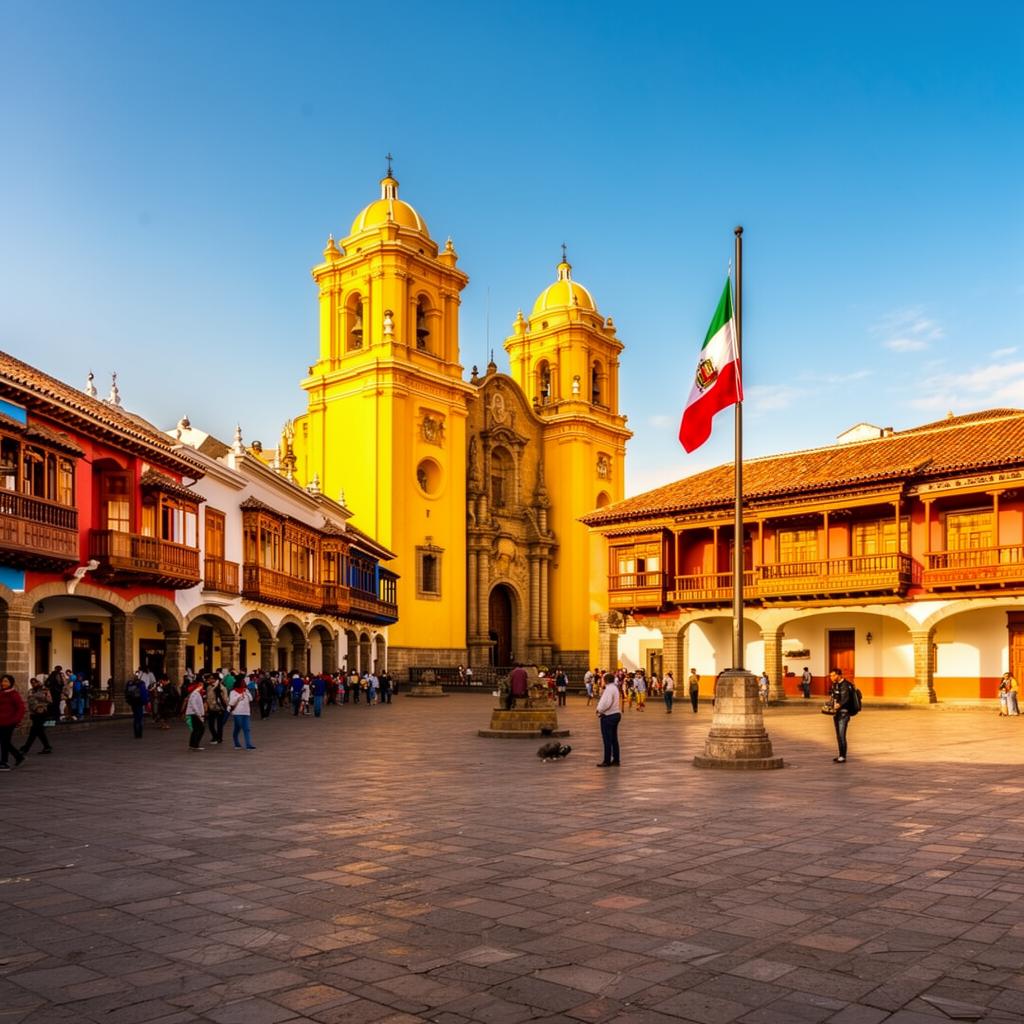
Peru's colonial north: Chan Chan ruins, Pacific surf, and ceviche that rivals Lima at half the price.
- Best time to visit: April-December
- Daily budget (budget traveller): $35 to $60 USD
- Ideal trip length: 4 to 5 days
Trujillo is Peru's answer to the overtouristed south. While everyone crowds Cusco and Machu Picchu, the north coast offers the world's largest adobe city at Chan Chan, a 3,000-year-old surfing tradition at Huanchaco, and ceviche so good that Limeños quietly drive 500km for it. Trujillo itself is a handsome colonial city of yellow buildings, carved wooden balconies and a plaza that feels more local than postcard. Joy Plus builds your Trujillo plan around the morning ruins, the afternoon surf and the evening ceviche.
Trujillo is the north coast's best-kept argument against doing Peru the usual way. Everyone queues for Machu Picchu while a 40-minute taxi ride from this city puts you inside Chan Chan, a Chimú capital of 20 square kilometres built entirely from mud brick, with fish, pelicans and waves carved into walls 700 years old. Ten minutes further, the Moche pyramid of Huaca de la Luna still shows painted murals of a fanged deity. Then you are back in Huanchaco by 4pm, watching fishermen paddle reed boats their ancestors have used for around three millennia. Add ceviche that costs S/ 35 instead of Lima's S/ 70 and the sums get very friendly.
The city itself is small, flat and easy to read. Diego de Almagro founded it in 1534, and the colonial core is a grid of ochre, mustard and sky-blue mansions with carved wooden balconies and iron grilles. Trujillo declared independence from Spain here in December 1820, and locals still bring it up within five minutes of meeting you. Jirón Pizarro is the pedestrian spine, the Plaza de Armas has a monument that is all marble and attitude, and the best rooms are behind plain doors: Casa Ganoza Chopitea, Casa Urquiaga, the Casa de la Emancipación. Most are free. Trujillanos call the place the City of Eternal Spring, and the marinera dance, the pisco and the pride are all taken seriously.
Plan it as three modes. Mornings are for ruins, because Chan Chan has almost no shade and the sun is vicious by 11am. Afternoons are for Huanchaco, where a longboard, a jalea platter and a cheap beer on the pier make up the standard remedy. Evenings are for the centre, where the plaza and Jirón Pizarro are lively but taxis are the sensible way home. Go between April and December for the best swell and the clearest skies, and keep Monday free for shambar, the wheat-and-pork soup that Trujillo only really serves that day. Budget around S/ 130 to 190 a day if you are frugal and you will still eat very well.
How many days in Trujillo?
For Trujillo, we recommend 4 to 5 days. With more time, add a day trip to Huacas del Sol y de la Luna.
| Trip length | What you'll see | Itinerary |
|---|---|---|
| 2 days | Walk the colonial centre; Chan Chan and Huanchaco sunset | Trujillo in 2 days |
| 3 days | Adds: Moche pyramids and the Cassinelli | Trujillo in 3 days |
| 4 days · Recommended | Adds: El Brujo, the quiet one | Trujillo in 4 days |
| 5 days · Recommended | Adds: Move to Huanchaco, learn to surf | Trujillo in 5 days |
| 7 days | Adds: Puerto Malabrigo and the longest left; Mercado ceviche, coffee | Trujillo in 7 days |
Trujillo itinerary
Arrive and walk the colonial centre
Morning: Land at TRU from Lima (1h10). Taxi to the centre for S/ 25-35, or inDrive for less. Drop bags at Hostal Colonial on Jirón Independencia, then coffee and a pastry at Demarco on Jirón Pizarro.
Afternoon: Early ceviche lunch at El Mochica on Bolívar before 2pm. Then walk the Plaza de Armas, the cathedral and the Monumento a la Libertad. Pop into Casa de la Emancipación, Casa Urquiaga and Casa Ganoza Chopitea, all free courtyards.
Evening: Sandwiches and fresh juice at Juguería San Agustín, a pisco sour on the plaza, taxi home by 10pm.
Chan Chan and Huanchaco sunset
Morning: Taxi (S/ 15-20) to Chan Chan for the 9am opening. Ticket is about S/ 30, guides at the gate are S/ 40-60 for a group. See the Palacio Nik An, the site museum and the Huaca Arco Iris with its rainbow friezes.
Afternoon: Combi or taxi on to Huanchaco. Late lunch at Big Ben on the seafront. Ride a caballito de totora for S/ 10-20.
Evening: Sunset on the Huanchaco pier with a cold Cristal and a plate of fried jalea. Combi or taxi back to the centre.
Moche pyramids and the Cassinelli
Morning: Taxi to Huacas del Sol y de la Luna when they open at 9am. Tour Huaca de la Luna's layered murals, including the fanged god Ai Apaec, then the site museum.
Afternoon: Back in town for lunch at El Rincón de Vallejo. Then Museo Cassinelli on Avenida Nicolás de Piérola, a private Moche ceramics collection in a basement beneath a petrol station, about S/ 10.
Evening: Slow dinner on or near Jirón Pizarro. If it is Monday, order shambar at a local picantería.
El Brujo, the quiet one
Morning: Leave at 8am for Complejo El Brujo (50 to 60 km, 1h by road). Tour agencies on Independencia and Pizarro run it for S/ 80-120 per person, or a taxi costs S/ 150-220 return with wait.
Afternoon: Huaca Cao Viejo's polychrome relief and the Señora de Cao museum. Lunch back in Trujillo.
Evening: Cabra con arroz at a market-style restaurant, a glass of chicha de jora, early bed.
Move to Huanchaco, learn to surf
Morning: Check in at Naylamp Huanchaco. Surf lesson at 8am before the wind: S/ 60-90 for board, wetsuit and instructor.
Afternoon: Late jalea lunch at the pier stalls. Walk up to the Virgen del Socorro church on the headland.
Evening: Watch the reed boats come in, grilled octopus or anticuchos along Avenida Larco, a pier beer.
Puerto Malabrigo and the longest left
Morning: Head north to Puerto Malabrigo (Chicama), about 70 km and 1h15 by taxi or tour. Colectivos run there for S/ 8-12 if you ask at your hostel.
Afternoon: Watch or surf the world's longest left-hand wave from the cliff. Plain seafood lunch on the Malabrigo front.
Evening: Back to Huanchaco for sunset on the pier, a final pisco sour.
Mercado ceviche, coffee, depart
Morning: Taxi to the Mercado Central or Mayorista area (daytime only) for market ceviche at S/ 15-22 eaten at a plastic table. Coffee and a last dessert at Demarco.
Afternoon: Pick up bags. Taxi to TRU for S/ 20-30 and a late Lima flight, or head to your terminal for the Cruz del Sur overnight bus to Lima.
Evening: In flight or on a reclining seat, with salt in your hair.
Best neighbourhoods
- Centro Histórico: The colonial core around Plaza de Armas with the cathedral, museums and the best ceviche restaurants. The best base for first-timers.
- Huanchaco: The surf and fishing village 15 minutes from the city, with reed-boat fishermen, longboard waves and a relaxed beach-town vibe.
- El Óvalo: A modern commercial district with shopping malls and chain restaurants. Convenient but charmless, better for a hotel than for exploring.
Must-do experiences
- Explore Chan Chan: The world's largest adobe city, built by the Chimú civilization. The Palacio Amurallado Nik An is the most restored section. Go early, it gets hot by 11am.
- Surf at Huanchaco: Gentle longboard waves, warm water and a 3,000-year tradition of caballito de totora reed boats. Board rentals and lessons are cheap.
- Ceviche at El Mochica or El Fary: Northern Peruvian ceviche is spicier, tangier and served with crunchy cancha corn. Eat it before 2pm, when the fish is freshest.
- Huacas del Sol y de la Luna: Two massive Moche pyramids 10km from the city. The murals at Huaca de la Luna are vivid and still being excavated. Combine with a stop at the artisan village.
- Free walking tour of the colonial centre: Covers Trujillo's independence history, the colonial mansions and why this was the first city in Peru to declare independence from Spain.
Hidden gems
- The El Brujo archaeological site, a Moche complex with stunning polychrome reliefs and the tattooed mummy of the Señora de Cao, a Moche female ruler, rarely visited compared to Chan Chan.
- The artisan village of Huanchaco at dawn, watching fishermen launch their caballitos de totora into the Pacific.
- Ceviche at Mercado Mayorista for a fraction of restaurant prices, eaten standing at a plastic table.
- The ornate courtyard of Palacio Iturregui, a 19th-century neoclassical mansion now home to the private Club Central, which visitors can sometimes peek into.
- Sunset at the Huanchaco pier with a cold Cristal beer and freshly fried jalea.
Daily budget
- Accommodation: budget S/ 35-60 / night (hostel dorm), mid-range S/ 180-320 (colonial hotel double), splurge S/ 450-750 (Hotel Libertador on the plaza). Huanchaco is cheaper and sunnier. The centre is closer to museums and evening plaza life.
- Food: budget S/ 35-55 / day (menú del día + market ceviche), mid-range S/ 90-140 (one proper ceviche lunch, one sit-down dinner), splurge S/ 250+ (seafood feast at Big Ben, pisco flights). The menú del día costs S/ 10-15 with soup, main and a drink. Restaurant ceviche runs S/ 30-45, market ceviche S/ 15-22.
- Transport: budget S/ 10-20 / day (combis at S/ 1.50-2.50), mid-range S/ 40-70 (inDrive and Uber, taxi to the ruins), splurge S/ 250-350 (private driver for a full archaeology day). A taxi inside the centre is S/ 6-10. Huanchaco is S/ 15-25 by taxi, S/ 2 by combi.
- Activities: budget S/ 30-60 / day (Chan Chan ticket, free colonial houses), mid-range S/ 100-170 (Huacas, surf lesson, guide), splurge S/ 300-450 (private archaeologist guide, El Brujo, Chicama). Chan Chan is about S/ 30 for foreigners. Casa de la Emancipación and Casa Urquiaga are free.
- Drinks & nightlife: budget S/ 12-20 (chicha de jora + a big Pilsen Trujillo), mid-range S/ 40-70 (pisco sours, a plaza bar, Huanchaco pier), splurge S/ 120+ (cocktails and a club on Avenida Larco). A 650ml bottle of Pilsen Trujillo is S/ 6 at a shop and S/ 8-12 in a bar. Pisco sours run S/ 18-28.
Where to stay
- Social hostel in Huanchaco (S/ 35-60 / night (dorm), S/ 100-150 private): Naylamp Huanchaco has dorms, privates, camping, a kitchen and a garden a short walk from the break. Surfers, volunteers and long-stayers make it easy to meet people.
- Boutique hotel in Centro Histórico (S/ 180-320 / night): Hostal Colonial on Jirón Independencia or the Gran Hotel Bolívar on Bolívar. Both are in colonial buildings with courtyards, a short walk from the plaza and the museums.
- Apartment in Víctor Larco (S/ 140-260 / night): A modern district between the centre and the coast, with sea-breeze apartments, a kitchen and a supermarket downstairs. Best for 5+ nights and a mix of ruins and beach.
- Splurge in Plaza de Armas (S/ 450-750 / night): Hotel Libertador Trujillo on Jirón Independencia faces the plaza in a colonial building with a pool. Walk to every sight and taxi home from dinner without stress.
What to eat
- Ceviche norteño with aji limo, lime, onion and crispy cancha corn, the definitive Trujillo dish
- Shámbar, a thick wheat and pork soup traditionally eaten on Mondays, a Trujillo institution
- Cabra con arroz, slow-cooked goat with rice and beans, found at local markets and traditional restaurants
- Jalea, crispy fried seafood platter with yuca and salsa criolla, best eaten at Huanchaco beach bars
- Chicha de jora, the fermented corn drink that predates the Incas, served at traditional picanterías
Day trips
- Huacas del Sol y de la Luna (10 km, 20 min from the centre): Moche pyramids with layered murals, including the fanged god Ai Apaec. Only Huaca de la Luna is open to visitors, and there is a good site museum. Go at 9am before tour buses. Taxi S/ 15-20 each way, or a combi toward Moche (about S/ 2.50) and a short walk. Ticket is around S/ 15-20 and guides wait at the gate.
- Complejo El Brujo (50 to 60 km, about 1h by road): A Moche complex with the polychrome relief of Huaca Cao Viejo and the museum for the mummified Señora de Cao. Quiet compared with Chan Chan, and well worth the drive. Tour agencies in the centre run it for S/ 80-120 per person, or a taxi costs S/ 150-220 return with waiting time. Check opening days before you go.
- Puerto Malabrigo (Chicama) (70 km, about 1h15 by road): A fishing port beside the longest left-hand wave in the world. Best from April to September. Watch from the cliff or surf with a local guide, with simple seafood lunches on the front. Colectivos and combis run in about 1.5 hours for S/ 8-12, ask your hostel for the current departure point. A taxi is S/ 150 return or more.
When to visit
- Summer (December - March): 24-30°C, sunny and humid, rare rain, warmest sea of the year. Crowds: Busy in Huanchaco on weekends, Peruvian holiday season. Best for beach days and the Marinera national contest in late January. Chan Chan is brutal after 11am, so arrive at 9am sharp and expect heat.
- Autumn (April - June): 20-26°C, mostly sunny, dry, cooler evenings. Crowds: Low to moderate. The single best window. Clear skies for the ruins, the surf season starts to build, hotels are not yet repricing for the spring festival.
- Winter (July - September): 16-21°C, grey garúa (coastal mist) most mornings, dry and windy. Crowds: Low, except the Festival Internacional de la Primavera in late September. Best swell of the year, weak light for photos. Bring a jacket and a wetsuit. Book ahead for the spring festival parades.
- Spring (October - December): 19-25°C, the sun returns, pleasantly warm, low humidity. Crowds: Moderate, builds toward Christmas. The locals' favourite stretch. Warm enough for the beach, mild enough for a full day at the huacas, and prices stay sensible until mid-December.
Entry rules for your passport
Visa rules for Peru depend on the passport you travel on. Check the official source before you book: Peru Ministry of Foreign Affairs
Getting there
Trujillo's airport (TRU, Capitán FAP Carlos Martínez de Pinillos) is about 10 km from the centre, with 1h10 flights from Lima on LATAM, Sky and JetSMART, usually S/ 120-350 one way. Official airport taxis charge about S/ 25-35 to the Plaza de Armas, while inDrive or Uber cost less and the drive takes 25 minutes. Buses are the budget route: Cruz del Sur, Oltursa, Linea and Civa run Lima to Trujillo in 8 to 9 hours, S/ 50-90 for semi-cama and S/ 120-200 for the premium cama seats. Chiclayo is 3 to 4 hours (S/ 25-40), Cajamarca 6 to 7 hours. Terminals sit on the edge of the centre, a S/ 6-12 taxi ride from your hotel.
Getting around
Trujillo's centre is walkable. Taxis are cheap ($2-4) but negotiate or use Uber for longer trips. Combis and buses run to Huanchaco and the ruins. To Chan Chan and Huacas del Sol y la Luna, hire a taxi for half a day or join a local tour. The airport has flights to Lima. Overnight buses connect to Lima (9 hours), Chiclayo and Máncora.
Safety
Trujillo is generally safe but requires more caution than Sucre or Cuenca. Avoid walking alone late at night in the centre. Use registered taxis or Uber. At Huanchaco, watch your belongings on the beach. The north coast sun is intense, use high-SPF sunscreen.
Solo travel tips
- Base yourself in Huanchaco for the social scene: Naylamp Huanchaco and the hostels around Avenida Larco mix surfers, volunteers and archaeologists. A group surf lesson and a pier beer is the fastest way to find a travel buddy for Chan Chan.
- Eat the menú del día and sit at the counter: Lunch menus are S/ 10-15 with soup, main and a drink, and most places have a counter. Sit there, ask what the fish of the day is, and you will have a conversation within five minutes.
- Taxi rules matter more than anything else: Use inDrive or Uber, or ask your hotel to call a trusted driver. Agree the fare before you get in, and do not hail cars on the street after dark. Centre rides run S/ 6-10.
- Go to Chan Chan at 9am and share a guide: There is almost no shade and the sun is fierce by 11am. Guides at the gate cost S/ 40-60 for a group, so team up with other solos and split it. Bring a hat, water and sunscreen.
- Solo female travellers: The centre and Huanchaco are fine in daylight and you will get piropos (catcalls), so ignore and keep walking. After 9pm take a taxi even for short hops, skip the beach alone at night, and avoid walking up Cerro Carmelo.
- Take the free walking tour first: A free tour of the centre on your first morning gives you the independence story and the safe and sketchy street lines. Tip your guide S/ 20-30. Ask them where they eat lunch.
Cultural etiquette
- Say buenos días or buenas tardes when you enter a shop, restaurant or taxi. It is expected and gets you better service.
- Ceviche is lunch only. Cevicherías open around 11am and many close by 4 or 5pm, so go early or miss out.
- Tipping is 10% at sit-down restaurants (check whether service is already added). Guides expect S/ 10-20 per person, taxis do not get tipped.
- Never climb or lean on the adobe walls at Chan Chan or the huacas. The friezes are fragile and guards will stop you.
- Agree taxi fares before you get in. Haggling in shops is not done, but is normal at artisan stalls.
- Ask before photographing fishermen on the Huanchaco shore and give them a few soles for a caballito ride or portrait.
- Cover up away from the beach. Shirtless or in a bikini in the centre or in a church is frowned on.
Frequently asked questions
How many days do you need in Trujillo?
Four to five days is ideal: one day for Chan Chan and the adobe museums, one for Huacas del Sol y la Luna and El Brujo, one for surfing and the Huanchaco beach town, and a day to explore the colonial centre and eat your way through the ceviche scene.
Is Trujillo safe for tourists?
Trujillo is moderately safe. The colonial centre and Huanchaco are generally fine during the day. Avoid poorly lit streets at night, use Uber or registered taxis, and keep valuables out of sight. Petty theft happens but violent crime against tourists is rare.
What is the best time to visit Trujillo?
Trujillo is dry year-round. December to April is the hot, sunny summer, best for the beach, while from about May to November skies are often grey with occasional garúa (coastal drizzle). Heavy rain comes only in rare El Niño years. Surfers prefer the consistent swells of April to October.
Do I need a visa to visit Peru?
Citizens of the EU, UK, US, Canada and Australia can enter Peru visa-free as tourists for up to 90 days (183 days for some nationalities). Your passport must be valid for six months and you may need proof of onward travel at immigration.
How do I get to Trujillo from Lima?
The fastest way is a 1-hour flight from Lima to Capitán FAP Carlos Martínez de Pinillos International Airport. Buses from Lima take 8 to 10 hours and run day and night with Cruz del Sur and Oltursa.
Is Trujillo worth visiting if I am already going to Cusco and Machu Picchu?
Absolutely. Trujillo offers a completely different side of Peru: pre-Inca civilizations, Pacific surf, colonial architecture and a food scene that rivals Lima at a fraction of the cost. It is the north to Cusco's south, and together they give you a far fuller picture of the country.
What is Chan Chan and why is it important?
Chan Chan was the capital of the Chimú civilization and is the largest adobe city ever built, covering 20 square kilometres. Built around AD 850, it predates the Inca and features palaces, temples, reservoirs and elaborate relief carvings. The Palacio Amurallado Nik An is the best-preserved section open to visitors.
Is Trujillo Peru worth visiting?
Yes, for the incredible pre-Inca sites (Chan Chan, Huacas del Sol y de la Luna), a handsome colonial centre, and the surf town of Huanchaco nearby. An underrated stop on Peru's north coast.
What are the main ruins near Trujillo?
Chan Chan (the huge Chimú adobe city), the Moche pyramids of Huaca del Sol y de la Luna, and Huaca Arco Iris, all reachable on short trips from the city.
Tours and activities in Trujillo | Trujillo in 2 days | Trujillo in 3 days | Trujillo in 4 days | Trujillo in 5 days | Trujillo in 7 days
Can't decide? Compare Trujillo with...
Joy Plus home | Destinations | Itineraries | Activities | Flights | Budget planner | Calendar | Map | Blog | Lifetime access