Destinations / Europe
Zagreb, Croatia travel guide
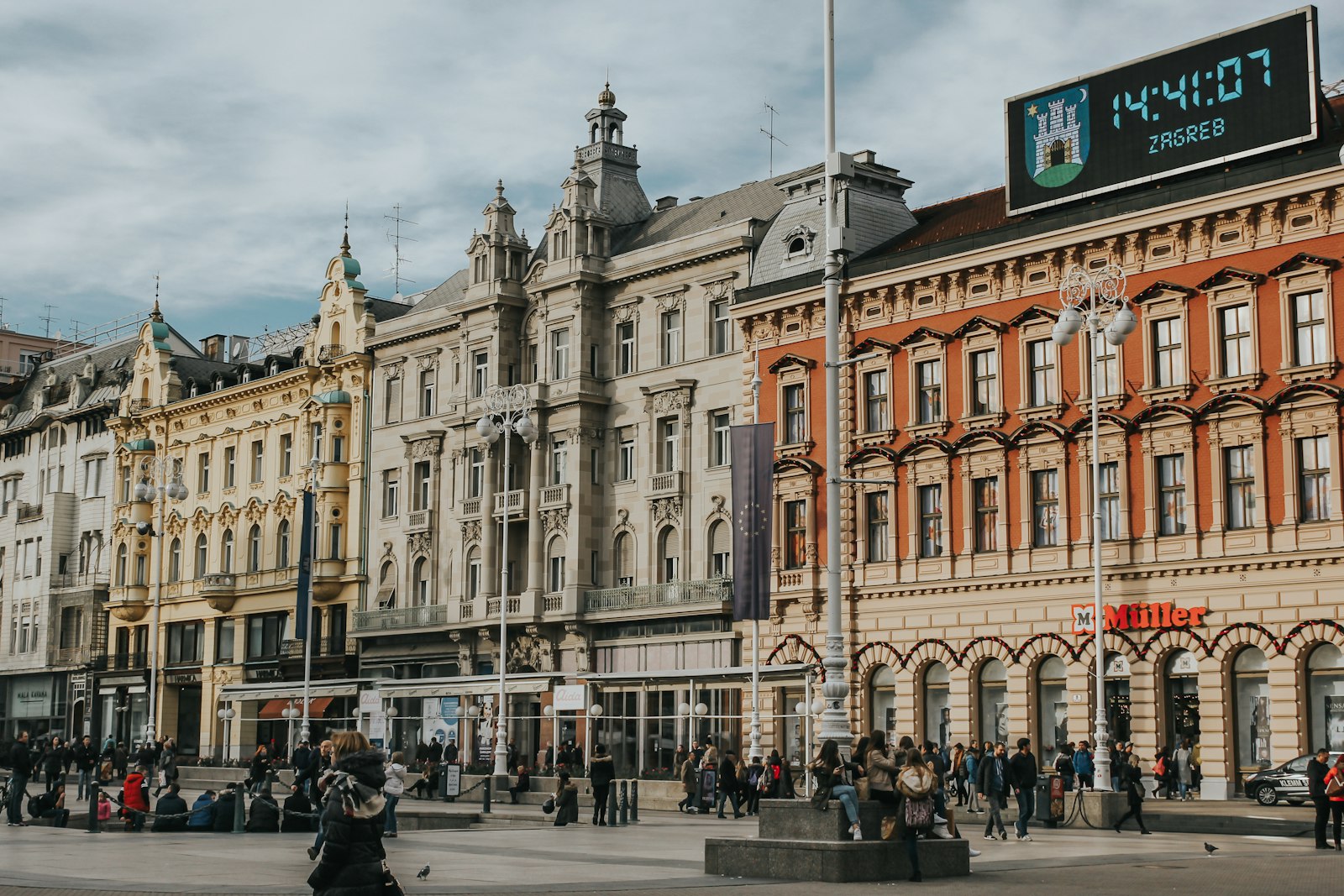
Croatia's underrated capital: an Austro-Hungarian old town, quirky museums, café culture and great value.
- Best time to visit: May-June and September-October
- Daily budget (budget traveller): $70 to $120 USD
- Ideal trip length: 2 days
Most travellers rush past Zagreb on the way to the Croatian coast, but Croatia's capital rewards a stay with an atmospheric Austro-Hungarian old town, a famous café culture, quirky museums and a relaxed, affordable charm. Split between a medieval upper town and a grand 19th-century lower town, it's compact, green and easygoing. Joy Plus shapes the old town, the museums and the café streets into an easy, walkable couple of days.
Most people treat Zagreb as a layover on the way to Split or Dubrovnik. That is their loss and your gain. This is a city of about 770,000 where a cannon goes off at noon, a 66-metre funicular counts as public transport, and a perfectly sane Saturday involves sitting on a café terrace for three hours in your good jacket. It is cheaper than the coast, calmer than Vienna, and far more fun than its reputation. You can have a proper espresso for around €2, a lunch menu for €10, and a museum about heartbreak that will leave you quietly wrecked and oddly cheerful.
The layout is simple once you see it. Gornji Grad is the medieval hilltop, with cobbled lanes, gas lamps, St Mark's Church with its tiled roof and the Lotrščak Tower. Donji Grad is the flat Habsburg grid below, a chain of parks and squares called the Green Horseshoe, with galleries, theatres and grand cafés. Tkalčićeva, the café street built over a buried stream, sits in between. Ban Jelačić Square is the hinge, and Dolac market, open from 6:30am, is the stomach. Everything central is walkable, and trams (ZET) cover the rest, with a day ticket at about €4.
Two days covers the essentials, three or four lets you add Mirogoj Cemetery, Maksimir Park and a slow Saturday špica. Zagreb is also a smart base. Plitvice Lakes are about two hours by bus, Samobor and its cream cakes are 40 minutes away, and Varaždin's baroque centre is an easy day. Time it well. Most shops close on Sundays, many museums close on Mondays, and Advent from late November to early January fills the city with mulled wine and higher hotel prices. Come in May, June, September or October and you get terraces, mild weather and the city at its easiest.
How many days in Zagreb?
For Zagreb, we recommend 2 days. With more time, add a day trip to Varaždin.
| Trip length | What you'll see | Itinerary |
|---|---|---|
| 2 days · Recommended | Donji Grad and the Green Horseshoe; Gornji Grad, Dolac and the cannon | Zagreb in 2 days |
| 3 days | Adds: Mirogoj, coffee and craft beer | Zagreb in 3 days |
| 4 days | Adds: Samobor day trip | Zagreb in 4 days |
| 5 days | Adds: Plitvice Lakes | Zagreb in 5 days |
| 7 days | Adds: Maksimir, 360 view and cocktails; Slow Saturday, špica | Zagreb in 7 days |
Zagreb itinerary
Arrive, Donji Grad and the Green Horseshoe
Morning: Take the Pleso Prijevoz shuttle from ZAG to the main bus station (about 30 min, about €8). Drop bags, then walk to Zrinjevac Park and past the Esplanade Hotel.
Afternoon: Gablec lunch at Vinodol on Teslina. Walk Tomislav Square, the Botanical Garden and the Strossmayer Gallery of Old Masters.
Evening: Dinner on Tkalčićeva, then a pivo at Mali Medo. Early night, tomorrow is hill day.
Gornji Grad, Dolac and the cannon
Morning: Dolac market at 7am, burek and fresh cherries from the red umbrellas. Up the Uspinjača funicular (about €1), which reopened in May 2026 after a full renovation, to Strossmayerovo šetalište.
Afternoon: Lotrščak Tower for the noon cannon. Then St Mark's Church, the Stone Gate shrine and the Museum of Broken Relationships (about €10).
Evening: Sunset on the Strossmartre promenade. Dinner at Stari Fijaker 900 on Mesnička for štrukli and a veal main.
Mirogoj, coffee and craft beer
Morning: Bus 106 from Kaptol to Mirogoj Cemetery, free and quiet, open from morning. Walk the arcades and the hillside graves.
Afternoon: Back to town for a coffee at Cogito Coffee. On a Sunday, swing through the Britanac flea market first.
Evening: Craft beer at Pivnica Medvedgrad on Savska, then a late schnitzel or street food at Mundoaka.
Samobor day trip
Morning: Bus from Zagreb bus station to Samobor (about 40 min, about €3-4). Wander the main square and the old centre.
Afternoon: Kremšnita at Gradska kavana, a češnjovka sausage lunch, then the 30-min walk up to the Šanac castle ruins.
Evening: Bus back. Light dinner at La Štruk for baked štrukli. Rest the legs.
Plitvice Lakes
Morning: Catch the 6:30-7:00am bus from the bus station (about 2h10, €15-20 each way). Pre-book your entry slot and bus seat.
Afternoon: Hike Route H or K from Entrance 1 or 2, boat across Kozjak and the boardwalk loop. Wear grippy shoes.
Evening: Last bus back to Zagreb. Dinner somewhere easy near the bus station or hotel.
Maksimir, 360 view and cocktails
Morning: Tram to Maksimir Park (11 or 12 along Maksimirska). Walk the lakes, the pavilion and the zoo side if you like.
Afternoon: Lunch at Okrugljak or Dubravkin put, then the Zagreb 360° observation deck at Ilica 1A (about €9).
Evening: Hemingway Bar on Tuškanac or a gin on Tkalčićeva, then a stroll back through the lit-up lower town.
Slow Saturday, špica, depart
Morning: Coffee at a café on Cvjetni trg and the špica ritual, Saturday late morning, when everyone dresses up and drinks espresso. Last stop at Dolac.
Afternoon: Late lunch of štrukli at La Štruk. Pick up gifts: licitar hearts, Samobor mustard, rakija.
Evening: Walk to the bus station for the Pleso Prijevoz shuttle (check the last departure) or a Bolt to ZAG.
Best neighbourhoods
- Gornji Grad (Upper Town): The medieval hilltop core with St Mark's Church, the cathedral, museums and cobbled lanes.
- Donji Grad (Lower Town): The grand 19th-century grid of parks, galleries, theatres and the 'Green Horseshoe' of squares.
- Tkalčićeva: The lively pedestrian street of cafés, bars and restaurants buzzing day and night.
- Britanac & around: A leafy, local area known for its Sunday antiques market and neighbourhood cafés.
Must-do experiences
- Upper Town & St Mark's Church: Ride the funicular, reopened in May 2026 after a full renovation, up to the medieval quarter and see the iconic tiled-roof church.
- Dolac Market: Browse the famous red-umbrella farmers' market just above the main square.
- Museum of Broken Relationships: Visit the city's award-winning, oddly moving museum of donated mementos from past loves.
- Café culture on Tkalčićeva: Join the locals for the weekend špica coffee ritual on the buzzing café street.
Hidden gems
- The stone Lotrščak Tower cannon fired daily at noon, with great rooftop views.
- The peaceful Mirogoj Cemetery, with its grand ivy-covered arcades.
- The quirky, atmospheric tunnels of Grič beneath the upper town.
- Sunday antiques hunting at the Britanac (British Square) flea market.
Daily budget
- Accommodation: budget €20-40 / night (hostel dorm), mid-range €90-150 (boutique double or central apartment), splurge €250+ (Esplanade Zagreb). Prices spike during Advent and big concert weekends. Book Donji Grad over Gornji Grad for better value.
- Food: budget €20-30 / day (burek, štrukli, lunch menus), mid-range €45-70 (gablec lunch plus a proper dinner), splurge €110+ (tasting menu at Noel). The weekday gablec lunch menu is €9-13 for soup and a main. Burek at a bakery is €3-4.
- Transport: budget €4 / day (ZET day ticket), mid-range €10-18 (transit plus a few Bolt rides), splurge €150+ (private driver to Plitvice). Walk the centre. The funicular is about €1, the airport shuttle is about €8 each way.
- Activities: budget €5-12 / day (free walks plus one museum), mid-range €25-45 (Museum of Broken Relationships, Samobor), splurge €100+ (guided Plitvice day tour). Plitvice entry runs roughly €15 in winter to €40 in peak summer. Book the time slot online.
- Drinks & nightlife: budget €8-12 (coffee and a pivo or two), mid-range €25-40 (Tkalčićeva and a cocktail bar), splurge €70+ (Hemingway Bar, late club). Coffee is €2-3, a half-litre of beer €3.50-5, a cocktail €8-11. Tkalčićeva is pricier than side streets.
Where to stay
- Social hostel in Donji Grad / Ilica (€22-40 / night): Stay Swanky (formerly Swanky Mint Hostel), central, easy for tram connections and Tkalčićeva, with common rooms built for solo travellers.
- Boutique hotel in Ilica / foot of Gornji Grad (€110-170 / night): Hotel Jägerhorn, a 19th-century inn steps from Strossmartre, or Hotel Dubrovnik on Gajeva. Quiet, central, walkable to everything.
- Apartment in Britanac (€60-100 / night): Leafy, residential and 10 minutes from Ban Jelačić. Good for 4+ nights, with cheap bakeries and a Sunday flea market on your doorstep.
- Splurge in Donji Grad by the station (€250-420 / night): Esplanade Zagreb Hotel, the 1925 Orient Express-era grande dame. Art Deco lobby, Zinfandel's restaurant, and Tomislav Square right outside.
What to eat
- Štrukli, baked or boiled dough pastry filled with cottage cheese
- Zagrebački odrezak, a veal schnitzel stuffed with ham and cheese
- Sarma, cabbage rolls, a hearty winter favourite
- Kremšnita custard slices from nearby Samobor
Day trips
- Plitvice Lakes National Park (130 km, about 2h10 by bus): Sixteen turquoise lakes joined by waterfalls and wooden boardwalks. Go on the earliest bus, book your entry slot online and plan for 4 to 6 hours of walking. Bus from Zagreb bus station, about €15-20 each way, booked online or at the counter. Entry runs roughly €15 in winter to €40 in July and August.
- Samobor (25 km, about 40 min by bus): A pretty little Austro-Hungarian town known for kremšnita cream cake, Samobor mustard and the hike up to the Šanac castle ruins. Bus from Zagreb bus station every 30 to 60 minutes, about €3-4 each way. Return the same afternoon.
- Varaždin (80 km, about 1h20 by bus or train): Baroque old town, a castle and a famously calm centre, plus the Špancirfest street festival in late summer. Easy to pair with the Cvjetni trg café culture. Direct bus or train from Zagreb, about €8-12 each way. Buses run frequently from the main bus station.
When to visit
- Spring (April - June): 12-25°C, fresh and green, showery in April and May. Crowds: Building, comfortable. Prime time. Terraces reopen, parks bloom and Plitvice is at its fullest flow. Pack a rain jacket for April.
- Summer (July - August): 26-34°C, humid, thunderstorms and the odd heatwave. Crowds: Moderate, locals leave for the coast in August. Hot but workable. Strossmartre and the park concerts run, some restaurants shut for two weeks in August, and Plitvice is packed.
- Autumn (September - October): 10-23°C, golden light, first fog in late October. Crowds: Moderate, quiet by late October. The sweet spot. Warm enough for terraces, cheap rooms, Maksimir Park in full colour and fewer queues at Plitvice.
- Winter (November - March): -3 to 8°C, foggy, occasional snow. Crowds: Low, except Advent (late Nov to early Jan). Advent is brilliant but books out and prices jump. January and February are cheap, dark and cosy, best for museums and štrukli.
Entry rules for your passport
Visa rules for Croatia depend on the passport you travel on. Check the official source before you book: European Commission: Schengen visa policy
Getting there
Franjo Tuđman Airport (ZAG) is about 17 km south of the centre. The Pleso Prijevoz shuttle runs to Zagreb bus station roughly every 30 to 60 minutes, takes about 30 minutes and costs around €8 one way. Bolt or Uber costs €18-28, a taxi €30-40, so skip the airport rank. By land, Ljubljana is about 2h20 by train or 2h30 by bus (€10-15), Budapest around 5 to 6 hours, and Split 4.5 to 5.5 hours by bus or train (about €20-30). The main train station (Glavni kolodvor) is on the south edge of Donji Grad, a 10-minute walk to Zrinjevac, and the bus station is about 20 minutes east on foot.
Border checks: non-EU visitors (other than Swiss, Norwegian, Icelandic, Liechtenstein, Andorran, Monegasque, San Marinese and Vatican citizens, and holders of an EU residence permit or long-stay visa) are registered in the EU's Entry/Exit System (EES) instead of getting a passport stamp. On your first crossing, officers take your photo and/or fingerprints, so allow extra time at passport control. ETIAS, the planned travel authorisation, is not in operation yet, so don't pay any website for one.
Getting around
Zagreb has an extensive tram network (ZET) that covers the city cheaply, plus buses and a tiny historic funicular linking the upper and lower towns. The centre is compact and very walkable, and the airport links to the main bus station by shuttle in about 30 minutes. Tickets are inexpensive and a day pass is good value.
Safety
Zagreb is a very safe, relaxed city and excellent for solo travellers including women, day and night. Violent crime is rare and the centre feels calm and welcoming. The main caution is minor pickpocketing in crowded trams and tourist spots, so use normal city sense and you'll have no trouble.
Solo travel tips
- Sit at the bar for gablec: Weekday lunch menus run 11:30am to 3pm. Take a bar stool or a shared table at Vinodol or any bakery-café and you will end up chatting with office workers and students.
- Join the špica: Saturday late morning, locals flood Cvjetni trg, Bogovićeva and Preradovićev trg for coffee and people-watching. Grab a seat alone with a book and you will fit right in.
- Hostel pick: Stay Swanky: Stay Swanky (formerly Swanky Mint) is social without forcing pub crawls. It is on Ilica, a short walk from Ban Jelačić, with a good mix of solos and small groups.
- Free walking tour and Strossmartre: Free walking tours leave from Ban Jelačić Square, tip about €10. In summer, Strossmartre has outdoor music and food on the promenade, easy for striking up a chat.
- Safety, solo and women: Zagreb is one of Europe's safest capitals at any hour. Watch bags on busy trams, use Bolt after midnight, and the walk from Tkalčićeva to Donji Grad is well lit.
- Plan around Sundays and Mondays: Most shops close on Sundays and many museums close on Mondays. Make Sunday a Britanac market, café and park day, and keep Monday for outdoors.
Cultural etiquette
- Greet shopkeepers and waiters with 'Dobar dan' (good day) and say 'hvala' (thanks). A little Croatian goes a long way, and many locals speak good English.
- Coffee is a social ritual, not a pit stop. Order 'bijela kava' (with milk) or 'espresso' and settle in. Nobody will rush you, and the bill is paid at the end.
- Tipping is 5-10% at restaurants, and rounding up is fine at cafés. Leave it in cash on the table or tell the waiter the total you want.
- Dress a little smarter than you would in a beach town. Zagrebians dress up for the Saturday špica, and cover shoulders and knees in churches and at Mirogoj.
- Most shops and many restaurants close on Sundays, so buy groceries on Saturday. Dolac market closes early on Sundays, around 1pm.
- Don't call Croatia 'the Balkans' to people's faces. Many Croats see themselves as Central European or Mediterranean, and it is touchy.
- When you toast, say 'živjeli' and look people in the eye. Don't clink with your eyes on your glass.
Frequently asked questions
How many days do you need in Zagreb?
Two days is enough to see the upper and lower towns, Dolac Market, a couple of museums and to enjoy the café culture. A third day suits a slower pace or a day trip to Samobor, the Plitvice Lakes or nearby Medvednica mountain.
Is Zagreb safe for solo travellers?
Yes, very. Zagreb is a safe, relaxed city and excellent for solo travellers including women at any hour. Violent crime is rare and the centre feels calm; the only minor caution is pickpocketing in crowded trams and busy tourist spots.
When is the best time to visit Zagreb?
May to June and September to October bring mild weather and lively terraces without the summer heat. December is famous for its award-winning Advent Christmas market, one of Europe's best, while winter is cold but cosy. Spring and autumn are ideal for walking the city.
Is Zagreb worth visiting?
Yes. Often overlooked in the rush to the coast, Zagreb rewards a stay with a charming Austro-Hungarian old town, quirky museums, a wonderful café culture, green parks and great value. It's also a handy base for the Plitvice Lakes and central Croatia.
Is Zagreb expensive to visit?
No, Zagreb is affordable, cheaper than the Croatian coast and most of Western Europe. Coffee, food and transport are inexpensive, many sights are low-cost, and you can eat and drink well for far less than in Dubrovnik or Split, especially outside peak summer.
How do I get from Zagreb Airport to the city?
A shuttle bus runs from Franjo Tuđman Airport to the main bus station in about 30 minutes, where you can connect to trams or walk to nearby hotels. Taxis and ride-hailing apps like Bolt and Uber take around 20 to 25 minutes and are reasonably priced.
Can you do day trips from Zagreb?
Yes. The stunning Plitvice Lakes National Park is around two hours away, the pretty town of Samobor is close by, and you can reach Medvednica mountain, the baroque town of Varaždin and even Ljubljana in Slovenia as day trips by bus, train or tour.
Tours and activities in Zagreb | Zagreb in 2 days | Zagreb in 3 days | Zagreb in 4 days | Zagreb in 5 days | Zagreb in 7 days
Can't decide? Compare Zagreb with...
Joy Plus home | Destinations | Itineraries | Activities | Flights | Budget planner | Calendar | Map | Blog | Lifetime access