Guides / Bryce Canyon National Park
Bryce Canyon National Park in 2 days
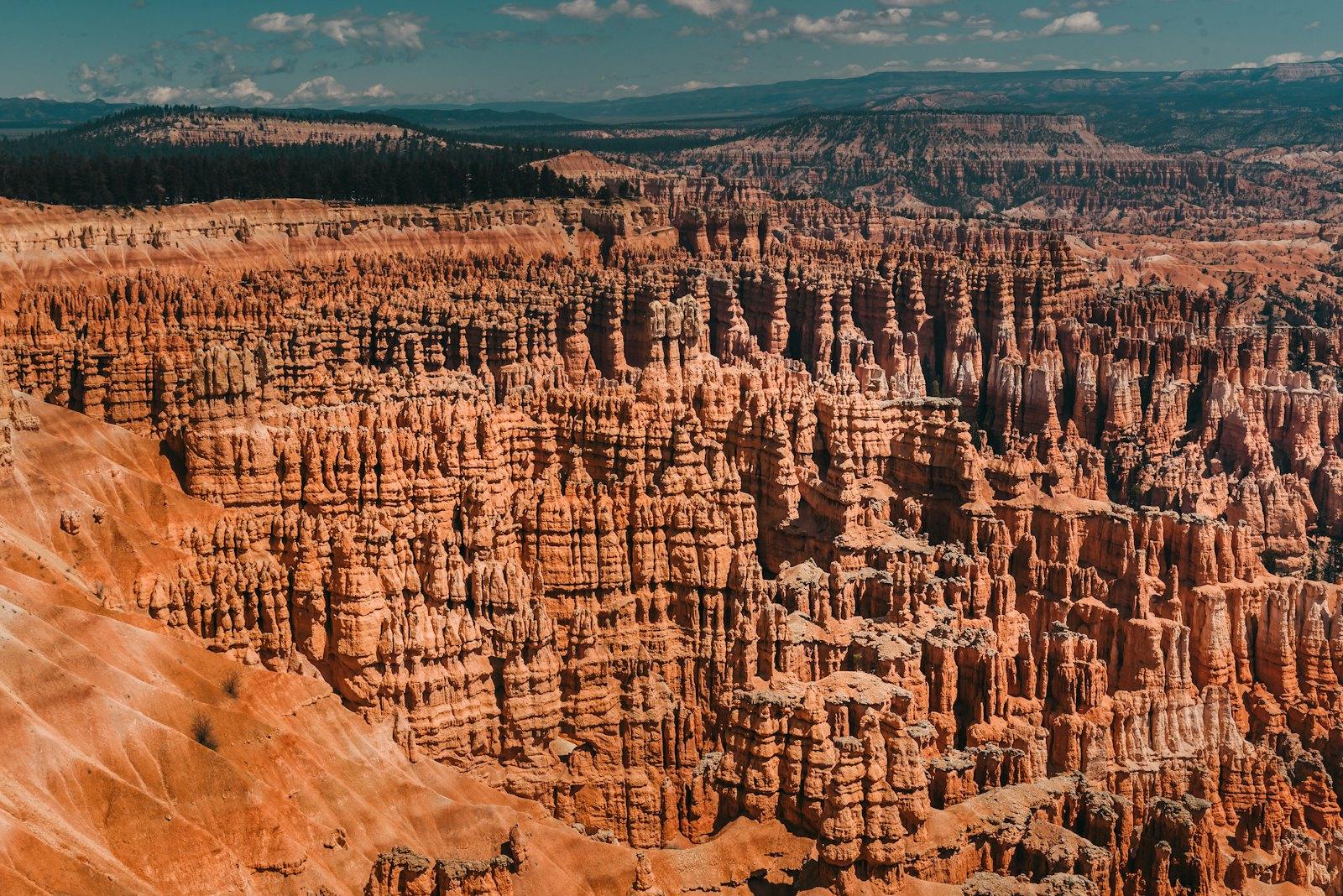
A fantasy landscape of thousands of rust-orange hoodoos: sunrise amphitheaters, rim-to-canyon hikes, and some of the darkest night skies in the country. Best time to visit: May to October. Daily budget (budget traveller): $90 to $250 USD.
Drive in, rim walk and first stars
Morning: Leave Las Vegas by 7am: I-15 north to Exit 95, Highway 20 east, US-89 south, then Highway 12 through the Red Canyon tunnels (about 4 hours). Stop at the Red Canyon Visitor Center for the 0.7-mile Pink Ledges Trail.
Afternoon: Check in at Ruby's Inn, buy lunch and water at Ruby's Inn General Store. Enter the park ($35 per vehicle for seven days, plus the nonresident fee unless covered by a qualifying pass) and walk the flat Rim Trail from Sunset Point to Sunrise Point (about half a mile one way).
Evening: Dinner at the Bryce Canyon Lodge dining room (reserve ahead). After dark, walk to Sunset Point with a red-light headlamp and let your eyes adapt for 20 minutes.
Sunrise at Bryce Point, Navajo + Queen's Garden
Morning: Drive to Bryce Point 45 minutes before sunrise. Then park at Sunset Point and hike the Navajo Loop down Wall Street, link to Queen's Garden and climb out at Sunrise Point (2.9 miles, about 625 feet of elevation gain, 2 to 3 hours). Check Wall Street is open, it closes in winter ice.
Afternoon: Late breakfast burrito or lunch at the Lodge, then rest. Walk the Rim Trail to Inspiration Point and ride the shuttle back.
Evening: Sunset from Sunset Point, then dinner at Cowboy's Buffet and Steak Room at Ruby's Inn. Join a ranger astronomy talk if one is on.
Heading home: If your flight is late, Cathedral Valley or Goblin Valley are worth a stop.
What to eat in Bryce Canyon National Park
- Utah fry scones: pillowy, deep-fried dough served warm with honey butter or powdered sugar, a regional comfort food found in many local cafes
- Navajo tacos: crisp, golden fry bread piled with beans, seasoned meat, lettuce, tomato, and cheese, a filling meal after a long hike
- Bison burger: a lean, flavourful alternative to beef that appears on many menus in southern Utah
- Fresh trout: a classic Western staple, often pan-fried or grilled and served with seasonal vegetables at lodge and town restaurants
Hidden gems
- Fairyland Point and the Tower Bridge trail on the northern edge of the park, where crowds thin out and the hoodoo views feel wonderfully private
- The Mossy Cave Trail along Highway 12, a short, easy walk to a small waterfall and a moisture-stained alcove that is especially lovely in cooler weather
- The Bristlecone Loop at Rainbow Point, a gentle trail through ancient bristlecone pines, some of which are over a thousand years old, with sweeping views across the plateau
- Ranger-led full moon hikes and night sky programmes, a memorable way to meet fellow travellers and see the hoodoos glowing under moonlight (check the seasonal schedule)
Getting around
A car is essentially essential for reaching Bryce Canyon, as the park sits roughly 4 hours from both Las Vegas and Salt Lake City, and about 2 hours from Zion National Park. Cedar City and St. George have smaller airports with rental cars, and the area has very limited public transport. Inside the park, a free seasonal shuttle, which typically runs from spring through autumn, links Bryce Canyon City, the main viewpoints, and key trailheads, which is a relief when summer parking lots fill by late morning. Outside shuttle season, or for the southern scenic drive to Rainbow Point, you will want your own vehicle. Standard entry is $35 per private vehicle for seven days. Non-US residents aged 16 and over also pay $100 per person unless covered by a qualifying pass. No advance reservation or timed-entry booking is required to enter the park. Fill your tank and stock up on snacks and water in the gateway towns, as services inside the park are limited and mobile coverage can be patchy. Highway 12, one of America's great scenic byways, passes Red Canyon and the park boundary and makes a spectacular route between Bryce and Capitol Reef.
Safety
Bryce Canyon is generally very safe for solo travellers, with friendly rangers, well-marked trails, and plenty of fellow hikers on popular routes. The main risks are environmental. The park sits at 8,000 to 9,000 feet, so altitude can cause headaches, breathlessness, and fatigue, particularly on the climb back up from the canyon floor. Carry plenty of water, wear sun protection, and pace yourself. Summer afternoons often bring thunderstorms with lightning, so start hikes early and move off exposed rims if storms approach. In winter, expect snow, ice, and temperatures that fall well below freezing, so bring traction devices and warm layers, and check road and trail conditions before setting off. Stay behind railings and on marked trails, as rim edges are steep and rock is fragile and crumbly. Tell someone your plans, carry a downloaded offline map, and never feed or approach wildlife, including squirrels.
Frequently asked questions
What does this 2-day Bryce Canyon National Park itinerary cover?
Day 1: Drive in, rim walk and first stars. Day 2: Sunrise at Bryce Point, Navajo + Queen's Garden.
Is 2 days enough for Bryce Canyon National Park?
Our recommended trip length for Bryce Canyon National Park is 2 to 3 days. This 2-day plan focuses on the highlights and groups sights by area so you spend less time travelling between them.
How much does 2 days in Bryce Canyon National Park cost?
A budget traveller spends about $90 to $250 USD a day in Bryce Canyon National Park, so roughly $180 to $500 USD for 2 days, not counting flights.
Where should I stay for 2 days in Bryce Canyon National Park?
Bryce Amphitheater: The beating heart of the park, home to Sunrise Point, Sunset Point, Inspiration Point, and Bryce Point. Southern Scenic Drive: An 18-mile road running south from the visitor area to Rainbow Point at over 9,000 feet, passing overlooks such as Natural Bridge, Agua Canyon, and Yovimpa Point.
When is the best time to visit Bryce Canyon National Park?
The best time to visit Bryce Canyon National Park is May to October.
How do I get around Bryce Canyon National Park?
A car is essentially essential for reaching Bryce Canyon, as the park sits roughly 4 hours from both Las Vegas and Salt Lake City, and about 2 hours from Zion National Park. Cedar City and St.
Is Bryce Canyon National Park safe for solo travellers?
Bryce Canyon is generally very safe for solo travellers, with friendly rangers, well-marked trails, and plenty of fellow hikers on popular routes. The main risks are environmental.
More 2-day guides
- Chattanooga in 2 days
- Mount Rainier National Park in 2 days
- Nantucket in 2 days
- Rocky Mountain National Park in 2 days
- Sequoia National Park in 2 days
- Sonoma in 2 days
- Portland, Maine in 2 days
- New York in 2 days
Bryce Canyon National Park in 3 days | Bryce Canyon National Park in 4 days | Bryce Canyon National Park in 5 days | Bryce Canyon National Park in 7 days | Full Bryce Canyon National Park guide
Joy Plus home | Destinations | Itineraries | Activities | Flights | Budget planner | Calendar | Map | Blog | Lifetime access