Cortina d'Ampezzo in 2 days
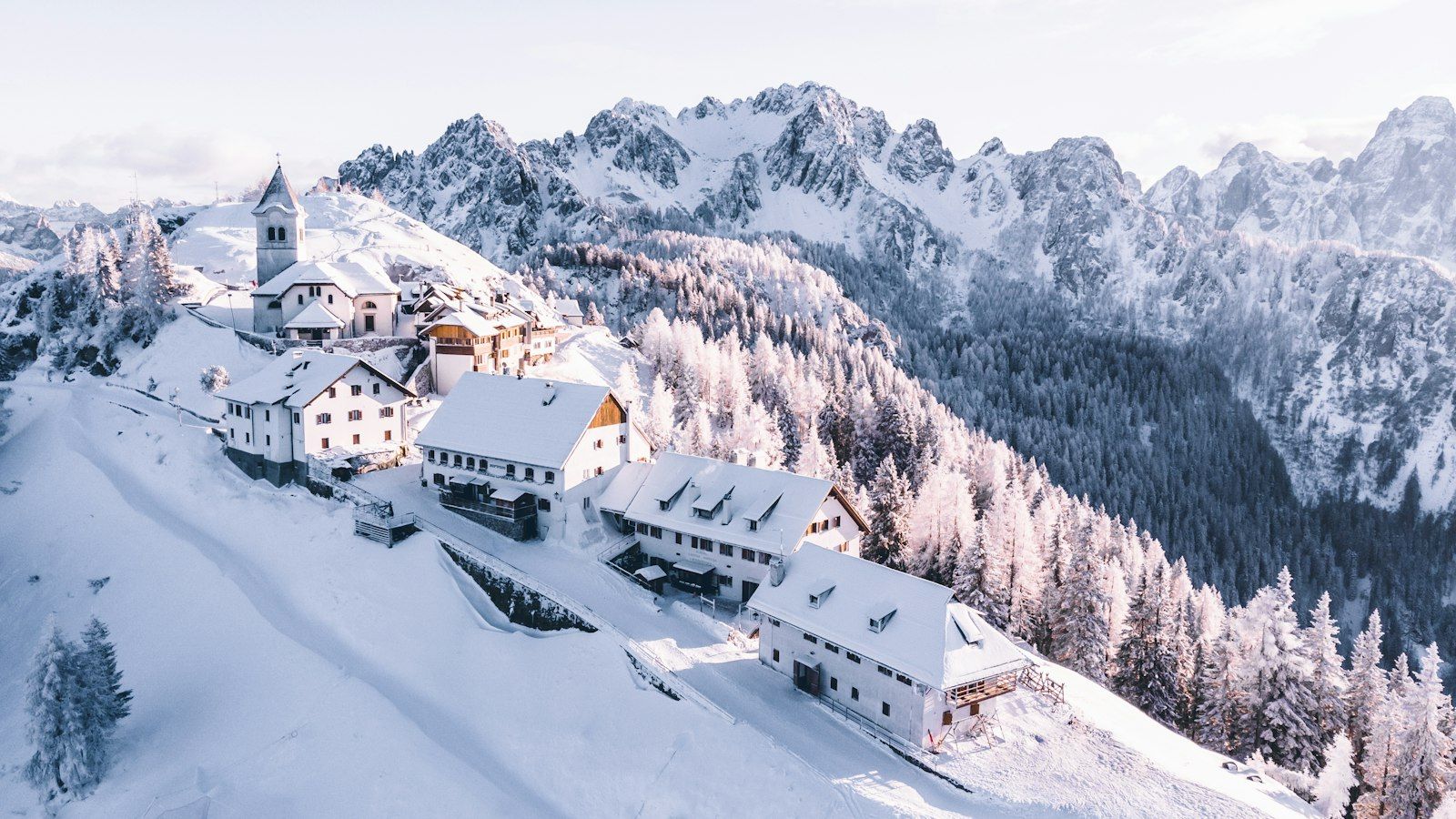
A Dolomites mountain town of First World War tunnels, turquoise lakes and Olympic ski runs. Cheap summer buses get you to top-class trails, and the rifugi serve lunch with the best views in the Alps. Best time to visit: Late June to mid-September for hiking, mid-December to March for skiing. Daily budget (budget traveller): $95 to $380 USD.
Arrive from Venice, settle into Corso Italia
Morning: Take the Cortina Express from Venice Marco Polo airport or Mestre, about 2 hours 15 minutes and roughly €17-27 one way. Book ahead in July and August. It stops at the bus station, a few minutes' walk from the centre.
Afternoon: Drop your bags and walk the length of Corso Italia. Step into the Basilica dei Santi Filippo e Giacomo below its tall bell tower. Buy a 1:25,000 trail map and check this week's summer bus timetables at the station.
Evening: Aperitivo at Enoteca Cortina, then casunziei for dinner. Stock up on picnic food and water for tomorrow's early start.
Lago di Sorapis
Morning: Take an early line 51 bus to Passo Tre Croci (hourly from 8am in summer). Walk trail 215 to the lake, about 2 hours each way. The last stretch has ledges with cables and short ladders, so take it slowly.
Afternoon: Picnic or lunch at Rifugio Vandelli by the lake. No swimming, paddling or boards: a 2019 ban carries fines of up to €500. Walk back the same way.
Evening: Summer buses stop around 6pm, so check the last one back. Canederli in town and an early night.
Heading home: Arrive at Venice airport or Mestre in about 2 hours 15 minutes. For an early flight, book a night near the airport.
What to eat in Cortina d'Ampezzo
- Casunziei all'ampezzana: half-moon ravioli filled with beetroot, served with melted butter, poppy seeds and grated cheese, Cortina's signature pasta
- Canederli: bread dumplings with speck or cheese, served in broth or with melted butter and sage, the standard hut lunch at about €13-18
- Polenta with venison or mushrooms: soft or grilled polenta with slow-cooked capriolo stew or wild mushrooms, ideal after a long day on the trail
- Schiz: a fresh mountain cheese from the Belluno area, pan-fried in butter and often served with polenta
- Apple strudel: thin pastry, apples, raisins and pine nuts, sold at almost every rifugio terrace as the reward for the climb
- Speck and malga cheese boards: smoked ham and hard pasture cheeses with rye bread, for picnics or an aperitivo
- Krapfen: jam- or custard-filled doughnuts from the town's pastry shops, best with a morning coffee before the bus
Hidden gems
- Lago di Federa below the Croda da Lago, a quiet green lake with a mountain hut on its shore, about two hours' walk up from the Passo Giau road
- Malga Ra Stua and the Fanes valley, an easy forest walk north of Fiames into the Ampezzo Dolomites Natural Park, with a summer hut serving polenta and cheese
- Lago Ghedina, a small forest-ringed lake below the Tofane, about an hour's walk from the centre and lovely on a cloudy day
- The Pocol war memorial, a stone tower above town that holds the remains of thousands of First World War soldiers, with wide views back over the valley
- The Rinaldo Zardini fossil collection in the Regole museums, which shows the Dolomites were once a tropical reef
Getting around
Cortina has no train station, so buses do the work. Dolomiti Bus runs town routes and, in summer, three lines from Cortina to the passes. Line 51 goes to Passo Tre Croci and Misurina, hourly from 8am to 6pm. Line 52 goes to Passo Falzarego, hourly in the morning and every two hours in the afternoon. Line 53 goes to Passo Giau, with few departures. Standard tickets apply and short hops cost a few euros. Buy them at the bus station or a tabaccheria, and check the last return before you set off. In winter, the Cortina skibus lines are free with a valid ski pass. SAD buses go north to Dobbiaco for the Puster Valley and Lago di Braies. Lifts save hours of climbing: the Faloria cable car leaves from the centre, the Freccia nel Cielo climbs the Tofane, and lifts serve Cinque Torri and Lagazuoi in summer, roughly mid-June to late September or mid-October. The old railway cycle path is the easiest way to ride north. A hire car helps for sunrise starts, but trailhead car parks fill early, the passes are steep hairpins full of cyclists, and the Tre Cime road needs a paid, booked slot. Taxis are expensive, so pre-book them for early starts.
Safety
Cortina is a very safe town for solo travellers, and crime against visitors is rare beyond the occasional stolen ski or bike, so lock them. The mountains are the real risk. In July and August, thunderstorms often build by early afternoon. Start hikes early, check the forecast and get off ridges and exposed ground when clouds tower. Snow can linger on north-facing paths into June and return in October. Paths such as the last stretch to Sorapis have drops with cables and ladders, so wear proper boots and turn back if it feels beyond you. Vie ferrate need a harness, helmet and lanyard, or a guide. At Lagazuoi and Tofana you are above 2,700m, so carry warm layers even in August. Drink plenty of water and use high-factor sunscreen. Leave your route with your hotel, carry a charged phone, and call 112 or 118 in an emergency. Get travel insurance that covers mountain and helicopter rescue, as some callouts can be billed. Do not pick protected flowers, and keep dogs on a lead near livestock.
Frequently asked questions
What does this 2-day Cortina d'Ampezzo itinerary cover?
Day 1: Arrive from Venice, settle into Corso Italia. Day 2: Lago di Sorapis.
Is 2 days enough for Cortina d'Ampezzo?
Our recommended trip length for Cortina d'Ampezzo is 5 to 7 days. This 2-day plan focuses on the highlights and groups sights by area so you spend less time travelling between them.
How much does 2 days in Cortina d'Ampezzo cost?
A budget traveller spends about $95 to $380 USD a day in Cortina d'Ampezzo, so roughly $190 to $760 USD for 2 days, not counting flights.
Where should I stay for 2 days in Cortina d'Ampezzo?
Centro and Corso Italia: The pedestrian main street and the streets off it, with the basilica and its tall bell tower, the Regole museums, cafés and wine bars. Cianderies and Alverà: Quieter residential streets east of the centre on the road towards Passo Tre Croci.
When is the best time to visit Cortina d'Ampezzo?
The best time to visit Cortina d'Ampezzo is Late June to mid-September for hiking, mid-December to March for skiing.
How do I get around Cortina d'Ampezzo?
Cortina has no train station, so buses do the work. Dolomiti Bus runs town routes and, in summer, three lines from Cortina to the passes.
Is Cortina d'Ampezzo safe for solo travellers?
Cortina is a very safe town for solo travellers, and crime against visitors is rare beyond the occasional stolen ski or bike, so lock them. The mountains are the real risk.
Read more about Cortina d'Ampezzo
More 2-day guides
- Polignano a Mare in 2 days
- Alberobello in 2 days
- Ostuni in 2 days
- Ischia in 2 days
- Bellagio in 2 days
- Menaggio in 2 days
- Noto in 2 days
- Ragusa in 2 days
Cortina d'Ampezzo in 3 days | Cortina d'Ampezzo in 4 days | Cortina d'Ampezzo in 5 days | Cortina d'Ampezzo in 7 days | Full Cortina d'Ampezzo guide
Joy Plus home | Destinations | Itineraries | Activities | Flights | Budget planner | Calendar | Map | Blog | Lifetime access