Curaçao in 4 days
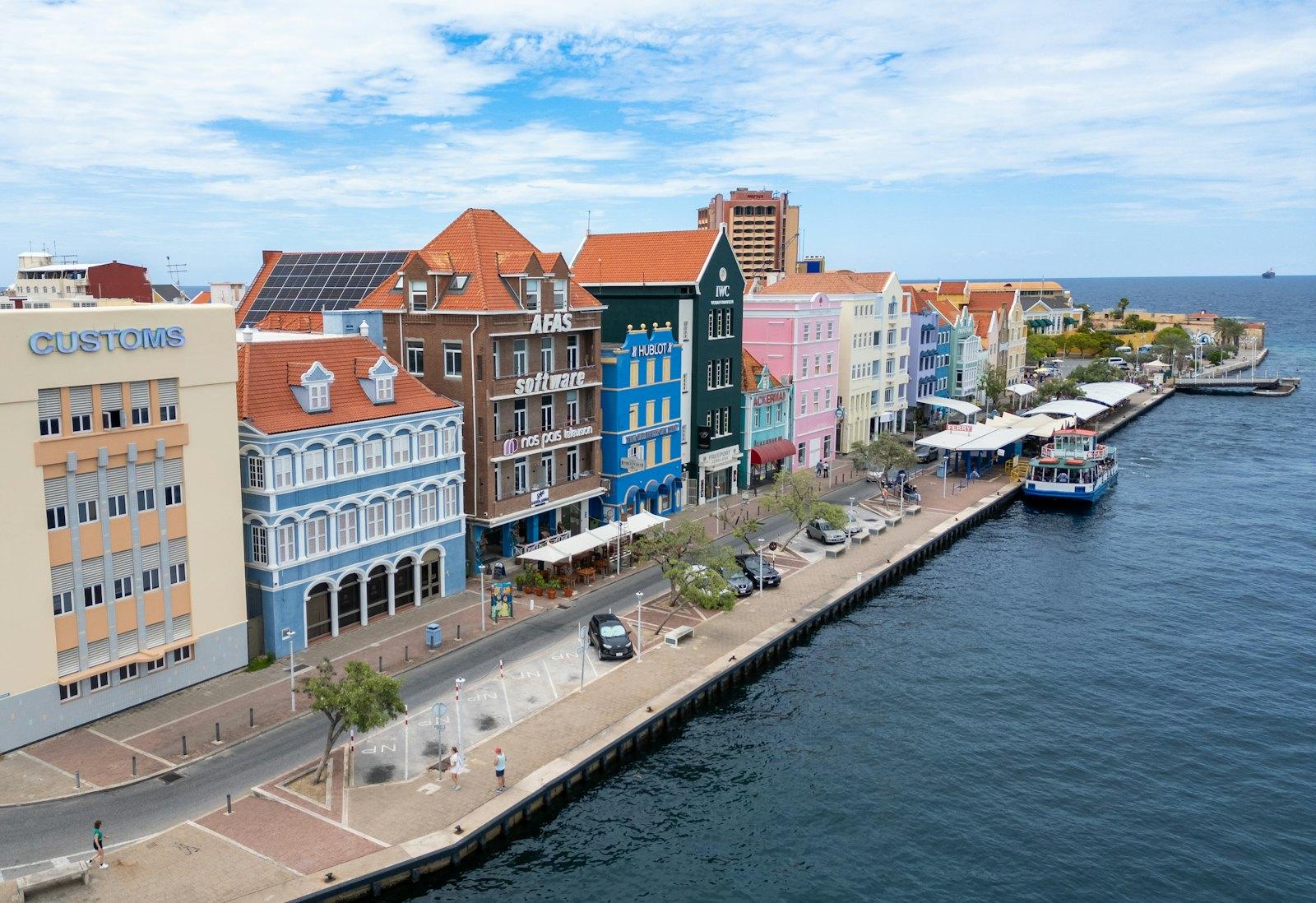
A sun-soaked Dutch Caribbean island of pastel colonial streets, hidden coves, and crystal clear reefs, with a relaxed, multicultural spirit. Best time to visit: February to September. Daily budget (budget traveller): $90 to $250 USD.
Arrive, Handelskade and the bridge
Morning: Land at Curaçao International (CUR). Take the fixed-rate airport taxi to Pietermaai, about Cg 45-55. Drop bags, then grab a cheese pastechi and coffee for under Cg 8.
Afternoon: Walk Handelskade from Punda, cross the Queen Emma pontoon bridge on foot, and wander Otrobanda's lanes to Rif Fort. If the bridge is open for a ship, just watch it swing.
Evening: Dinner on the Handelskade waterfront at Gouverneur de Rouville. Then live music at the Blues Bar at Avila Beach Hotel and an easy early night.
Punda, Scharloo and sunset in Otrobanda
Morning: Floating Market at 7am for Venezuelan fruit and fish, then Mikve Israel-Emanuel Synagogue on a weekday (closed Saturdays) for the sand floor.
Afternoon: Lunch at Plasa Bieu before 1pm: keshi yena or kabritu stobá with funchi. Walk Scharloo's merchant mansions and climb Fort Amsterdam.
Evening: Cross the bridge for sunset at Rif Fort, then local beers at Netto Bar in Otrobanda.
West coast beach loop
Morning: Pick up your rental car early. Drive to Playa Piskado for turtles before the crowds, then snorkel at Playa Lagun.
Afternoon: Grote Knip for turquoise water (arrive before 10am for parking), then lunch at Jaanchies in Westpunt. Iguana soup or goat stew are the local orders.
Evening: Sunset at Playa Forti, watching the cliff jumpers. Drive back before full dark, since rural roads are poorly lit.
Christoffel Park and Shete Boka
Morning: Be at Christoffel National Park at opening, 6am, for the Mount Christoffel summit hike. You must start the climb before 10am because of the heat. Bring at least 2L of water per person and follow ranger instructions.
Afternoon: Drive to Shete Boka National Park on the north coast. Watch the waves boom into the cave at Boka Tabla from the rails. Do not swim.
Evening: Dinner back in Pietermaai, a long shower, and a quiet drink.
Heading home: Return the rental car and be at CUR at least 3 hours before an international flight. Fly out, or squeeze in one last sunset at Rif Fort if you have a late flight.
What to eat in Curaçao
- Keshi yena: a signature dish of cheese rind or a cheese shell stuffed with spiced chicken or meat, olives, and raisins, then baked until golden
- Kabritu stobá: tender goat stewed slowly with herbs and spices, a hearty local classic usually served with rice and funchi
- Pastechi: crisp, golden fried pastries filled with cheese, ham, tuna, or beef, eaten at any time of day as a snack or breakfast
- Funchi: a cornmeal side similar to polenta, served with stews and fried fish, best tried at a local lunch spot such as the Plasa Bieu food stalls in Punda
Hidden gems
- The Scharloo district, a quieter quarter of grand 19th-century merchant mansions behind Punda, ideal for photography and a slow morning walk
- The salt ponds around Jan Kok and Sint Willibrordus, where flamingos often feed in the shallow water, best visited quietly in the early morning
- Playa Forti at sunset, a dramatic cliff-edged spot at the island's western end where locals gather to watch the sky change colour (enjoy the viewpoint without jumping from the cliffs)
- A tour of the Landhuis Chobolobo distillery, the historic country house where the island's famous Blue Curaçao liqueur is produced
Getting around
Willemstad's historic centre is compact and walkable, and the pontoon bridge is free for pedestrians, though it swings open for passing ships, so allow a little extra time. Beyond the city, a rental car is by far the easiest way to reach the west coast beaches, national parks, and viewpoints, and driving is on the right with generally good main roads, though lighting can be poor at night in rural areas. Local minibus services and public buses connect Willemstad with some parts of the island, but they are limited in the evenings and on Sundays and rarely serve the more remote beaches. Taxis operate on set government rates and are reliable but pricey for long distances, so agree on the fare before you set off. Curaçao International Airport (Hato) is a short drive from the centre of Willemstad. For Klein Curaçao, book a boat day trip, which usually departs from the southern coast near Jan Thiel. Many beaches charge a small entrance or facilities fee, so carry some cash.
Safety
Curaçao is generally safe for solo travellers, and tourist areas are well used to visitors. The most common issue is petty theft, especially break-ins at beach car parks and rental cars, so never leave valuables visible in a parked vehicle and bring only what you need to the beach. Take usual city precautions after dark, such as sticking to well-lit streets and using a taxi late at night. The sun is intense and the trade winds can mask how hot it feels, so use high SPF reef-safe sunscreen and drink plenty of water. Tap water is safe to drink. The sea on the north coast is rough, with strong currents and powerful waves, so only swim in the sheltered southern and western coves, wear reef shoes to avoid sea urchins, and use caution around cliff edges. Mosquitoes can carry dengue, so repellent is a good idea.
Frequently asked questions
What does this 4-day Curaçao itinerary cover?
Day 1: Arrive, Handelskade and the bridge. Day 2: Punda, Scharloo and sunset in Otrobanda. Day 3: West coast beach loop. Day 4: Christoffel Park and Shete Boka.
Is 4 days enough for Curaçao?
Our recommended trip length for Curaçao is 5 to 7 days. This 4-day plan focuses on the highlights and groups sights by area so you spend less time travelling between them.
How much does 4 days in Curaçao cost?
A budget traveller spends about $90 to $250 USD a day in Curaçao, so roughly $360 to $1,000 USD for 4 days, not counting flights.
Where should I stay for 4 days in Curaçao?
Punda: The historic commercial heart of Willemstad on the east side of the harbour, with colourful Handelskade facades, the floating market, old fortifications, shopping streets, and the centuries-old synagogue. Otrobanda: The characterful 'other side' of the harbour, reached by the Queen Emma pontoon bridge, with narrow lanes of restored townhouses, museums, street art, and the Rif Fort waterfront.
When is the best time to visit Curaçao?
The best time to visit Curaçao is February to September.
How do I get around Curaçao?
Willemstad's historic centre is compact and walkable, and the pontoon bridge is free for pedestrians, though it swings open for passing ships, so allow a little extra time. Beyond the city, a rental car is by far the easiest way to reach the west coast beaches, national parks, and viewpoints, and driving is on the right with generally good main roads, though lighting can be poor at night in rural areas.
Is Curaçao safe for solo travellers?
Curaçao is generally safe for solo travellers, and tourist areas are well used to visitors. The most common issue is petty theft, especially break-ins at beach car parks and rental cars, so never leave valuables visible in a parked vehicle and bring only what you need to the beach.
More 4-day guides
- Willemstad in 4 days
- Bonaire in 4 days
- Grenada in 4 days
- Trinidad in 4 days
- Vieques in 4 days
- Viñales in 4 days
- Havana in 4 days
- San Juan in 4 days
Curaçao in 2 days | Curaçao in 3 days | Curaçao in 5 days | Curaçao in 7 days | Full Curaçao guide
Joy Plus home | Destinations | Itineraries | Activities | Flights | Budget planner | Calendar | Map | Blog | Lifetime access