Otavalo in 2 days
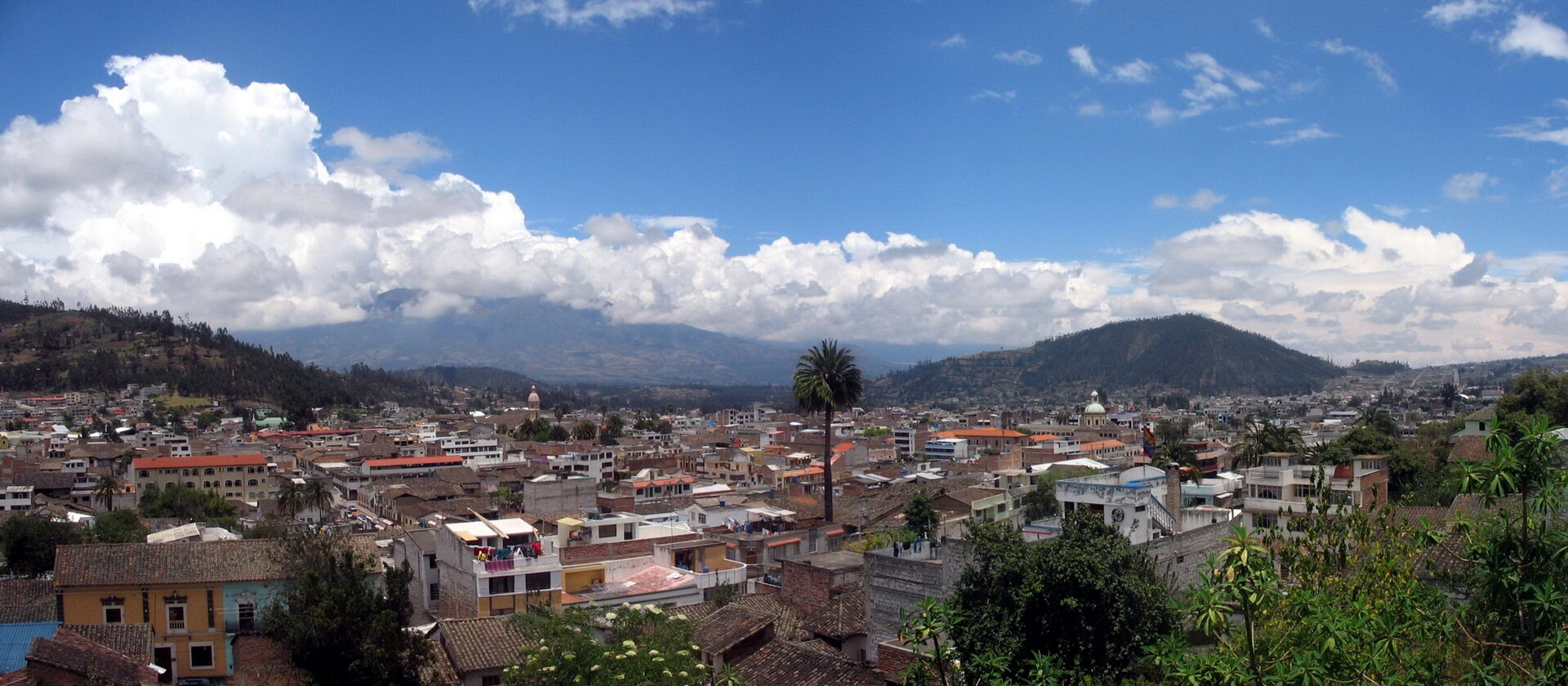
A highland market town at 2,550m with Ecuador's best-known crafts market, crater lakes, a sacred waterfall and volcanoes on every side, all within an easy bus ride of Quito. Best time to visit: June to September. Daily budget (budget traveller): $35 to $120 USD.
Arrive and find your feet
Morning: This plan assumes you arrive on a Friday. Take a bus from Quito's Carcelén terminal (about US$3-4, roughly two hours). Keep your bag on your lap.
Afternoon: Check in near the centre, then walk to Plaza de los Ponchos for a quiet first look at the weekday market. Have a set lunch at Mercado 24 de Mayo.
Evening: Take it easy at altitude. Have dinner near Parque Bolívar or at your hostel, and plan Saturday's early start.
Saturday market day
Morning: Head to the animal market at about 6:30am while the trading is busiest, then have breakfast in town before the craft stalls fill up.
Afternoon: Browse Plaza de los Ponchos and the streets around it. Compare prices, bargain gently and try hornado or fritada from a market stall.
Evening: Drop your shopping off at your hostel. If you have the energy, find live Andean music at a bar or peña.
Heading home: Allow plenty of time if you have a flight, because traffic in north Quito can be slow.
What to eat in Otavalo
- Fritada: chunks of pork simmered and then fried in their own fat, served with mote (hominy), potatoes, plantain and toasted corn
- Hornado: whole roast pig carved to order with llapingachos (cheesy potato cakes) and pickled onion, a market staple
- Chicha del Yamor: a sweet fermented drink made from several types of maize, brewed for the Yamor festival in September
- Carne colorada: pork stained red with achiote, a speciality of Cotacachi and Imbabura, usually with potatoes and avocado
- Empanadas de morocho and tortillas de tiesto: snack-sized pastries and griddle cakes, sold hot from street stalls with a coffee
- Helados de paila: hand-turned fruit sorbet from Ibarra, in flavours such as mora (Andean blackberry) and naranjilla
Hidden gems
- The Taxopamba waterfall at Mojandita, on the road to the Mojanda lakes, which is taller than Peguche and has a much quieter walk in
- A set lunch (almuerzo) of soup, a main and juice for a few dollars at the food stalls in Otavalo's Mercado 24 de Mayo
- The Tahuantinsuyo Weaving Workshop in Agato near Lago San Pablo, where a family weaves on traditional backstrap looms, best visited by appointment
- The shore of Lago San Pablo late in the afternoon, when the light falls on Imbabura and herons work the reeds
- Helados de paila in Ibarra, sorbet whipped in a copper pan over ice, a short bus ride north and worth the trip on its own
Getting around
Otavalo's centre is small and flat enough to walk everywhere, and most hostels are within 15 minutes of Plaza de los Ponchos and the bus terminal. Local buses leave the terminal for Peguche, Cotacachi, Quiroga, San Pablo del Lago and Ibarra, usually for around US$0.35-0.50. Yellow taxis are cheap for short hops, roughly US$2-3 to Peguche, and drivers rarely use meters, so agree the price first. For Cuicocha, take a bus to Quiroga or Cotacachi, then a taxi or pickup for about US$5-6, or take a taxi straight from Otavalo. Mojanda has no public transport. Taxis and pickups charge roughly US$12-20 each way, or a set price to wait while you hike, and travellers have reported paying around US$40 for a return trip with a three-hour wait. Agree the waiting time and the total price before you set off, and pay at the end. Car hire is possible in Quito but not needed here.
Safety
Otavalo is generally calm, and Ecuador's worst violent crime is concentrated on the coast, away from the highlands. Petty theft is the main risk. Pickpockets work the Saturday crowds, and bags go missing on buses, so keep your daypack on your lap, not in the overhead rack or the hold. Walks to quiet viewpoints such as El Lechero and some trails above town have seen robberies over the years, so hike in daylight, with others where you can, and leave valuables at your hostel. At Mojanda and Cuicocha the bigger dangers are cold, fog and altitude. Carry layers and water, start early and turn back if the cloud comes in. Otavalo sits at about 2,550m and the lakes are far higher, so take a slow first day, drink water and go easy on alcohol. Ecuador has used states of emergency and curfews in recent years, so check your government's travel advice before and during your trip. Use registered taxis at night.
Frequently asked questions
What does this 2-day Otavalo itinerary cover?
Day 1: Arrive and find your feet. Day 2: Saturday market day.
Is 2 days enough for Otavalo?
Two days in Otavalo is tight, but enough for a first taste. We recommend 3 to 5 days. With 3 days you'd add Peguche, El Lechero and Parque Cóndor.
How much does 2 days in Otavalo cost?
A budget traveller spends about $35 to $120 USD a day in Otavalo, so roughly $70 to $240 USD for 2 days, not counting flights.
Where should I stay for 2 days in Otavalo?
Centro and Plaza de los Ponchos: The compact grid around the market square and Parque Bolívar. Peguche: A weaving village about 3km northeast of the centre, next to the sacred Peguche waterfall.
When is the best time to visit Otavalo?
The best time to visit Otavalo is June to September.
How do I get around Otavalo?
Otavalo's centre is small and flat enough to walk everywhere, and most hostels are within 15 minutes of Plaza de los Ponchos and the bus terminal. Local buses leave the terminal for Peguche, Cotacachi, Quiroga, San Pablo del Lago and Ibarra, usually for around US$0.
Is Otavalo safe for solo travellers?
Otavalo is generally calm, and Ecuador's worst violent crime is concentrated on the coast, away from the highlands. Petty theft is the main risk.
More 2-day guides
- Quito in 2 days
- Cuenca in 2 days
- Guayaquil in 2 days
- Galápagos Islands in 2 days
- Baños in 2 days
- Quilotoa in 2 days
- Purmamarca in 2 days
- Barichara in 2 days
Otavalo in 3 days | Otavalo in 4 days | Otavalo in 5 days | Otavalo in 7 days | Full Otavalo guide
Joy Plus home | Destinations | Itineraries | Activities | Flights | Budget planner | Calendar | Map | Blog | Lifetime access