Padua in 7 days
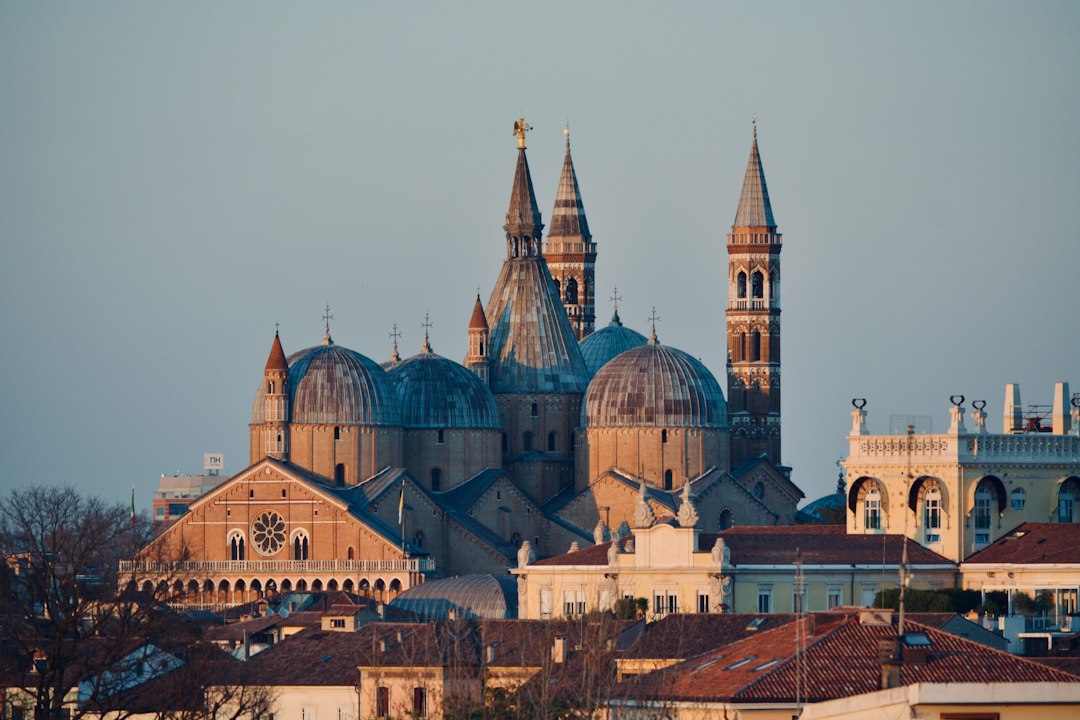
Veneto's intellectual capital: Giotto frescoes, buzzing piazza aperitivi and arcaded medieval streets. Best time to visit: April to June, September to October. Daily budget (budget traveller): $75 to $160 USD.
Medieval squares and the great Salone
Morning: Arrive at Padova railway station and take the tram straight to the historic centre. Begin in Piazza delle Erbe, watching the lively morning market beneath the arcades, then enter the colossal Palazzo della Ragione (entry €8) to inspect its vast timber-vaulted hall and massive wooden horse.
Afternoon: Descend Sotto il Salone, the vaulted 13th-century food market under the palace, and sample local Montasio cheese and prosciutto at a traditional delicatessen. Walk two minutes to the Cathedral Baptistery (entry €5) to view Giusto de' Menabuoi's breathtaking fresco dome.
Evening: Head to Piazza dei Signori as the clock on the Torre dell'Orologio strikes six. Pull up an outdoor chair for an Aperol spritz, then dine on bigoli con l'anatra at Osteria dei Fabbri.
Giotto's masterpiece and university halls
Morning: Walk to the Giardini dell'Arena for your pre-booked morning slot at the Scrovegni Chapel (entry €16). Spend fifteen quiet minutes in the decompression chamber before stepping into Giotto's luminous blue sanctuary. Afterwards, browse the adjacent Musei Civici degli Eremitani.
Afternoon: Stroll down Via Altinate to historic Caffè Pedrocchi and order their famous mint coffee. At 2pm, join the guided tour of Palazzo Bo (university tour approx €12) to see Galileo's wooden lectern and the steep wooden balconies of the 1595 anatomical theatre.
Evening: Wander through the narrow lanes of the old Jewish Ghetto. Stop at a cosy bacaro for glasses of crisp Friulano and toasted crostini topped with creamy baccalà mantecato.
Pilgrims, plants and the great square
Morning: Follow the porticoes south to the magnificent Basilica di Sant'Antonio. Explore the Santo's tomb, the serene cloisters and Donatello's bronze masterpieces on the high altar. Next door, pop into the Oratorio di San Giorgio to see Altichiero's rich narrative frescoes.
Afternoon: Walk five minutes to the UNESCO-listed Orto Botanico (entry €10), established in 1545. Wander past Goethe's palm tree inside the historic circular stone walls before exploring the modern greenhouse pavilions showcasing plants from rain forests to polar zones.
Evening: Emerge onto Prato della Valle, Europe's second-largest piazza. Admire the eighty-seven statues reflected in the canal ring, then grab a wood-fired pizza and craft beer at a terrace overlooking the square.
Day trip to Palladian Vicenza
Morning: Board a frequent regional train from Padua to Vicenza (twenty minutes, €4.70). Walk through the historic core along Corso Andrea Palladio, admiring the dramatic Renaissance palaces designed by master architect Andrea Palladio.
Afternoon: Tour the mind-bending trompe-l'oeil stage set of Teatro Olimpico (approx €13), the oldest covered amphitheatre in the world. Enjoy lunch in Piazza dei Signori with a plate of baccalà alla vicentina.
Evening: Take the scenic walk up to the Santuario di Monte Berico for panoramic views across the pre-Alps. Train back to Padua for an easy dinner of pasta e fagioli.
Canals, student life and hidden oratories
Morning: Head northeast to the Portello district, entering through the monumental 1518 Venetian water gate of Porta Portello. Stroll along the Piovego canal, where transport barges once connected Padua to the Venetian lagoon.
Afternoon: Cross to the nearby Oratorio di San Michele, hidden near the Specola astronomical observatory tower where Galileo stargazed. Stop for a lunch of hot panzerotti or a filled tramezzino at Bar Nazionale near the piazze.
Evening: Join the student crowds sitting along the Portello canal steps for a relaxed evening beer, followed by traditional rustic fare at Trattoria di Portello.
Euganean Hills and wine country
Morning: Take a short regional bus or train south to the Colli Euganei volcanic hills (approx 30 minutes). Arrive in the poetic hillside village of Arquà Petrarca, where the Italian Renaissance poet Francesco Petrarca spent his final years.
Afternoon: Visit Petrarch's House and stone tomb, then walk between olive groves to a hillside cantina for wine tasting, sampling Colli Euganei Rosso and sweet Fior d'Arancio DOCG accompanied by cured meats and rustic bread.
Evening: Return to Padua. Indulge in an elevated dinner featuring local duck, seasonal mushrooms and polenta at an osteria off Via Roma.
Market foraging and grand farewell
Morning: Spend a lazy morning shopping Sotto il Salone for culinary souvenirs: vacuum-packed aged Asiago cheese, bottles of local olive oil, and artisan Zaeti cornmeal biscuits.
Afternoon: Take a final leisurely walk down the porticoes of Via Umberto I. Sit on the terrace of a piazza bar for a lunchtime piadina and an espresso while watching local cyclists weave past.
Evening: Pack bags and depart via high-speed train to Venice Marco Polo Airport, Bologna or Milan, or continue onwards to Verona.
What to eat in Padua
- Bigoli con l'anatra: thick, toothsome egg pasta strands coated in slow-simmered minced duck ragù
- Tramezzini at Bar Nazionale: plump, triangular white-bread sandwiches stuffed to bursting with porchetta, baccalà or chicory
- Caffè Pedrocchi's signature mint coffee: rich espresso topped with chilled mint-infused cream and dusted with bitter cocoa
- Bollito misto and baccalà mantecato served alongside creamy polenta at traditional osterie
Hidden gems
- The Cathedral Baptistery, covered wall to dome in hypnotic 14th-century frescoes by Giusto de' Menabuoi
- Sotto il Salone, the vaulted food market below Palazzo della Ragione selling regional cheeses and cured meats since 1218
- The quiet porticoes and former synagogues of the historic Jewish Ghetto south of Piazza delle Erbe
- Oratorio di San Giorgio, an intimate frescoed chapel next to the Basilica featuring vibrant narratives by Altichiero
Getting around
Padua is compact and largely pedestrianised, making walking under the extensive porticoes the best option. A sleek single-track tram line (SIR 1) runs from the central railway station through the centre to Prato della Valle in under 15 minutes (€1.70 per ticket, valid 90 minutes). City buses cover outlying areas, and RideMovi bikeshare bikes are parked throughout town. Driving is strictly regulated with automated cameras guarding the historic centre ZTL zone.
Safety
Padua is generally safe and peaceful. Normal caution is advised around the railway station and Piazzale Stanga late at night, where occasional rowdiness occurs; stick to well-lit main boulevards and the tram line. Keep an eye on bags and pockets in busy market crowds on Piazza delle Erbe and Piazza della Frutta, as well as on crowded trams. Never leave phones or cameras unattended on outdoor café tables.
Frequently asked questions
What does this 7-day Padua itinerary cover?
Day 1: Medieval squares and the great Salone. Day 2: Giotto's masterpiece and university halls. Day 3: Pilgrims, plants and the great square. Day 4: Day trip to Palladian Vicenza. Day 5: Canals, student life and hidden oratories. Day 6: Euganean Hills and wine country. Day 7: Market foraging and grand farewell.
Is 7 days enough for Padua?
Our recommended trip length for Padua is 2 to 4 days. This 7-day plan focuses on the highlights and groups sights by area so you spend less time travelling between them.
How much does 7 days in Padua cost?
A budget traveller spends about $75 to $160 USD a day in Padua, so roughly $525 to $1,120 USD for 7 days, not counting flights.
Where should I stay for 7 days in Padua?
Centro Storico & Le Piazze: The medieval heart flanking Piazza delle Erbe, Piazza della Frutta and Piazza dei Signori, crowded with arcaded cafés, morning produce stalls and bustling evening wine bars. Il Santo & Prato della Valle: The atmospheric southern quarter centred on the monumental Byzantine domes of Basilica di Sant'Antonio, quiet conventual lanes and Europe's largest elliptical square.
When is the best time to visit Padua?
The best time to visit Padua is April to June, September to October.
How do I get around Padua?
Padua is compact and largely pedestrianised, making walking under the extensive porticoes the best option. A sleek single-track tram line (SIR 1) runs from the central railway station through the centre to Prato della Valle in under 15 minutes (€1.
Is Padua safe for solo travellers?
Padua is generally safe and peaceful. Normal caution is advised around the railway station and Piazzale Stanga late at night, where occasional rowdiness occurs; stick to well-lit main boulevards and the tram line.
Read more about Padua
More 7-day guides
- Ravenna in 7 days
- Dolomites in 7 days
- Matera in 7 days
- San Gimignano in 7 days
- Sirmione in 7 days
- Varenna in 7 days
- Cortina d'Ampezzo in 7 days
- Polignano a Mare in 7 days
Padua in 2 days | Padua in 3 days | Padua in 4 days | Padua in 5 days | Full Padua guide
Joy Plus home | Destinations | Itineraries | Activities | Flights | Budget planner | Calendar | Map | Blog | Lifetime access