Pamplona in 4 days
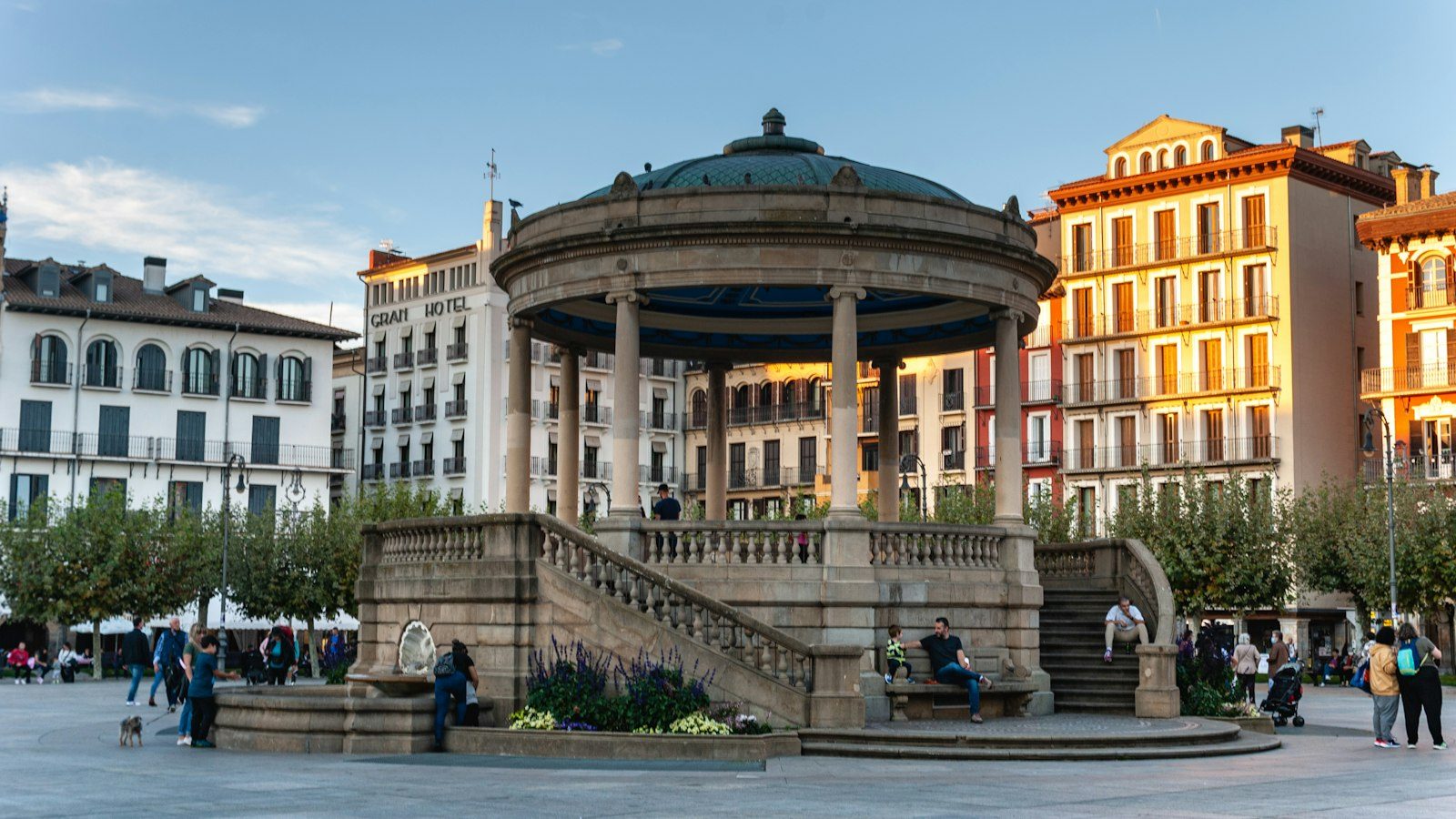
The old capital of the Kingdom of Navarre, inside its own stone walls, with a Gothic cathedral and some of the best pintxo bars in northern Spain. Most people know it for one week of bull runs in July. The other fifty-one weeks it is a calm, green, easy city to walk. Best time to visit: May to June and September to October. Daily budget (budget traveller): $70 to $215 USD.
Arrive and find your feet
Morning: Arrive by train or bus and drop your bag. Walk to Plaza del Castillo and have a coffee at Café Iruña under the old mirrors.
Afternoon: Wander the old town streets to the town hall, San Saturnino and the Mercado de Santo Domingo, then walk the route of the bull run down Calle Estafeta to the bullring.
Evening: Start your first pintxo crawl on Calle San Nicolás. One pintxo and one drink per bar, then move on.
Cathedral and walls
Morning: Visit the cathedral, cloister and museum (€5) when it opens at 10:30. Book the bell tower climb ahead if you want to see the María bell.
Afternoon: Walk the walls from the Portal de Francia to the Mirador del Caballo Blanco, then down to the river and the Magdalena bridge.
Evening: Sundowner at the Caballo Blanco terrace, then pintxos on Calle Estafeta and around Plaza del Castillo.
Parks and the Museo de Navarra
Morning: Visit the Museo de Navarra (€2, closed Mondays) for the Roman mosaics, Gothic paintings and Goya. Come on Saturday afternoon or Sunday and it is free.
Afternoon: Picnic in the Taconera gardens, say hello to the deer in the moat, then walk round the bastions of the Ciudadela.
Evening: Dinner in the Segundo Ensanche, or a Thursday pintxo-and-drink deal in a local neighbourhood bar.
Olite and its palace
Morning: Take a regional bus south to Olite, about 45 minutes away. Walk the little medieval town and its walls.
Afternoon: Tour the turreted Royal Palace of the Kings of Navarre and climb the towers. Then try a glass of local wine at one of the bodegas in town.
Evening: Bus back to Pamplona for a quiet dinner and an early night.
Heading home: For the airport or station, see Getting there in the full Pamplona guide.
What to eat in Pamplona
- Hot pintxos made to order: try the bars on Calle San Nicolás and Bar Gaucho, and ask what the house speciality is that day
- Chistorra: a thin, spicy Navarran sausage, fried and served on bread or with eggs in almost every bar
- Piquillo peppers from Lodosa, stuffed with cod or meat, and white asparagus from Navarre, which is at its best in spring
- Menú del día: three courses with bread and wine for about €15 to €20 at weekday lunchtimes, the best-value sit-down meal in town
- Roncal and Idiazábal sheep's cheese, then cuajada (set sheep's milk) with honey for dessert
- Navarra rosado and red wines at a few euros a glass, and a pacharán (sloe liqueur) to finish
Hidden gems
- The Portal de Francia, the only old city gate that still has its drawbridge and chains, where pilgrims on the Camino walk into the old town
- The cloister garden and the Barbazana chapel inside the cathedral complex, quiet even when the church is busy
- The Mercado de Santo Domingo in the morning, a small covered market at the start of the bull run with local cheese, peppers and asparagus
- The Church of San Saturnino (San Cernin), with its fortified brick towers and a scallop shell set in the pavement outside
- The deer in the old moat of the Taconera gardens, which most visitors walk straight past on their way to the Ciudadela
Getting around
The old town is small and mostly pedestrianised, so you will walk almost everywhere. It takes about 10 minutes from Plaza del Castillo to the cathedral or the Ciudadela. Expect some slopes up from the river and cobbles in the old streets. The red villavesas (city buses) cover the wider area. A single ticket costs €1.70 in 2026 and €2 during San Fermín, and you can pay in cash or with a bank card. It is due to rise to €1.75 in 2027. Locals use a rechargeable transport card with discounted fares, but for a short stay single tickets are fine. Line 9 is the easiest way between the train station and the centre. The main bus station is underground next to the Ciudadela, a 10-minute walk from the old town. Taxis are reasonably priced and easy to find at ranks around Plaza del Castillo and the stations. Pamplona also has a good network of cycle lanes and riverside paths. You do not need a car in the city, but it helps for the Bardenas Reales or the Irati forest.
Safety
Pamplona is a safe city, and violent crime against visitors is rare. San Fermín is the exception to almost every rule. The streets are packed, pickpockets and drink spiking are a real risk, and huge crowds at night can be overwhelming. Keep valuables to a minimum, watch your drink and stick with people you trust. The city runs purple 'punto violeta' stands where you can report harassment or ask for help. Running with the bulls is genuinely dangerous. People are injured every year, and runners must be over 18 and sober, and must not carry bags or cameras. Watching from a balcony or the bullring is much safer. The rest of the year, the main risks are slippery cobbles in the rain and cold winter nights. Tap water is safe to drink. The EU emergency number is 112. EU travellers should carry an EHIC and UK travellers a GHIC, and everyone else needs travel insurance with medical cover.
Frequently asked questions
What does this 4-day Pamplona itinerary cover?
Day 1: Arrive and find your feet. Day 2: Cathedral and walls. Day 3: Parks and the Museo de Navarra. Day 4: Olite and its palace.
Is 4 days enough for Pamplona?
Our recommended trip length for Pamplona is 3 to 5 days. This 4-day plan focuses on the highlights and groups sights by area so you spend less time travelling between them.
How much does 4 days in Pamplona cost?
A budget traveller spends about $70 to $215 USD a day in Pamplona, so roughly $280 to $860 USD for 4 days, not counting flights.
Where should I stay for 4 days in Pamplona?
Casco Viejo (old town): The walled medieval core, with Plaza del Castillo, the town hall, the cathedral and the bull run route. Segundo Ensanche: The 20th-century grid of wide streets just south of the old town, with Avenida Carlos III, shops, cafés and plenty of apartments.
When is the best time to visit Pamplona?
The best time to visit Pamplona is May to June and September to October.
How do I get around Pamplona?
The old town is small and mostly pedestrianised, so you will walk almost everywhere. It takes about 10 minutes from Plaza del Castillo to the cathedral or the Ciudadela.
Is Pamplona safe for solo travellers?
Pamplona is a safe city, and violent crime against visitors is rare. San Fermín is the exception to almost every rule.
Read more about Pamplona
More 4-day guides
- Sitges in 4 days
- Tarifa in 4 days
- Zaragoza in 4 days
- Cádiz in 4 days
- Barcelona in 4 days
- Madrid in 4 days
- Valencia in 4 days
- San Sebastián in 4 days
Pamplona in 2 days | Pamplona in 3 days | Pamplona in 5 days | Pamplona in 7 days | Full Pamplona guide
Joy Plus home | Destinations | Itineraries | Activities | Flights | Budget planner | Calendar | Map | Blog | Lifetime access