Picos de Europa in 2 days
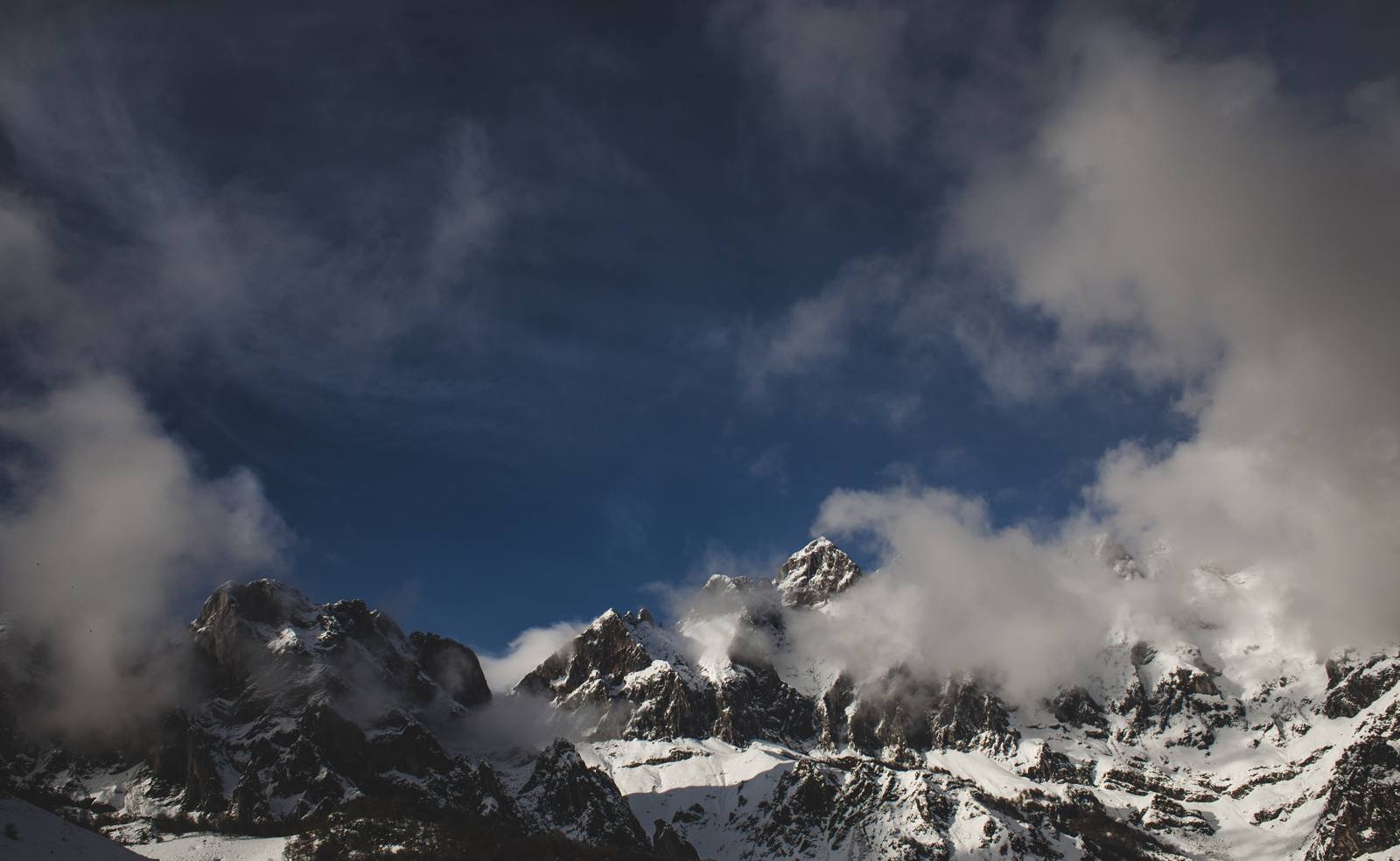
Limestone peaks a short drive from the sea, where you walk the Cares Gorge, ride a funicular to a village with no road and eat blue cheese aged in mountain caves. Best time to visit: Late May to early October. Daily budget (budget traveller): $75 to $240 USD.
Arrive in Cangas de Onís
Morning: Fly into Asturias Airport and take the bus into Oviedo, then an ALSA bus to Cangas de Onís (about 1 hour 10 to 1 hour 35 minutes, roughly €7-8).
Afternoon: Check in, then walk to the arched bridge over the Sella with the Victory Cross hanging below it. Pick up food, water and a park map in town.
Evening: Your first cider house dinner. Order a bottle of sidra, a plate of Cabrales and something light, and get an early night.
Covadonga and the lakes
Morning: Take an early shuttle from Cangas towards the lakes (€9 adult return in regulated periods, valid all day). Walk the roughly 5km loop around Lago Enol and Lago Ercina, past the Buferrera mines and the viewpoints.
Afternoon: Ride the shuttle down to Covadonga. Visit the Santa Cueva in the cliff and the pink basilica, then continue back to Cangas on the same ticket.
Evening: A slow dinner in Cangas. If fog spoilt the lakes, keep the next morning flexible.
Heading home: Check the timetable, as there are only a few departures a day. Fly out of Santander, or stay a night by the bay and eat in town before an early flight.
What to eat in Picos de Europa
- Fabada asturiana: white beans slow-cooked with chorizo, morcilla and pork, a heavy lunch dish best before a long walk rather than after
- Cabrales cheese: a sharp blue cheese from cow's milk, sometimes mixed with goat's and sheep's milk, matured in mountain caves under a protected designation
- Cocido lebaniego: the Liébana stew of chickpeas, cabbage, meats and sausage, served in courses at restaurants around Potes
- Cachopo: two veal fillets with ham and cheese inside, breaded and fried, large enough to share
- Sidra natural: still Asturian cider poured from a height in short measures, sold by the bottle in every sidrería
- Arroz con leche: rice pudding with a caramelised top, the classic Asturian dessert on almost every set lunch menu
Hidden gems
- Santa María de Lebeña, a small pre-Romanesque church in the La Hermida gorge, an easy stop on the road between Panes and Potes
- The Monday market in Potes, where valley farmers sell cheese, honey, orujo and vegetables in the streets around the old town
- The Canal del Texu path from Bulnes down to Poncebos, the old mule track the village depended on before the funicular, steep but well marked
- The Valdeón valley around Posada de Valdeón and Caín, far quieter than the Asturian side and a good place to start the Cares walk at dawn
- The Áliva pastures beyond the Fuente Dé top station, wide meadows with grazing horses and views of the Central Massif, reached on broad tracks
Getting around
Without a car, you rely on buses, a few shuttles and taxis. ALSA runs frequent buses between Oviedo and Cangas de Onís, around 20 or more a day, taking about 1 hour 10 to 1 hour 35 minutes, for roughly €7-8. From Cangas, a few ALSA buses a day continue to Arenas de Cabrales in about 30-45 minutes. On the Cantabrian side, Autobuses Palomera runs Santander to Potes two or three times a day, taking about 2 hours 25 minutes, via Panes and the La Hermida gorge. The Potes to Fuente Dé bus has mainly run in summer. Outside summer a taxi has cost roughly €30 each way. The Covadonga lakes road closes to private cars in busy periods, and a shuttle runs every 30 minutes from Cangas and the car parks. Caín and Poncebos are 12km apart on foot but more than 100km apart by road. A taxi between them starts at around €160 a vehicle, so most solo walkers go there and back on foot. A hire car from Oviedo or Santander airport makes linking the three sides much easier. Roads are narrow and winding, and parking at trailheads fills early in August.
Safety
The Picos are safe for solo travellers in terms of crime. The real risks are mountain ones. Weather changes fast, and thick fog can roll over the lakes and high pastures within minutes, so carry a map, a charged phone and a warm layer even in summer. The Cares path has long drops and no railings in many places. Keep to the inside, watch for falling stones and do not walk it in heavy rain or ice. The gorge gets very hot on summer afternoons, so start early and carry plenty of water. Stay well away from cows with calves and from the large mastiffs that guard flocks. Do not try to pet or cross them. Ticks are common in long grass. Mobile signal drops in the gorges and deep valleys. Tell your accommodation which route you are walking and when you expect to be back. The European emergency number 112 works across Spain, and mountain rescue is run by the Guardia Civil and regional services. Winter brings snow and avalanche risk on high ground, so only go up then with proper experience or a guide.
Frequently asked questions
What does this 2-day Picos de Europa itinerary cover?
Day 1: Arrive in Cangas de Onís. Day 2: Covadonga and the lakes.
Is 2 days enough for Picos de Europa?
Our recommended trip length for Picos de Europa is 4 to 7 days. This 2-day plan focuses on the highlights and groups sights by area so you spend less time travelling between them.
How much does 2 days in Picos de Europa cost?
A budget traveller spends about $75 to $240 USD a day in Picos de Europa, so roughly $150 to $480 USD for 2 days, not counting flights.
Where should I stay for 2 days in Picos de Europa?
Cangas de Onís: The main town on the Asturian side and the easiest base without a car. Arenas de Cabrales: A smaller village at the meeting of the Cares and Casaño rivers, about 6km from Poncebos.
When is the best time to visit Picos de Europa?
The best time to visit Picos de Europa is Late May to early October.
How do I get around Picos de Europa?
Without a car, you rely on buses, a few shuttles and taxis. ALSA runs frequent buses between Oviedo and Cangas de Onís, around 20 or more a day, taking about 1 hour 10 to 1 hour 35 minutes, for roughly €7-8.
Is Picos de Europa safe for solo travellers?
The Picos are safe for solo travellers in terms of crime. The real risks are mountain ones.
Read more about Picos de Europa
More 2-day guides
- Santillana del Mar in 2 days
- Albarracín in 2 days
- Frigiliana in 2 days
- La Gomera in 2 days
- Oviedo in 2 days
- El Hierro in 2 days
- Sóller in 2 days
- Cáceres in 2 days
Picos de Europa in 3 days | Picos de Europa in 4 days | Picos de Europa in 5 days | Picos de Europa in 7 days | Full Picos de Europa guide
Joy Plus home | Destinations | Itineraries | Activities | Flights | Budget planner | Calendar | Map | Blog | Lifetime access