Potosí in 2 days
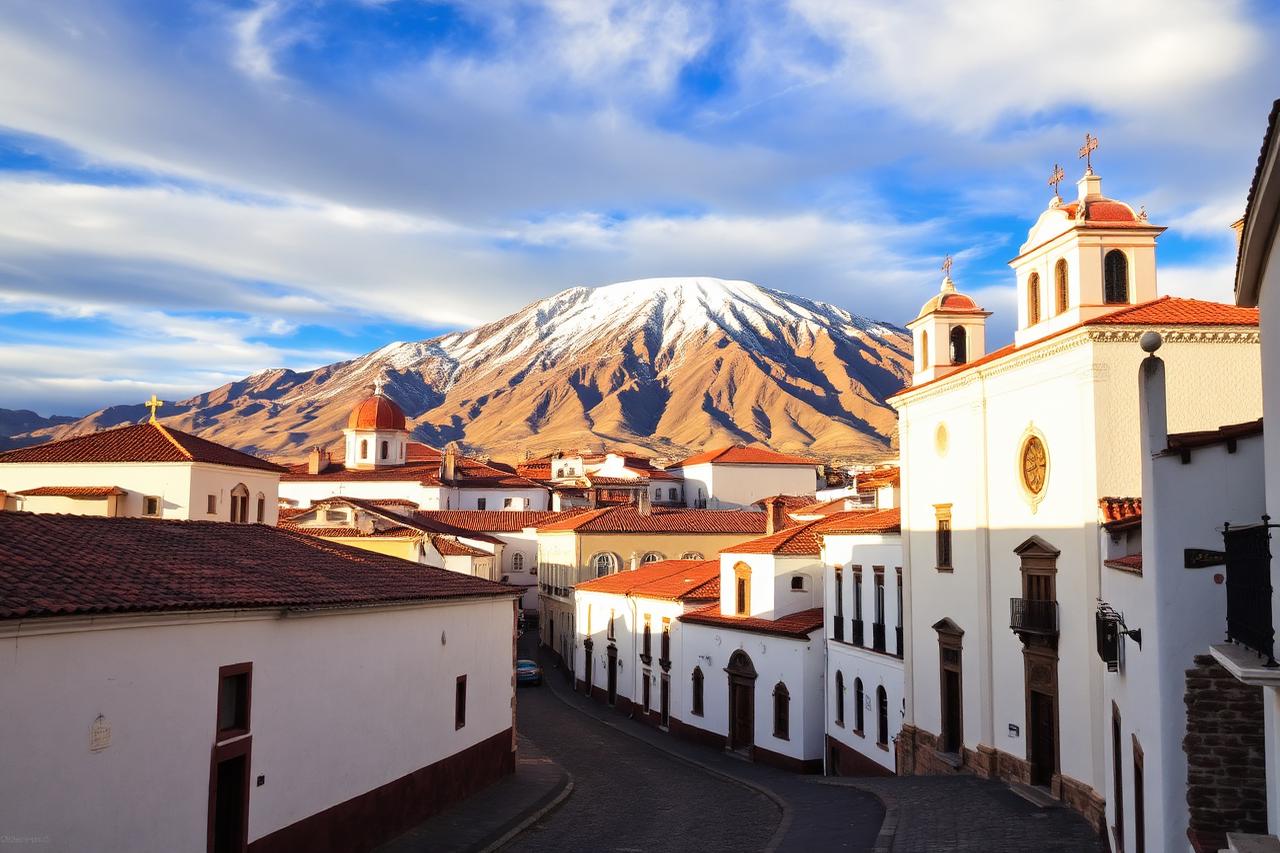
One of the world's highest cities: silver mines, colonial grandeur and a history written in blood and wealth. Best time to visit: April-October. Daily budget (budget traveller): $20 to $40 USD.
Arrive and do almost nothing
Morning: Bus lands at the Terminal de Buses about 2km out. Taxi to the centre for Bs 8-12, agreed up front. Check in, drink two mates de coca, lie down for an hour.
Afternoon: Walk a slow 20-minute loop of Plaza 10 de Noviembre and the cathedral facade. Stop every block. Skip the hill streets. Light lunch, soup only.
Evening: Dinner at Sumaj Orcko on Calle Quijarro: sopa de maní or kala phurka, the soup finished with a hot stone dropped in the bowl, Bs 35-55. No beer tonight. In bed by 9pm with an extra blanket.
The Mint and the city's silver story
Morning: Api con buñuelos at Mercado Central (Bs 10-12). Then the Casa Nacional de Moneda guided tour, about Bs 40 and 2 hours. Arrive 15 minutes early, because the Mint closes for a long midday break.
Afternoon: Set lunch near the plaza (Bs 20-30). Then the Convento de San Francisco guided visit, roughly Bs 20-30, with the rooftop and catacombs.
Evening: Torre de la Compañía de Jesús around 5pm (Bs 15-20), when Cerro Rico turns amber. Dinner at Potochi: chicharrón de llama or llama steak, Bs 50-80.
Heading home: Taxi to the terminal (Bs 8-12). Buses to Sucre run through the day, Bs 25-40, 3 to 3.5 hours.
What to eat in Potosí
- Pique a lo macho, a massive plate of beef, sausage, chips and egg in spicy sauce, the classic high-altitude comfort food
- Saltenas, Bolivian baked empanadas filled with juicy meat or chicken stew, best eaten before noon
- Api with buñuelos, the purple corn drink and fried dough that locals eat for breakfast at Mercado Central
- Chicharron de llama, crispy fried llama meat served with mote corn, a regional Potosí specialty
- Coca tea, the essential altitude remedy, served everywhere and drunk constantly by locals and visitors alike
Hidden gems
- The shrine to El Tío, the devil-like guardian of the mine, seen on the tours.
- The local miners' market on Saturday mornings, where coca leaves, dynamite and llama foetuses for offerings are sold side by side.
- The small museum of mining at the base of Cerro Rico with photographs and tools from the 1940s.
- The rooftop of the Convento de Santa Teresa for a quiet mirador with almost no tourists.
- The pique macho and salteñas at Mercado Central, eaten at altitude with locals who have never known thick air.
Getting around
Potosí's centre is compact and walkable, though the steep streets and extreme altitude make walking tiring. Taxis are cheap and useful for the Cerro Rico base or if you are struggling with the altitude. There is no bus system to speak of within the city. The bus terminal connects to Sucre (3 hours), La Paz (10 hours) and Uyuni (4 to 5 hours).
Safety
Potosí itself is safe but the altitude is the real risk. Take your first day very slowly, drink coca tea constantly, avoid alcohol and heavy meals on arrival, and consider diamox if you have struggled with altitude before. The mine tours are genuinely dangerous: choose a reputable operator, bring a dust mask, and do not go if you have respiratory or heart issues. From May to late June 2026, protests over fuel-subsidy cuts blocked roads across western Bolivia for weeks, cutting off La Paz and causing shortages of fuel, food and medicine. The blockades were lifted after a deal in late June, but fuel shortages and new blockades remain possible, so check official travel advice and allow spare days for overland travel. The US rates Bolivia 'Exercise increased caution'.
Frequently asked questions
What does this 2-day Potosí itinerary cover?
Day 1: Arrive and do almost nothing. Day 2: The Mint and the city's silver story.
Is 2 days enough for Potosí?
Yes, 2 days is a good length for Potosí. We recommend 2 to 3 days.
How much does 2 days in Potosí cost?
A budget traveller spends about $20 to $40 USD a day in Potosí, so roughly $40 to $80 USD for 2 days, not counting flights.
Where should I stay for 2 days in Potosí?
Centro Histórico: The UNESCO core with the Royal Mint, cathedral, colonial arcades and the densest concentration of historic churches. Cerro Rico Base: The area around the mountain's foot where miners gather, where tour operators assemble, and where the reality of Bolivia's mining present meets its colonial past.
When is the best time to visit Potosí?
The best time to visit Potosí is April-October.
How do I get around Potosí?
Potosí's centre is compact and walkable, though the steep streets and extreme altitude make walking tiring. Taxis are cheap and useful for the Cerro Rico base or if you are struggling with the altitude.
Is Potosí safe for solo travellers?
Potosí itself is safe but the altitude is the real risk. Take your first day very slowly, drink coca tea constantly, avoid alcohol and heavy meals on arrival, and consider diamox if you have struggled with altitude before.
Read more about Potosí
More 2-day guides
- La Paz in 2 days
- Uyuni in 2 days
- Santa Cruz de la Sierra in 2 days
- Sucre in 2 days
- Iquitos in 2 days
- Ilha Grande in 2 days
- São Paulo in 2 days
- Santiago in 2 days
Potosí in 3 days | Potosí in 4 days | Potosí in 5 days | Potosí in 7 days | Full Potosí guide
Joy Plus home | Destinations | Itineraries | Activities | Flights | Budget planner | Calendar | Map | Blog | Lifetime access