Rarotonga in 2 days
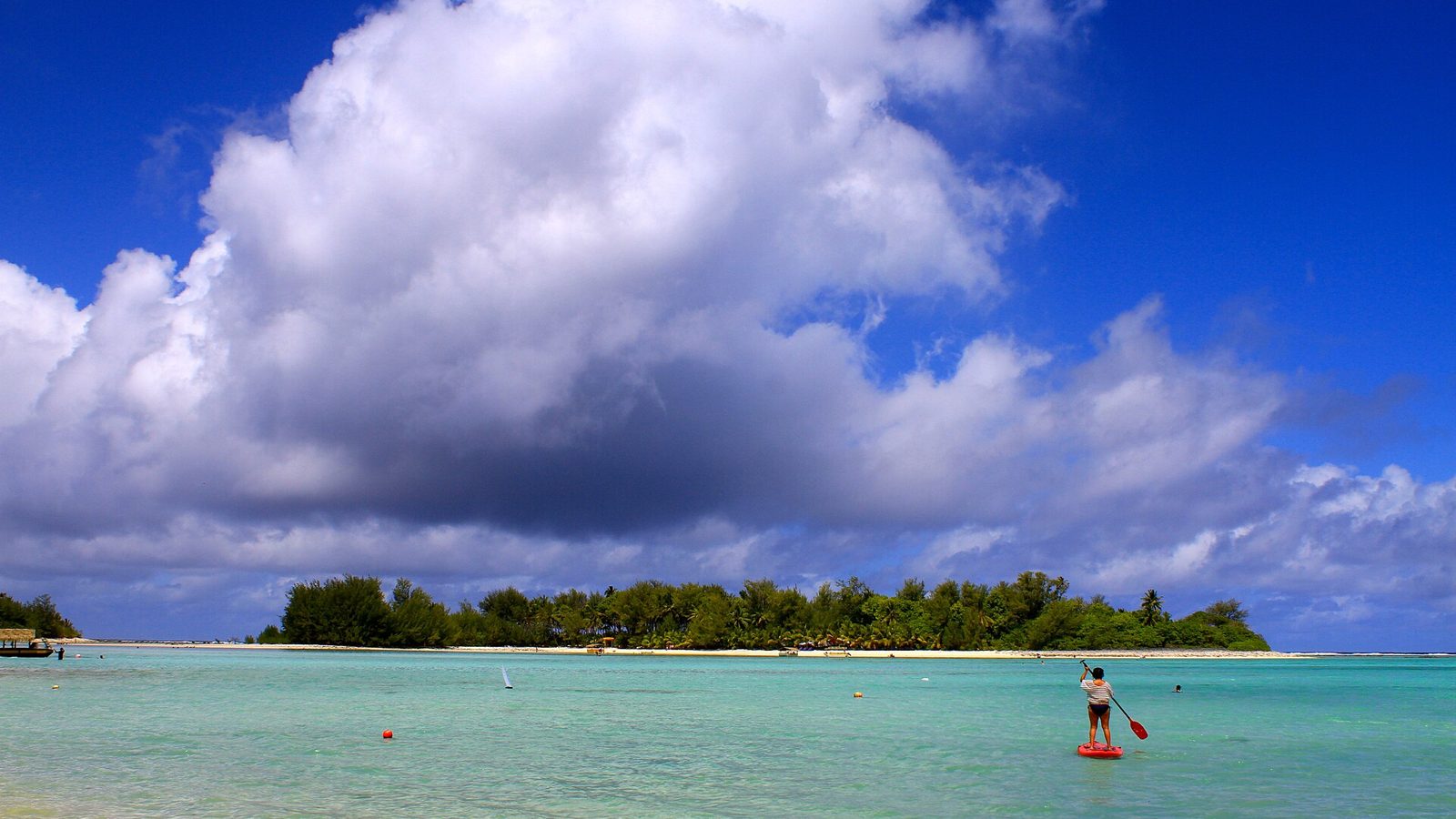
A green volcanic island ringed by a turquoise lagoon, with one road running around the coast and two buses, one going each way. You paddle out to tiny islets off Muri, hike past the Needle to a waterfall and spend Saturday morning eating ika mata at the Avarua market. Best time to visit: May to October. Daily budget (budget traveller): $70 to $250 USD.
Arrive and slow down
Morning: Land, pick up your transfer and settle in. If you arrived overnight, sleep late, then walk down to the lagoon for a first swim.
Afternoon: Take the bus into Avarua (about NZ$5). Get cash at an ATM, buy groceries and a local SIM, and look around the Cook Islands Christian Church.
Evening: Take the clockwise bus to Black Rock for sunset, then have a cheap dinner at a takeaway near Avarua before the last bus.
Muri lagoon
Morning: Hire a kayak or paddleboard on Muri Beach (about $15-25 USD) and paddle to Koromiri or Taakoka while the water is calm.
Afternoon: Snorkel along the edge of the lagoon, or join a lagoon cruise with lunch (around $60-70 USD). Rest in the shade through the hottest hours.
Evening: Eat at the Muri Night Market if it is on, or at one of the beachfront cafés in Muri.
Heading home: Many flights leave late at night. Have dinner, take a final look at the lagoon and head to the airport.
What to eat in Rarotonga
- Ika mata: raw fish in lime and coconut cream with chopped vegetables, the national dish, best from a market stall on Saturday morning
- Fish sandwiches: a big grilled mahi-mahi or tuna sandwich from The Mooring Fish Café at Avana harbour, one of the island's favourite cheap lunches
- Rukau and island food plates: taro leaves cooked in coconut cream, served with taro, breadfruit and pork at market stalls and umukai feasts
- Poke: a sweet, sticky pudding of banana or pumpkin with arrowroot and coconut cream, sold at the market and in some cafés
- Tropical fruit and smoothies: papaya, pawpaw, starfruit, soursop juice and drinking coconuts, much cheaper at the market than in cafés
- Muri Night Market: a row of food stalls in Muri on several evenings a week, with plates of curry, seafood and barbecue at sensible prices
Hidden gems
- The free mid-morning cultural show on the Punanga Nui Market stage, which many visitors miss because they leave after breakfast
- The Raemaru track behind Arorangi, a steep scramble to a flat-topped mountain with views over the west coast and far fewer walkers than the Needle
- The inland back road (Ara Metua), an old road behind the coastal one that passes taro patches, plantations and village life
- The lagoon at Muri at dawn, when it is glassy and still before the wind and the kayak hire stalls get going
- The coral-block Cook Islands Christian Church in Avarua on a weekday, when the churchyard and the graves of early missionaries are quiet
Getting around
One road, the Ara Tapu, circles the island, so you cannot really get lost. The Cooks' Island Bus runs both ways around the coast from Cook's Corner in Avarua. Clockwise buses leave on the hour from about 7am Monday to Saturday, and anticlockwise buses leave at half past the hour from about 8.30am on weekdays, finishing earlier on Saturdays. There is no anticlockwise bus on Sundays, and Sunday clockwise services are limited. A night bus follows the clockwise route on some evenings. Fares are about NZ$5 ($3 USD) a ride, NZ$35 for 10 rides or NZ$20 ($12 USD) for a day pass, and you pay the driver in cash. Large bags cost extra. Flag the bus down anywhere on the road. Scooters cost about $12-15 USD a day, but you need a motorcycle licence from home or a Cook Islands visitor licence from the police station in Avarua, which involves a theory and practical test for most visitors. Helmets are compulsory. Bicycles and e-bikes are a good alternative on the flat coast road. Taxis exist but are few, so ask your accommodation to book one, especially at night.
Safety
Rarotonga is very safe, and violent crime against visitors is rare. Petty theft from scooters, beach bags and unlocked rooms does happen, so do not leave valuables on the sand while you snorkel. The biggest risks are on the road and in the water. Scooter crashes are the most common cause of injury, so ride slowly, wear a helmet and avoid riding after drinking. The lagoon is calm, but currents rip out through the reef passages, such as Avaavaroa and Avana, and people drown there. Swim inside the lagoon, away from passages, and never go out on the reef alone. Wear reef shoes for coral, sea urchins and stonefish. The Cross-Island Track is slippery after rain, so start early, tell someone where you are going and carry water. Dengue fever is present in the Pacific, so use insect repellent. Cyclone season runs from November to April. Medical care is basic, and serious cases go to New Zealand, so take insurance with evacuation cover. The emergency number is 999.
Frequently asked questions
What does this 2-day Rarotonga itinerary cover?
Day 1: Arrive and slow down. Day 2: Muri lagoon.
Is 2 days enough for Rarotonga?
Our recommended trip length for Rarotonga is 5 to 7 days. This 2-day plan focuses on the highlights and groups sights by area so you spend less time travelling between them.
How much does 2 days in Rarotonga cost?
A budget traveller spends about $70 to $250 USD a day in Rarotonga, so roughly $140 to $500 USD for 2 days, not counting flights.
Where should I stay for 2 days in Rarotonga?
Muri: The south-east corner, with the widest, calmest part of the lagoon and four small islets (motu) just offshore. Avarua: The small capital on the north coast, with the Punanga Nui Market, banks, the post office, supermarkets, the main church and the bus terminal at Cook's Corner.
When is the best time to visit Rarotonga?
The best time to visit Rarotonga is May to October.
How do I get around Rarotonga?
One road, the Ara Tapu, circles the island, so you cannot really get lost. The Cooks' Island Bus runs both ways around the coast from Cook's Corner in Avarua.
Is Rarotonga safe for solo travellers?
Rarotonga is very safe, and violent crime against visitors is rare. Petty theft from scooters, beach bags and unlocked rooms does happen, so do not leave valuables on the sand while you snorkel.
More 2-day guides
- Aitutaki in 2 days
- Sydney in 2 days
- Queenstown in 2 days
- Wellington in 2 days
- Auckland in 2 days
- Melbourne in 2 days
- Gold Coast in 2 days
- Brisbane in 2 days
Rarotonga in 3 days | Rarotonga in 4 days | Rarotonga in 5 days | Rarotonga in 7 days | Full Rarotonga guide
Joy Plus home | Destinations | Itineraries | Activities | Flights | Budget planner | Calendar | Map | Blog | Lifetime access