EES and ETIAS Explained: Europe's New Entry Rules for 2026 and 2027
Nov 10, 2026, 15 min read
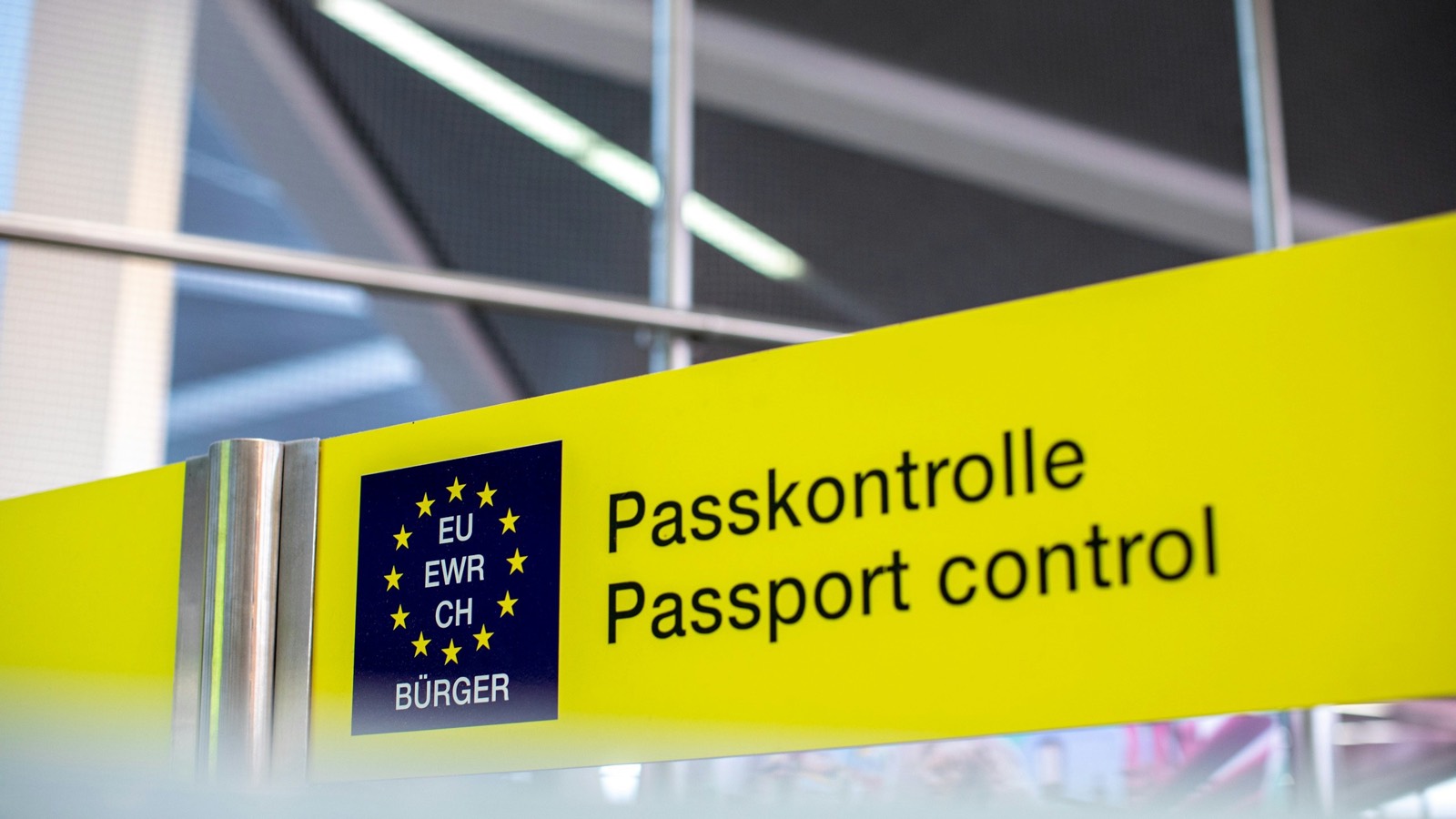
The passport stamp is gone: Europe's EES now records your face, fingerprints and every day you spend in the Schengen Area, while the 20 euro ETIAS authorisation still has no start date. Here is what is live, what is coming and what to do before your next trip.
If you last visited Europe before October 2025, the border will feel different next time. The passport stamp has gone in the 29 countries that use the new Entry/Exit System, replaced by a digital record built on your face and, for most visitors, your fingerprints. A second change, a paid online travel authorisation called ETIAS, still has no start date, yet dozens of unofficial websites already offer it.
This guide sets out where things stand on 7 November 2026, based on the EU's official EES and ETIAS pages: what happens at the border now, how your 90 days are counted, who will need ETIAS and what it costs, what the EU has promised about notice and grace periods, how the UK's ETA fits in, and what to sort out before your next trip.
Two systems, two jobs
EES, the Entry/Exit System, is a border database. It registers non-EU visitors every time they cross an external border of the countries using it, and it replaces the passport stamp. ETIAS, the European Travel Information and Authorisation System, is an online permission you get before you travel, like the US ESTA. EES is live now. ETIAS is not. Neither gives you an extra day in Europe.
When EES started, and where
The European Commission launched EES on 12 October 2025 and phased it in over six months, with stamps and digital records running side by side. Since 10 April 2026, the EU says, it has been fully operational at all external border crossing points, and manual stamping has been abolished. It covers 29 countries: every EU member except Cyprus and Ireland, plus Iceland, Liechtenstein, Norway and Switzerland, which in practice is the whole Schengen Area. Cyprus and Ireland still stamp passports by hand. The official EES site has the full detail.
Who it applies to
EES applies to non-EU nationals on a short stay, meaning up to 90 days in any 180-day period, whether or not they need a Schengen visa. British, American, Canadian and Australian visitors are registered, and so are visa holders. It does not apply to citizens of the EU, Iceland, Liechtenstein, Norway or Switzerland, to holders of residence permits or long-stay visas, or to nationals of Andorra, Monaco and San Marino.
What happens the first time
On your first crossing since EES began, an officer or a self-service kiosk scans your passport and takes a photo of your face. If you are visa-exempt, four fingerprints are scanned too. If you hold a Schengen visa, only your face is stored, because your fingerprints are already on file from the visa application. Children under 12 are not fingerprinted, though they can be photographed. Registration is free, and refusing to give your biometrics means you will be refused entry. Expect it to take longer than a stamp ever did.
Every trip after that
Your file is reused. On later crossings the officer only checks your face or fingerprints against the record, which is quicker, and with a biometric passport you can use a self-service kiosk where the border has one. You may be checked again when you leave, and at airports that can happen before the gate, so give departures extra time too.
The Travel to Europe app
The EU's official Travel to Europe app lets you pre-register your passport data and a selfie, and answer the entry questionnaire, up to 72 hours before you cross. It needs a biometric passport and it is optional. In early November 2026 it only works for two countries: Sweden, where it covers passport data, face image and questionnaire, and Portugal, where it covers the questionnaire. If you are flying into Stockholm or Lisbon, it is worth downloading. Everywhere else, you register at the border.
How long your data is kept
Each record of an entry, exit or refusal is kept for three years. Your personal file is kept for three years and one day after your last exit. If no exit is ever recorded, which is how an overstay looks to the system, the data is kept for five years from the day your authorised stay ran out. After that it is deleted automatically.
Full operation got off to a bumpy start
Long queues followed the full switch-on in April 2026, and a temporary EU safety valve let countries pause fingerprint and face scans at specific crossings for up to six hours at a time when waits became excessive. Greece briefly announced it would stop registering British visitors, and the Commission replied that blanket exemptions for particular nationalities are not allowed. That flexibility formally ended on 6 September 2026, despite calls from airlines and nine European governments to extend it, and no official extension had been published by early November 2026, although a senior Commission official said on 15 October 2026 that there would be some further flexibility. Plan for queues at peak times.
Leaving from the UK: Dover, Eurotunnel and Eurostar
If you sail from Dover, take LeShuttle from Folkestone or board Eurostar at London St Pancras, the French border check happens in the UK before you board, so EES does too. Registration began for coach and foot passengers at Dover, and coach passengers at Eurotunnel, on 12 October 2025. Car passengers have lagged: in early November 2026 the Port of Dover still said biometric registration was not taking place for cars and its new EES facility was not yet in use, and in mid-October LeShuttle said it was still waiting for the French authorities to confirm when biometric checks for car passengers at Folkestone would begin. At St Pancras, Eurostar now tells non-EU passengers to register at its EES kiosks, though reports over the summer said they were not always working. Heading to Paris or driving south? Check your operator's latest advice the week you travel and arrive early.
How EES counts your 90 days
EES calculates your 90 days in any 180 automatically, as one period across all 29 countries, and flags anyone who overstays. Border officers can tell you how many days you have left, and the EU's Check how long you can stay tool shows the same figure from your passport number and dates. One catch: the tool ignores any stay that began before 10 April 2026, so count those days yourself. The rule itself is unchanged, and staying longer still means a national long-stay visa. If the rolling window confuses you, read our Schengen 90/180 rule explainer.
Cyprus is counted separately
Cyprus is outside both Schengen and EES, and the EU's ETIAS rules confirm that time there is calculated separately from the other countries. A week in Paphos between Greece and Italy does not use up your Schengen days. It does not reset them either.
What ETIAS is
ETIAS is an online travel authorisation for visitors who do not need a visa. You fill in a form on the official website or app, pay the fee and usually get an answer by email within minutes. It is linked to your passport, lasts three years or until that passport expires, whichever comes first, and covers unlimited trips of up to 90 days in any 180. It is not a visa, it collects no fingerprints, and it does not guarantee entry. A new passport means a new ETIAS.
Where you will need it
ETIAS will apply in 30 countries: Austria, Belgium, Bulgaria, Croatia, Cyprus, Czechia, Denmark, Estonia, Finland, France, Germany, Greece, Hungary, Iceland, Italy, Latvia, Liechtenstein, Lithuania, Luxembourg, Malta, the Netherlands, Norway, Poland, Portugal, Romania, Slovakia, Slovenia, Spain, Sweden and Switzerland. That is the 29 EES countries plus Cyprus. Ireland is the only EU country that will not require it.
Who will need it
Nationals of 59 visa-exempt countries and territories, including the UK, the US, Canada, Australia, New Zealand, Japan, South Korea, Singapore, Malaysia, Brazil, Mexico, Argentina, Israel, the UAE and the Western Balkan states. Every traveller needs their own, children included. You will not need one with a passport from an EU country, Iceland, Liechtenstein, Norway or Switzerland, with a Schengen visa, or with a residence permit from an ETIAS country other than Cyprus. UK nationals living in the EU under the Withdrawal Agreement with the right residence document are exempt too, unless it was issued by Ireland or Cyprus.
What it costs and how long it takes
The fee is 20 euros, up from the 7 euros first planned, after a Commission adjustment in July 2025. Applicants under 18 or over 70 pay nothing, and nor do eligible family members of EU citizens. The fee is not refunded if you are refused. Most applications will be approved within minutes. If not, the EU promises a decision within four days, extended by up to 14 days if you are asked for more information or up to 30 days if you are invited to an interview. Its advice: get ETIAS before you buy tickets or book accommodation.
When ETIAS starts: no date yet
The official ETIAS site says the system is not in operation, no applications are being collected, and the EU will announce the start date several months before launch. The earlier target, the last quarter of 2026, was dropped from the site's main pages in July 2026, after the Financial Times reported that eu-LISA, the EU agency building the system, no longer saw a 2026 launch as feasible. A few older news items on the official site still mention it, so ignore them. A 2027 start is widely expected but unconfirmed. Anyone quoting an exact date is guessing.
What the EU has promised for the switch-on
Two soft landings. First, a transitional period of at least six months: you should apply, but you will not be refused entry without ETIAS if you meet the other entry conditions. Then a grace period of at least six more months: ETIAS is compulsory, except that travellers entering for the first time since the transitional period ended can still get in without one. Once ETIAS is compulsory, airlines and ferry companies will check it before you board, and on trains from the UK the border officers will. Coach companies get up to three years from launch before they must check it, but border guards will still check it when you arrive.
Do not pay a website for ETIAS today
Because ETIAS is not open, any site taking applications or payment now is not official. In October 2026, ABTA, the UK travel association, warned that European authorities believe more than 150 websites already offer ETIAS. Once it launches, the only official channels will be the EU's ETIAS website and the official ETIAS mobile app. Intermediaries will be allowed to apply for you, but anything above 20 euros is their own fee, and they get your passport data. Official EU sites end in europa.eu: bookmark the official ETIAS page and ignore search ads.
The UK's ETA is a separate scheme
The UK runs its own Electronic Travel Authorisation. The fee rose from £16 to £20 on 8 April 2026. An ETA lasts two years or until your passport expires, and allows visits of up to six months at a time. Most visa-free visitors need one, including Americans, Canadians, Australians and, since 2 April 2025, EU citizens. British and Irish passport holders do not. Children need their own. Decisions usually arrive within a day but can take three working days. Apply only on GOV.UK or the official UK ETA app. An ETIAS will not get you into London, and an ETA will not get you into Paris.
Before you go: check your passport dates
For the Schengen Area, your passport must have been issued less than 10 years before the day you arrive and must be valid for at least three months after the day you plan to leave. Some older British passports, renewed before 1 October 2018, can fail the first test even when the expiry date looks fine. Renew in good time, and remember that once ETIAS is running, a new passport means a new application.
Allow extra time at both ends
Arrive earlier than you used to for flights leaving the Schengen Area and for Dover, Folkestone and St Pancras, especially at weekends and in school holidays. First-time registration is the slow part, and because your file stays on the system for three years after your last exit, regular visitors usually go through it only once. If your dates are flexible, our best time to visit calendar helps you avoid the busiest weeks.
Carry proof, not just a passport
Officers can still ask for a return or onward ticket, proof of accommodation, proof that you can fund your stay and, in some countries, travel insurance. Keep copies offline on your phone, and make sure it works the moment you land: our travel eSIM guide covers that. Count your Schengen days before you book, not at the desk.
Plan it with Joy Plus
EES is live, ETIAS is coming but not here yet, and the 90/180 rule is the same as ever. Joy Plus builds a day-by-day itinerary with a map, timed stops and transit, a trip hub for your bookings and an offline PDF, so your onward tickets and dates are on hand when the officer asks. Start planning your trip
Frequently asked questions
When does ETIAS start?
There is no confirmed start date. As of 7 November 2026, the official ETIAS website says the system is not in operation and that the EU will announce the start date several months before launch. The earlier target of the last quarter of 2026 was dropped from the site's main pages in July 2026, and a 2027 start is widely expected but not confirmed. Do not pay any website that claims to process ETIAS applications now.
How much does ETIAS cost?
The ETIAS fee is 20 euros when you apply on the official EU website or app, up from the 7 euros originally planned. Applicants under 18 or over 70 are exempt from the fee, as are eligible family members of EU citizens. The fee is not refunded if your application is refused. Third-party websites may charge more, and anything above 20 euros goes to the intermediary, not the EU.
Do I need ETIAS to travel to Europe in 2026?
Not yet. ETIAS is not in operation, so nobody needs one today. Once it starts, nationals of 59 visa-exempt countries and territories, including the UK, US, Canada, Australia and New Zealand, will need one for short stays in 30 European countries. Citizens of EU countries, Iceland, Liechtenstein, Norway and Switzerland, Schengen visa holders and most residence permit holders will not. A transitional period of at least six months will follow the launch.
What is EES and when did it start?
EES, the Entry/Exit System, is the EU's digital border record for non-EU visitors on short stays. It started on 12 October 2025, was phased in over six months, and has been fully operational at the external borders of 29 European countries since 10 April 2026. It records your passport details, a face image, fingerprints for visa-exempt travellers, and the date and place of each entry and exit, replacing passport stamps.
Do children have to give fingerprints for EES?
Not if they are under 12. The EU says fingerprints of children below 12 are currently not scanned, although children are still registered in EES and can be asked to have their photo taken. From 12, visa-exempt travellers give four fingerprints and a facial image. Visa holders only give a facial image at the border, because their fingerprints were already collected when they applied for the Schengen visa.
Does EES change the Schengen 90/180 rule?
No. The limit is still 90 days in any rolling 180-day period across the Schengen Area. What changed is enforcement: EES counts your days automatically from your recorded entries and exits and flags overstays. You can check your remaining days with border officers or the EU's online tool, which ignores any stay that began before 10 April 2026. Cyprus is not part of EES and counts its days separately.
Is the UK ETA the same as ETIAS?
No. They are separate schemes run by different governments. The UK ETA is for visiting the UK, has cost £20 since 8 April 2026, lasts two years or until your passport expires, and has been required for EU citizens since 2 April 2025. ETIAS is the EU's authorisation for visiting 30 European countries and has not started yet. British travellers will need ETIAS for Europe once it launches, and EU citizens already need an ETA for the UK.
How long does EES keep my fingerprints and photo?
Your EES file is kept for three years and one day after your last recorded exit, and each record of an entry, exit or refusal is kept for three years from the date it was created. If no exit is recorded, for example after an overstay, the data is kept for five years from the end of your authorised stay. After that it is deleted automatically, so frequent visitors usually register their biometrics only once.