Destinations / Europe
Lisbon, Portugal travel guide
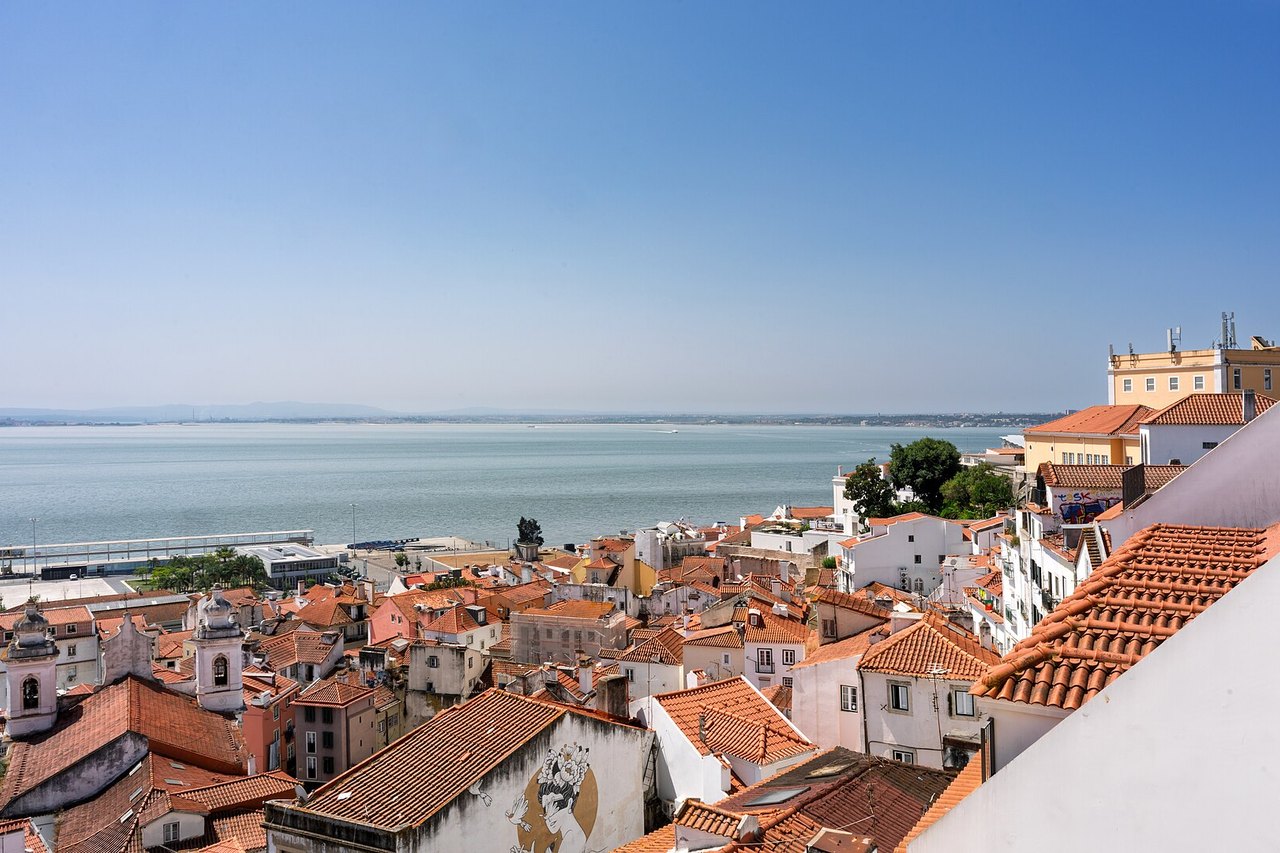
Pastel hills, Atlantic light, and the most underrated food scene in Europe.
- Best time to visit: April-June and September-October
- Daily budget (budget traveller): $70 to $110 USD
- Ideal trip length: 5 to 7 days
Lisbon has become the European city travellers obsess over - and for good reason. It's hilly, salty, full of trams and tile, and still cheaper than Madrid or Paris. With Joy Plus, you get a Lisbon plan that already knows which miradouros to skip at sunset and which fado house actually has locals inside.
Lisbon is the rare European capital where a solo traveller is the default customer, not the awkward table for one. The city runs on small, family-run rooms with a counter, a handwritten blackboard and a bartender who will tell you what to order. A bica (espresso) is €1, a pastel de nata about €1.30, a prato do dia lunch with wine €9 to €13. You can cover the core of the city on foot in three days. You could also stay three weeks and still be finding new miradouros, because every hill seems to hide another one.
What sets Lisbon apart from Barcelona, Madrid or Rome is the pace. Locals lunch at 1pm, eat dinner at 9pm, and nobody blinks when you sit alone at the bar with a book. Strangers talk to you here, usually because you are sharing a bench at Miradouro de Santa Catarina or a counter at Cervejaria Ramiro at 11pm. Add the Atlantic coast, with Cascais 40 minutes away by train and Caparica's surf beaches a ferry and bus ride off, and you get a city break that doubles as a beach trip.
Be honest with yourself about the terrain. Lisbon is built on seven hills, the pavement is polished limestone calçada that turns to ice in the rain, and 15,000 steps a day is normal. Pack shoes with grip, and don't count on the historic funiculars: Glória, Bica and Lavra and the Santa Justa lift have been closed since the September 2025 accident (only the Graça funicular is running again), and plan each day around one neighbourhood instead of crisscrossing the map. This guide gives you that plan: a 7-day route, the real 2026 prices, the train times and the small local rules, like skipping the Belém takeaway queue and eating dinner after 8pm.
How many days in Lisbon?
For Lisbon, we recommend 5 to 7 days. With more time, add a day trip to Costa da Caparica.
| Trip length | What you'll see | Itinerary |
|---|---|---|
| 2 days | Baixa and Chiado; Alfama, the Sé and a fado night | Lisbon in 2 days |
| 3 days | Adds: Belém and LX Factory | Lisbon in 3 days |
| 4 days | Adds: Sintra day trip | Lisbon in 4 days |
| 5 days · Recommended | Adds: Príncipe Real and Bairro Alto | Lisbon in 5 days |
| 7 days · Recommended | Adds: Cascais and the coast; Mouraria, Graça | Lisbon in 7 days |
Lisbon itinerary
Arrive, settle, Baixa and Chiado
Morning: Land at LIS. Take the metro red line from Aeroporto to Alameda, change to the green line for Baixa-Chiado (about 25 min). Drop bags, then espresso and a pastel at A Brasileira.
Afternoon: Walk Rua Augusta down to Praça do Comércio and the river. Walk up to Miradouro de São Pedro de Alcântara for your first big view (the Glória funicular has been closed since September 2025).
Evening: Dinner at Taberna da Rua das Flores (no reservations, arrive by 7:45pm). Then a drink at Pensão Amor and an early night, because tomorrow is steep.
Alfama, the Sé and a fado night
Morning: Be at Castelo de São Jorge for the 9am opening. Coffee afterwards at Pois Café, then drift down through Alfama's alleys to the Sé cathedral.
Afternoon: Lunch at Ti-Natércia (Rua das Escolas Gerais). Stroll to Miradouro das Portas do Sol and then Largo de São Miguel.
Evening: Fado at Mesa de Frades (about 30 seats, book days ahead) or dinner fado at A Baiuca. No photos during sets, and the rooms stay quiet.
Belém and LX Factory
Morning: Take the Cascais-line train from Cais do Sodré to Belém (7 min). Jerónimos Monastery at 9:30am opening. Skip the takeaway queue at Pastéis de Belém and walk into the tiled back rooms to sit.
Afternoon: Walk the river to Belém Tower, then the MAAT museum and its rooftop. Bus or tram 15E on to Alcântara.
Evening: Dinner at Cantina LX inside LX Factory. Drinks at the Rio Maravilha rooftop as the sun drops behind the 25 de Abril Bridge.
Sintra day trip
Morning: Early train from Rossio to Sintra (40 min, about €2.40). Bus 434 to Pena Palace for the 9:30am opening, with tickets pre-booked online.
Afternoon: Walk down to Quinta da Regaleira and its spiral well. Lunch at Tascantiga in town, then a travesseiro pastry at Piriquita.
Evening: Train back to Rossio. Easy dinner near your hotel and a long sleep.
Príncipe Real and Bairro Alto
Morning: Brunch at Dear Breakfast. Browse Embaixada (a palace turned concept store) and A Vida Portuguesa on Rua Anchieta.
Afternoon: Rest in Jardim do Príncipe Real, then walk down to Santa Catarina. Walk down Rua da Bica de Duarte Belo for the classic photo of the steep street (the Bica funicular itself has been closed since September 2025).
Evening: Dinner at Cervejaria Trindade. Do a Bairro Alto street crawl with €2 imperials in plastic cups (takeaway sales stop at 11pm, midnight on Fridays and Saturdays), finishing with the view at Park rooftop.
Cascais and the coast
Morning: Train from Cais do Sodré to Cascais (40 min, about €2.50). Walk the seafront to Boca do Inferno.
Afternoon: Rent a bike for the cycle path to Praia do Guincho (about 30 min each way). Seafood lunch at Marisco na Praça in the Mercado da Vila.
Evening: Back in Lisbon, a late seafood feast at Cervejaria Ramiro (closed Mondays, shorter queue after 10pm). Order the garlic prawns and Bulhão Pato clams.
Mouraria, Graça and depart
Morning: Coffee and a nata at Manteigaria on Rua do Loreto. Walk up through Mouraria to Graça. If it is Tuesday or Saturday, browse the Feira da Ladra flea market.
Afternoon: Miradouro da Senhora do Monte, then a last lunch at O Velho Eurico or A Cevicheria. Collect your bags.
Evening: Metro from Baixa-Chiado (green line) to Alameda, then red line to Aeroporto. Allow 45 minutes, and about 2 hours before an international flight.
Best neighbourhoods
- Alfama: Oldest quarter, fado, viewpoints, tile-covered alleys. Atmospheric but loud at night and steep, best as a base if you're under 35 with knees that work.
- Chiado & Baixa: Elegant shopping, cafés, the gridded downtown. The most central and the most touristy. Easy logistics, less local soul.
- Príncipe Real: Boutique hotels, brunch, the city's best concept stores. Where well-travelled solos and digital nomads stay.
- LX Factory: Converted warehouses, street art, late-night cocktails. Half industrial, half hipster, visit, don't sleep here.
- Belém: Monasteries, the original pastéis, riverside museums. Visit for a half-day, don't stay, it's a 25-minute tram from the centre.
- Graça: One hill above Alfama. Views without the crowds, the best sunset miradouro in the city, and rents locals can almost still afford.
Must-do experiences
- Sunset at Miradouro de Santa Catarina: Local crowd, cheap beer, the city falling toward the river. Arrive 45 minutes before sunset for a wall spot.
- Day trip to Sintra: Pena Palace and Quinta da Regaleira - go on the 8am train, not the 10am. Buy palace tickets online the night before.
- Time Out Market (after 9pm): Three stalls, share everything, skip the lunch rush when cruise passengers arrive in waves.
- Tram 28 - but walk it: The route is the magic, the actual tram is a pickpocket bus. Walk Graça → Alfama → Baixa instead.
- A proper fado night in Alfama: Mesa de Frades or A Baiuca, small rooms, two sets, no photos. Book ahead.
- Surf lesson at Costa da Caparica: 45 minutes by ferry + bus. Beginner waves, board rentals for €15, lessons for €35-45. The Atlantic in May is cold, wear the wetsuit.
- Browse Feira da Ladra flea market: Tuesday and Saturday in Campo de Santa Clara. Vintage tile, old fado records, azulejos and honest junk. Go early, haggle gently, then climb to Panteão Nacional next door.
- Sunset sailboat on the Tejo: Two-hour skippered sail from Doca de Santo Amaro, around €30 with a drink. The 25 de Abril Bridge and the whole pastel skyline from the water, far better than any rooftop.
Hidden gems
- Mesa de Frades - fado in a converted chapel, 30 seats.
- Embaixada - palace turned concept store in Príncipe Real.
- Praia do Guincho - wild Atlantic beach 30 minutes by bike from Cascais.
- Pensão Amor - pink velvet bar inside an old brothel.
- Casa Independente in Intendente, arts space and bar in an 1863 building, locals gather in the courtyard.
- Cervejaria Ramiro after 10pm, Lisbon's seafood institution, bookable on TheFork, less wait late (closes 00:30, closed Mondays).
- Jardim do Torel at dawn: the quiet viewpoint at the top of the Lavra funicular, which is closed, so walk up the Calçada do Lavra.
Daily budget
- Accommodation: budget €25-45 / night (hostel dorm), mid-range €110-220 (boutique double), splurge €300+ (Memmo Alfama, Santiago de Alfama). Prices jump 30 to 40% in June and September. Book Alfama and Príncipe Real two months ahead for those months.
- Food: budget €22-32 / day (pastelaria breakfast, prato do dia, a bifana), mid-range €50-80 (one sit-down dinner, wine included), splurge €150+ (Alma or Belcanto, tasting menus from about €200). Lunch is the hack: prato do dia is €9-13 with soup, main, coffee and often a drink. Skip the couvert you did not ask for.
- Transport: budget €7.25 / day (24h pass), mid-range €10-18 (transit plus the odd Bolt), splurge €60+ (taxis everywhere, or a private driver for Sintra). Sintra and Cascais trains are about €2.40 to €2.50 each way. Do not rent a car. Parking is a nightmare.
- Activities: budget €10-20 / day (miradouros, churches, one museum), mid-range €35-60 (Castelo €17, Pena Palace €20, a fado evening), splurge €120+ (private sailboat, tuk-tuk tour, fado dinner). Jerónimos (€18) and Belém Tower (€15, timed entry) are closed Mondays. Pre-book Pena Palace online for a fixed slot.
- Drinks & nightlife: budget €8-12 (imperial €2, ginjinha €1.80, tasca wine), mid-range €25-40 (Bairro Alto crawl plus one cocktail bar), splurge €80+ (Park rooftop, Pensão Amor, Lux Frágil). Bairro Alto and Cais do Sodré are street-drinking zones, but takeaway alcohol sales now stop at 11pm Sunday to Thursday and midnight on Friday and Saturday, and police are issuing fines. Cocktails in proper bars run €10-14.
Where to stay
- Social hostel in Bairro Alto / Chiado (€25-45 / night): The Independente has a terrace with river views, mixed dorms and privates, and a low-key social scene. You are 5 minutes' walk from Miradouro de São Pedro de Alcântara and the metro at Baixa-Chiado.
- Boutique hotel in Príncipe Real (€110-220 / night): Quiet streets, a leafy garden square, and the best brunch and concept stores on your doorstep. Flat enough to walk to Chiado in 10 minutes.
- Apartment in Graça or Mouraria (€80-130 / night): Real residential streets with local bars and a baker on the corner. Best value for 5+ nights, with a kitchenette and a tile floor. Check for lifts, since stairs add up.
- Splurge in Alfama riverside (€300-480 / night): Memmo Alfama, with a plunge pool, or Santiago de Alfama: river views and breakfast with the bridge in sight. Ask for a pick-up, as taxis cannot reach the narrowest lanes.
What to eat
- Bifana at O Trevo (Praça Luís de Camões), €2.50, mustard, hot bread.
- Pastéis de nata at Manteigaria, not Belém, if the queue is long.
- Grilled sardines at Taberna da Rua das Flores (June to September, sardine season).
- Vinho verde anywhere, by the glass, €2 in a tasca, €5 in a wine bar.
- Bacalhau à Brás at Solar dos Presuntos, the salt cod dish locals actually eat.
- Ginjinha at A Ginjinha (Rossio), sour cherry liqueur in a small cup, €1.80, drink it standing up.
- Garlic prawns and Bulhão Pato clams at Cervejaria Ramiro, go at 10pm, share with a stranger if needed.
Day trips
- Sintra (40 min by train): Fairytale palaces in misty hills: Pena (€20), Quinta da Regaleira (about €15), Monserrate and the Moorish Castle. Start at the Pena gate at 9:30am to beat the tour buses, and wear comfortable shoes for the steep paths. Train from Rossio, about €2.40 each way. Bus 434 loops station, Moorish Castle and Pena, with a day ticket around €13.
- Cascais (40 min by train): Seaside town with calm bays, fresh seafood and the Boca do Inferno cliffs. Cycle the coastal path to wild Praia do Guincho for surf and sunsets. Train from Cais do Sodré every 20 min, about €2.50 each way. Bike hire in town from €10 a day (Bikeiberia or the municipal Cascais bikes).
- Costa da Caparica (45 min by ferry and bus): Long Atlantic beaches, surf schools and beach shacks where locals spend summer weekends. Take a surf lesson (€35-45), then grilled fish at a beachfront restaurant. Ferry from Cais do Sodré to Cacilhas (about €1.50), then Carris Metropolitana bus 3011 to Costa da Caparica.
When to visit
- Spring (April to June): 17-26°C, mostly sunny, a few showery days in April. Crowds: Building, still manageable until June. The best window. Long evenings, jacarandas flowering from late May, and Santos Populares street parties around 12 to 13 June. Book ahead for June weekends.
- Summer (July to August): 27-35°C, dry, Alfama and Baixa can feel like an oven. Crowds: Heavy: cruise ships, festival crowds, long Sintra queues. Go only if you want beach time. Do the hills at 8am, hide indoors from 2 to 5pm, and expect some local restaurants to close for August holidays.
- Autumn (September to October): 21-27°C in September, 17-23°C by late October, sea still around 19°C. Crowds: Moderate, drops noticeably after mid-October. The local favourite. Warm sea at Cascais, golden light, and shorter queues at Pena and Belém. First rains arrive in late October.
- Winter (November to March): 9-16°C, wet spells from December to February, and some bright, crisp days. Crowds: Low. Cheapest hotels and the best table availability. Pack a proper rain jacket and shoes with grip. Fado rooms, tascas and bifanas are at their best in this weather.
Entry rules for your passport
Visa rules for Portugal depend on the passport you travel on. Check the official source before you book: European Commission: Schengen visa policy
Getting there
Lisbon airport (LIS, also called Humberto Delgado) is 7km from the centre. The metro red line runs from Aeroporto to Alameda (change to green for Baixa-Chiado) or São Sebastião, around €1.90 plus a €0.50 navegante card (the former Viva Viagem). Carris city buses 744 and 783 also run to the centre. A Bolt to Baixa is €8-12. Metered taxis cost €15-20 to the centre, and the rank outside arrivals is fine, but do not accept a flat fee over €20 from anyone approaching you inside the terminal. Direct trains reach Lisbon Santa Apolónia from Porto in about 3 hours. There is no direct train from Madrid: the rail route changes at Badajoz and Entroncamento.
Border checks: non-EU visitors (other than Swiss, Norwegian, Icelandic, Liechtenstein, Andorran, Monegasque, San Marinese and Vatican citizens, and holders of an EU residence permit or long-stay visa) are registered in the EU's Entry/Exit System (EES) instead of getting a passport stamp. On your first crossing, officers take your photo and/or fingerprints, so allow extra time at passport control. ETIAS, the planned travel authorisation, is not in operation yet, so don't pay any website for one.
Getting around
Buy a navegante ocasional card on arrival (the former Viva Viagem, €0.50 + top-up). It works on metro, bus, tram, the Belém train and most ferries. A 24-hour pass is €7.25 if you'll do more than three rides. Walk where you can - Lisbon is hills, but every climb is a view. Bolt is cheaper than Uber for longer rides, €5-7 across the centre.
Safety
Very safe overall. Watch for pickpockets on Tram 28 and in crowded miradouros. Solo travellers, including women, generally feel comfortable here at night in Chiado, Príncipe Real, Bairro Alto and Graça. Avoid Martim Moniz square late at night and don't leave drinks unattended in Bairro Alto bars.
Solo travel tips
- Sit at the counter: Most tascas have a balcão. Take a stool, say boa noite, and ask what is good today. The staff will talk, and so will the pair of regulars next to you.
- Get the 24-hour pass for hill days: The €7.25 pass covers the metro, Carris buses and trams, Tram 28 included. Don't count on the historic funiculars: Glória, Bica and Lavra and the Santa Justa lift have been closed since the September 2025 accident, with no reopening date. Only the Graça funicular is running again, since 30 April 2026.
- Pick a hostel that runs real socials: The Independente in Bairro Alto has a terrace and low-key evenings. Home Lisbon Hostel in Baixa does shared dinners. Both are better for solos than party hostels in Cais do Sodré.
- Ignore the hashish whisperers: Around Rua Nova do Carvalho, Baixa and Martim Moniz, men will offer you drugs. A calm no obrigado and keep walking works. Never buy, it is usually fake and sometimes a setup for a scam.
- Solo women and late nights: Lisbon is one of the safest capitals in Europe for women alone. Still, watch your drink in Bairro Alto, use Bolt after midnight, and avoid empty side streets near Intendente after dark.
- Join a morning surf class or a free walking tour: Surf schools in Caparica and Carcavelos (about €35-45 a lesson) are full of solos on day one. Walking tours start at Praça Luís de Camões and run on tips, a good way to meet people and get your bearings.
Cultural etiquette
- Start with bom dia, boa tarde or boa noite. Obrigado (said by men) and obrigada (said by women) go a long way, and Portuguese is not Spanish, so do not default to it.
- Tip 5 to 10% at sit-down restaurants, and round up a euro at cafés. Nobody expects 20%.
- Couvert (bread, olives, cheese, butter) on the table is charged per item. Send back what you do not want and it comes off the bill.
- Buy pastries at the counter, eat standing up at the bar, and do not take a table without waiting to be seated.
- Fado is for listening. No phones, no talking during a song, and applaud only at the end of each piece.
- Lunch is 12:30 to 3pm, dinner 8 to 11pm. Many kitchens close between 3pm and 7pm, so a late lunch can leave you with only a sandwich.
- Keep your voice down on the metro and trams. Locals do, and loud foreigners stand out.
Frequently asked questions
How many days do you need in Lisbon?
Five to seven days is the sweet spot - enough for the main neighbourhoods, a Sintra day trip, a beach day in Cascais and at least one slow morning of pastéis and people-watching. Three days is doable but feels rushed and skips Sintra.
Is Lisbon good for solo travellers?
Yes, it's one of Europe's top three cities for solo travel. It's walkable, safe, cheap by Western European standards, and full of social hostels, fado houses and rooftop bars where solos easily strike up conversations.
What's the best time to visit Lisbon?
April-June and September-October. July and August are hot and packed; many small spots also close in August for the local summer holiday. November-March is cheap and atmospheric but rainy.
Is Lisbon safe for solo female travellers?
Yes. Violent crime is rare and women regularly walk home alone in Chiado, Príncipe Real and Graça. Pickpockets are the main issue, keep valuables zipped and avoid empty alleys in Mouraria after midnight.
How much does a week in Lisbon cost in 2026?
Solo budget travel: €450-600 / week including hostel, tasca meals and transit. Mid-range: €900-1,400 with a boutique hotel, one nice dinner and a Sintra day trip. Splurge: €2,500+ with 5-star hotel and Michelin meals.
Do you need to speak Portuguese in Lisbon?
No, English is widely spoken in tourism and hospitality, especially with under-40s. A few words (obrigado/a, bom dia, faz favor) earn a much warmer reception.
Is Sintra worth a day trip from Lisbon?
Absolutely, Sintra is the most-recommended day trip in Portugal. Take the 8am train, hit Pena Palace at opening, walk down to Quinta da Regaleira and you'll be back in Lisbon by 6pm.
Where should solo travellers stay in Lisbon?
First-timers: Chiado or Baixa for walking convenience. Social travellers: Bairro Alto for nightlife (light sleepers, beware). Best vibe + value: Príncipe Real or Graça.
Is Lisbon walkable?
Yes, but it's hilly. Plan for 12-18k steps a day, mostly on slippery tile. Bring real shoes. Use the Graça funicular and Tram 28 to save your knees; the historic funiculars are closed.
Do I need a car in Lisbon?
No. The city is built for walking, metro, tram and ferry, and a car is a liability on the narrow tile streets with nowhere to park. Only rent one for the Alentejo or a deeper Portugal road trip.
Is the Lisboa Card worth it?
Only if you'll cram in museums and day trips. It covers transit plus free entry to Jerónimos, the Tower of Belém and the Sintra trains. For a slow, viewpoint-and-tasca trip, a navegante card is cheaper.
Can you combine Lisbon and Porto in one trip?
Easily. The Alfa Pendular train links them in under three hours for €25-35. Give Lisbon 4 to 5 days and Porto 2-3, with the Douro Valley as an optional add-on between them.
More about Lisbon
- What To Do in Lisbon for 7 Days: Itinerary with Sintra, Cascais and Évora
- Hidden Gems in Lisbon: Quiet Viewpoints, Museums, Gardens and Markets
- AI Trip Planner vs Doing It Yourself: Which Saves More Time?
- Best European Cities for Digital Nomads (2026 to 2027)
Tours and activities in Lisbon | Lisbon in 2 days | Lisbon in 3 days | Lisbon in 4 days | Lisbon in 5 days | Lisbon in 7 days
Can't decide? Compare Lisbon with...
- Barcelona vs Lisbon
- Lisbon vs Porto
- Lisbon vs Madrid
- Lisbon vs Seville
- Lisbon vs Athens
- Lisbon vs Faro
- Funchal vs Lisbon
- Lisbon vs Cascais
- Lisbon vs Malaga
- Lisbon vs Rome
- Lisbon vs Sintra
- Lisbon vs Valencia
- London vs Lisbon
- Marrakech vs Lisbon
- Paris vs Lisbon
Joy Plus home | Destinations | Itineraries | Activities | Flights | Budget planner | Calendar | Map | Blog | Lifetime access