Destinations / Europe
Sofia, Bulgaria travel guide
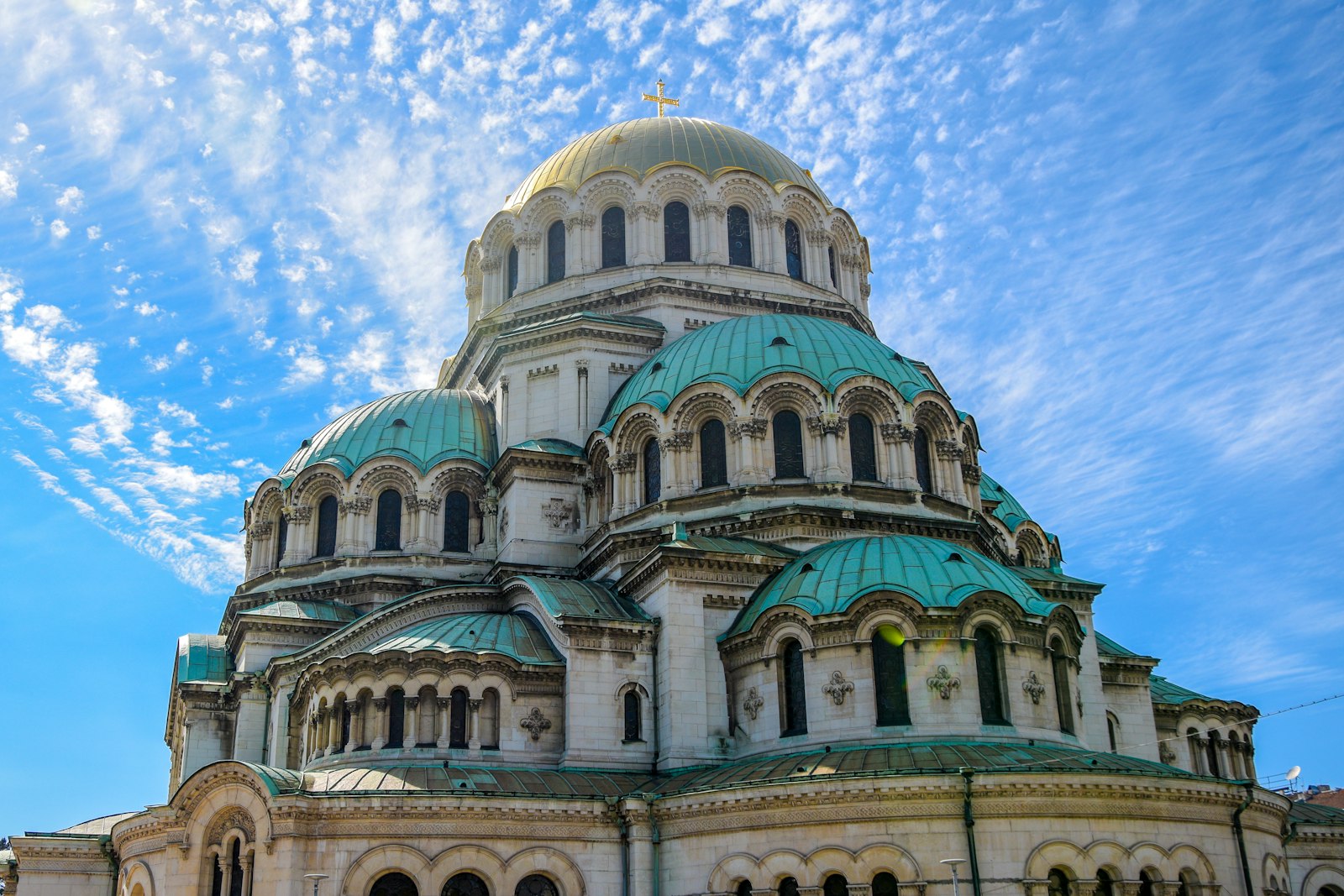
Bulgaria's laid-back capital: golden-domed cathedrals, Roman ruins, a mountain backdrop and great value.
- Best time to visit: May-June and September-October
- Daily budget (budget traveller): $55 to $100 USD
- Ideal trip length: 2 to 3 days
Sofia is one of Europe's oldest and most affordable capitals, a relaxed city where Roman ruins sit beneath the metro, golden-domed Orthodox cathedrals rise above leafy boulevards, and the ski slopes of Vitosha mountain loom right at the edge of town. Add a buzzing café and craft scene and great food, and it's an easy, rewarding break. Joy Plus shapes the cathedrals, the ruins, the museums and a mountain trip into an easy few days.
Sofia is the European capital that most people fly over on the way to somewhere else, and that is exactly why it works. The centre is flat, compact and walkable in a morning. Roman Serdica lies under the metro station, a 4th-century rotunda sits hidden in the courtyard of a hotel, and the gold domes of Alexander Nevsky Cathedral glow above the boulevards. Above it all is Vitosha, a 2,290 m mountain you can reach by city bus. Bulgaria joined the eurozone on 1 January 2026, so prices are now in euros, and they are still some of the lowest in the EU.
The city rewards slow, curious days rather than ticking boxes. Mornings are for banitsa and strong coffee, then cathedrals and ruins, then a long lunch at a mehana (traditional tavern) where a main costs €8 to €12. Evenings drift to Shishman Street and the craft-beer and rakia bars around Vitosha Boulevard. Bulgarian food is hearty and grilled, with plenty of cheese, salads and fruit brandy. The social scene is easy for solo travellers, with good hostels, a daily free walking tour and a young, English-speaking crowd.
Three days covers the centre, the Boyana Church frescoes and a mountain day. Five to seven lets you add the Rila Monastery and Plovdiv's old town at an easy pace. Sofia is not polished like Vienna or Prague, and the communist-era blocks and patchy pavements are part of the deal. Come for the layers, the value and the sense that you found somewhere before everyone else did.
How many days in Sofia?
For Sofia, we recommend 2 to 3 days.
| Trip length | What you'll see | Itinerary |
|---|---|---|
| 2 days · Recommended | Serdica and the Square of Tolerance; Alexander Nevsky, museums and Oborishte | Sofia in 2 days |
| 3 days · Recommended | Adds: Vitosha mountain day | Sofia in 3 days |
| 4 days | Adds: Boyana Church and National History Museum | Sofia in 4 days |
| 5 days | Adds: Rila Monastery day trip | Sofia in 5 days |
| 7 days | Adds: Plovdiv, the old-town escape; Markets, socialist art | Sofia in 7 days |
Sofia itinerary
Arrive, Serdica and the Square of Tolerance
Morning: Land at SOF, take the metro from the airport to Serdika (about 25 minutes). Drop bags, then walk the Serdica Archaeological Complex around the metro station, free and open all day. Coffee on Vitosha Boulevard.
Afternoon: Visit the St George Rotunda in the hotel courtyard behind the Largo, then walk the Square of Tolerance: Banya Bashi Mosque, Sofia Synagogue, Sveta Nedelya church. Drink from the hot mineral fountain by the old baths.
Evening: Dinner at Hadjidraganov's Cellars (Hristo Belchev 18, near Vitosha Boulevard) for grilled meats and Bulgarian wine, about €15 to €20. Early night.
Alexander Nevsky, museums and Oborishte
Morning: Alexander Nevsky Cathedral at 7am when it opens, the quietest hour. The crypt icon museum opens later, at 10am (€10, closed Mondays), so return for it after Sveta Sofia. Walk to Sveta Sofia church and the 1891 Eagles' Bridge.
Afternoon: Lunch at Manastirska Magernitsa for monastery-style stews. Walk the Doctor's Garden and pop into the National Archaeological Museum (closed Mondays from November to April).
Evening: Drinks on Shishman Street. Try rakia at Raketa Rakia Bar, then late bites around Vitosha Boulevard.
Vitosha mountain day
Morning: Metro to Vitosha station by Hladilnika, then bus 66 from the nearby Zoo terminus up to Aleko (1,800 m). Check times on sofiatraffic.bg.
Afternoon: Hike toward Cherni Vrah (2,290 m), about 2 to 3 hours return, or ski in winter. Lunch at a mountain hut with a bowl of bean soup.
Evening: Bus 66 back down to town, then a sauna or a long dinner. Sore legs are normal.
Boyana Church and National History Museum
Morning: Bus 64 from Hladilnika to Boyana. Visit the UNESCO Boyana Church, frescoes from 1259, visits limited to small groups for about 10 minutes, so arrive at opening (9:30am, or 9am from November to March).
Afternoon: National History Museum in the former Zhivkov residence nearby. Hike the Boyana waterfall trail (1.5 to 2 hours return) if the weather is good.
Evening: Back in town for Made in Home, an easy Bulgarian dinner, then early to bed.
Rila Monastery day trip
Morning: Take a morning express shuttle or day tour (about 2 hours, shuttles around €30 per person, book ahead), since the direct public bus from Ovcha Kupel has not run regularly since the pandemic. Arrive at the UNESCO monastery, free to enter, and see the frescoed church and the museum.
Afternoon: Short walk to the hermit cave and St John of Rila's chapel. Lunch of trout or lamb at a tavern near the gate.
Evening: Shuttle back, simple dinner near your base.
Plovdiv, the old-town escape
Morning: Bus from Sofia Central Bus Station to Plovdiv (about 2 hours, €8 to €10, every 30 minutes). Walk the Roman Theatre and Old Town cobbles.
Afternoon: Kapana creative quarter: street art, small galleries and craft-beer bars. Late lunch at a courtyard restaurant.
Evening: Bus or train back to Sofia, easy late dinner.
Markets, socialist art, depart
Morning: Central Market Hall (opened 1911), banitsa and pickled everything. Then Zhenski Pazar, the women's market, for produce and spices.
Afternoon: Museum of Socialist Art (€8, closed Mondays). Last lunch of kebapche.
Evening: Metro to the airport, about 25 minutes.
Best neighbourhoods
- City Centre (Serdika): The historic core with the cathedral, Roman ruins, the 'Square of Tolerance' and grand boulevards.
- Oborishte & Doctor's Garden: An elegant, leafy district of embassies, galleries and quiet cafés near the cathedral.
- Studentski Grad & Vitosha foothills: Lively areas leading up toward the mountain, popular with students and outdoor lovers.
- Shishman Street: The trendy area around Shishman street, buzzing with bars, cafés and boutiques.
Must-do experiences
- Alexander Nevsky Cathedral: Marvel at the vast gold-domed Orthodox cathedral, Sofia's iconic landmark.
- Ancient Serdica ruins: Walk among the excavated Roman streets and buildings displayed beneath the modern city.
- Square of Tolerance: See a mosque, a synagogue and Orthodox and Catholic churches standing within a short walk.
- Vitosha mountain trip: Hike or ride up the mountain on the city's edge for views, fresh air and winter skiing.
Hidden gems
- The colourful 13th-century frescoes of the tiny Boyana Church on the city's outskirts.
- Drinking from the warm mineral springs by the central public fountains.
- The bustling, characterful Central Market Hall and the women's market.
- Craft beer and small bars on the pedestrianised Shishman street.
Daily budget
- Accommodation: budget €12-22 / night (hostel dorm), mid-range €60-110 (boutique double), splurge €200+ (Sofia Hotel Balkan, Luxury Collection). Stay between Serdika and Oborishte so you can walk everywhere. Rates dip 20 to 30% in January and February.
- Food: budget €15-22 / day (bakery banitsa, lunch menus, a kebapche dinner), mid-range €30-45 (mehana dinner with a bottle of local wine), splurge €70+ (tasting menu with wine pairing). Weekday lunch menus run €6-9 for soup, main and salad. Banitsa from a bakery is about €1.
- Transport: budget €2-3 / day (day card or single metro tickets), mid-range €6-12 (transit plus a few Bolt rides), splurge €80+ (private driver to Rila Monastery). A single ticket is around €1 and works on metro, tram, trolley and bus. Metro from the airport is under €1.50. Don't rent a car.
- Activities: budget €0-8 / day (free ruins, cathedral, one museum), mid-range €20-45 (Boyana Church, Vitosha hike, museum), splurge €90+ (guided Rila and Boyana day with driver). Serdica ruins, the St George Rotunda and Alexander Nevsky are free.
- Drinks & nightlife: budget €6-10 (local beer €2 to €3, rakia €2.50), mid-range €20-35 (cocktail bars, craft beer), splurge €60+ (hotel rooftop plus club night). A 0.5 L Kamenitza or Zagorka is €2 to €3.50. Cocktails are €6 to €9, half of Western Europe.
Where to stay
- Social hostel in City centre (Makedonia Square) (€12-22 / night): Hostel Mostel or Art Hostel, central, with common rooms and events. Short walk to the market hall, the mosque and the Roman ruins.
- Boutique hotel in Serdika / Oborishte (€70-130 / night): Arena di Serdica Residence (built around Roman amphitheatre remains) or Sense Hotel, quiet design-led rooms, walk to the cathedral in 10 minutes.
- Apartment in Oborishte or Lozenets (€45-85 / night): Leafy streets, a local bakery on the corner and larger rooms for the money. Best for 4+ nights. Metro or a short Bolt to the centre from Lozenets.
- Splurge in Sveta Nedelya Square (€200-350 / night): Sofia Hotel Balkan, Luxury Collection, a grand historic hotel on the main square, with the Roman ruins, the mosque and the shops at your door.
What to eat
- Shopska salad, tomato, cucumber and grated white cheese
- Banitsa, a flaky cheese-filled pastry, often eaten for breakfast
- Kebapche and kyufte, grilled minced-meat sausages and patties
- Tarator, a cold cucumber and yoghurt soup
Day trips
- Rila Monastery (2 hours by road): Bulgaria's largest and most important monastery, UNESCO-listed, with striped arches, frescoes and a mountain valley setting. Arrive early to beat tour groups. The direct bus from Ovcha Kupel has not run regularly since the pandemic, so book the daily express shuttle (about €30 per person) or a day tour, and check whether the public bus has resumed. A private driver is €80 to €120.
- Plovdiv (2 hours by bus): One of Europe's oldest continuously inhabited cities, with a Roman theatre, a hillside Old Town and the creative Kapana quarter. Easy as a long day or better as an overnight. Buses leave Sofia Central Bus Station every 30 minutes, €8-10 each way. Trains are slower, around 2.5 to 3 hours.
- Vitosha mountain (By metro and bus 66): A 2,290 m peak on the city edge, with hiking and Cherni Vrah in summer and skiing at Aleko in winter. Also home to the Boyana Waterfall and the stone river at Zlatni Mostove. Metro to Vitosha station by Hladilnika, then bus 66 from the nearby Zoo terminus up to Aleko (the Simeonovo gondola has closed), or bus 64 for Boyana and Dragalevtsi.
When to visit
- Spring (April - June): 12-25°C, fresh and green, showers in April and May. Crowds: Light to moderate. A very close second. Gardens and café terraces open, Vitosha trails clear by late May. Pack a rain layer.
- Summer (July - August): 26-35°C, dry, hot afternoons. Crowds: Moderate, city empties on weekends. Hot in town but the mountain is 10 degrees cooler. Great for terraces, open-air events and Vitosha hikes, less good for midday sightseeing.
- Autumn (September - October): 12-25°C, sunny, golden light. Crowds: Light. The sweet spot. Warm days, cool evenings, fall colour in Borisova Gradina and on Vitosha, wine and harvest season. Book this window first.
- Winter (November - March): -6 to 6°C, snow and fog common. Crowds: Low, except ski weekends. Cold and grey in town but skiing is 40 minutes away at Aleko, and a bowl of bean soup in a basement tavern is peak Sofia. Cheapest rooms of the year.
Entry rules for your passport
Visa rules for Bulgaria depend on the passport you travel on. Check the official source before you book: European Commission: Schengen visa policy
Getting there
Sofia Airport (SOF) is 10 km east of the centre. The metro (line M4) runs from the airport to Serdika in about 25 minutes, costs around €1 and runs roughly every 10 to 15 minutes from early morning to around midnight. A Bolt or OK Taxi to the centre costs €6-10 and takes 20 minutes. Avoid unmarked taxis at arrivals. Wizz Air, Ryanair, Bulgaria Air and the main European carriers all fly in. By land, Sofia Central Station and Central Bus Station sit side by side near the centre. Buses to Plovdiv, Belgrade, Skopje and Istanbul are cheap, and trains are slow but scenic.
Border checks: non-EU visitors (other than Swiss, Norwegian, Icelandic, Liechtenstein, Andorran, Monegasque, San Marinese and Vatican citizens, and holders of an EU residence permit or long-stay visa) are registered in the EU's Entry/Exit System (EES) instead of getting a passport stamp. On your first crossing, officers take your photo and/or fingerprints, so allow extra time at passport control. ETIAS, the planned travel authorisation, is not in operation yet, so don't pay any website for one.
Getting around
Central Sofia is compact and walkable, with most sights close together. A modern, cheap metro plus trams, trolleybuses and buses cover the wider city, and the metro reaches the airport in about 30 minutes. Tickets are inexpensive, ride-hailing is cheap, and a city bus takes you up Vitosha mountain on the city's edge for hiking or skiing.
Safety
Sofia is generally safe and comfortable for solo travellers including women. Violent crime is rare; the main cautions are pickpocketing on busy trams and around markets, occasional unofficial taxi overcharging (use apps or marked meters), and uneven pavements. Use normal city sense and you'll find it a relaxed, easy capital.
Solo travel tips
- Join the free walking tour: Free Sofia Tour runs daily at 11am and 2pm (with an extra 6pm tour in season) from the Palace of Justice. Two hours, a good introduction to the Roman, Ottoman and communist layers, and the easiest way to meet other solo travellers. Tip your guide €5 to €10.
- Eat the lunch menu: Many restaurants offer a weekday daily menu with soup, main, salad and sometimes a drink for €6-9. Go solo at 1pm, sit at a small table, and the staff will talk you through the dishes.
- Hostel pick: Hostel Mostel or Art Hostel: Both are central and sociable. Hostel Mostel has a big common room and events, Art Hostel is more laid-back and arty. Either way you'll find people for the Vitosha day.
- Beware crowded trams and the market: Pickpockets work crowded trams, the metro at Serdika in rush hour and Zhenski Pazar. Keep your phone in a zipped pocket and your bag in front of you.
- Solo female travellers: Sofia is comfortable for women alone. Violent crime is rare. Use the Bolt app after midnight, keep drinks in sight in clubs, and pick licensed OK Taxi or Bolt over street taxis.
- Find your tribe on Vitosha: Sunday hikes from Aleko to Cherni Vrah are full of locals, and hostel groups often head up together. In winter, ski-rental shops at Aleko can pair you with beginner group classes.
Cultural etiquette
- In Bulgaria, shaking your head side to side means yes, and a nod means no. Confirm with words, and learn 'da' (yes), 'ne' (no) and 'blagodarya' (thank you).
- Cover shoulders and knees in churches and monasteries. Men should remove hats. Photography is not allowed inside Alexander Nevsky Cathedral.
- Tipping is about 10% at sit-down restaurants and a few coins at cafés. Check whether service is included, and leave cash rather than adding it to a card payment.
- Don't call Bulgarians Russian, and don't assume they speak Russian. Bulgarian uses the Cyrillic alphabet, so learn to read basic signs, but English is widespread among the young.
- Rakia is the national spirit, usually served before the meal with salad. Say 'Nazdrave' (cheers), look people in the eye, and don't refuse a toast lightly.
- At the Banya Bashi Mosque and other active places of worship, dress modestly and be quiet. Entry may be limited during prayers.
- Lunch is 1-3pm, dinner 7-10pm. Restaurants fill on Friday and Saturday evenings, so book ahead for popular ones.
Frequently asked questions
How many days do you need in Sofia?
Two days cover the cathedrals, the Roman ruins, the main museums and the central squares. A third day lets you head up Vitosha mountain, visit the frescoed Boyana Church, or take a day trip to the Rila Monastery or nearby Plovdiv.
Is Sofia safe for solo travellers?
Yes, Sofia is generally safe and comfortable for solo travellers including women. The main cautions are pickpockets on busy trams and markets and occasional taxi overcharging, so use ride-hailing apps or metered cabs and apply normal city sense.
When is the best time to visit Sofia?
May to June and September to October bring mild, pleasant weather ideal for walking and mountain trips. Summer is warm and lively, while winter is cold but offers skiing on Vitosha right beside the city. Spring and autumn balance good weather with fewer crowds.
Is Sofia worth visiting?
Yes. Sofia is one of Europe's oldest and most affordable capitals, with golden-domed cathedrals, Roman ruins beneath the streets, a mix of religions side by side, good food and a mountain on its doorstep. It's an underrated, easy and great-value city break.
How do I get from Sofia Airport to the city?
The metro (line M4) runs directly from Sofia Airport Terminal 2 to the centre in about 20 to 30 minutes and is the cheapest, easiest option. Licensed taxis booked at the official desk and ride-hailing apps are also affordable.
Is Sofia cheap to visit?
Yes, very. Sofia is one of the most affordable capitals in Europe. Food, drinks, transport, ride-hailing and accommodation are all inexpensive, hearty restaurant meals cost very little, and many sights and museums are cheap or free.
Can you do day trips from Sofia?
Yes. The spectacular Rila Monastery, a UNESCO site, is the top day trip at around two hours away, Vitosha mountain is right on the edge of the city, and the historic city of Plovdiv is reachable in about two hours by train or bus.
More about Sofia
- The Mediterranean Alternative: The Historic Walled Old Towns of Gdańsk and Sofia
- Cheap Skiing in Europe: The Best-Value Resorts for 2026 to 2027
Tours and activities in Sofia | Sofia in 2 days | Sofia in 3 days | Sofia in 4 days | Sofia in 5 days | Sofia in 7 days
Can't decide? Compare Sofia with...
Joy Plus home | Destinations | Itineraries | Activities | Flights | Budget planner | Calendar | Map | Blog | Lifetime access