Destinations / Europe
Bern, Switzerland travel guide
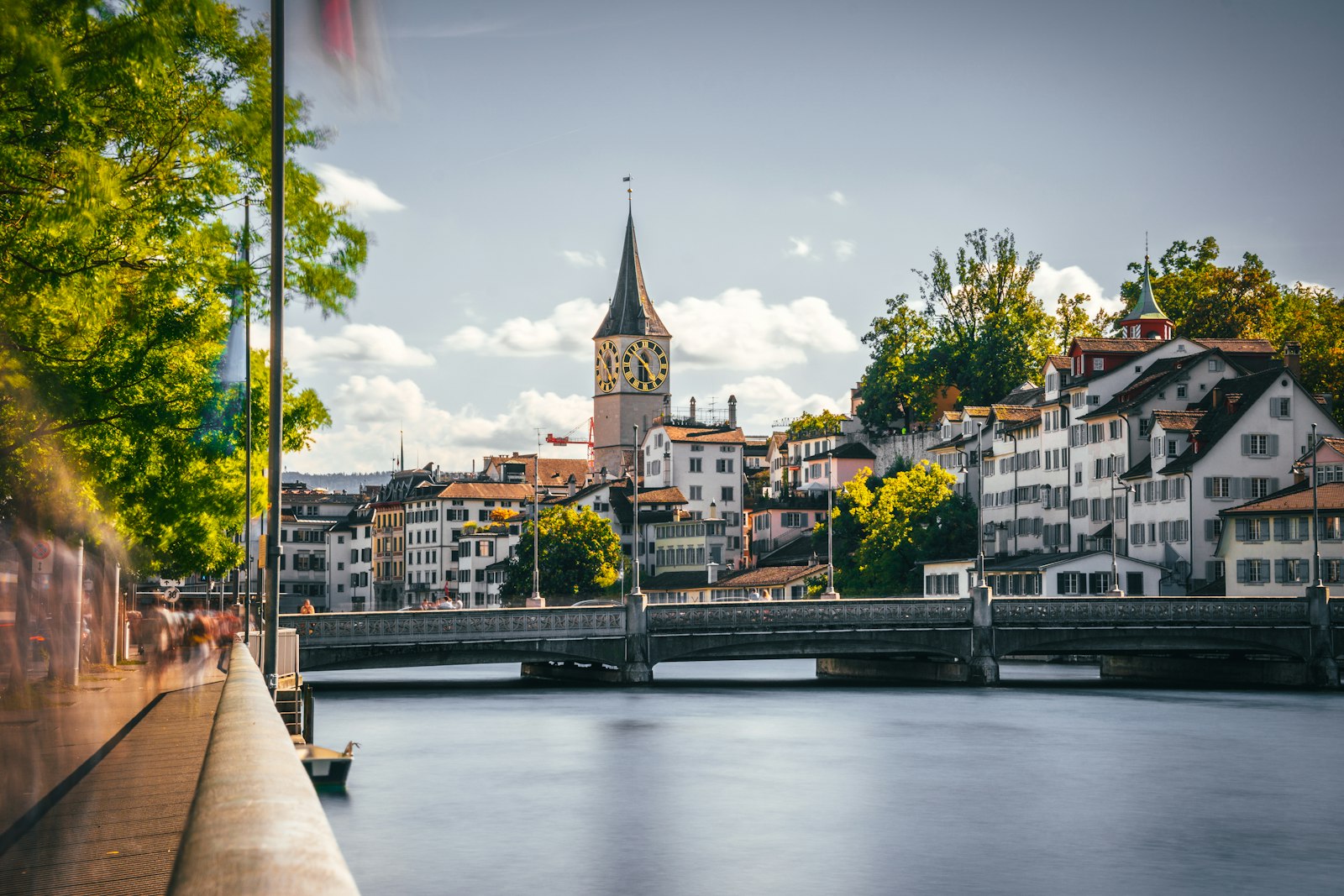
A UNESCO old town wrapped in a river bend: arcades, fountains and Swiss calm at walking pace.
- Best time to visit: May-September
- Daily budget (budget traveller): $150 to $260 USD
- Ideal trip length: 2 to 3 days
Switzerland's capital hides inside a loop of the Aare river, six kilometres of sandstone arcades sheltering shops, cellar bars and medieval fountains that have not moved in 500 years. In summer locals float down the river after work and climb out at the parliament lawn. Joy Plus builds a Bern plan around that rhythm: old town in the morning, river and rooftops later.
Bern is the Swiss capital that forgot to act like one. No skyscrapers, no banker swagger, just a sandstone old town folded into a tight loop of the Aare, six kilometres of arcades, a hundred-odd fountains and a clock tower that has been drawing a small crowd since the 1400s. At 5pm on a July weekday you will see people in office clothes carrying a dry bag down to the river, then floating past the Parliament building with a beer on the bank waiting. That is the city's real attraction, and Joy Plus plans around it.
It is also the easiest Swiss base for a first trip. Bern Hbf puts Interlaken 52 minutes away, Thun 17, Lucerne an hour and Fribourg 22 minutes, so you can sleep in a calm, walkable city that is cheaper and quieter than Zurich or Geneva, and still be on an alpine lake by 10am. Hotel guests get the free Bern Ticket for local transit, the old town is almost car-free, and everything worth seeing inside the bend is within a 25 minute walk.
The catch is the price tag. Switzerland charges Switzerland rates: a sit-down dinner is CHF 40 to 60 before wine, a tram ticket is CHF 4 to 5, a cocktail is CHF 17. The way round it is local habit: lunch menus instead of dinners, Migros and Coop picnics on the Aare bank, tap water from the fountains, a Saver Day Pass booked early on the SBB app. Do that and Bern is one of the better-value corners of Switzerland, with far more soul per franc than anywhere else.
How many days in Bern?
For Bern, we recommend 2 to 3 days. With more time, add a day trip to Thun.
| Trip length | What you'll see | Itinerary |
|---|---|---|
| 2 days · Recommended | Walk the arcades; Parliament, Matte and the Aare | Bern in 2 days |
| 3 days · Recommended | Adds: Kirchenfeld, Einstein and Klee | Bern in 3 days |
| 4 days | Adds: Interlaken and the lakes | Bern in 4 days |
| 5 days | Adds: Gurten and old-town golden hour | Bern in 5 days |
| 7 days | Adds: Gruyères and Fribourg; Lorraine, one last swim | Bern in 7 days |
Bern itinerary
Arrive, settle, walk the arcades
Morning: Direct train from Zurich Airport to Bern Hbf, about 1h10. Drop bags at the hotel or the station lockers, coffee and a Gipfeli at a station bakery.
Afternoon: Walk Spitalgasse, Marktgasse and Kramgasse, the arcades pass the Zytglogge. Be there at 10 minutes to the hour for the 4-minute show. Peek into the Einsteinhaus at Kramgasse 49.
Evening: Golden hour at the Rosengarten, then down to the Bärenpark. Dinner at Altes Tramdepot, a Berner Platte with the local beer and the bears out the window.
Parliament, Matte and the Aare
Morning: Free Bundeshaus tour (book online, English tours run on set days). Bundesplatz fountains if it is warm, the Tuesday or Saturday market if you are lucky. Climb the Münster tower, 344 steps, about CHF 6.
Afternoon: Down to Matte by the Mattenlift or the stairs, then walk to Marzili. Buy a dry bag, enter the Aare upstream of the bath, float down and exit at the handrails by the Marzilibad.
Evening: Drinks at Schwellenmätteli on the river, dinner at Kornhauskeller under the painted vaults. Mains are CHF 38-55.
Kirchenfeld, Einstein and Klee
Morning: Cross the Kirchenfeldbrücke to the Bernisches Historisches Museum and its Einstein Museum (about CHF 18). Quick stop at the Alpine Museum next door.
Afternoon: Bus 12 from the Hbf to Zentrum Paul Klee, Renzo Piano's wave-shaped museum (closed Mondays). Cafe in the sculpture park.
Evening: Back to Lorraine for dinner at Brasserie Lorraine, then a drink at Du Nord or Café Kairo.
Interlaken and the lakes
Morning: IC to Interlaken Ost, about 52 minutes. Walk to the Harder Kulm funicular (April to November, around CHF 40 return) for the Brienz and Thun lakes view.
Afternoon: Lunch in town, then stroll the Höheweg and take a short boat on Lake Thun or Brienz. Swiss Travel Pass holders ride free.
Evening: Back to Bern, easy dinner at tibits at the station, early bed.
Gurten and old-town golden hour
Morning: Tram 9 to Gurtenbahn, funicular up (about CHF 12 return). Picnic from Coop and the tower for Alps views.
Afternoon: Walk down the Gurten trails, 40 minutes. Float the Aare again from Eichholz if it is June to September.
Evening: Bundesterrasse at sunset with a beer, then dinner at Jack's Brasserie in the Schweizerhof.
Gruyères and Fribourg
Morning: Train via Fribourg to Gruyères, about 1h20. Walk the hilltop village and the Château de Gruyères (around CHF 14).
Afternoon: Moitié-moitié fondue at Le Chalet de Gruyères (about CHF 30), then La Maison du Gruyère in Pringy for the cheese tasting.
Evening: Stop at Fribourg on the way back for a walk through the old town, then Bern for a late bar snack.
Lorraine, one last swim, depart
Morning: Coffee in Lorraine, then breakfast at a local bakery. Walk across the Lorrainebrücke for the view back at the bend.
Afternoon: Last Aare dip or a long coffee at Café des Pyrénées. Pick up Gruyère or Berner Haselnusslebkuchen at the market.
Evening: Train from Bern Hbf to Zurich Airport (1h10), or the direct to Geneva Airport (just over 2 hours).
Best neighbourhoods
- Altstadt (Old Town): The UNESCO core: arcaded Kramgasse, the clock tower, the cathedral and the fountains.
- Matte: The low riverside quarter below the old town, historically the artisans' district, now quiet and pretty.
- Lorraine & Breitenrain: Younger neighbourhoods north of the river with cheaper cafes and student bars.
- Kirchenfeld: Museum row across the Kirchenfeldbrucke, home to the Einstein and history museums.
Must-do experiences
- Zytglogge clock show: Watch the astronomical clock on the 13th-century tower perform four minutes before each hour.
- Walk the arcades: Six kilometres of covered walkways, the longest continuous shopping promenade in Europe.
- Swim the Aare: In summer, float the glacial-green river from Eichholz down to the Marzili baths, free and hugely local.
- Rosengarten viewpoint: Climb to the rose garden for the classic postcard view over the old town bend.
Hidden gems
- Einstein's actual flat on Kramgasse, where he worked out relativity.
- The cellar restaurants and theatres hidden below street level along the arcades.
- Gurten, the local mountain reachable by funicular for a picnic with Alps views.
- Bear Park on the riverbank, where the city's heraldic bears live.
Daily budget
- Accommodation: budget CHF 45-70 / night (hostel dorm), mid-range CHF 190-300 (Altstadt boutique double), splurge CHF 450+ (Schweizerhof, Bellevue Palace). Hotel guests get the free Bern Ticket for local transit. Expect a tourist tax of about CHF 3-4 per night. Book early for Gurtenfestival and Zibelemarit weekends.
- Food: budget CHF 35-50 / day (Migros takeaway, tibits by weight, bakery), mid-range CHF 85-130 (lunch menu plus a restaurant dinner), splurge CHF 200+ (tasting menu with wine pairing). Lunch Tagesteller menus run CHF 20-26, the same kitchen charges CHF 40+ at dinner. Fountain water is free.
- Transport: budget CHF 0-10 (walk plus the free Bern Ticket), mid-range CHF 35-70 (one day trip with a Saver Day Pass), splurge CHF 100+ (first class, taxis, Jungfrau trains). Saver Day Passes start at CHF 52 on the SBB app if booked early, or CHF 29 with a Half Fare Card. A Half Fare Card (CHF 150 for a month) only pays off after two or three long rides.
- Activities: budget CHF 10-30 (Aare, Rosengarten, Bärenpark, Bundeshaus tour, one museum), mid-range CHF 55-100 (Zentrum Paul Klee, Münster tower, Gurten funicular), splurge CHF 250+ (Jungfraujoch from Interlaken). Most of the best things in Bern are free. Zentrum Paul Klee and the Kunstmuseum close on Mondays.
- Drinks & nightlife: budget CHF 10-15 (Coop beer on the Aare bank, one pub pint), mid-range CHF 35-60 (Lorraine bar crawl, cocktails around CHF 17), splurge CHF 100+ (Bellevue Bar, club night at Kapitel Bollwerk). Weeknight bars wind down around midnight, clubs run later Friday and Saturday. The riverbank is the real summer bar.
Where to stay
- Social hostel in Altstadt / Marzili (CHF 45-70 / night): Bern Youth Hostel on Weihergasse has a terrace and sits right by the Aare, Backpackers Hotel Glocke is in the old town. Mixed dorms, small and friendly.
- Boutique hotel in Altstadt (CHF 230-340 / night): Hotel Belle Epoque on Gerechtigkeitsgasse or Hotel Goldener Schlüssel, both a minute from the arcades and the Aare, with real character.
- Apartment in Lorraine or Breitenrain (CHF 110-170 / night): Studios with a kitchenette on local streets, better for stays of five nights or more. Cheaper than the old town and near the Lorrainebad.
- Splurge in Bundesplatz / Bahnhof (CHF 420-700 / night): Bellevue Palace, the government's own hotel next to Parliament, or the Schweizerhof by the station. Grand rooms, no stress.
What to eat
- Berner Platte, the heaped meat and sauerkraut plate
- Emmentaler and Gruyere from the Saturday market on Bundesplatz
- Zibelechueche, onion tart, especially around the November onion market
- Meringue with double cream, a Bernese Oberland classic
Day trips
- Interlaken (52 min by train): Between Lake Thun and Lake Brienz, with the Jungfrau massif behind it. Harder Kulm funicular for the classic two-lakes view, boat trips on both lakes, and the gateway to Jungfraujoch. IC from Bern Hbf to Interlaken Ost, every 30 minutes, about CHF 33 one way. Saver Day Pass from CHF 52 (CHF 29 with a Half Fare Card) if you book early.
- Thun (17 min by train): Castle on a hill, a covered wooden bridge, lake cruises and a very pretty old town with its own raised pavements. Easy half-day. Train from Bern Hbf, about CHF 15 one way. Boats from the Thun landing are free with a Swiss Travel Pass.
- Gruyères (1h20 by train): Medieval hilltop village, a castle, moitié-moitié fondue and La Maison du Gruyère cheese dairy in Pringy for tastings. Pair with a stop in Fribourg. Train via Fribourg and Bulle, then a short ride to Gruyères, about CHF 30 one way. Check the TPF timetable for the last return.
When to visit
- Spring (April - May): 8-19°C, bright spells and showers, blossom in the parks. Crowds: Low to building. Underrated. Rosengarten is in bloom, terraces reopen, and the Aare is still far too cold for swimming.
- Summer (June - August): 21-29°C, occasional thunderstorms, Aare at 18-21°C. Crowds: Busy but spread out. The best window. River swims, late sunsets on the Bundesterrasse, and Gurtenfestival in mid-July pushes hotel prices up.
- Autumn (September - October): 7-22°C, clear Alps in September, valley fog in late October. Crowds: Moderate, falling. The locals' favourite. Warm early September, cheaper rooms, and the Zibelemarit onion market falls on the fourth Monday in November.
- Winter (November - March): -2 to 6°C, grey spells, occasional snow, fog sits in the valley. Crowds: Low, except at the Christmas market. Atmospheric and cheap, with the Christmas markets on Münsterplatz and Waisenhausplatz from late November. Pack for fog and wet cobbles.
Entry rules for your passport
Visa rules for Switzerland depend on the passport you travel on. Check the official source before you book: European Commission: Schengen visa policy
Getting there
Zurich Airport (ZRH) is the main gateway, with a direct train to Bern Hbf in about 1h10, roughly every 30 minutes, about CHF 55 full fare or less with a Supersaver ticket booked ahead on the SBB app. Geneva Airport (GVA) is just over 2 hours by direct train, EuroAirport Basel is a bus to Basel SBB plus 55 minutes by train. Bern Airport (BRN) in Belp has only a few seasonal flights. FlixBus stops at Bern Neufeld if you want the cheapest option. From Bern Hbf, the old town is a 10 minute walk to Zytglogge, and hotels give you the free Bern Ticket for trams and buses. Skip the taxi, a ride from the station to Marzili is CHF 15 to 20 and you can walk it in 20 minutes.
Border checks: non-EU visitors (other than Swiss, Norwegian, Icelandic, Liechtenstein, Andorran, Monegasque, San Marinese and Vatican citizens, and holders of an EU residence permit or long-stay visa) are registered in the EU's Entry/Exit System (EES) instead of getting a passport stamp. On your first crossing, officers take your photo and/or fingerprints, so allow extra time at passport control. ETIAS, the planned travel authorisation, is not in operation yet, so don't pay any website for one.
Getting around
The old town is entirely walkable and mostly car-free. Trams and buses cover the rest, and most hotels give guests a free transit ticket. Bern's train station is a national hub: Zurich and Basel are about an hour, Interlaken 55 minutes, Lucerne an hour. Zurich Airport is two hours door to door.
Safety
Bern is one of Europe's safest capitals and very comfortable to walk alone at night. The main hazards are practical: the Aare current is fast and cold and swimmers should only enter at marked spots and exit at the handrails, and cobbles get slippery in rain. Tap water from the fountains is drinkable unless marked otherwise.
Solo travel tips
- Float the Aare with strangers: Swimming alone is a no, floating with others is the point. Join the crowd at Marzili or Eichholz, borrow a spot on the bank, and you will be chatting within minutes. Buy a dry bag (a Wickelfisch is about CHF 20-30), check aare.guru for current and temperature, and always exit at the handrails.
- Hostel pick: Bern Youth Hostel or Backpackers Hotel Glocke: Bern Youth Hostel sits on Weihergasse in the Marzili quarter, right by the Aare, with a terrace and free breakfast on some rates. Backpackers Glocke is on Rathausgasse in the old town. Neither is a pub-crawl hostel, so talk at breakfast and in the common kitchen.
- Use the Bern Ticket and the SBB app: Hotels and hostels in the city give you a free local transit ticket for your stay, ask at check-in. Download the SBB app and book day trips the day before for Saver Day Pass prices instead of walk-up fares.
- Lunch like a local, dinner like a tourist: Order the Tagesteller at lunch (CHF 20-26), eat at tibits by weight (roughly CHF 4-5 per 100g) or take a Migros takeaway to the river. Save the proper restaurant for one night, a good table is easier to get alone.
- Solo women and nights out: Bern is very safe, even late. The one place to skip after dark is the Schützenmatte square by the Reitschule, which can feel rough. Walk Bollwerk instead. Locals will help if you ask, and trams run until about 00:30 on weeknights.
- Find your tribe in Lorraine and on the Gurten: Lorraine's cafés and bars have a young, local crowd, try Brasserie Lorraine or Café Kairo. Gurten has events all summer and the Gurtenfestival in mid-July, which is the easiest place in Bern to land a conversation.
Cultural etiquette
- Greet shopkeepers and lift neighbours. A quiet 'Grüessech' or 'Grüezi' on entering is expected, and goodbye is 'Uf Widerluege'.
- Be on time. Trains, tours and dinner reservations run to the minute, and 'five past' is already late.
- Service is included. Round up at cafés and leave CHF 2-5 at a sit-down dinner if it was good, 10% is plenty.
- Sundays are quiet. Most shops shut, but the Coop and Migros at Bern station (RailCity) stay open.
- Respect the Aare. Never swim after heavy rain or when the river is high, enter at marked spots and exit at the handrails before the Marzili weir. Do not drink alcohol before you float.
- Keep noise down at night and on Sundays in residential streets, neighbours do complain.
- Fountain water is drinkable unless a sign says 'Kein Trinkwasser'. Fill your bottle at any of them.
Frequently asked questions
How many days do you need in Bern?
Two days covers the old town, the museums and an Aare swim comfortably. Add a third if you want a day trip to Interlaken, Gruyères or Lucerne, all under 90 minutes by train.
Is Bern worth visiting?
Yes, especially if you like walkable historic cities. It is Switzerland's best-preserved medieval centre, a UNESCO site, and far calmer and cheaper than Zurich or Geneva while still being a national rail hub.
Can you swim in the Aare river in Bern?
Yes, from roughly June to September when the water hits 18 to 21 degrees. Locals enter at Eichholz or Marzili and float downstream, but the current is strong: only swim if you are a confident swimmer and always exit at the marked handrails.
Is Bern expensive?
Switzerland-expensive, yes. Budget around 150 to 260 dollars a day. You can cut it hard by using supermarket lunches from Coop or Migros, drinking from the public fountains, and using the free transit card most hotels provide.
Bern or Zurich: which should you visit?
Bern for medieval charm, walkability and calm; Zurich for nightlife, dining range and international connections. If you only have one day and want the classic Swiss old town, choose Bern.
What is the best time to visit Bern?
May to September for river swimming, terraces and clear Alps views. December is lovely for the Christmas markets, and late November brings the Zibelemarit onion market, the city's biggest folk event.
Is Bern good for solo travellers?
Very. It is extremely safe, small enough to navigate without stress, and English is widely spoken. It is quieter socially than Zurich, so solo travellers wanting company should base in a hostel near the station or plan day trips to the Oberland.
More about Bern
Tours and activities in Bern | Bern in 2 days | Bern in 3 days | Bern in 4 days | Bern in 5 days | Bern in 7 days
Can't decide? Compare Bern with...
Joy Plus home | Destinations | Itineraries | Activities | Flights | Budget planner | Calendar | Map | Blog | Lifetime access