Destinations / South America
Cartagena, Colombia travel guide
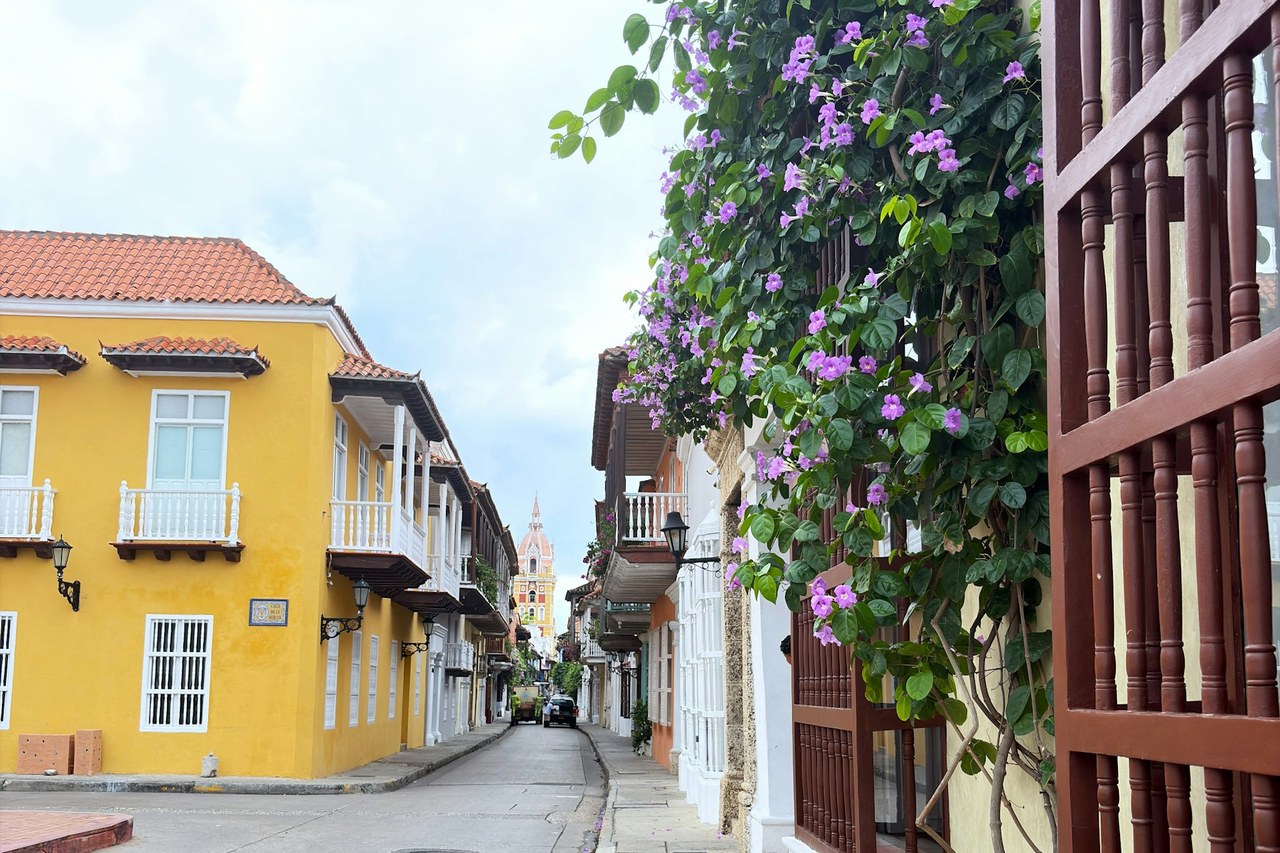
Walled colonial old town, Caribbean light, and South America's most cinematic city break.
- Best time to visit: December-April (dry season)
- Daily budget (budget traveller): $85 to $140 USD
- Ideal trip length: 3 to 4 days
Cartagena is what happens when 16th-century Spanish walls meet Caribbean colour. Bougainvillea explodes off pastel facades, the old town is fully walled and walkable, and the food has more African influence than people expect. Joy Plus skips the over-priced Plaza Santo Domingo restaurants, gets you into Getsemaní before the cruise crowd, and picks the right Rosario Islands operator (most are awful).
Cartagena is a 16th-century Spanish port that spent its first 200 years being robbed by pirates and its next 200 getting better at colour. Francis Drake sacked it in 1586, so the Crown answered with walls, and those thick coral-stone ramparts are now the best free thing in the city. You walk them at 6:30am before the heat hits and again at sunset, when the whole Caribbean goes orange. Between those two walks you get bougainvillea tumbling off balconies, palenqueras balancing fruit bowls on their heads, horse carriages on cobbles, and a street food scene built on African, Indigenous and Spanish cooking.
The city splits into easy chunks. Centro Histórico and San Diego sit inside the walls and are the postcard. Getsemaní, the old working-class barrio just outside the Torre del Reloj, is where the best bars, murals and cheap eats now live. Bocagrande and La Boquilla stretch along the beach. It is hot all year, 29 to 33°C with sticky humidity, so the rhythm matters more than the checklist. Up at 7am, sights done by 11am, long lunch, pool or siesta from 12 to 3pm, then out again for golden hour. Fight that rhythm and you will hate the city by Tuesday.
Joy Plus plans around the traps. The restaurants on Plaza Santo Domingo charge double for ordinary food. The cattle-boat Rosario Islands tours from the main pier mean three hours of queuing for forty minutes of swimming. And plenty of travellers wander into Bazurto market or a stranger's offer of a drink with no plan. All prices below are in Colombian pesos (COP) for 2026, at roughly 3,200 COP to 1 US dollar. The city rewards people who eat the set lunch for COP 25,000, book the one splurge dinner, and take the right small boat out to the islands.
How many days in Cartagena?
For Cartagena, we recommend 3 to 4 days.
| Trip length | What you'll see | Itinerary |
|---|---|---|
| 2 days | Getsemaní; Walls, Centro and sunset | Cartagena in 2 days |
| 3 days · Recommended | Adds: Castillo San Felipe, La Popa, cooking class | Cartagena in 3 days |
| 4 days · Recommended | Adds: Rosario Islands by small boat | Cartagena in 4 days |
| 5 days | Adds: Mud volcano and La Boquilla | Cartagena in 5 days |
| 7 days | Adds: San Basilio de Palenque | Cartagena in 7 days |
Cartagena itinerary
Arrive, settle in Getsemaní
Morning: Land at Rafael Núñez (CTG). Take an official airport taxi (COP 20,000-30,000, buy the ticket at the booth) to Getsemaní. Drop bags, then arepa de huevo and a lulo juice on Plaza de la Trinidad.
Afternoon: Pool or AC siesta, because 12 to 3pm is not walking time. Around 4pm wander the murals on Calle de la Sierpe and Callejón Angosto, with a coffee at Café Stepping Stone.
Evening: Dinner at La Cocina de Pepina (Costeño home cooking, mains COP 35,000-55,000). Join the locals on Plaza de la Trinidad, then one mojito at Café Havana for live salsa. Early night.
Walls, Centro and sunset
Morning: 6:30am on the walls, starting at the Torre del Reloj and walking anticlockwise while it is still 27°C. Rub Botero's Gertrudis statue on Plaza Santo Domingo. Breakfast in a San Diego café.
Afternoon: Menú del día lunch around 1pm (La Mulata for posta cartagenera, mains COP 40,000-60,000). Palacio de la Inquisición (about COP 24,000) or the free Museo del Oro Zenú, then pool time.
Evening: In position at Café del Mar by 4:30pm for a front-row wall seat at sunset. Dinner at La Cevichería (ceviche COP 50,000-70,000, go before 8pm to skip the queue).
Castillo San Felipe, La Popa, cooking class
Morning: Castillo San Felipe de Barajas at the 8am opening (about COP 40,000). Explore the tunnels before the sun hits full force.
Afternoon: Taxi up to Convento de la Popa (entry about COP 25,000, take a taxi there and back, don't walk the hill) for the only high city view. Then an Afro-Caribbean cooking class in Getsemaní (COP 180,000-280,000, includes a market stop).
Evening: Cocktails at Alquímico (three floors, rooftop open late). Eat the dishes you cooked for dinner, then walk home through Plaza de la Trinidad.
Rosario Islands by small boat
Morning: Meet your lancha at Muelle de la Bodeguita at 8am for the 60 to 90 minute ride. Choose a small operator (5 to 8 people), not the big catamarans. Snorkel at the reef before the other boats arrive.
Afternoon: Fish lunch on Isla Grande or a quiet cove (COP 50,000-80,000). Skip crowded Playa Cholón and ask your captain for a quieter beach.
Evening: Back by 4 to 5pm. Rinse, then easy dinner in Getsemaní (Pepina or a street arepa). Early night, because you will be wrecked.
Mud volcano and La Boquilla
Morning: Pick-up at 8am for El Totumo mud volcano (about 1 hour, shared minivan tour COP 90,000-130,000 with entry). Soak 20 minutes, then rinse in the nearby lagoon.
Afternoon: Drive on to La Boquilla for fried fish, coconut rice and patacones at a beachside shack (COP 40,000-70,000). Optional mangrove canoe through the lagoon.
Evening: Back to Getsemaní. Street food on Plaza de la Trinidad, then salsa at Donde Fidel or Café Havana. Take a free lesson if offered.
San Basilio de Palenque
Morning: Leave at 8am for San Basilio de Palenque (about 1h30 each way), the first free African town in the Americas. Hire a community guide (COP 120,000-200,000) for the history, the Palenquero language and the drums.
Afternoon: Lunch at a family kitchen in the village (rice, fish, plantain, about COP 30,000-40,000). Back in Cartagena by 3 to 4pm. Pool, siesta and cold lemonade.
Evening: Your one splurge dinner: Celele in Getsemaní (tasting menu from about COP 500,000, book a week ahead) or a cheaper long dinner at Interno, inside the old town.
Slow morning and depart
Morning: Coffee at Café Stepping Stone. Souvenir hunt at Las Bóvedas (haggle, start at half). Buy coffee and chocolate to carry home.
Afternoon: Last lunch (ceviche or arepa de huevo), then taxi to CTG, about 15 minutes. Arrive 2.5 hours before international flights.
Evening: Fly out, or stay and sleep with the AC on.
Best neighbourhoods
- Centro Histórico: Inside the walls. Plaza Santo Domingo, balconies, the postcard.
- Getsemaní: The arty, scrappy neighbourhood just outside the walls. Best food, best bars.
- San Diego: Quieter half of the walled city, boutique hotels, less buzz.
- Bocagrande: Miami-style high-rise beach strip. Skip unless you want resort vibes.
- La Boquilla: Local fishing village 20 minutes north. Real beach, real ceviche.
Must-do experiences
- Castillo San Felipe: The huge fortress. Go at 8am opening, before the heat.
- Getsemaní street art tour: Calle de la Sierpe and around. Murals, lanterns, salsa spilling out of bars.
- Rosario Islands day trip: Use a small private boat, not the big tourist catamarans.
- Sunset stroll on the Old City walls: Walk the 16th-century stone ramparts ringing the colourful walled city as the sun drops into the Caribbean. Stop at Café del Mar on the wall for a drink and the view.
Hidden gems
- La Cevichería - Bourdain put it on the map but the ceviche is still excellent.
- Café Stepping Stone - social-enterprise café in Getsemaní, good flat whites.
- Plaza de la Trinidad after 8pm, salsa, locals, kids playing football.
- Convento de la Popa for the only properly elevated city view.
Daily budget
- Accommodation: budget COP 70,000-120,000 / night (hostel dorm), mid-range COP 450,000-900,000 (boutique double or Getsemaní apartment), splurge COP 1,800,000+ (Sofitel Legend Santa Clara, Casa San Agustín). Getsemaní has the best value. Prices jump in Dec to Jan and Semana Santa, so book early. Check that AC is included, fans alone are miserable.
- Food: budget COP 70,000-110,000 / day (menú del día, arepas, fruit), mid-range COP 180,000-280,000 (one proper dinner, ceviche lunch), splurge COP 500,000+ (Celele tasting menu in Getsemaní). Set lunches (corrientazo or almuerzo ejecutivo) cost COP 20,000-35,000 with soup, juice and mains. Arepa de huevo is COP 6,000-8,000. Skip Plaza Santo Domingo restaurants.
- Transport: budget COP 10,000-30,000 / day (walking, Transcaribe bus about COP 3,500), mid-range COP 40,000-80,000 (InDriver or Cabify, COP 10,000-20,000 per ride), splurge COP 400,000+ (private driver for a full day trip). The old town and Getsemaní are walkable. Street taxis do not use meters, so agree the price first or use the apps. Skip the horse carriages, COP 200,000+ for a short loop.
- Activities: budget COP 40,000-80,000 / day (walls free, Castillo San Felipe about COP 40,000), mid-range COP 150,000-300,000 (Rosario Islands group tour, cooking class), splurge COP 700,000-1,500,000 (private boat to the islands, sunset sailing). The walls, Plaza de la Trinidad and Getsemaní murals cost nothing. Museo del Oro Zenú is free. Rosario park fee and pier tax (about COP 50,000 total) are often not included in the tour price, so ask.
- Drinks & nightlife: budget COP 30,000-50,000 (street beers at Plaza de la Trinidad, tienda drinks), mid-range COP 100,000-180,000 (cocktails at Alquímico, salsa night at Café Havana), splurge COP 300,000+ (front-row Café del Mar sunset, rooftop bottle service). Club Colombia or Águila is COP 6,000-10,000 at a tienda and COP 15,000-20,000 in bars. Cocktails run COP 35,000-50,000. Chiva party buses are loud and pricey, skip them.
Where to stay
- Social hostel in Getsemaní (COP 80,000-150,000 / night): Media Luna Hostel. A pool, a rooftop bar, mixed dorms and privates, and you are steps from Plaza de la Trinidad and the best cheap food in the city.
- Boutique hotel in San Diego / Centro (COP 650,000-1,100,000 / night): Hotel Bantú or Casa del Arzobispado. Restored colonial houses, courtyard plunge pools and AC, on the quiet half of the old town.
- Apartment in Manga (COP 280,000-500,000 / night): Old mansion district across the bridge from Getsemaní, 15 minutes on foot. Real neighbourhood with bakeries and supermarkets, apartments with kitchens and AC. Best value for 5+ nights.
- Splurge in Centro Histórico (COP 1,800,000-4,500,000 / night): Sofitel Legend Santa Clara (a 17th-century convent with a garden pool) or Casa San Agustín. Colonial luxury with butler-level service, a short stroll from everything.
What to eat
- Ceviche at La Cevichería or Mar y Zielo
- Arepa de huevo from a street cart
- Posta cartagenera at La Mulata
- Fresh juices from any fruit cart - lulo, maracuyá, guanábana
Day trips
- Rosario Islands (60-90 min by boat): Turquoise water, coral reef and white sand in a national marine park. Go with a small private lancha (5 to 8 people) and ask for the quiet coves of Isla Grande. Skip crowded Playa Cholón and the aquarium. Boats leave from Muelle de la Bodeguita in Centro, some from Bocagrande. Group tours COP 120,000-200,000, a private boat COP 1,400,000-2,200,000 per boat. Park fee (about COP 30,000) and pier tax (about COP 20,000) are often extra.
- El Totumo Mud Volcano (1 hour by road): A 15m mud cone with a warm, floaty mineral soak and a quick shoulder massage from attendants. Silly, strangely relaxing, and a great hangover cure. Rinse off in the lagoon below. Minivan tour with hotel pick-up, COP 90,000-130,000 including entry. Tip the masseurs and photographers (about COP 10,000 each). Bring a dry bag, flip-flops and a spare shirt.
- San Basilio de Palenque (1h30 by road): UNESCO-recognised village founded by escaped slaves led by Benkos Biohó. Palenquero is still spoken, and the drums, food and history are the real thing. Go with a community guide, not a bus-tour operator. Community-run tours with transport COP 120,000-200,000. By bus from the Terminal de Transportes to Malagana (about COP 15,000-20,000, 1h30), then a moto-taxi to the village (about COP 5,000-10,000).
When to visit
- Dry season (December - March): 29-32°C, low rain, strong trade winds, lower humidity. Crowds: Heavy. Peak is 20 Dec to 10 Jan, plus Semana Santa (21 to 28 Mar in 2027). Most reliable sun and the best walking weather. Book rooms 2 months ahead and expect prices up 30 to 50%. The wind makes the sea choppy for island trips, so go early.
- Shoulder (April - June): 30-33°C, humid, April still mostly dry, short afternoon storms from mid-May. Crowds: Busy until Easter, then drops fast. The locals' pick. Hotels fall back to normal prices after Easter, the sea is calmer for Rosario, and the rain usually arrives for an hour around 4pm.
- Mid-year (July - August): 30-34°C, sticky, a brief drier patch in July, rain returns in August. Crowds: Moderate to heavy, Colombian school holidays and puentes (long weekends). Hot and humid, but fine if you plan around siestas. Weekends fill with Bogotá and Medellín families, so book mid-week.
- Wet season (September - November): 28-32°C, heavy downpours, October is the wettest month. Crowds: Low, except the 11 November independence festival week. Cheapest rooms and quiet streets, but Centro and Bocagrande flood in the big storms and boat trips get cancelled. Pack a poncho and keep one flexible day.
Entry rules for your passport
Visa rules for Colombia depend on the passport you travel on. Check the official source before you book: Migración Colombia
Getting there
Rafael Núñez International Airport (CTG) is about 4km from the old town, 15 minutes by car. Direct international flights from Miami, Fort Lauderdale, New York JFK and Panama City, plus frequent domestic flights from Bogotá (1h40) and Medellín (1h20). Most nationalities get 90 days visa-free on arrival, but Canadians must also pay an entry fee (by card at immigration, or online beforehand to avoid delays) and can be refused entry without it. Official airport taxis are booked at the kiosk in arrivals and cost about COP 20,000-30,000 to Centro or Getsemaní (the ticket price is fixed, ignore anyone who offers a cheaper ride outside). InDriver or Cabify pickups work but the pickup point can be chaotic. A Transcaribe BRT bus costs about COP 3,500 but needs a rechargeable card and a change, so it is not worth it with bags. Long-distance buses from Barranquilla (2h30) and Santa Marta (4h) arrive at the Terminal de Transportes, 20 minutes out of town. Avoid hawkers who approach you in the arrivals hall.
Getting around
The walled old town and Getsemaní are 100% walkable. Use Cabify or inDrive for everything else - taxis don't run meters and will overcharge. The airport is 15 minutes by car.
Safety
Tourist areas are well-policed and generally safe day and night. Standard Latin America awareness: don't flash phones, use a hotel safe, agree fares before getting in unmetered taxis. Solo female travellers report Cartagena as easier than Bogotá or Medellín. Never leave a drink unattended: drink spiking is a known risk in Colombian nightlife.
Solo travel tips
- Eat the set lunch at the counter: Almuerzo ejecutivo (soup, juice, main) costs COP 20,000-35,000 and is the cheapest way to eat well. Sit at the counter or shared table, say 'el menú del día' and you will be chatting with a local office worker in five minutes.
- Hostel pick: Media Luna in Getsemaní: It has a pool, a rooftop bar and nightly events without forced pub crawls. Dorm beds run COP 80,000-130,000. Getsemaní is walkable at night and you are five minutes from Plaza de la Trinidad.
- Respect the heat: Do big sights at 7 to 11am, nap or pool 12 to 3pm, then go out again. Drink water before you are thirsty, carry electrolyte sachets, and know that two beers at noon plus the sun will flatten you.
- Watch for the drink and dating-app scams: Never accept a drink from a stranger and never leave yours unwatched. Tourists meeting a stranger from Tinder or Bumble in a bar they did not choose is a known scam. Pick the venue yourself, tell someone where you are, and use Cabify or InDriver home.
- Solo female travellers: Cartagena is easier than Bogotá or Medellín, but expect piropos (catcalls). Ignore and keep walking. Do not walk the beach or quiet walls alone after dark, order rides in the app, and keep your phone zipped away near the clock tower.
- Find your tribe at the cooking class or salsa night: Cooking classes, small-boat island tours and free walking tours (tip-based, from Torre del Reloj) are full of solos. For nights, Café Havana's live salsa is easy to join alone and the dance floor will find you.
Cultural etiquette
- Vendors are persistent. A firm 'no, gracias' with a smile and no eye contact works better than ignoring them. Never hand money to children selling gum.
- Ask before photographing palenqueras in colourful dresses. Most expect COP 5,000-10,000 or a fruit bowl purchase (COP 10,000-15,000). Do not just snap and walk away.
- Cover up away from the beach. Swimwear and bare chests in the old town are frowned upon, and churches expect shoulders and knees covered.
- Tipping: a 10% 'propina voluntaria' is often added to restaurant bills. You can decline it, but most tourists leave it. No tip needed for taxis, just round up.
- Costeño greetings are warm. Say 'buenos días' or 'buenas tardes' entering shops and cafés. Use 'usted' with older people.
- Lunch is the main meal, 12 to 2pm. Dinner is 7 to 10pm. Arrive at 6pm and you will have the restaurant to yourself, and tourist prices.
- Do not buy drugs, however friendly the offer on the street. It is illegal, often a police sting or a robbery set-up, and the city actively polices it. Skip jokes about Pablo Escobar, locals are tired of it.
Frequently asked questions
How many days do you need in Cartagena?
Three full days for the city plus one beach or islands day. Four if you want to add a day trip to Playa Blanca or the Mud Volcano.
Is Cartagena safe for solo travellers?
Yes, the walled city and Getsemaní are very safe. Avoid the southern outskirts at night and use ride apps instead of street taxis.
Do I need Spanish?
English is widely spoken inside the walled Centro, Getsemaní and the main hotels and tour operators. Outside those areas, in markets, local buses and neighbourhood restaurants, basic Spanish helps a lot, so a translation app is worth downloading offline.
Are the Rosario Islands worth the day trip?
Yes, but skip the cattle-boat group tours from the main pier. Book a small private lancha (5-8 people) from Bocagrande or stay overnight on Isla Grande. The water is far better than Playa Blanca, which has been ruined by day-trippers and hawkers.
Getsemaní or the walled city for accommodation?
Getsemaní for atmosphere, street art, salsa bars and better value (the formerly rough barrio is now the most interesting neighbourhood in the city). The walled city for postcard balconies and a quieter night. Both are a 10-minute walk apart, you'll see both regardless.
What's the best street food in Cartagena?
Arepa de huevo (fried corn pocket with egg), carimañolas (yuca fritters), patacones with hogao, fresh fruit cups from the palenqueras in colourful dresses (tip them or ask before photos), and a cold Águila beer. Plaza de la Trinidad in Getsemaní after 6pm is the hub.
When is the best time to visit Cartagena?
December to April is the dry season with the most reliable sun. It's hot and humid year-round, so pack light, hydrate, and plan beach or pool time in the brutal midday heat.
Is there an entry form for Colombia?
Yes. Air travellers are asked to complete the free Check-Mig form on the Migración Colombia website before flying in, and again before flying out, between 72 hours and 1 hour before the flight. The immigration authority now describes it as recommended rather than compulsory, but airlines often ask for it at check-in, so complete it. Beware of lookalike sites that charge a fee.
More about Cartagena
Tours and activities in Cartagena | Cartagena in 2 days | Cartagena in 3 days | Cartagena in 4 days | Cartagena in 5 days | Cartagena in 7 days
Can't decide? Compare Cartagena with...
Joy Plus home | Destinations | Itineraries | Activities | Flights | Budget planner | Calendar | Map | Blog | Lifetime access