Destinations / Europe
Córdoba, Spain travel guide
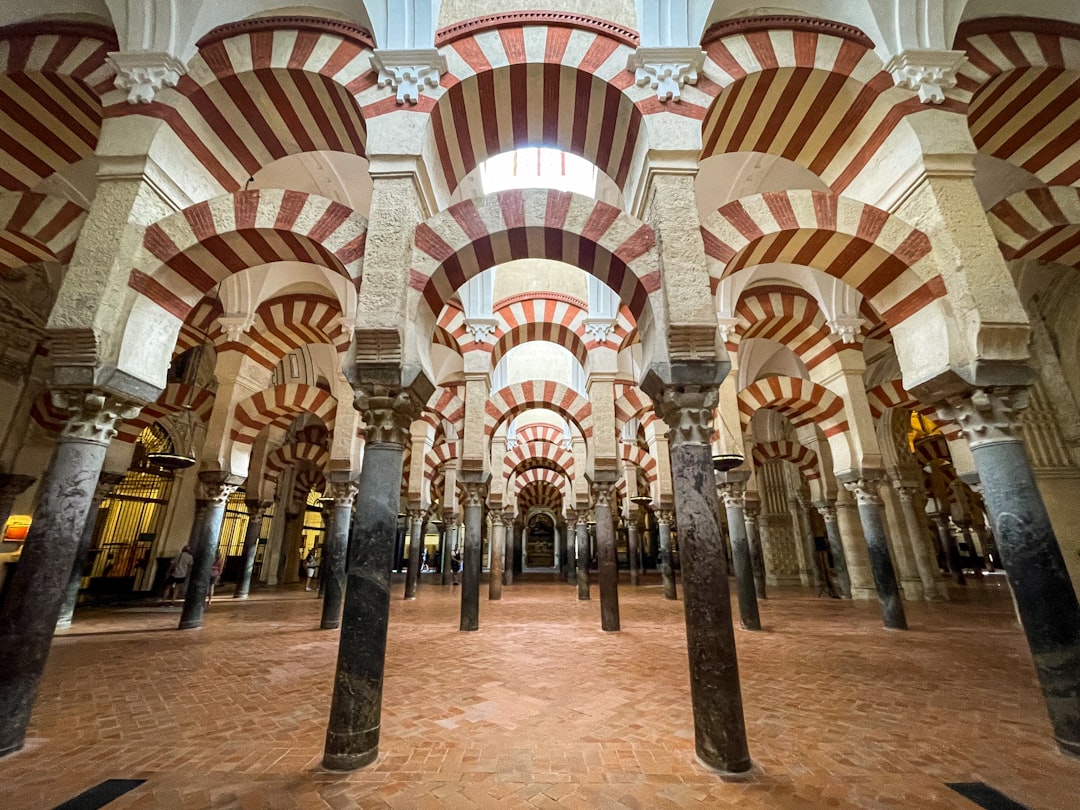
The Mezquita's striped arches, flower-filled patios and Andalusia's deepest layer of history.
- Best time to visit: March-May and October
- Daily budget (budget traveller): $90 to $170 USD
- Ideal trip length: 2 to 3 days
Córdoba was once the largest city in Europe and the capital of Islamic Spain, and it still wears that past better than anywhere else in Andalusia. The Mezquita-Catedral's forest of red-and-white arches is one of the world's great interiors, the Judería's whitewashed lanes hide geranium-packed patios, and the Roman bridge glows at dusk over the Guadalquivir.
Around the year 1000, Córdoba was the largest city in Europe and the capital of Islamic Spain, with libraries, hammams and paved, lit streets while London was still mud. The wow factor survives in one building. The Mezquita-Catedral started in 785 as a mosque, and a Renaissance cathedral was dropped into its middle in the 1500s. Its 850-odd red-and-white arches are best seen in the free early slot, before the tour groups arrive and the stripes turn into a selfie backdrop.
The rest of the city is smaller and more human than the postcards suggest. Behind the whitewashed walls of the Judería and San Basilio sit private patios packed with geraniums and jasmine, which UNESCO recognises and which burst into a city-wide festival each May. Mornings belong to the Mezquita and Alcázar. Siesta is real, with shutters down from about 3 to 5pm. Evenings belong to the tabernas, where salmorejo, rabo de toro and a cold copa of Montilla-Moriles fino cost far less than in Seville. Medina Azahara, the ruined caliphal palace-city 8km west, is the best half-day you can add.
Plan around the heat. July and August regularly pass 40°C, and Córdoba is often Spain's hottest city, so summer visits mean pre-9am sightseeing and a long lunch indoors. Spring (April to May) and October are the sweet spot, but hotel prices roughly double during the Patios Festival and Semana Santa. Come for 2 or 3 days if you only want the greatest hits, or stay a week to add Montilla wine bodegas, Priego de Córdoba and slow evenings in the northern barrios, where almost nobody is a tourist.
How many days in Córdoba?
For Córdoba, we recommend 2 to 3 days. With more time, add a day trip to Priego de Córdoba.
| Trip length | What you'll see | Itinerary |
|---|---|---|
| 2 days · Recommended | Judería lanes and sunset on the bridge; Mezquita, Alcázar, flamenco | Córdoba in 2 days |
| 3 days · Recommended | Adds: Medina Azahara and the modern centre | Córdoba in 3 days |
| 4 days | Adds: Palacio de Viana and the northern barrios | Córdoba in 4 days |
| 5 days | Adds: Montilla-Moriles wine day | Córdoba in 5 days |
| 7 days | Adds: San Basilio, Campo de la Verdad, slow day; Last morning | Córdoba in 7 days |
Córdoba itinerary
Arrive, Judería lanes and sunset on the bridge
Morning: AVE into Córdoba Central station, then a 20-minute walk or an €6-8 taxi to the Judería. Drop bags, tortilla and a caña at Bar Santos next to the Mezquita (Calle Magistral González Francés).
Afternoon: Wander Calleja de las Flores and Calleja del Pañuelo, then the Sinagoga (free for EU citizens) and the Zoco craft courtyard. Siesta in the hottest weeks, since half the city shuts 3 to 5pm.
Evening: Walk the Roman bridge at sunset toward the Torre de la Calahorra. Dinner at Taberna Salinas (Calle Tundidores 3): salmorejo, naranjas con bacalao, picadillo.
Mezquita, Alcázar, flamenco
Morning: Queue at the Puerta de las Palmas by 8:00 for the free slot (roughly 8:30 to 9:20, Mon-Sat). Then book the timed bell tower climb (separate ticket). Alternatively, buy a paid ticket online for later in the day.
Afternoon: Alcázar de los Reyes Cristianos gardens, which reopened on 16 June 2026 (the interior and towers are closed for restoration until further notice). Lunch at Taberna San Miguel 'El Pisto' (Plaza San Miguel 1) for flamenquín and berenjenas con miel.
Evening: Flamenco at Tablao Cardenal (Calle Torrijos 10, about €25 with a drink), then late dinner at Bodegas Campos (Calle Lineros 32).
Medina Azahara and the modern centre
Morning: Take the dedicated shuttle from Paseo de la Victoria to Medina Azahara (closed Mondays, check the current timetable). Walk the excavated palace-city and the museum, about 3 hours total.
Afternoon: Back in town, see the Templo Romano on Calle Claudio Marcelo, the Museo Arqueológico (about €1.50) and Plaza de las Tendillas, where the clock plays flamenco guitar.
Evening: Mercado Victoria's food hall for a cheap, easy dinner, then drinks on the arcades of Plaza de la Corredera.
Palacio de Viana and the northern barrios
Morning: Palacio de Viana at opening for its twelve courtyards (about €10, patios only around €6). Almost nobody else is there.
Afternoon: Santa Marina and San Lorenzo: Fernandine churches, Plaza de los Capuchinos with the Cristo de los Faroles, plain neighbourhood bars. Menu del día at Casa Rubio (Calle Puerta de Almodóvar 5), with views of the city wall.
Evening: Hammam Al Ándalus, candlelit Arab baths near the Mezquita (about €37, book ahead). Light tapas after.
Montilla-Moriles wine day
Morning: Bus from Córdoba's Estación de Autobuses (next to the train station) to Montilla, roughly an hour and about €5. Visit Bodegas Alvear, the oldest winery in Andalusia (founded 1729), for a tour and tasting.
Afternoon: Lunch in Montilla town: salmorejo, rabo de toro and a glass of fino. Second tasting at Pérez Barquero if you have the energy, or just wander the hilltop streets.
Evening: Bus back. Light dinner near your hotel and an early night.
San Basilio, Campo de la Verdad, slow day
Morning: San Basilio's patio streets, then the Caballerizas Reales (royal stables) with its Andalusian horse display (check the schedule). Coffee and a pastel cordobés at any local bakery.
Afternoon: Cross the Roman bridge to Campo de la Verdad, then walk to the Molino de Martos and the Torre de la Calahorra's living museum of Al-Andalus (about €4.50).
Evening: Farewell dinner at El Churrasco (Calle Romero 16): its signature churrasco and flamenquín. Final fino at Bodega Guzmán (Calle Judíos 7), a short stroll away.
Last morning and depart
Morning: Early walk through the empty Judería, a last tostada with olive oil and tomato. If the free Mezquita slot suits, return for a second look at the arches.
Afternoon: Pick up bags and walk to Córdoba Central, 20 minutes through Jardines de la Victoria. AVE to Madrid (1h45), Seville (45 min) or Málaga (about an hour).
Evening: Dinner in your next city, or if flying out of Seville or Málaga, you will already be there.
Best neighbourhoods
- Judería: The old Jewish quarter of white lanes, patios and the Mezquita itself.
- San Basilio: Patio-competition heartland, quieter and more lived-in than the Judería.
- Centro & Tendillas: The modern shopping core with Roman temple ruins and local terraces.
- Santa Marina & San Lorenzo: Northern barrios of Fernandine churches and honest neighbourhood tabernas.
- Campo de la Verdad: Across the Roman bridge, with the best views back to the old city.
Must-do experiences
- Mezquita-Catedral: Walk the arch forest at the free early slot before the tour groups land.
- Alcázar de los Reyes Cristianos: Walk the terraced water gardens, which reopened in June 2026; the fortress interior and towers are closed for restoration until further notice.
- Roman bridge at sunset: Cross to the Calahorra tower for the classic skyline view.
- Medina Azahara: See the ruined caliphal palace-city 8km west with its excellent museum.
Hidden gems
- Palacio de Viana's twelve courtyards, far calmer than the Judería patios.
- Hammam Al Ándalus for a candlelit Arab bath a block from the Mezquita.
- The San Basilio patios in early morning during the May festival.
- Taberna Salinas and the northern barrio bars where locals actually eat.
Daily budget
- Accommodation: budget €22-35 / night (hostel dorm) or €50-70 (hostal double), mid-range €90-160 (boutique double in the Judería), splurge €230+ (Hospes Palacio del Bailío). Prices roughly double during the May Patios Festival and Semana Santa. Outside those weeks, Córdoba is far cheaper than Seville.
- Food: budget €25-35 / day (tostada breakfast, menu del día, tapas), mid-range €50-75 (one proper dinner with wine), splurge €200+ (Noor, two Michelin stars, tasting menu). Menu del día is €12-16 for three courses, and tapas run €3-5. Eat where the locals do, a few streets away from the Mezquita.
- Transport: budget €0-5 / day (walking plus a €1.40 Aucorsa bus), mid-range €10-20 (taxis €5-8 + Medina Azahara bus), splurge €60+ (private driver to Montilla or Priego). The old city is flat and walkable. Seville trains are about €15-30 each way if you add a day trip.
- Activities: budget €0-15 (Mezquita free slot, Roman bridge, patios in May), mid-range €30-45 (Mezquita, Alcázar, Palacio de Viana patios), splurge €80+ (Hammam with massage, Tablao Cardenal flamenco, private tour). Mezquita general entry is about €13-15. The Sinagoga is free for EU citizens and Medina Azahara is cheap for everyone.
- Drinks & nightlife: budget €8-12 (caña €2 and fino €2.50 in a taberna), mid-range €20-35 (tabernas, Corredera terraces, cocktail), splurge €60+ (hotel terrace cocktails, Montilla bodega tasting). Córdoba's nightlife is tabernas and terraces rather than clubs. Bars fill from 10pm and finish early on weeknights.
Where to stay
- Social hostel in Judería / Centro (€22-45 / night): Hostel Osio or Hostal Séneca. A tiny hostel scene, but both are a few minutes from the Mezquita with patios and friendly staff.
- Boutique hotel in Judería (€110-180 / night): Balcón de Córdoba, a few steps from the Mezquita, with a view of the arches and a quiet patio. Best base for early starts.
- Apartment in San Basilio or Santa Marina (€65-110 / night): Residential streets, a kitchen, a courtyard. Cheaper and calmer than the Judería, and good for stays of 4 nights or more.
- Splurge in Campo Santo de los Mártires (€230-380 / night): Hospes Palacio del Bailío, a 16th-century palace with Roman ruins in the basement, a courtyard pool and a short walk from the Alcázar.
What to eat
- Salmorejo cordobés with jamón and egg
- Rabo de toro (slow-braised oxtail)
- Flamenquín and berenjenas con miel
- Montilla-Moriles fino wine instead of sherry
Day trips
- Medina Azahara (8km west, about 20 min by shuttle): The ruined 10th-century caliphal palace-city, UNESCO listed, with an excellent modern museum. Go in the morning before the heat. Closed Mondays. Dedicated shuttle bus from Paseo de la Victoria, about €2.50-3 return (check the current timetable). Entry is free for EU citizens and a small fee for others.
- Montilla and the wine bodegas (45km south, about 1 hour by bus): Home of Montilla-Moriles fino, the local alternative to sherry. Bodegas Alvear (1729) and Pérez Barquero offer tours and tastings, plus white-washed streets. Regional bus from Córdoba's Estación de Autobuses, about €5 each way. Book bodega tours in advance, particularly in autumn.
- Priego de Córdoba (100km southeast, about 1h45 by car): Baroque town in the Subbética hills, with the Fuente del Rey fountains and the Barrio de la Villa. Quiet, pretty and rarely visited. Alsa bus from Córdoba (about 2 hours, check times) or rent a car for the day and combine with Zuheros.
When to visit
- Spring (March - May): 15-28°C, sunny, the odd April shower, hot by late May. Crowds: Heavy in early May and Semana Santa (21 to 28 Mar in 2027), moderate otherwise. The best window. Orange blossom in March, Cruces de Mayo and the Patios Festival in early May, the Feria in late May. Book hotels 2 to 3 months ahead for May.
- Summer (June - August): 34-42°C by day, 22-26°C at night, bone dry. Crowds: Light, but only because everyone is hiding indoors. Skip it if you can. If not, sightsee 8 to 11am, retreat to a patio or hammam, and eat at 10pm. Many family restaurants close for part of August.
- Autumn (September - November): Early Sept 30-36°C, October 18-27°C, November 12-18°C with rain. Crowds: Moderate, quietest from late October. The locals' pick. October has warm light, empty Mezquita queues and a patio-hopping pace you cannot get in May.
- Winter (December - February): 3-15°C, cold mornings, fog by the river, occasional rain. Crowds: Low. Cheapest hotels and a quiet, atmospheric old town. Bring a proper coat, because stone buildings and unheated tabernas are cold. Brasero tables with heaters under them are a local treat.
Entry rules for your passport
Visa rules for Spain depend on the passport you travel on. Check the official source before you book: European Commission: Schengen visa policy
Getting there
Córdoba Central station sits on Avenida de América, about 20 minutes on foot or €6-8 by taxi from the Mezquita. AVE and Avant trains run from Madrid Atocha (1h45, from about €25-45 booked ahead, with Iryo and Ouigo cheaper), Seville Santa Justa (45 min, €15-30) and Málaga María Zambrano (about an hour, from €20). The local airport has no regular commercial service, so fly into Seville (SVQ, the EA airport bus to Santa Justa is about €5) or Málaga (AGP, Cercanías C1 to María Zambrano for about €1.80). Book trains a few weeks ahead for May and Semana Santa. The Estación de Autobuses is right next to the train station for regional buses to Montilla and Priego.
Border checks: non-EU visitors (other than Swiss, Norwegian, Icelandic, Liechtenstein, Andorran, Monegasque, San Marinese and Vatican citizens, and holders of an EU residence permit or long-stay visa) are registered in the EU's Entry/Exit System (EES) instead of getting a passport stamp. On your first crossing, officers take your photo and/or fingerprints, so allow extra time at passport control. ETIAS, the planned travel authorisation, is not in operation yet, so don't pay any website for one.
Getting around
AVE high-speed trains put Córdoba 45 minutes from Seville, 1h45 from Madrid and about an hour from Málaga, so it works as a day trip or a base. The historic centre is entirely walkable and largely pedestrian, with the station a 20-minute walk or short bus ride. Medina Azahara needs the dedicated shuttle bus from Paseo de la Victoria; taxis are cheap for the rest.
Safety
Córdoba is one of Spain's safest cities, with petty theft limited to crowded Mezquita queues. The real risk is heat: July and August routinely top 40C and the city regularly records Spain's highest temperatures, so plan around midday. Judería lanes are cobbled and narrow, and many patios have steps. Book Mezquita tickets online to skip long summer queues.
Solo travel tips
- Order media raciones and sit at the bar: Tabernas like Taberna Salinas and Bodegas Campos serve half portions (media ración), so you can try three dishes without waste. Stand or sit at the bar and ask what is good. Staff here are friendly and will often recommend a fino by the glass.
- Hostel and hostal picks: Córdoba's hostel scene is small. Hostel Osio is the social pick in the old town, and Hostal Séneca (Calle Conde y Luque 7) is a calm, cheap patio hostal. Ask at reception about the free walking tour and the evening patio drinks.
- Do the Mezquita free slot alone: The free entry window (around 8:30 to 9:20, Mon-Sat) is perfect solo. You can stand under the arches in near silence at the best light. Sundays have mass restrictions, so plan around them.
- Time your day around the heat: Sightsee 8 to 12, lunch 2 to 4, rest, then re-emerge at 6pm. Summer tourists who push through midday end up exhausted. Carry a water bottle and refill it at the fountains.
- Solo female travellers: Córdoba is one of Spain's safest cities. The Judería is lit and busy until around midnight. Take a taxi if you are walking alone along the river at night, as parts of the Guadalquivir path are poorly lit.
- Find your tribe: Flamenco peñas, cooking classes on salmorejo, and wine tastings in Montilla are all easy ways to meet people. Book the tablao seat at the bar side or a shared table rather than a private booth.
Cultural etiquette
- The Mezquita is still an active cathedral. Cover your shoulders, keep your voice low, and expect restricted access during mass, especially on Sunday mornings.
- Salmorejo is not gazpacho. It is thicker, creamier and topped with jamón and egg, and ordering gazpacho here marks you as a tourist.
- Patios are private homes. Enter only through open doors, drop a euro or two in the donations jar, and don't touch the plants during the May festival.
- Lunch is 2 to 4pm and dinner starts at 9pm. Turning up at 7pm means empty tabernas or a tourist menu.
- Order a caña (small draft beer) or a copa de fino rather than a pint. Tinto de verano is the local summer drink, and 'sangria' is for visitors.
- Tipping is small. Round up at cafés and leave €1-3 at sit-down meals. 5-10% in a nice restaurant is generous.
- Siesta is real. Shops and small museums close roughly 2 to 5pm, so schedule your big visits for the morning.
Frequently asked questions
How many days do you need in Córdoba?
Two to three days. One day covers the Mezquita, Judería and Alcázar, a second adds Medina Azahara, Palacio de Viana and the northern barrios, and a third suits a slower pace or a day trip to Priego de Córdoba or the Montilla wine towns. Many visit as a Seville day trip, which is rushed but workable.
Is Córdoba worth visiting?
Yes. The Mezquita-Catedral alone justifies the trip and is arguably the single most striking building in Spain. Add four UNESCO World Heritage listings, the patio tradition, and food prices well below Seville or Granada, and it is one of Andalusia's best value stops.
When is the best time to visit Córdoba?
May is the peak experience thanks to the Patios Festival, Cruces de Mayo and the Feria, though it is busy. March to April and October give warm weather without crowds. Avoid July and August, when temperatures regularly exceed 40C and much of the city shuts through the afternoon.
Do you need tickets for the Mezquita?
Yes, and booking online is strongly advised in high season. Entry is roughly 13 euros, with a free unguided visit typically between 8:30 and 9:30am Monday to Saturday, when the light through the arches is at its best. The bell tower climb is a separate, timed ticket.
Can you visit Córdoba as a day trip from Seville?
Easily. AVE trains take about 45 minutes each way and run frequently, so you can cover the Mezquita, Judería and Roman bridge in a day. You will miss Medina Azahara and the evening atmosphere, which is when the old city is at its most memorable.
What is Córdoba famous for?
The Mezquita-Catedral, its flower-filled patios and the May Patios Festival recognised by UNESCO, its era as the capital of Al-Andalus and Europe's largest city around the 10th century, plus salmorejo, rabo de toro and Montilla-Moriles wine.
Is Córdoba expensive?
It is one of Andalusia's cheaper cities. Budget $90 to $170 a day. Tapas run $3 to $5, a full menu del día around $13, Mezquita entry about $14, and hotels are notably cheaper than Seville except during the May festivals, when prices roughly double.
More about Córdoba
- Where to Travel in 2027: 15 Places Worth Planning a Trip Around
- Total Solar Eclipse 2 August 2027: Where to Watch It and How to Plan Now
- Barcelona in 3 Days: Gaudí, Tapas, the Beach and 2026 Prices
Tours and activities in Córdoba | Córdoba in 2 days | Córdoba in 3 days | Córdoba in 4 days | Córdoba in 5 days | Córdoba in 7 days
Can't decide? Compare Córdoba with...
Joy Plus home | Destinations | Itineraries | Activities | Flights | Budget planner | Calendar | Map | Blog | Lifetime access