Córdoba in 7 days
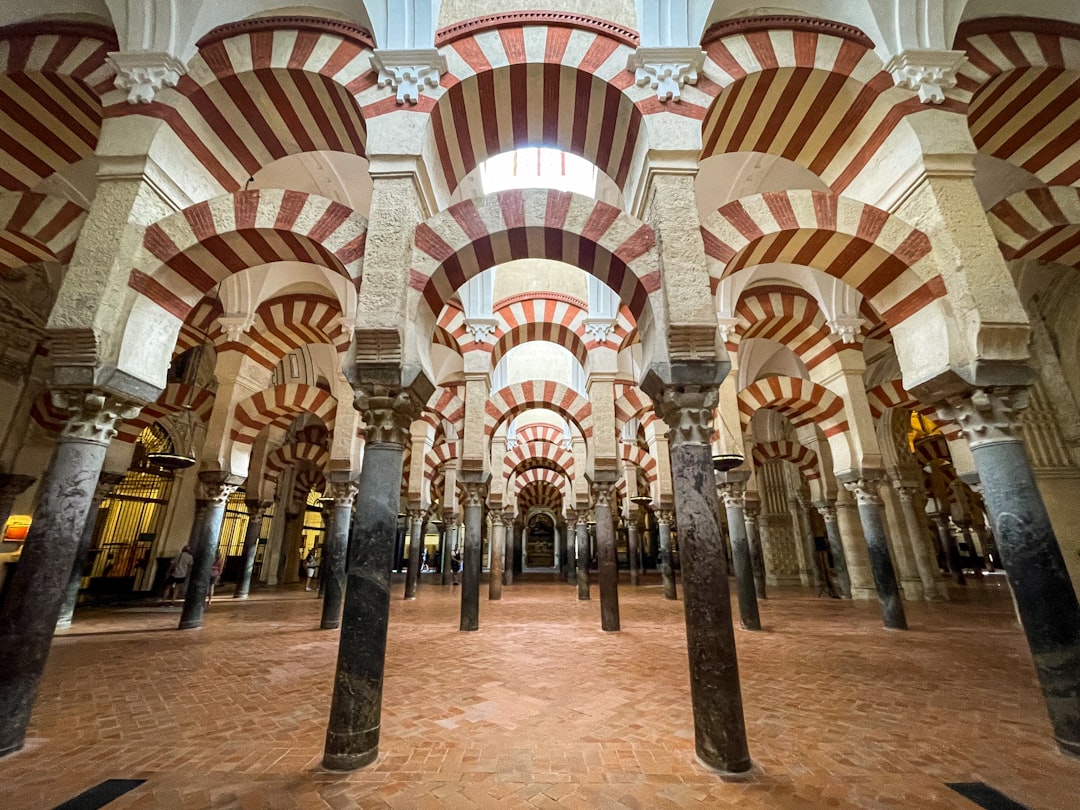
The Mezquita's striped arches, flower-filled patios and Andalusia's deepest layer of history. Best time to visit: March-May and October. Daily budget (budget traveller): $90 to $170 USD.
Arrive, Judería lanes and sunset on the bridge
Morning: AVE into Córdoba Central station, then a 20-minute walk or an €6-8 taxi to the Judería. Drop bags, tortilla and a caña at Bar Santos next to the Mezquita (Calle Magistral González Francés).
Afternoon: Wander Calleja de las Flores and Calleja del Pañuelo, then the Sinagoga (free for EU citizens) and the Zoco craft courtyard. Siesta in the hottest weeks, since half the city shuts 3 to 5pm.
Evening: Walk the Roman bridge at sunset toward the Torre de la Calahorra. Dinner at Taberna Salinas (Calle Tundidores 3): salmorejo, naranjas con bacalao, picadillo.
Mezquita, Alcázar, flamenco
Morning: Queue at the Puerta de las Palmas by 8:00 for the free slot (roughly 8:30 to 9:20, Mon-Sat). Then book the timed bell tower climb (separate ticket). Alternatively, buy a paid ticket online for later in the day.
Afternoon: Alcázar de los Reyes Cristianos gardens, which reopened on 16 June 2026 (the interior and towers are closed for restoration until further notice). Lunch at Taberna San Miguel 'El Pisto' (Plaza San Miguel 1) for flamenquín and berenjenas con miel.
Evening: Flamenco at Tablao Cardenal (Calle Torrijos 10, about €25 with a drink), then late dinner at Bodegas Campos (Calle Lineros 32).
Medina Azahara and the modern centre
Morning: Take the dedicated shuttle from Paseo de la Victoria to Medina Azahara (closed Mondays, check the current timetable). Walk the excavated palace-city and the museum, about 3 hours total.
Afternoon: Back in town, see the Templo Romano on Calle Claudio Marcelo, the Museo Arqueológico (about €1.50) and Plaza de las Tendillas, where the clock plays flamenco guitar.
Evening: Mercado Victoria's food hall for a cheap, easy dinner, then drinks on the arcades of Plaza de la Corredera.
Palacio de Viana and the northern barrios
Morning: Palacio de Viana at opening for its twelve courtyards (about €10, patios only around €6). Almost nobody else is there.
Afternoon: Santa Marina and San Lorenzo: Fernandine churches, Plaza de los Capuchinos with the Cristo de los Faroles, plain neighbourhood bars. Menu del día at Casa Rubio (Calle Puerta de Almodóvar 5), with views of the city wall.
Evening: Hammam Al Ándalus, candlelit Arab baths near the Mezquita (about €37, book ahead). Light tapas after.
Montilla-Moriles wine day
Morning: Bus from Córdoba's Estación de Autobuses (next to the train station) to Montilla, roughly an hour and about €5. Visit Bodegas Alvear, the oldest winery in Andalusia (founded 1729), for a tour and tasting.
Afternoon: Lunch in Montilla town: salmorejo, rabo de toro and a glass of fino. Second tasting at Pérez Barquero if you have the energy, or just wander the hilltop streets.
Evening: Bus back. Light dinner near your hotel and an early night.
San Basilio, Campo de la Verdad, slow day
Morning: San Basilio's patio streets, then the Caballerizas Reales (royal stables) with its Andalusian horse display (check the schedule). Coffee and a pastel cordobés at any local bakery.
Afternoon: Cross the Roman bridge to Campo de la Verdad, then walk to the Molino de Martos and the Torre de la Calahorra's living museum of Al-Andalus (about €4.50).
Evening: Farewell dinner at El Churrasco (Calle Romero 16): its signature churrasco and flamenquín. Final fino at Bodega Guzmán (Calle Judíos 7), a short stroll away.
Last morning and depart
Morning: Early walk through the empty Judería, a last tostada with olive oil and tomato. If the free Mezquita slot suits, return for a second look at the arches.
Afternoon: Pick up bags and walk to Córdoba Central, 20 minutes through Jardines de la Victoria. AVE to Madrid (1h45), Seville (45 min) or Málaga (about an hour).
Evening: Dinner in your next city, or if flying out of Seville or Málaga, you will already be there.
What to eat in Córdoba
- Salmorejo cordobés with jamón and egg
- Rabo de toro (slow-braised oxtail)
- Flamenquín and berenjenas con miel
- Montilla-Moriles fino wine instead of sherry
Hidden gems
- Palacio de Viana's twelve courtyards, far calmer than the Judería patios.
- Hammam Al Ándalus for a candlelit Arab bath a block from the Mezquita.
- The San Basilio patios in early morning during the May festival.
- Taberna Salinas and the northern barrio bars where locals actually eat.
Getting around
AVE high-speed trains put Córdoba 45 minutes from Seville, 1h45 from Madrid and about an hour from Málaga, so it works as a day trip or a base. The historic centre is entirely walkable and largely pedestrian, with the station a 20-minute walk or short bus ride. Medina Azahara needs the dedicated shuttle bus from Paseo de la Victoria; taxis are cheap for the rest.
Safety
Córdoba is one of Spain's safest cities, with petty theft limited to crowded Mezquita queues. The real risk is heat: July and August routinely top 40C and the city regularly records Spain's highest temperatures, so plan around midday. Judería lanes are cobbled and narrow, and many patios have steps. Book Mezquita tickets online to skip long summer queues.
Frequently asked questions
What does this 7-day Córdoba itinerary cover?
Day 1: Arrive, Judería lanes and sunset on the bridge. Day 2: Mezquita, Alcázar, flamenco. Day 3: Medina Azahara and the modern centre. Day 4: Palacio de Viana and the northern barrios. Day 5: Montilla-Moriles wine day. Day 6: San Basilio, Campo de la Verdad, slow day. Day 7: Last morning and depart.
Is 7 days enough for Córdoba?
Yes, 7 days in Córdoba gives you time to spare. We recommend 2 to 3 days, and this plan uses the extra days for Palacio de Viana and the northern barrios; Montilla-Moriles wine day; San Basilio, Campo de la Verdad, slow day; last morning.
How much does 7 days in Córdoba cost?
A budget traveller spends about $90 to $170 USD a day in Córdoba, so roughly $630 to $1,190 USD for 7 days, not counting flights.
Where should I stay for 7 days in Córdoba?
Judería: The old Jewish quarter of white lanes, patios and the Mezquita itself. San Basilio: Patio-competition heartland, quieter and more lived-in than the Judería.
When is the best time to visit Córdoba?
The best time to visit Córdoba is March-May and October.
How do I get around Córdoba?
AVE high-speed trains put Córdoba 45 minutes from Seville, 1h45 from Madrid and about an hour from Málaga, so it works as a day trip or a base. The historic centre is entirely walkable and largely pedestrian, with the station a 20-minute walk or short bus ride.
Is Córdoba safe for solo travellers?
Córdoba is one of Spain's safest cities, with petty theft limited to crowded Mezquita queues. The real risk is heat: July and August routinely top 40C and the city regularly records Spain's highest temperatures, so plan around midday.
Read more about Córdoba
- Where to Travel in 2027: 15 Places Worth Planning a Trip Around
- Total Solar Eclipse 2 August 2027: Where to Watch It and How to Plan Now
- Barcelona in 3 Days: Gaudí, Tapas, the Beach and 2026 Prices
More 7-day guides
- Santander in 7 days
- Formentera in 7 days
- Cadaqués in 7 days
- Nerja in 7 days
- Picos de Europa in 7 days
- Santillana del Mar in 7 days
- Albarracín in 7 days
- Frigiliana in 7 days
Córdoba in 2 days | Córdoba in 3 days | Córdoba in 4 days | Córdoba in 5 days | Full Córdoba guide
Joy Plus home | Destinations | Itineraries | Activities | Flights | Budget planner | Calendar | Map | Blog | Lifetime access