Best European Cities for Digital Nomads (2026 to 2027)
Apr 12, 2026, 15 min read. Last updated Nov 9, 2026

Ten European bases for remote workers, from Lisbon and Las Palmas to Budapest and Tbilisi, with each country's visa route and any income bar, real rent figures, desk prices, internet speeds and the catch, all checked in November 2026.
Picking a European base for remote work comes down to four things: the income a visa asks for, the rent, the price of a desk and your clients' working hours. Here are ten cities compared on all four, nine in the EU plus Tbilisi, checked on 7 November 2026.
Each city gets a short summary and its key facts in a list. EU citizens can skip the visa lines: they need no visa in the nine EU cities, only the local registration for longer stays.
The ten cities at a glance
Pick by what matters most to you, then check the details below. Our budget planner shows which destinations fit your monthly budget.
- Lisbon: the biggest nomad community, and the highest rents.
- Madeira: a free coworking space in Ponta do Sol and a small-town pace.
- Las Palmas: the warmest winter on UK time.
- Valencia: big-city life with a beach, and the lowest visa income bar in this guide.
- Split: the clearest tax position.
- Athens: the lowest asking rents of the EU cities here with portal data.
- Budapest: the fastest median broadband here, for solo applicants.
- Tallinn: digital paperwork and cold winters.
- Berlin: a long-term move rather than a quick visa.
- Tbilisi: a year without a visa, outside the EU.
Lisbon, Portugal: the biggest nomad scene

Lisbon has the largest nomad community in this guide and fast internet, but the highest rents. Start with our Lisbon guide.
- Visa: Portugal's D8 asks for average income over your last three months of €3,680 a month in 2026, four times the minimum wage.
- 2027: the budget assumes a €970 minimum wage, which would lift the bar to €3,880.
- Rent: the median new lease was €17.79 per m² in mid-2026 (INE), the highest in Portugal: about €800 a month for 45 m².
- Desks: LACS from €20 a day or €220 a month; Second Home from €25 a day or €165 a month, plus VAT.
- Internet: a national median of 260 Mbps.
- Community: the Lisbon Digital Nomads group on Meetup has more than 26,000 members and meets every Thursday.
Madeira, Portugal: a free desk in Ponta do Sol
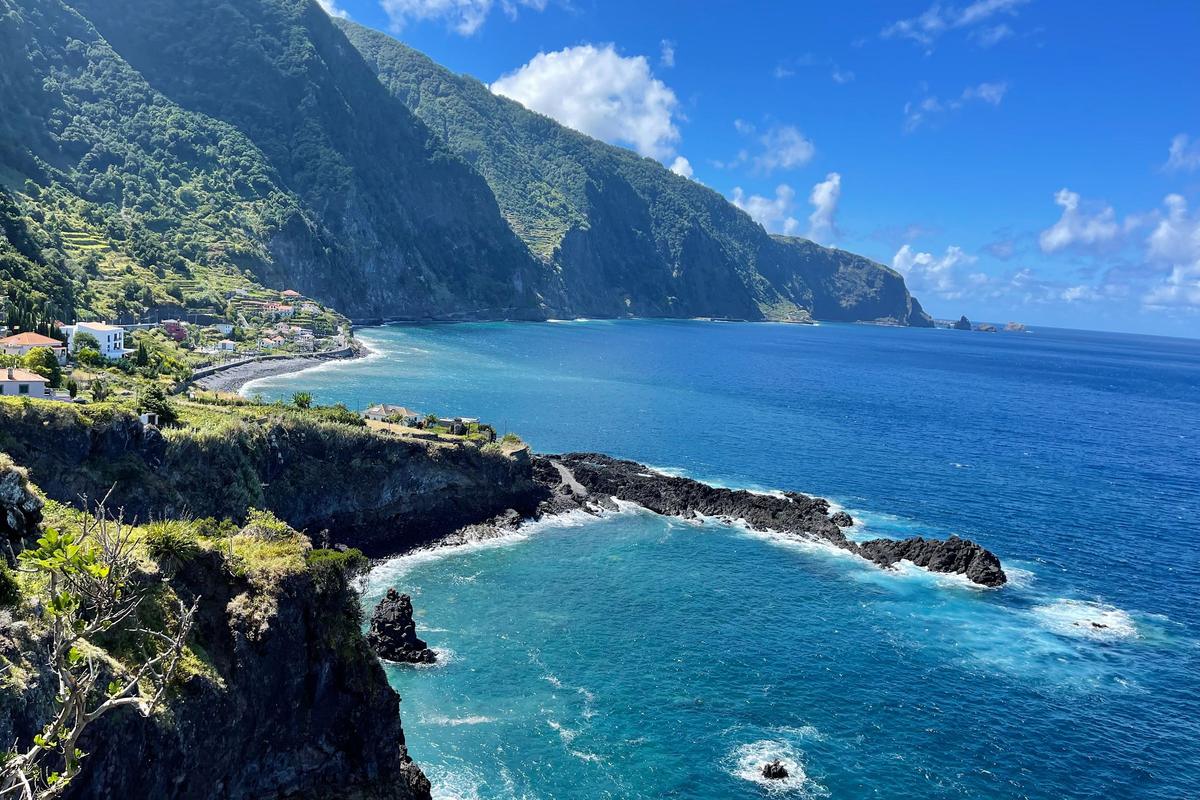
Madeira swaps city buzz for ocean views and a small, friendly nomad scene. See our Funchal guide.
- Visa: the same D8 rules as Lisbon.
- Community: Digital Nomads Madeira still runs its Ponta do Sol nomad village in 2026, with community managers in Funchal, Machico and Santa Cruz too.
- Free desk: the village's working space is open from 9am to 6pm, with a community lunch every Wednesday and an evening event every Friday.
- Paid desks: Cowork Funchal charges from €15 a day, or €160 a month for a reserved desk, plus VAT.
- Rent: Funchal's median new lease rose 17% in a year to €14.49 per m² in mid-2026, about €650 for 45 m².
- Weather: mild but wet winters, with January highs of about 19°C and about 103 mm of rain over 12 days.
Las Palmas de Gran Canaria, Spain: the warmest winter on UK time
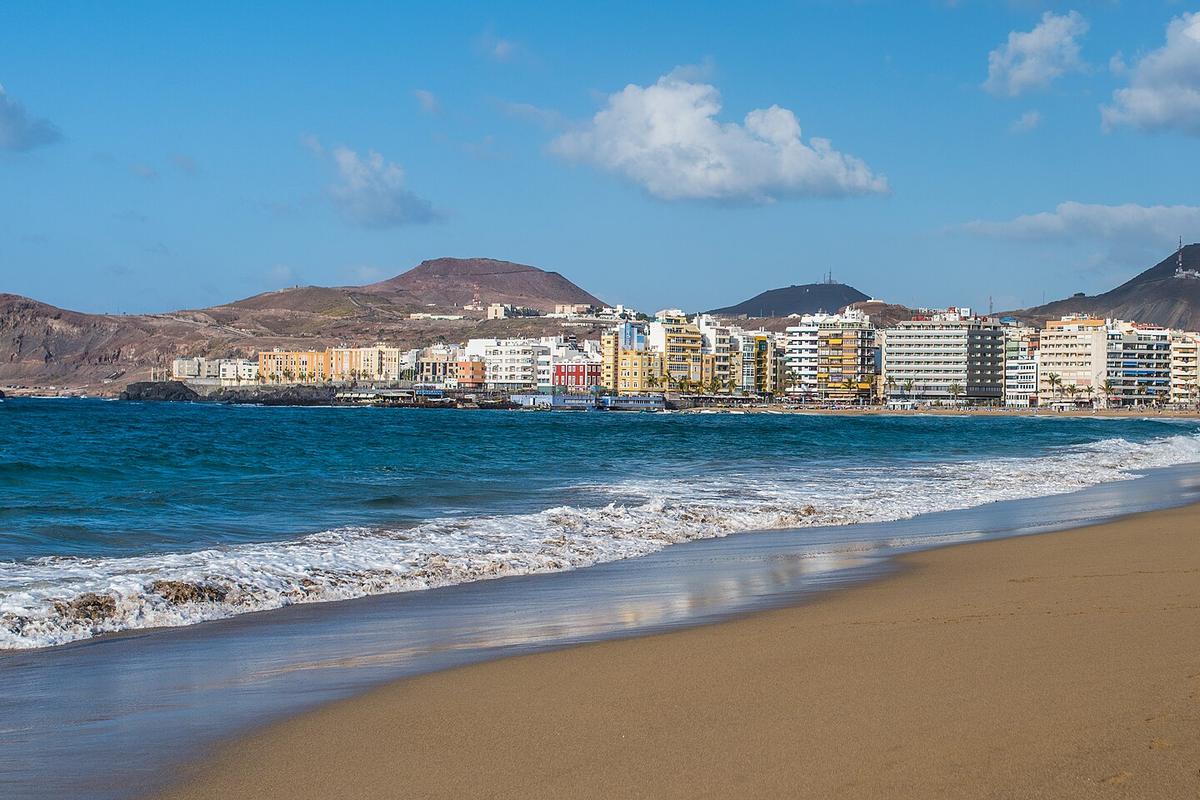
Las Palmas keeps the same clock as London and has the mildest winter in this guide. Our Gran Canaria guide covers the island.
- Weather: January highs of about 21°C and lows of 15°C.
- Visa: Spain's teleworker visa asks for 200% of the minimum wage: about €2,849 a month on the 2026 rate.
- 2027: if Spain adopts the €1,286 monthly minimum wage (14 payments a year) its labour ministry proposed on 5 November 2026, the bar rises to about €3,001.
- Rent: asking rents averaged €16.13 per m² in September 2026 (Fotocasa), about €970 for 60 m².
- Desks: near Las Canteras beach, Soppa de Azul charges €20 a day or €150 a month, and Sky Coworking €20 a day or €150 for ten days.
- Good to know: housing is the hot local issue. About 3,500 people marched in the city on 3 October 2026, by official count.
Valencia, Spain: the big-city all-rounder
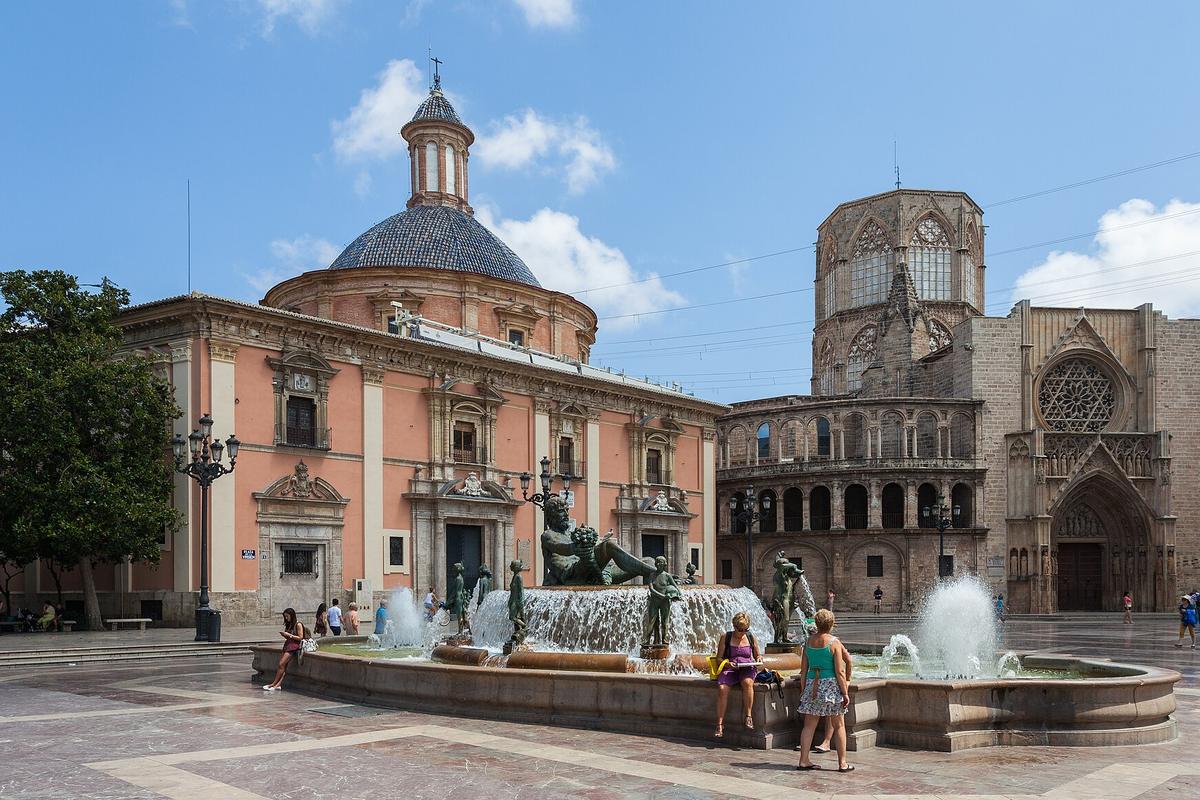
Valencia pairs a city beach with about 2,700 hours of sunshine a year, according to Spain's weather agency, AEMET. Plan your first days with our Valencia guide.
- Visa: the same teleworker visa as Las Palmas. You need a degree or three years' experience, and freelancers can earn no more than 20% from Spanish clients.
- Length: the residence permit runs up to three years, renewable for two at a time.
- Rent: asking rents averaged €16.5 per m² in October 2026 (idealista), up 4.2% in a year: about €990 for 60 m².
- Desks: Wayco Ruzafa €30 a day or €235 a month; Vortex Centro €25 a day or €215 for 20 days a month, plus VAT.
- Community: Valencia Nomads Club and Valencia Digital Nomads both list weekly meetups.
- Good to know: the city froze new tourist-flat licences in May 2024, so look for mid-term lets. January highs are about 16°C.
Split, Croatia: the clearest tax position
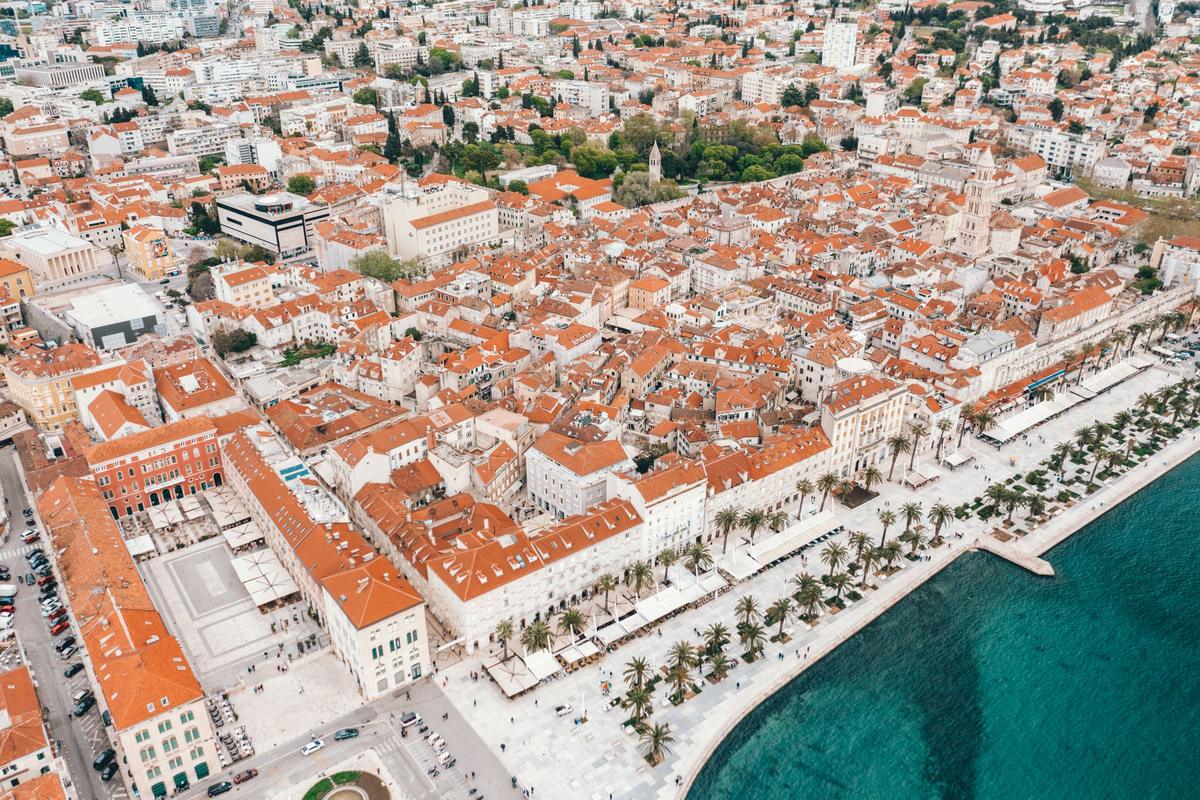
Croatia's Income Tax Act exempts what nomads earn from foreign employers, the simplest tax deal in this guide. See our Split guide.
- Visa: a temporary stay for digital nomads of up to 18 months, for €3,622.50 a month (2.5 times last year's average net salary) or €43,470 in savings for a year.
- Rules: your employer or company must not be registered in Croatia, and when the stay ends you wait six months before applying again.
- Rent: crowd-sourced Numbeo data put a central one-bedroom flat at about €900 a month.
- Desks: Split Technology Park charges €13 a day or €190 a month, plus VAT, but it is in the Dračevac business area, not the old town.
- Weather: average temperatures of about 8°C in January and 26°C in July.
Athens, Greece: city life, but apply before you go

Athens has the lowest asking rents of the EU cities here with portal data, but two catches. Start with our Athens guide.
- Visa: €3,500 a month after tax, plus 20% for a spouse and 15% per child. You get a visa of up to 12 months, then a two-year residence permit.
- Rule: you must not work for an employer based in Greece.
- Catch 1: since a law of February 2026, people who arrive visa-free can no longer switch to the permit inside Greece. Get the national visa at a Greek consulate first.
- Catch 2: Greece's 50% income tax break is for people employed by a company or branch in Greece or running a business there, so most remote employees of foreign firms do not qualify.
- Rent: the median asking rent in the Municipality of Athens was €12.2 per m² in the third quarter of 2026 (Spitogatos).
- Desks: Stone Soup in Exarchia charges €17 a day, €140 a month for ten days or €220 for a fixed desk, plus VAT.
- Community: the city hosted Athens Nomad Fest in September 2026.
Budapest, Hungary: fast internet, solo only
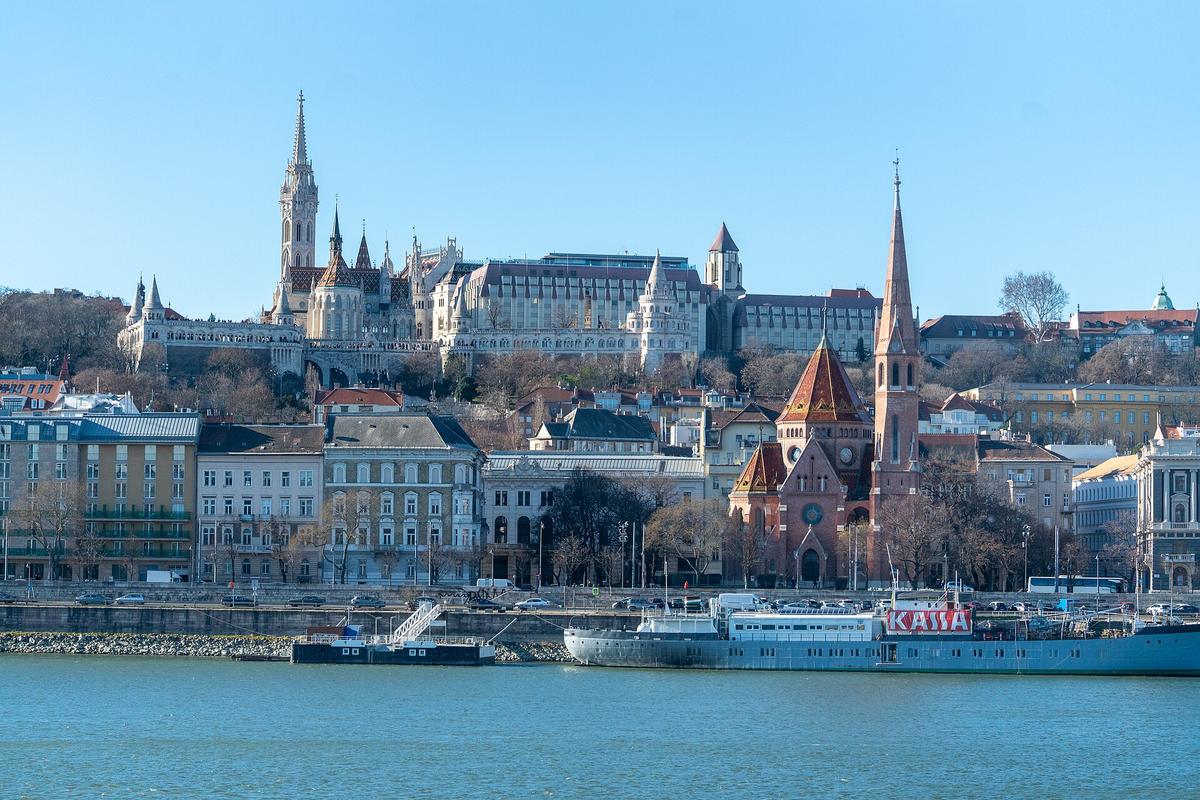
Budapest suits a solo nomad on a foreign salary who wants a big central European city. See our Budapest guide.
- Visa: the White Card asks for net income of at least €3,000 a month in the six months before you arrive, from a foreign employer or a profitable foreign company you part-own.
- Rules: it lasts up to a year and can be extended once. Family members cannot join through it, and you cannot switch to another permit in Hungary.
- Fee: applying online inside Hungary costs HUF 26,000 (about €71).
- Internet: in September 2026 Hungary had the fastest median fixed broadband in this guide, 273 Mbps, just ahead of Spain.
- Desks: Kaptár charges HUF 6,400 (about €17.60) a day or HUF 60,000 (about €165) a month, plus VAT.
- Rent: asking rents rose 5.3% in the year to September 2026 (statistics office); ingatlan.com put a typical flat at about HUF 260,000 (about €715) a month in November 2025.
- Good to know: holiday lets are banned in Terézváros, the 6th district, from 2026.
Tallinn, Estonia: digital paperwork, cold winters
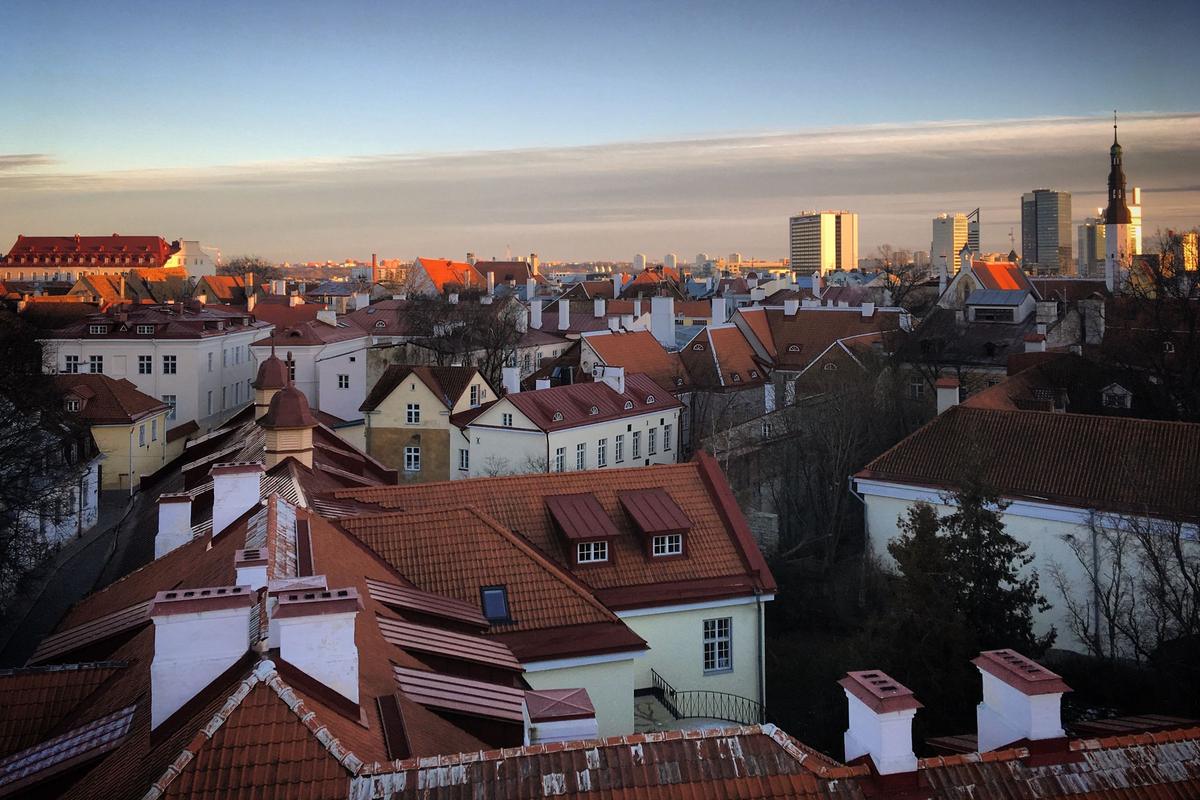
Estonia runs much of its admin online, but expect January highs of about -1°C. See our Tallinn guide.
- Visa: the Digital Nomad Visa is a long-stay D visa of up to a year, for people working for a foreign employer, their own foreign company or mostly foreign clients.
- Income: the foreign ministry sets the bar at €132 a day, or €3,960 a month. The e-Residency site still quotes the old €4,500.
- e-Residency: a digital ID for running an Estonian company online. It gives no right to live in Estonia.
- Rent: crowd-sourced Numbeo data put a central one-bedroom flat at about €720 a month.
- Desks: LIFT99 in the Telliskivi creative city charges €28.50 a day or €235 a month; the city-run Tallinn Business Incubator €20 a day or €200 a month, plus VAT.
Berlin, Germany: a long-stay move, not a quick visa

Germany has no nomad visa, so Berlin suits people planning to settle for a year or more. Start with our Berlin guide.
- Visa: the usual route is the residence permit for freelancers, which Berlin grants for one to three years.
- Papers: a revenue forecast plus fee agreements or at least two client letters of intent, German statutory or comparable private health insurance, and your main residence in Berlin.
- Over 45: you must also show retirement provision. Berlin's page, using figures from July 2025, quotes a pension of €1,612.53 a month from 67 or assets of €232,204.
- Applying: US, UK, Canadian and Australian citizens can apply online from inside Germany within 90 days of arriving. The office publishes no waiting times.
- Rent: asking rents for existing flats were €13.23 per m² in the third quarter of 2026 (ImmoScout24), about €926 cold rent for 70 m².
- Desks: betahaus Kreuzberg charges €35 a day or €125 a month for weekday access from 9am to 4.30pm, plus VAT.
Tbilisi, Georgia: a year without a visa, outside the EU
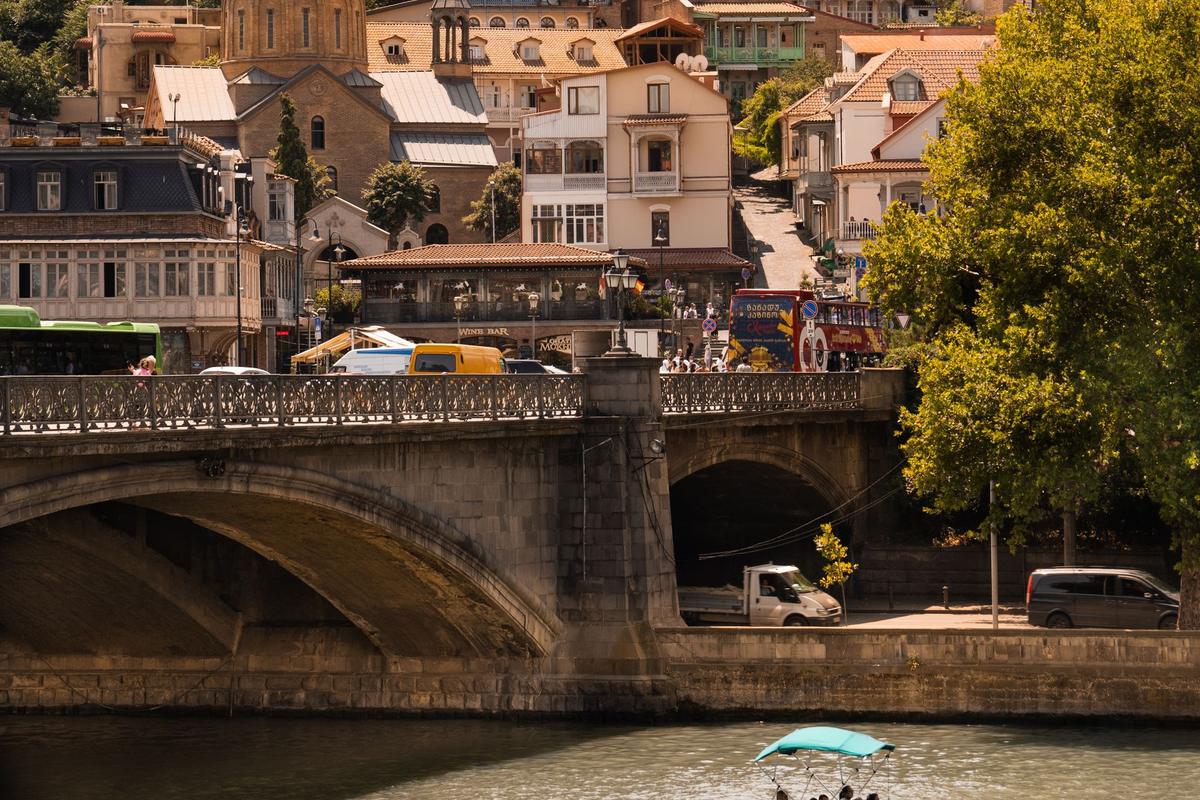
Georgia is in neither the EU nor Schengen, which is its appeal. Read our Tbilisi guide.
- Stay: US, UK, Canadian, Australian and EU citizens can stay up to a year without a visa, and the days do not count towards the Schengen limit.
- Insurance: since 1 January 2026 every visitor needs health and accident insurance of at least GEL 30,000 (about €10,300) for the whole stay.
- Work rules: UK advice says remote workers need a work permit, but 2026 amendments generally exempt work for foreign employers or clients that relates to their business outside Georgia.
- If unsure: registered individual entrepreneurs have separate rules, so ask the State Employment Support Agency in writing.
- Rent: about US$10.1 per m² in July 2026 (Galt & Taggart), so US$500 to 600 (€450 to €540) for 50 to 60 m².
- Desks: Impact Hub at Fabrika charges GEL 40 (about €14) a day or GEL 410 (about €141) a month.
- Catches: UK advice counted 700 days of protests by 28 October 2026, and Georgia's median fixed download is just 51 Mbps.
Visa-free stays: the 90/180 rule
Without a nomad visa, US, UK, Canadian and Australian citizens get 90 days in any 180 across the whole Schengen area, which covers all nine EU cities here.
- Tracking: since 10 April 2026 the EU's Entry/Exit System has recorded entries and exits digitally instead of passport stamps.
- Working: UK advice for Spain, Germany and Estonia notes that the rules for working are different from those for visiting.
- Counting: our Schengen 90/180 explainer shows how to count your days. Tbilisi is the obvious base outside the zone.
Tax: watch the 183-day line
Stay long enough and you may owe tax where you live. This is not tax advice: ask a local accountant before you pass the line.
- The line: Portugal, Spain, Greece, Estonia and Georgia all treat about 183 days in a year as the line for tax residence, though each counts the period differently.
- Germany: you are resident if you keep a home there or stay more than six months in a row.
- Croatia: exempts nomads' income from foreign employers.
- Spain: teleworker visa employees who were not Spanish tax residents in the previous five years can opt for a flat 24% on work income up to €600,000, for the year they move and the five after.
- Portugal and Greece: IFICI and the Greek 50% break mostly do not cover remote workers for foreign firms.
Time zones: pick your clients' hours
If your clients are in New York, the Atlantic bases give you the most overlap; if they are in Asia, Tbilisi, Athens and Tallinn shorten the gap.
- UK time (UTC+0 in winter): Lisbon, Madeira and the Canaries.
- One hour ahead (UTC+1): Valencia, Split, Budapest and Berlin.
- Two hours ahead (UTC+2): Athens and Tallinn.
- UTC+4 all year: Tbilisi.
Internet: test the flat, not the country
National medians say little about one flat. Ask your host for a recent speed test that shows upload, book a coworking desk for your first week and keep a data eSIM as a backup; our travel eSIM guide explains when that is enough.
- Fastest: Hungary 273 Mbps, Spain 267 and Portugal 260 (Ookla medians for fixed broadband, September 2026).
- Middle: Germany 103, Estonia 95, Croatia 94 and Greece 92.
- Slowest: Georgia 51.
How to read the numbers
A few notes on the figures in this guide.
- Currency: euros unless stated. Forint and dollar figures use the European Central Bank rate of 6 November 2026, lari the National Bank of Georgia rate of 7 November 2026.
- Rent: Lisbon and Funchal are signed new leases from Portugal's statistics office, most others are asking rents from listing portals, and Split and Tallinn are crowd-sourced Numbeo data, so compare with care.
- Desks: prices come from the operators' own sites and usually exclude VAT.
Plan it with Joy Plus
Tell the Joy Plus planner which city you are trying first and it builds a day-by-day plan with a map for your first week, while the trip hub keeps your bookings, flight alerts, budget and packing list in one place. Start planning your trip
Frequently asked questions
Which European city is cheapest for digital nomads?
Of the ten cities here, Tbilisi has the lowest rent: Galt & Taggart put the average at US$10.1 per square metre a month in July 2026, and Georgia lets most Western visitors stay a year without a visa. Inside the EU, Athens had the lowest asking rent among the cities with portal data, €12.2 per square metre in the third quarter of 2026, against €16.13 in Las Palmas and €16.5 in Valencia.
Which European digital nomad visa is easiest to get?
Of the visas in this guide, Spain's teleworker visa has the lowest income bar, about €2,849 a month before tax on the 2026 minimum wage, though Italy and Bulgaria, not covered here, ask for less. Spain also wants a degree or three years' experience. Hungary's White Card needs €3,000 a month net, and family members cannot join you on it. Croatia lets visa-free visitors apply inside the country; since February 2026 Greece does not, so get a Greek consulate visa first.
Is Lisbon still good for digital nomads?
Yes, if your budget allows. Lisbon has the biggest community in this guide, with more than 26,000 members in the Lisbon Digital Nomads Meetup group, and Portugal's median fixed download was 260 Mbps in September 2026. But the median new lease in the city was €17.79 per square metre in mid-2026, the highest in Portugal, and the D8 visa asks for €3,680 a month in 2026.
Where in Europe is warmest for remote work in winter?
Las Palmas de Gran Canaria, with January highs of about 21°C and lows of 15°C, on the same clock as London. Funchal on Madeira averages about 19°C in January but is wetter, with about 103 mm of rain over 12 days. Valencia, at about 16°C, is the warmest of the mainland cities here. Athens is cooler and Tallinn and Berlin are cold.
Do digital nomads pay tax in Europe?
They can. Around 183 days in a year in one country usually makes you tax resident there, and Germany counts any continuous stay of more than six months, or less if you keep a home there. Croatia exempts nomads' income from foreign employers, and Spain lets teleworker visa employees opt for a flat 24% rate. Greece's 50% break and Portugal's IFICI mostly do not cover remote workers for foreign firms. Ask a local accountant.
Can I work remotely on a Schengen visa-free stay?
The rules are not the same everywhere, and UK travel advice for Spain, Germany and Estonia says requirements for working differ from those for visiting. The 90 days in any 180 are meant for short stays, and the Entry/Exit System now records your entries and exits. If you plan to work from one country for months, apply for its nomad visa or ask its consulate.
Is Tbilisi in the EU, and do I need a visa?
No. Georgia is outside both the EU and the Schengen area, so days there do not count towards the 90/180 limit. US, UK, Canadian, Australian and EU citizens can stay up to a year without a visa. Since 1 January 2026 you need health and accident insurance of at least GEL 30,000 for the whole stay, and UK advice still says remote workers need a work permit, although 2026 amendments exempt some work for foreign employers or clients, so check before you start.