Destinations / Europe
Málaga, Spain travel guide
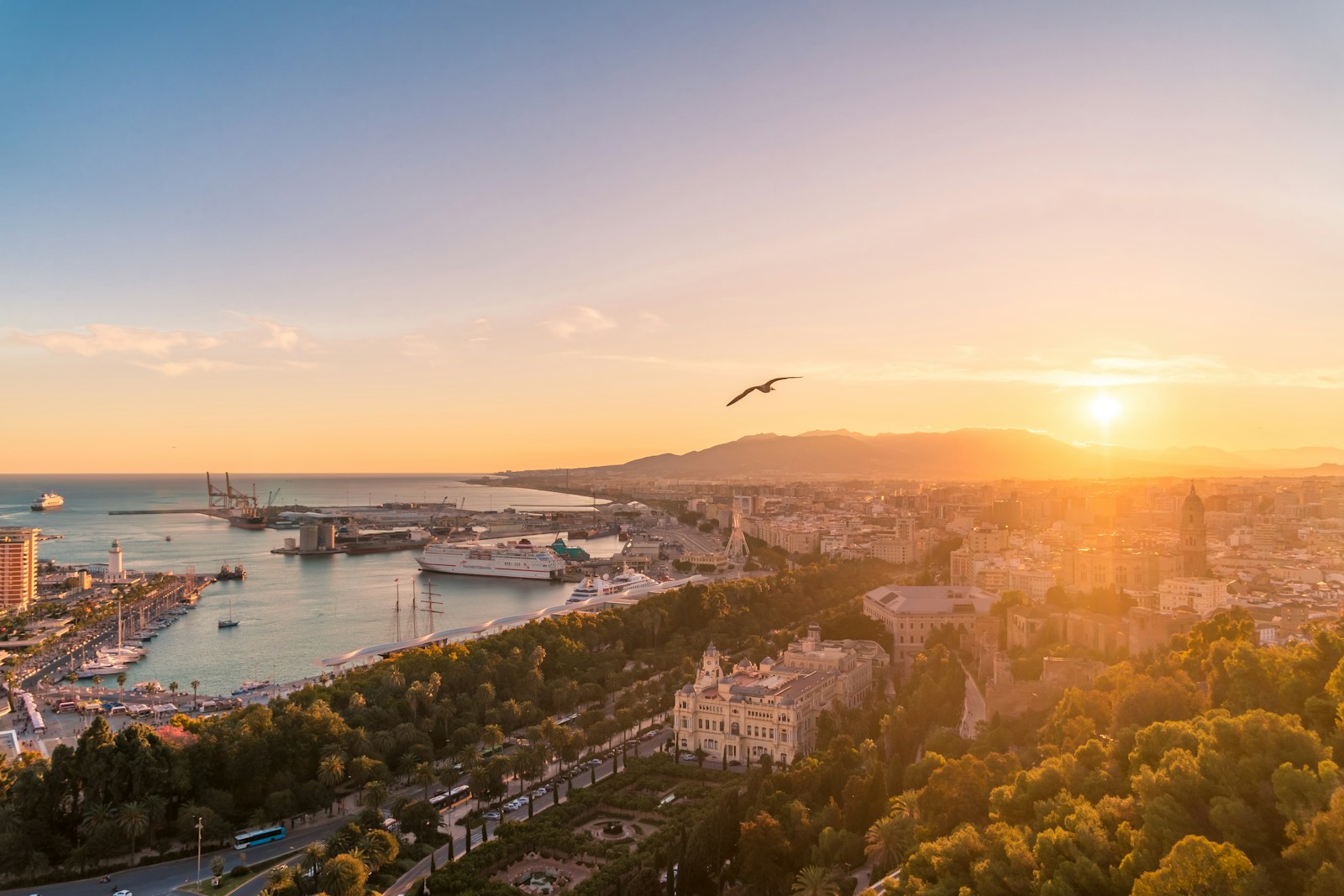
The sunny capital of the Costa del Sol: beaches, a Moorish fortress, Picasso and a booming food and art scene.
- Best time to visit: April-June and September-October
- Daily budget (budget traveller): $80 to $130 USD
- Ideal trip length: 2 to 3 days
Málaga has shed its package-holiday image to become one of Spain's most exciting city breaks, an Andalusian port that pairs Mediterranean beaches with a hilltop Moorish fortress, the birthplace of Picasso and a thriving gallery, tapas and rooftop scene. Sunny almost year-round, it's relaxed, walkable and full of energy. Joy Plus shapes the old town, the castles and the beaches into an easy, sun-soaked itinerary.
Málaga stopped being Spain's departure lounge about a decade ago. The city that used to be a means to reach Torremolinos now has a Moorish fortress at the top of its main street, a Roman theatre tucked under it, Picasso's birth house around the corner, and a port rebuilt into a promenade with a Pompidou outpost in a glass cube. The old town is pedestrianised, flat enough to walk in sandals, and compact enough that you can go from cathedral to beach in 20 minutes.
The real pull is how much of it is eaten and drunk standing up. Málaga runs on cañas (small beers) at €2 to €3, sweet wine poured from chalk-marked barrels at Antigua Casa de Guardia since 1840, fritura malagueña at lunch, and espetos (sardines grilled on skewers over a fire inside a half-sunk wooden boat) at the beach shacks in Pedregalejo and El Palo. Soho, the old docks district, adds murals, galleries and the kind of coffee shops that never existed here ten years ago. Lunch is at 2pm, dinner after 9pm, and the siesta shutters are real.
Málaga works because it is easy. It is sunny about 300 days a year, safe at 2am, cheap compared with Barcelona or Madrid, and a perfect base for Granada's Alhambra, Ronda's gorge and the Caminito del Rey. Three days covers the city properly. Seven lets you add a Granada day, a white-village day trip and a slow beach afternoon. Come outside July and August and you get the same sun without the 38°C wall of heat.
How many days in Málaga?
For Málaga, we recommend 2 to 3 days.
| Trip length | What you'll see | Itinerary |
|---|---|---|
| 2 days · Recommended | Old town and sweet wine; Alcazaba, Gibralfaro and Picasso | Málaga in 2 days |
| 3 days · Recommended | Adds: Soho, Pompidou and La Malagueta | Málaga in 3 days |
| 4 days | Adds: Granada and the Alhambra | Málaga in 4 days |
| 5 days | Adds: Pedregalejo and El Palo beach day | Málaga in 5 days |
| 7 days | Adds: Ronda or Nerja; Market | Málaga in 7 days |
Málaga itinerary
Arrive, old town and sweet wine
Morning: Land at AGP, Cercanías C-1 to Centro-Alameda (about 12 min, €1.80). Drop bags, then coffee at Café Central on Plaza de la Constitución. Order a 'nube' or 'sombra', not a café con leche.
Afternoon: Walk Calle Larios to the cathedral (La Manquita, around €10). Ice cream at Casa Mira. Tapas lunch at Casa Lola on Calle Granada.
Evening: Sweet wine at Antigua Casa de Guardia on Alameda Principal, barrel-lined and open since 1840. Dinner at La Tranca or Bar Lo Güeno.
Alcazaba, Gibralfaro and Picasso
Morning: Alcazaba at 9am opening, combined ticket with Gibralfaro around €5.50. Walk the Roman Theatre (free) on the way down, then the zigzag path up to Gibralfaro castle for the view.
Afternoon: Lunch at the Atarazanas market (open until mid-afternoon, closed Sunday). Museo Picasso Málaga (around €12), then the Casa Natal on Plaza de la Merced.
Evening: Sunset drink on a hotel terrace near the cathedral. Dinner at El Pimpi, a barrel-lined landmark that gets busy, so book.
Soho, Pompidou and La Malagueta
Morning: Walk Soho's murals along Calle Tomás Heredia. CAC Málaga is free. Coffee in Soho.
Afternoon: Centre Pompidou in the glass cube at Muelle Uno (around €9). Then La Malagueta beach, with sunbeds from about €10 for two.
Evening: Sunset along the port promenade, then a late dinner on Calle Granada. Finish with vermouth at a corner bar.
Granada and the Alhambra
Morning: First ALSA bus from Málaga's bus station to Granada (1h30 to 2h, about €12-16). Alhambra and Nasrid Palaces on a morning slot. Tickets are about €19 and sell out weeks ahead.
Afternoon: Lunch in the Albaicín, then walk up to Mirador de San Nicolás.
Evening: Late bus back to Málaga. Check the final departure before you commit. Easy tapas near the hotel.
Pedregalejo and El Palo beach day
Morning: Walk the Paseo Marítimo east from La Malagueta (about 40 min) to Pedregalejo, past the fishing boats pulled up on the sand.
Afternoon: Espetos at a Pedregalejo chiringuito, then swim. For the chaotic classic, El Tintero in El Palo, where waiters shout dishes and you pay by the plates you stack.
Evening: Walk back along the beach at sunset. Churros and chocolate at Casa Aranda if you still have room.
Ronda or Nerja
Morning: Bus to Ronda (about 1h45, €10-12) or Nerja (about 1h to 1h15, €5-6). Ronda: Puente Nuevo and the gorge viewpoints. Nerja: Balcón de Europa.
Afternoon: Ronda: Plaza de Toros and Arab Baths, lunch above the gorge. Nerja: the caves (around €15) and a swim at Playa Burriana.
Evening: Bus back. Light tapas, early night.
Slow morning, market and depart
Morning: Churros and thick chocolate at Casa Aranda, then a last walk through the Atarazanas market.
Afternoon: Last lunch of fritura malagueña, then collect bags.
Evening: Cercanías C-1 from Centro-Alameda or María Zambrano to AGP, about 12 minutes.
Best neighbourhoods
- Centro Histórico: The pedestrianised old town around the cathedral, with tapas bars, museums and marble-paved Calle Larios.
- La Malagueta: The city beach and palm-lined promenade right beside the centre, lined with chiringuito grills.
- Soho: The arts district between the centre and the port, covered in murals and full of galleries and cafés.
- Pedregalejo & El Palo: Former fishing villages east of the centre with the best beachfront seafood shacks.
Must-do experiences
- Alcazaba & Gibralfaro: Explore the hilltop Moorish fortress and castle for history and sweeping views over the city and sea.
- Picasso Museum & birthplace: Trace the artist's roots at the museum and his childhood home on Plaza de la Merced.
- Roman Theatre & Cathedral: See the ancient theatre below the Alcazaba and the one-armed Renaissance cathedral.
- Beach & espetos: Relax on La Malagueta or El Palo and eat sardine skewers grilled over a boat-shaped fire.
Hidden gems
- Sunset rooftop drinks on a hotel terrace near the cathedral, with castle views.
- Espeto sardine skewers at a beach chiringuito in Pedregalejo or El Palo.
- The colourful Soho street-art murals, including works by international artists.
- The Atarazanas covered market for vermouth and fresh seafood at the bar.
Daily budget
- Accommodation: budget €22-40 / night (hostel dorm), mid-range €90-160 (boutique double in the old town), splurge €300+ (Gran Hotel Miramar, Palacio Solecio). Prices jump 30-50% in August and Semana Santa. Book Centro Histórico and Soho early.
- Food: budget €22-32 / day (tostas, market bites, menú del día), mid-range €50-75 (tapas lunch + one sit-down dinner), splurge €130+ (Michelin tasting menu at José Carlos García or Kaleja). Weekday menú del día runs €12-16 with a drink. Ordering half-portions (media ración) lets you taste more.
- Transport: budget €2-5 / day (walk + a bus ride), mid-range €10-20 (Bolt, airport train, day-trip bus), splurge €60+ (private driver to Ronda or the Caminito). The centre is walkable. Airport train is about €1.80, city bus about €1.40 to €1.50 with a contactless card.
- Activities: budget €0-12 (Roman Theatre, beaches, Sunday free hours, Alcazaba + Gibralfaro combo), mid-range €25-45 (Picasso Museum, Pompidou, cathedral), splurge €100+ (Alhambra with a guide, sailing, private tour). Alcazaba, Gibralfaro and most state museums are free or discounted on Sunday from about 2pm or the last two hours. Check the day's hours.
- Drinks & nightlife: budget €8-12 (cañas, sweet wine at a barrel bar), mid-range €25-40 (vermouth, rooftop sunset drink, one club), splurge €70+ (rooftop cocktails at €13-16 each, bottle service). A caña is a 20cl beer, €2-3. Sweet wine at Antigua Casa de Guardia is around €2-3 a glass.
Where to stay
- Social hostel in Centro Histórico / Plaza de la Merced (€25-45 / night): Oasis Backpackers' Hostel, a rooftop terrace, mixed dorms and easy social events, and Picasso's birth house is next door.
- Boutique hotel in Centro Histórico (€130-220 / night): Hotel Molina Lario (cathedral-view rooftop) or Vincci Selección Posada del Patio, quiet streets, steps from the cathedral and Calle Larios.
- Apartment in Pedregalejo (€75-130 / night): A beach-village base with chiringuitos at your door and a 15 to 20 minute bus ride or 40-minute stroll to the centre. Best value for 5+ nights.
- Splurge in Paseo de Reding / Calle Granada (€300-550 / night): Gran Hotel Miramar (Belle Époque, pool, garden) or Palacio Solecio (palace-hotel in the old town), both with serious service and calm.
What to eat
- Espetos, sardines skewered and grilled over driftwood on the beach
- Fritura malagueña, a platter of crispy fried fish
- Sweet Málaga wine from a historic bodega like Antigua Casa de Guardia
- Porra antequerana, a thick local cousin of gazpacho
Day trips
- Granada and the Alhambra (1h30 to 2h by bus): The Alhambra and its Nasrid Palaces, the Albaicín quarter and the view of the Sierra Nevada. Book the Alhambra weeks ahead, a general ticket is about €19. ALSA bus from Málaga bus station (Paseo de los Tilos), about €12-16 each way. Check the last return before booking.
- Ronda (1h45 by bus): A town on a 120m gorge, with the Puente Nuevo, Arab Baths and the oldest bullring in Spain. Go early, tour groups arrive by 11am. Direct bus from Málaga bus station, about €10-12 each way. The train needs a change at Bobadilla.
- Nerja and Frigiliana (1h to 1h15 by bus): Balcón de Europa, Playa Burriana, the Nerja caves (around €15), then the white village of Frigiliana, 15 minutes inland. ALSA bus from Málaga bus station to Nerja, about €5-6 each way. Local bus to Frigiliana is around €1.50-2.
When to visit
- Spring (April - June): 19-28°C, mostly sunny, sea still chilly at 17-20°C. Crowds: Building, manageable except Semana Santa. The best window. Long days, terraces open, beaches usable by late May. Holy Week (21 to 28 March in 2027) is spectacular but books hotels solid.
- Summer (July - August): 29-35°C, humid, terral wind can push 40°C. Crowds: Heavy, package tourists + Feria de Málaga in mid-August. Great for swimming, rough for sightseeing. Do the Alcazaba at 9am and hide in the sea by noon.
- Autumn (September - October): 22-30°C, warm sea, rain possible late October. Crowds: Moderate, drops sharply after mid-October. The locals' pick. Sea at 22-24°C, empty chiringuito tables, cheaper rooms and the Alcazaba without the queue.
- Winter (November - March): 12-18°C, sunny spells, occasional heavy rain. Crowds: Low, except Christmas lights on Calle Larios. Cheapest rooms and the best light for photos. Too cold for the beach, perfect for museums, vermouth and Granada.
Entry rules for your passport
Visa rules for Spain depend on the passport you travel on. Check the official source before you book: European Commission: Schengen visa policy
Getting there
Málaga Airport (AGP) is about 8km from the centre, with direct flights from most European hubs on Ryanair, easyJet, Vueling, Jet2 and others. The Cercanías C-1 train runs from the airport to Centro-Alameda and María Zambrano in about 12 minutes for around €1.80, roughly every 20 minutes through the day. Airport bus line A is about €4 to Alameda Principal in 20 minutes. Taxis from the airport to the centre run about €22 to €25, Bolt or Cabify are similar or slightly cheaper. From Madrid, the AVE and Iryo high-speed trains take about 2h30 to María Zambrano from roughly €25 if booked early.
Border checks: non-EU visitors (other than Swiss, Norwegian, Icelandic, Liechtenstein, Andorran, Monegasque, San Marinese and Vatican citizens, and holders of an EU residence permit or long-stay visa) are registered in the EU's Entry/Exit System (EES) instead of getting a passport stamp. On your first crossing, officers take your photo and/or fingerprints, so allow extra time at passport control. ETIAS, the planned travel authorisation, is not in operation yet, so don't pay any website for one.
Getting around
Central Málaga is compact and very walkable, with the old town, port and main beach all close together. The metro, buses and cercanías trains cover longer hops, and the cercanías line links the airport to the centre in about 12 minutes. Buses run along the coast to Marbella and Nerja and up to the white villages; the coastal commuter train goes as far as Fuengirola.
Safety
Málaga is a safe, relaxed city and very comfortable for solo travellers including women, day and night. The main risk is petty pickpocketing in crowded spots like Calle Larios, the market and busy beaches in summer. Keep an eye on bags on the beach and use normal city caution, and you'll have no problems.
Solo travel tips
- Eat at the bar: Málaga's best tapas bars have no tables to speak of. Stand at the counter, order a caña and a media ración, and watch what the regulars order. Nobody rushes you.
- Do the sweet-wine pilgrimage: Antigua Casa de Guardia on Alameda Principal pours Málaga's sweet wines from barrels and chalks your tab on the bar. Solo travellers end up chatting with whoever's next to them within two glasses.
- Hostel pick: Oasis Backpackers' or Feel Hostels Soho: Oasis sits on Plaza de la Merced with a rooftop terrace and an easy social scene. Feel Hostels in Soho suits you if you want murals and a quieter crowd. Both are central enough to walk everywhere.
- Plan around the siesta: Many shops and some restaurants shut roughly 2 to 5pm. Use that gap for the beach or museum time. Dinner doesn't start properly until 9pm, so a late lunch keeps you from being starving at 7.
- Solo female travellers: Málaga is comfortable for women alone, day and night. Keep drinks in sight, use Bolt or Cabify after midnight, and keep your bag zipped on Calle Larios and the market. Beach theft is the one real issue, so never leave valuables unwatched.
- Find your tribe in Pedregalejo or on a street-art walk: Chiringuito lunches in Pedregalejo are long and sociable. Soho street-art walking tours (many are tip-based) and Caminito del Rey day trips are full of other solo travellers.
Cultural etiquette
- Lunch is 2 to 4pm and dinner is 9 to 11pm. Kitchens often don't open before 8:30pm, and a 7pm dinner means a tourist menu.
- Tapas aren't automatically free with drinks here (that's Granada). Check the menu before you order a round, many bars charge €3 to €6 per tapa.
- Espetos are eaten with your fingers. Pull the fish off the skewer, skip the knife and fork, and don't ask for ketchup. Sardines are best from May to September.
- In churches, including the cathedral, cover shoulders and knees. Don't walk bare-chested through the town centre, you can be fined, beach and promenade are fine.
- During Semana Santa, give processions room. Never cross between a penitent group's rows, and stay quiet when the saints go by.
- Order a 'caña' for a small draft beer and a 'tinto de verano' for a refreshing wine spritzer. A 'pitufo' is a small bread roll for breakfast.
- Tipping isn't expected. Round up or leave €1 to €2 at the bar, 5 to 10% on a good sit-down dinner.
Frequently asked questions
How many days do you need in Málaga?
Two days covers the old town, the Alcazaba and Gibralfaro, the Picasso sites and a beach afternoon. A third day is great for the museums, the Soho arts district or a day trip to Nerja, Ronda or the Caminito del Rey gorge walk.
Is Málaga safe for solo travellers?
Yes, very. Málaga is a safe, relaxed city comfortable for solo travellers including women at any hour. The main risk is petty pickpocketing in crowded areas like Calle Larios, the market and summer beaches, so keep an eye on your belongings.
When is the best time to visit Málaga?
April to June and September to October bring warm, sunny weather ideal for sightseeing and the beach without peak crowds. Summer is hot and busy but great for swimming, and even winter is mild and sunny, making Málaga a year-round destination.
Is Málaga worth visiting?
Yes. Once dismissed as just a gateway to the Costa del Sol, Málaga is now one of Spain's best city breaks, with a Moorish fortress, Roman ruins, the Picasso legacy, excellent museums, a buzzing food scene and city beaches, all in a walkable, sunny package.
Is Málaga a good base for day trips?
Yes, excellent. From Málaga you can reach Granada and the Alhambra, the white town of Ronda, the dramatic Caminito del Rey walkway, the beaches of Nerja and the resorts of the Costa del Sol, mostly by train or bus in under two hours.
How do I get from Málaga Airport to the city?
The cercanías train (line C-1) runs from Málaga Airport to the central María Zambrano and Centro-Alameda stations in about 12 minutes and is the cheapest, fastest option. Buses, taxis and ride-hailing also serve the centre in 15 to 20 minutes.
Is Málaga expensive to visit?
No, it's affordable for a coastal city. Tapas, local wine and transport are cheap, many beaches and viewpoints are free, and the Alcazaba is inexpensive (and free on Sunday afternoons). Hotels rise in peak summer, but overall Málaga is great value compared to northern Europe.
More about Málaga
- Winter Sun 2026 to 2027: 16 Warm Places to Go, December to February
- Where to Travel in 2027: 15 Places Worth Planning a Trip Around
- Total Solar Eclipse 2 August 2027: Where to Watch It and How to Plan Now
- Barcelona in 3 Days: Gaudí, Tapas, the Beach and 2026 Prices
Tours and activities in Málaga | Málaga in 2 days | Málaga in 3 days | Málaga in 4 days | Málaga in 5 days | Málaga in 7 days
Can't decide? Compare Málaga with...
- Malaga vs Seville
- Cádiz vs Málaga
- Malaga vs Alicante
- Marbella vs Malaga
- Barcelona vs Malaga
- Granada vs Malaga
- Lisbon vs Malaga
- Madrid vs Malaga
- Malaga vs Valencia
- Nerja vs Málaga
Joy Plus home | Destinations | Itineraries | Activities | Flights | Budget planner | Calendar | Map | Blog | Lifetime access