Destinations / South America
Medellín, Colombia travel guide
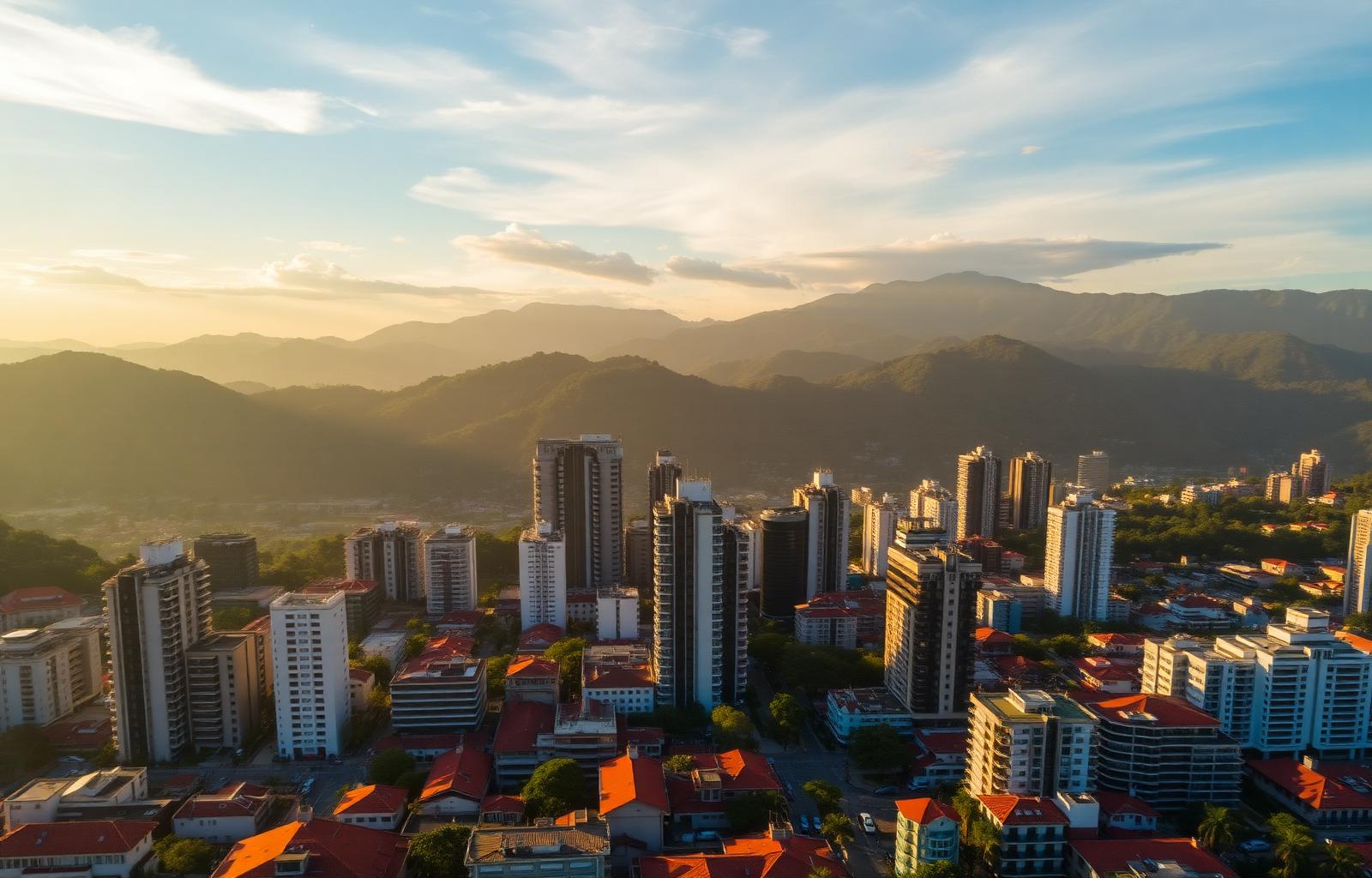
The city that reinvented itself. Eternal-spring weather, world-class coffee, and the nomad capital of the Americas.
- Best time to visit: December-February and July-August (drier months)
- Daily budget (budget traveller): $40 to $80 USD
- Ideal trip length: 5 to 7 days
Medellín is the comeback story of Latin America. The city that was unliveable in the 90s now has cable cars to the hills, world-class coffee, and a nomad community rivalling Lisbon. Joy Plus splits your week between El Poblado for the cafés, Comuna 13 for the history, and a side trip to the coffee region.
Medellín sits at 1,495 metres in a narrow valley, which is why it has the temperature of a permanent April day and the geography of a stadium. In 1991 the city logged 6,349 homicides. Today it runs a spotless Metro, cable cars that double as public transport, and open-air escalators that carry you up a hillside that used to be off limits. The change is real, and locals are proud of it in a way that feels earned rather than marketed. That pride is the best thing about visiting: ask a paisa what they think of their Metro and you will get a ten-minute answer.
The city works best if you treat it as three trips stitched together. Base yourself in Provenza (El Poblado) or Laureles, spend your mornings on the big sights while the sky is clear, and be indoors or on a cable car by 3pm when the afternoon rain usually arrives. Use Metro Line A and B for the backbone, Metrocable Lines K, J and L for the hills, and Uber or inDrive for everything after dark. A tipped walking tour of Comuna 13 on day two or three gives you the context that makes every other neighbourhood make sense. Then add the valley's day trips: Guatapé for the rock and the colours, Santa Fe de Antioquia for colonial streets and real heat.
Be a smart visitor, not a nervous one. The famous rule is no dar papaya: don't hand anyone an opportunity. Phones stay in a front pocket, rides after dark are Uber door to door, and you never accept a drink from a stranger or meet a dating-app match anywhere private. Skip the Pablo Escobar fan tours, which most locals find tasteless, and go to the free Casa de la Memoria instead. Know too that prices in Poblado have climbed with the nomad boom, so Laureles and Envigado are where your pesos stretch furthest and where the city still feels like Medellín rather than a coworking space with a view.
How many days in Medellín?
For Medellín, we recommend 5 to 7 days. With more time, add a day trip to Santa Fe de Antioquia or Coffee finca near Fredonia.
| Trip length | What you'll see | Itinerary |
|---|---|---|
| 2 days | Provenza; El Centro, Botero and tango | Medellín in 2 days |
| 3 days | Adds: Comuna 13 and the cable cars | Medellín in 3 days |
| 4 days | Adds: Parque Arví cloud forest | Medellín in 4 days |
| 5 days · Recommended | Adds: Guatapé and Piedra del Peñol | Medellín in 5 days |
| 7 days · Recommended | Adds: Botanical garden, Laureles and football; Slow morning in Envigado | Medellín in 7 days |
Medellín itinerary
Arrive, settle into Provenza
Morning: Land at MDE, take the official taxi booth (about COP 110,000-140,000) or the airport bus (COP 15,000-20,000) toward Poblado. Drop bags, then buñuelos and a tinto at any panadería, or a flat white at Pergamino.
Afternoon: Walk Provenza along Carrera 37 and Calle 10, then down to Parque Lleras in daylight only. Early almuerzo at a corrientazo spot to reset your body clock.
Evening: Dinner at Carmen on Carrera 36, then rooftop drinks at Envy at Hotel Charlee. Uber home. Altitude and jet lag, so bed by 11pm.
El Centro, Botero and tango
Morning: Metro Line A to Parque Berrío. Plaza Botero's 23 bronze sculptures are free, then the Museo de Antioquia at 10am opening (about COP 30,000). Peek into the Palacio de la Cultura.
Afternoon: Late bandeja paisa at Mondongo's (COP 38,000-48,000). Parque San Antonio for the bird sculpture memorial, then Uber to Cerro Nutibara and Pueblito Paisa for the 5pm light.
Evening: Uber to Salón Málaga for an old-school tango and bolero evening, beer around COP 8,000. Uber back, never walk Centro after dark.
Comuna 13 and the cable cars
Morning: Metro Line B to San Javier, then bus or taxi (COP 8,000-12,000) up to Las Independencias. Do a local-led tour at 9-10am with Casa Kolacho or a tipped Real City Walks group, about COP 60,000-100,000.
Afternoon: Lunch in the barrio, then ride Metrocable Line J from San Javier to La Aurora for the view. It's covered by your Metro fare. Back to Laureles for a slow coffee.
Evening: Dinner on Carrera 70 (La 70), then a salsa lesson at Dancefree (about COP 50,000-80,000) or a street-level bar crawl. Uber home.
Parque Arví cloud forest
Morning: Metro Line A to Acevedo, Line K to Santo Domingo (look down on Parque Biblioteca Santo Domingo Savio, the former Biblioteca España), then Line L cable over the forest to Arví. Closed Tuesdays, so check. Foreigners pay a separate COP 26,700 Line L fare. Arrive by 10am.
Afternoon: Short guided or self-led trail, then lunch at the market stalls (empanadas, chorizo, trout, COP 15,000-25,000). Descend by 3pm before the rain.
Evening: Dinner at OCI.Mde for modern Colombian cooking, then an early night. Tomorrow is a 7am start.
Guatapé and Piedra del Peñol
Morning: Metro to Caribe, walk the bridge to Terminal del Norte, 7am bus to Guatapé (COP 20,000-25,000, about 2 hours). Climb the 740 steps of El Peñol at opening (about COP 30,000).
Afternoon: Tuk-tuk to town, walk the zócalos (painted wall panels) and the Malecón. Lunch on a lake-view terrace, boat tour if the sky is clear.
Evening: Bus back by 6pm, Uber from Caribe. Light dinner in Laureles, early night.
Botanical garden, Laureles and football
Morning: Metro to Universidad for the free Jardín Botánico, then Parque Explora next door if it rains. Coffee in Laureles at Café Velvet.
Afternoon: Walk Primer and Segundo Parque de Laureles, siesta, then an almuerzo ejecutivo. Pick up a bag of local coffee at a tostadora.
Evening: If Atlético Nacional or DIM are home, get a ticket via Tuboleta for the Atanasio Girardot stadium. Otherwise salsa at a club in Provenza.
Slow morning in Envigado, depart
Morning: Metro Line A to Envigado station. Walk the Parque Principal, buñuelos and café, wander the residential streets.
Afternoon: Last lunch at Mercado del Río for a tour of paisa street food in one room. Collect bags.
Evening: Uber to MDE, leave 3.5 hours before an international flight because the Túnel de Oriente jams at rush hour.
Best neighbourhoods
- El Poblado: Where most travellers and nomads stay. Cafés, restaurants, parques.
- Laureles: Local Medellín, grid layout, walkable, about a third cheaper than Poblado.
- Envigado: Quieter, more residential, where nomads move when they stay long-term.
- El Centro: Chaotic, real, museums, the Botero plaza. Visit in daytime.
- Comuna 13: Hillside community turned outdoor museum. Take the official graffiti tour.
Must-do experiences
- Comuna 13 graffiti tour: Go with a local guide, not a generic agency. Mid-morning is best.
- Metrocable to Parque Arví: Cable car up the mountain, hike the cloud forest.
- Plaza Botero + Museum: The fat sculptures, then upstairs into the art museum.
- Salento and a coffee finca (overnight): Too far for a day trip, about 5 to 6 hours each way by bus. Stay a night or two for the wax palms, jeep tours and a finca lunch.
- Ride the Metrocable over the comunas: The city's cable-car lines double as transit and viewpoint. Ride up to Comuna 13 or Parque Arví for sweeping valley views, a glimpse of how Medellín reinvented its hillside barrios.
Hidden gems
- Pueblito Paisa for sunset over the city.
- Mercado del Río for one-stop street food.
- Salón Málaga for an old-school tango bar evening.
- Café Pergamino for the best flat white in the city.
Daily budget
- Accommodation: budget COP 55,000-100,000 / night (hostel dorm), mid-range COP 280,000-480,000 (boutique double or Airbnb 1BR), splurge COP 800,000+ (InterContinental, Hotel Charlee). Foreign tourists are exempt from the 19% IVA on hotel stays. Show your passport entry stamp at check-in. Laureles apartments cost about a third less than Poblado.
- Food: budget COP 50,000-80,000 / day (menú del día + arepas), mid-range COP 130,000-200,000 (one nice dinner), splurge COP 500,000+ (El Cielo tasting menu). Almuerzo ejecutivo (soup, main, juice) is COP 16,000-25,000 outside Poblado, the local hack. Arepa de chócolo from a street cart is COP 6,000-8,000.
- Transport: budget COP 12,000-20,000 / day (Metro + Metrocable), mid-range COP 40,000-70,000 (Metro + a few Ubers), splurge COP 450,000+ (private driver to Guatapé). Metro fare is about COP 4,400 a ride and includes Metrocable Lines K and J. Poblado to Laureles by Uber is COP 12,000-20,000. Don't rent a car.
- Activities: budget COP 20,000-60,000 / day (free sights + tipped tours), mid-range COP 100,000-200,000 (Comuna 13 tour, Guatapé, Arví), splurge COP 500,000+ (paragliding at San Félix, private guide). Plaza Botero statues, Pueblito Paisa, the Jardín Botánico and the Comuna 13 escalators are free. Walking tours run on tips, COP 30,000-50,000 is normal.
- Drinks & nightlife: budget COP 20,000-40,000 (tienda beers, aguardiente), mid-range COP 100,000-180,000 (Provenza cocktail night), splurge COP 350,000+ (rooftop bar + club table). A beer is COP 4,000-6,000 at a tienda, COP 8,000-12,000 in Laureles bars, COP 15,000-20,000 in Parque Lleras. Cocktails in Provenza are COP 30,000-45,000.
Where to stay
- Social hostel in El Poblado (Provenza) (COP 55,000-110,000 / night): Los Patios Hostel, terraces, mixed dorms and privates, tours and activities on the calendar. Walk to the best cafés. Wandering Paisa is the alternative if you'd rather be in Laureles.
- Boutique hotel in El Poblado (Provenza) (COP 380,000-750,000 / night): Hotel Click Clack or Hotel Charlee, design-led rooms, rooftop bars, a short walk to Carmen and Pergamino.
- Apartment in Laureles (Segundo Parque or Carrera 70) (COP 200,000-380,000 / night): A furnished one-bedroom with fiber wifi and a balcony, 25-35% cheaper than Poblado. Steps from the Estadio Metro station and the La 70 restaurant strip.
- Splurge in El Poblado (Milla de Oro) (COP 750,000-1,500,000 / night): InterContinental Medellín or Hotel Dann Carlton, pools, skyline views, concierge-booked Guatapé and finca drivers.
What to eat
- Bandeja paisa (the once-per-trip Colombian feast)
- Arepa de chócolo with cheese, anywhere
- Sancocho at a Sunday lunch spot
- Buñuelos for breakfast
Day trips
- Guatapé and Piedra del Peñol (2 hours by bus): A 200m granite monolith with 740 steps to a panoramic view over a reservoir of islands, then a town of painted zócalos on every wall. Go to the rock at opening and the town after lunch. Metro to Caribe, walk to Terminal del Norte, buses every 30-60 minutes from 6am, COP 20,000-25,000 each way. El Peñol entry is about COP 30,000. Tuk-tuks between rock and town are COP 10,000-15,000.
- Santa Fe de Antioquia (1h45 by bus): A colonial town with stone streets, 30°C heat and an iron suspension bridge, the Puente de Occidente, completed in 1895. Better for a slow lunch than a busy day. Buses from Terminal del Norte every 30 minutes, about COP 20,000 each way. Moto-taxi from the town to the bridge in Olaya, 10 to 15 minutes.
- Coffee finca near Fredonia (1h15 by road): Working coffee farms on steep hills, with a picking, roasting and cupping session. Salento is the famous coffee town but it is 6 hours by road and best done as a 2-night trip via a flight to Pereira or Armenia, not a day. Small-group tours from Poblado run COP 220,000-300,000 with transport and lunch. Self-drive: Terminal del Sur buses to Fredonia are about COP 15,000, then a jeep or moto to the finca.
When to visit
- Dry season (December - February): 18-29°C, sunny mornings, short showers, cool evenings. Crowds: Heavy over Christmas and early January, moderate in February. Great weather and the Alumbrados Christmas lights over the river, but hotel prices jump. February is the sweet spot.
- Spring rains (March - May): 17-27°C, daily afternoon downpours, April and May are wettest. Crowds: Low, bump around Semana Santa. Cheapest beds and empty sights. Do everything before 2pm and carry a rain shell.
- Mid-year dry (June - August): 17-28°C, sunshine, breezy, the best views of the year. Crowds: Moderate, very heavy during Feria de las Flores in early August. The single best window. Book 6 to 8 weeks ahead if you want the Desfile de Silleteros.
- Autumn rains (September - November): 17-27°C, October is the wettest month, heavy afternoon storms. Crowds: Low. Quiet and green, good for long stays. Guatapé views suffer and Arví can be fogged in.
Entry rules for your passport
Visa rules for Colombia depend on the passport you travel on. Check the official source before you book: Migración Colombia
Getting there
José María Córdova International Airport (MDE) is in Rionegro, about 35km and 45 to 60 minutes from El Poblado via the Túnel de Oriente. Official taxis from the airport counter run about COP 110,000 to 140,000 flat. Uber, Cabify and inDrive usually cost COP 90,000 to 130,000 but airport pickups can be restricted, so check the pin. A shuttle bus to central Medellín is about COP 15,000 to 20,000 in cash, and runs every 15 to 30 minutes. Olaya Herrera (EOH), 10 minutes from Poblado, handles regional flights only. Domestic flights from Bogotá take about an hour and from Cartagena about 1h15, from around COP 150,000 to 300,000. Most nationalities get 90 days visa-free on arrival, but Canadians must also pay an entry fee (by card at immigration, or online beforehand to avoid delays) and can be refused entry without it.
Getting around
The Metro and Metrocable are clean, cheap and a tourist sight in themselves. Use Uber (technically grey-area but works) or Cabify for everything else. Walking is fine in Poblado and Laureles.
Safety
Massively improved, but stay aware. Use Uber at night, never accept drinks from strangers (scopolamine is real), keep your phone off the table at outdoor cafés. The famous local phrase is 'no dar papaya', don't give an opportunity.
Solo travel tips
- Pick your barrio on purpose: Provenza is the social base, Laureles is the calm local one, and Envigado is where long-stayers settle. Don't base yourself in Centro. Day-trip it, leave before dark, and go back to your own side of town.
- Hostel pick: Los Patios or Wandering Paisa: Los Patios sits in Poblado with a rooftop, mixed dorms and daily activities, easy to meet people without forced pub crawls. Wandering Paisa is in Laureles, with free salsa classes and language exchanges. Tinkko has a coworking space if you're working remotely.
- Take a tipped walking tour on day one: Real City Walks and Casa Kolacho tours run daily and fill with solos. You get the history, a guide who knows which corners to avoid, and a group to grab a beer with afterwards.
- Run the no dar papaya rulebook: Phone out in doorways only, Uber from door to door after dark, never accept a drink you didn't watch being poured. Scopolamine is real. Meet dating-app matches in busy daytime cafés, never at your place or theirs.
- Solo female travellers: Poblado and Laureles are comfortable for women alone, though street catcalling is common and best ignored. Share Uber trips with a friend, use women-only dorms, avoid walking Parque Lleras late, and watch your drink in clubs.
- Find your tribe at coworkings and Sunday Ciclovía: Tinkko and Atom House sell day passes (about COP 40,000-90,000) and have community events. On Sundays and holidays Ciclovía closes major roads to cars until about 2pm, with bike rentals and a very social crowd.
Cultural etiquette
- Follow Cultura Metro. Let people off first, don't eat or drink on the train, don't put feet on seats and stand to the right on escalators. Locals are fiercely proud of their Metro and notice.
- Skip the Pablo Escobar fan tours and the Narcos T-shirt. For most paisas that period was a trauma, not a brand. Go to the free Casa de la Memoria instead.
- Tipping is propina voluntaria, a suggested 10% often already on the bill. You can decline it, but the standard is to accept. Don't tip taxis or Uber.
- Greet with 'buenas' on entering shops and cafés, and use 'usted' with strangers and older people. 'Con mucho gusto' and 'qué pena' (sorry/excuse me) go a long way.
- Don't buy cocaine in Poblado. It's illegal, tourists get set up, and locals are tired of what that demand has done to their city.
- Photograph people and Comuna 13 residents politely. Many murals are on private walls and homes, so ask, and buy something from the artists and stalls.
- 'Ahorita' can mean in a minute or in a month. Be on time for tours, but expect social plans to run 30 minutes late.
Frequently asked questions
How many days do you need in Medellín?
Five days covers El Poblado, Laureles, a Comuna 13 graffiti tour, the Metrocable and a day in Guatapé. Seven days lets you add a coffee finca stay in Salento or Jardín, which is the trip most visitors say they wish they had booked.
Is Medellín safe in 2026?
Much safer than its reputation, but stay sharper than in an average Western city. Stick to El Poblado, Laureles and Envigado, use Uber at night, never 'dar papaya' (flash valuables), and be cautious with dating apps and drinks from strangers.
Is Medellín good for digital nomads?
One of the top 3 in the Americas. Eternal-spring weather, fast wifi in Poblado, low cost of living, huge nomad community. The downside: it's getting more expensive every year.
Why is Medellín called the City of Eternal Spring?
Its altitude gives a mild 17-29°C year-round, no real winter or summer, just warm days and cool evenings. That spring-like climate is a big reason it's become a nomad and expat magnet.
Where should I stay in Medellín?
El Poblado for nightlife, restaurants and a polished, tourist-friendly base; Laureles for a more local, leafy and lower-key neighbourhood feel. Both are safe and well connected to the metro.
When is the best time to visit Medellín?
December-February and July-August (drier months) is the sweet spot for weather and crowds. Shoulder season brings lower prices and easier bookings, while peak months mean higher accommodation costs and longer queues at the best known sights, so book early if you travel then.
How much does a solo trip to Medellín cost?
Budget on roughly $40-$80 USD per day in Medellín as a solo traveller. That covers a hostel bed or simple room, local food, getting around and a couple of paid sights. Mid-range comfort with private rooms, sit-down dinners and the odd tour runs closer to double, while shoestring travellers who cook and stick to street food can come in under it.
How do you get around Medellín?
The Metro and Metrocable are clean, cheap and a tourist sight in themselves. Use Uber (technically grey-area but works) or Cabify for everything else. Walking is fine in Poblado and Laureles.
Is there an entry form for Colombia?
Yes. Air travellers are asked to complete the free Check-Mig form on the Migración Colombia website before flying in, and again before flying out, between 72 hours and 1 hour before the flight. The immigration authority now describes it as recommended rather than compulsory, but airlines often ask for it at check-in, so complete it. Beware of lookalike sites that charge a fee.
More about Medellín
- Medellín Digital Nomad Guide 2026: Visa, Neighbourhoods, Costs and Safety
- Mexico City vs Medellín for Digital Nomads: Which Base Suits You in 2026?
Tours and activities in Medellín | Medellín in 2 days | Medellín in 3 days | Medellín in 4 days | Medellín in 5 days | Medellín in 7 days | Day trip to Guatapé
Can't decide? Compare Medellín with...
Joy Plus home | Destinations | Itineraries | Activities | Flights | Budget planner | Calendar | Map | Blog | Lifetime access