Destinations / Europe
Poznań, Poland travel guide
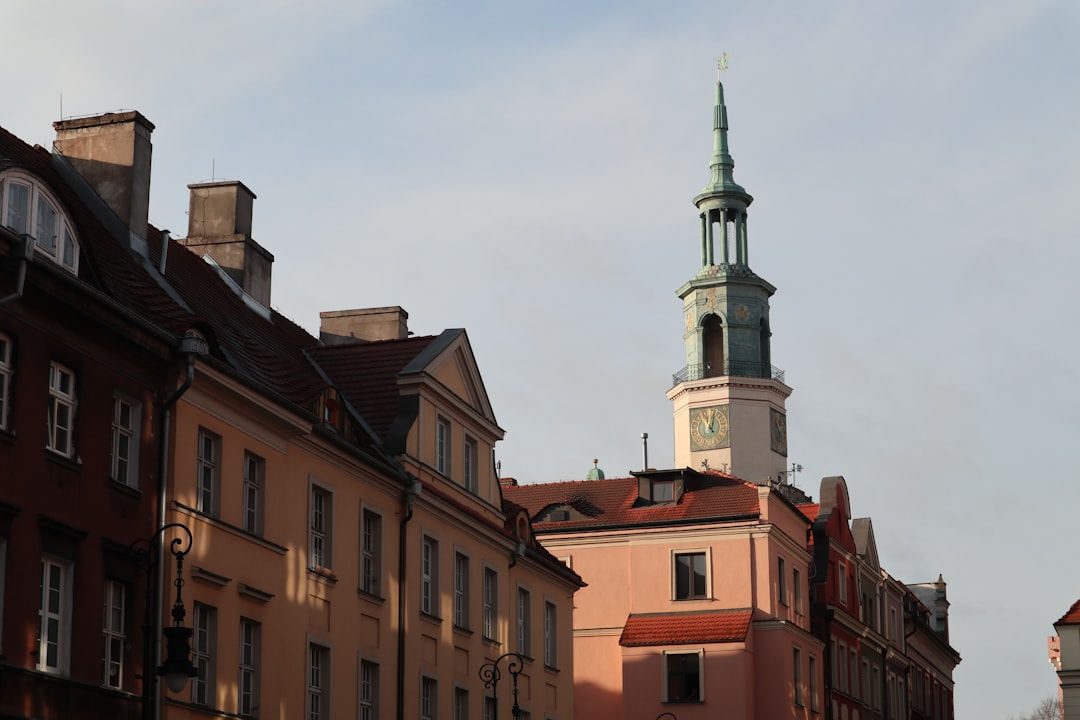
One of Poland's oldest cities: a technicolour Renaissance square, croissant traditions and butting goats at noon.
- Best time to visit: May-June and September
- Daily budget (budget traveller): $70 to $130 USD
- Ideal trip length: 2 to 3 days
Poznań is where Poland began, on the cathedral island of Ostrów Tumski, and its Old Market Square is one of the most colourful in Central Europe, complete with mechanical goats that headbutt above the town hall at noon. Beyond it sit a monumental Prussian district, the Enigma-cracking story of local mathematicians, the reinvented Stary Browar brewery and lake beaches on the city's edge.
Poznań is where Poland started. In the 960s Mieszko I built a stronghold on Ostrów Tumski, the river island east of the centre, and the first Piast rulers still lie in the cathedral crypt. Everything else here sits on top of that. Prussian rulers renamed the city Posen and gave it a monumental castle and ring boulevards. Local mathematicians Rejewski, Różycki and Zygalski cracked Enigma in 1932. The city's 1918 uprising and the 1956 workers' protests are both remembered here. Yet most visitors fly past on the way to Kraków or Gdańsk, so you get a proper city of about 540,000 people instead of a theme park.
The headline act is the Stary Rynek, a square of pastel merchant houses around a Renaissance town hall. At noon two mechanical goats pop out above the clock and butt heads twelve times while a crowd filters in from the terraces. Come hungry. This is the home of the rogal świętomarciński, the protected St Martin's croissant stuffed with white poppy seed paste, and of pyry z gzikiem, potatoes with curd cheese that locals defend like a religion. The craft beer scene is serious, anchored by brewery-restaurants like Brovaria on the square. Prices run well below Kraków or Warsaw: a milk-bar lunch costs about 25 to 35 zł and a good restaurant dinner with a beer lands around 90 to 130 zł.
Poznań runs on a schedule, which is why a plan helps. The goats are at 12:00, the Croissant Museum shows are timed and need booking, and several museums close on Mondays. Most shops shut on Sundays under Poland's trading ban, Stary Browar included. The big trap is the trade fair calendar. When the Międzynarodowe Targi Poznańskie fills the fairgrounds, hotel rates can double or triple, so check dates before you book. Pick your window well (May to June, September, or mid-November for St Martin's Day) and two to three days covers it. Add a train to Gniezno or Toruń and you will have seen more of the Polish origin story than most people who visit Kraków.
How many days in Poznań?
For Poznań, we recommend 2 to 3 days. With more time, add a day trip to Toruń or Wielkopolska National Park.
| Trip length | What you'll see | Itinerary |
|---|---|---|
| 2 days · Recommended | First lap of the Rynek; Goats, croissants and Stary Browar | Poznań in 2 days |
| 3 days · Recommended | Adds: Ostrów Tumski and Śródka | Poznań in 3 days |
| 4 days | Adds: Imperial Castle, Enigma and Citadel Park | Poznań in 4 days |
| 5 days | Adds: Lake Malta | Poznań in 5 days |
| 7 days | Adds: Gniezno day trip; Łazarz | Poznań in 7 days |
Poznań itinerary
Arrive, settle, first lap of the Rynek
Morning: Land at Poznań-Ławica (POZ). Take bus 159 toward the centre (about 20 min), or a Bolt for 35-55 zł. Drop bags, then coffee on Stary Rynek.
Afternoon: Walk the square: the Town Hall, the Pręgierz pillory, the Proserpina fountain and the Weigh House. Cut through Wielka to Plac Wolności.
Evening: Dinner at Brovaria on Stary Rynek 73, try the house beers and duck. Bed early, tomorrow is timed.
Goats, croissants and Stary Browar
Morning: Be on the Rynek at 11:45 for the noon goats at the Town Hall. Then go inside for the Museum of the History of Poznań and its Renaissance halls.
Afternoon: Book the Croissant Museum show (Stary Rynek 41, about 45 min). Walk to Stary Browar on Półwiejska for the rooftop terrace and art space.
Evening: Tram to Jeżyce for dinner on ulica Kościelna, then beers in a local pub. Skip shopping if it's Sunday, most shops are closed.
Ostrów Tumski and Śródka
Morning: Cross the Warta to the cathedral island. Visit the cathedral, the Golden Chapel and the crypts of the first Piast rulers. Next door, spend 90 minutes at Porta Posnania.
Afternoon: Walk into Śródka for the murals and bakeries. A rogal here is cheaper and fresher than on the Rynek.
Evening: Back on the Rynek for pyry z gzikiem and czernina at a Wielkopolska restaurant. Walk Wrocławska for one drink.
Imperial Castle, Enigma and Citadel Park
Morning: Walk Święty Marcin to Plac Mickiewicza and the Imperial Castle. Look for the 1956 memorial crosses, then visit the Enigma Cipher Centre (closed Mondays, check hours).
Afternoon: Tram to Cytadela Park, a vast green space with military museums and cemeteries. Easy and free.
Evening: Arthouse film at Kino Muza on Święty Marcin, then dinner in Jeżyce.
Lake Malta
Morning: Tram toward Malta (use Jakdojade). Walk the lake loop, rent a kayak or pedal boat, or ride the narrow-gauge Maltanka in season.
Afternoon: Termy Maltańskie thermal baths (from about 70 zł for 3 hours) or the summer beach. In winter, Malta Ski has a slope.
Evening: Back in town, long dinner at a Śródka or Rynek terrace. Sunset beers on the river.
Gniezno day trip
Morning: Regional train from Poznań Główny to Gniezno, about 50 min and 20-30 zł. Visit the cathedral and its Romanesque bronze doors from about 1175.
Afternoon: Lunch on the old square, then wander the lakeside. If you have time, a taxi to Ostrów Lednicki, the early Piast island fort.
Evening: Train back, easy dinner in Poznań. Drinks at Brovaria or a Wielka bar.
Slow morning, Łazarz, depart
Morning: Coffee and a last rogal, then wander Rynek Łazarski market hall for local snacks.
Afternoon: Last stroll on the Rynek or Plac Wolności. Pick up gifts at Stary Browar (unless it's Sunday).
Evening: Bus 159 or a Bolt to POZ, or train from Poznań Główny.
Best neighbourhoods
- Stary Rynek (Old Market Square): Painted merchant houses, the Renaissance town hall and terrace cafes.
- Ostrów Tumski: The cathedral island where Poland's first kings were buried.
- Śródka: A small district over the bridge with murals, cafes and the Porta Posnania centre.
- Imperial Castle district (Zamek): Prussian-era boulevards, the culture centre and the Enigma museum.
- Jeżyce & Łazarz: Tenement neighbourhoods with the best-value food and local nightlife.
Must-do experiences
- Watch the noon goats: See the mechanical goats butt heads above the town hall at 12pm sharp, and usually again at 3pm.
- Poznań Croissant Museum: Join the hands-on show explaining the protected St Martin's croissant.
- Ostrów Tumski & Porta Posnania: Visit the cathedral crypts and the multimedia centre on Poland's origins.
- Enigma Cipher Centre: Learn how Poznań mathematicians first broke the German Enigma code.
Hidden gems
- The Golden Chapel in the cathedral, a memorial to Poland's first rulers, and the crypt beneath it.
- Stary Browar, a Prussian brewery turned award-winning arts and shopping complex.
- Lake Malta and its year-round ski slope and summer beach on the eastern edge.
- Poznań's Fort VII, a sobering Nazi-era camp site now a museum.
Daily budget
- Accommodation: budget 80-140 zł / night (hostel dorm), mid-range 350-550 zł (boutique double), splurge 700+ zł (Blow Up Hall 5050, Sheraton). Fair weeks (MTP) can double or triple rates. Check the Poznań fair calendar before you book anything.
- Food: budget 70-100 zł / day (milk bars, bakeries, Żabka), mid-range 140-220 zł (one sit-down dinner), splurge 400+ zł (multi-course dinner with wine). Lunch sets (zestaw obiadowy) run 25-40 zł. A rogal costs 8-15 zł at a proper bakery.
- Transport: budget About 20 zł (24h ticket, zone A), mid-range 30-60 zł (transit + Bolt), splurge 250+ zł (private driver to Gniezno and Lednica). Old Town and the cathedral island are walkable. Buy tickets in the Jakdojade or mPay app. Don't rent a car.
- Activities: budget 20-40 zł (Rynek, cathedral island walk, one cheap museum), mid-range 80-130 zł (Croissant Museum show, Enigma Centre, Porta Posnania), splurge 200+ zł (Termy Maltańskie plus a private guide). Several city museums have a weekly free-entry day, usually Saturday. Check before paying.
- Drinks & nightlife: budget 20-30 zł (two craft beers or a kompot and a shot), mid-range 70-120 zł (Brovaria flight plus a Wrocławska bar crawl), splurge 200+ zł (hotel bar cocktails and a late club). Craft beer 0.5l runs 15-22 zł, a wódka shot 8-15 zł. Streets around Wrocławska, Wielka and Żydowska stay busy till 2am.
Where to stay
- Social hostel in Stary Rynek / Old Town (80-140 zł / night): Old Town hostels put you steps from the goats, bars and tram links. Mixed dorms and privates, easy social scene.
- Boutique hotel in Stary Rynek / Plac Wolności (350-550 zł / night): Brovaria (rooms above its own brewery) or the historic Hotel Bazar on Plac Wolności. Character, location, and decent breakfast.
- Apartment in Jeżyce (220-380 zł / night): Tenement flats with high ceilings near Rynek Jeżycki and the best cheap restaurants. Best value for 4+ nights, 15 min by tram to the Rynek.
- Splurge in Centrum (700-1,200 zł / night): Blow Up Hall 5050, an art-and-design hotel about ten minutes' walk from the Old Market, with a serious restaurant and bar. The Sheraton is a safer, bigger-chain option near the fairgrounds.
What to eat
- Rogal świętomarciński, the protected St Martin's croissant
- Pyry z gzikiem, potatoes with curd cheese and cream
- Czernina and Poznań-style duck with dumplings
- Local craft beer and Wielkopolska rye vodka
Day trips
- Gniezno (50km, about 50 min by train): Poland's first capital, with a cathedral whose Romanesque bronze doors date from about 1175. Compact, calm and a natural pair to Poznań's origin story. Regional trains from Poznań Główny, around 20-30 zł each way, roughly every hour.
- Toruń (About 150km, 2h to 2h30 by train): UNESCO Gothic brick old town, Copernicus's birthplace and the famous gingerbread. Long as a day trip, better with a night. Direct trains from Poznań Główny, about 45-80 zł depending on service. Book early on weekends.
- Wielkopolska National Park (Puszczykowo) (About 20km, 25 min by train): Forest trails, glacial lakes and a quiet walking day. Good escape if the city feels busy or the fair is in town. Regional train from Poznań Główny to Puszczykowo, then walk marked trails to Lake Góreckie.
When to visit
- Spring (April - June): 10-22°C, fresh mornings, occasional rain. Crowds: Building, comfortable. Best window. Terraces on the Stary Rynek reopen, parks are green, and the trade fair calendar is manageable if you check dates.
- Summer (July - August): 22-30°C, occasional thunderstorms. Crowds: Moderate, local holiday season. Good for Lake Malta and long evenings. The city empties of locals in August, which means quiet streets and easy tables.
- Autumn (September - November): 8-20°C, golden light, grey by November. Crowds: Low to moderate. The locals' favourite. September is warm and calm. Aim for 11 November to eat rogale at the St Martin's Day street festival.
- Winter (December - March): -4 to 5°C, dark, icy pavements. Crowds: Low, spikes at the Christmas market. Cheapest outside fair weeks and cosy, but the days are short. The December market on Plac Wolności and the Rynek is worth the layers.
Entry rules for your passport
Visa rules for Poland depend on the passport you travel on. Check the official source before you book: European Commission: Schengen visa policy
Getting there
Poznań-Ławica airport (POZ) is about 7km west of the centre. Bus 159 runs into town in roughly 20 min on a standard city ticket, and a Bolt or FreeNow to the Old Town is 35-55 zł. By rail, Poznań Główny station is the hub: Warsaw is 2h30 to 3h on Intercity (about 80-140 zł), Berlin is just under 3h on the direct EuroCity, and Wrocław takes about 2h. Buses from Flixbus are cheaper but slower. Avoid unmarked taxis outside the station, use apps. If you arrive during a trade fair, book transport and hotels well ahead.
Border checks: non-EU visitors (other than Swiss, Norwegian, Icelandic, Liechtenstein, Andorran, Monegasque, San Marinese and Vatican citizens, and holders of an EU residence permit or long-stay visa) are registered in the EU's Entry/Exit System (EES) instead of getting a passport stamp. On your first crossing, officers take your photo and/or fingerprints, so allow extra time at passport control. ETIAS, the planned travel authorisation, is not in operation yet, so don't pay any website for one.
Getting around
Poznań-Ławica airport is 15 minutes from the centre, and trains reach Warsaw in about 2h30 and Berlin in under three hours. The old town and cathedral island are walkable, and a dense tram and bus network covers Lake Malta, Jeżyce and the fair grounds cheaply. Trains handle day trips to Gniezno, Toruń and the Wielkopolska lake district.
Safety
Poznań is safe, with drunken behaviour around the Old Market late at night and occasional pickpocketing the main concerns. Match-day crowds near the stadium are best avoided, and unlicensed taxis outside clubs overcharge, so use apps. Winters are cold, dark and icy underfoot, and international trade fairs can triple hotel prices with almost no notice.
Solo travel tips
- Eat at the bar: Brewery restaurants and Jeżyce pubs have counters. Order a beer flight, ask the bartender what the Wielkopolska special is, and you will usually find someone to chat to within ten minutes.
- Be at the goats at 11:45: The Town Hall crowd is a good place to meet other solos. Say hello, then follow up with the 12:00 Croissant Museum slot the same day.
- Learn three Polish words: Dzień dobry (hello), dziękuję (thank you) and poproszę (I'd like). Under-40s speak English, but older shopkeepers and bakery staff appreciate the effort.
- Solo female travellers: Poznań is safe. Standard rules apply: watch your drink in bars around Wrocławska, use Bolt or FreeNow instead of unmarked cabs outside clubs, and avoid empty park paths late at night.
- Find your tribe at Lake Malta or a rogal workshop: Kayaking and group yoga at the lake in summer, plus the hands-on Croissant Museum show, are easy places to land a conversation. Jeżyce's cafes are laptop-friendly and chatty.
Cultural etiquette
- Say dzień dobry when entering a shop, bakery or restaurant. Not greeting staff comes across as rude.
- Tipping is 10% at sit-down restaurants, usually added in cash or by card. Round up at cafes and bars, no tip for taxis beyond rounding.
- Most shops close on Sundays under Poland's trading ban. Plan souvenirs and groceries for Saturday, or use Żabka convenience stores, which stay open through a loophole.
- Remove shoes if invited into a Polish home. Bring flowers (odd numbers only) or a small gift.
- When toasting, say na zdrowie and make eye contact. Do not clink glasses across someone else's arm.
- Dress modestly in churches, including the cathedral on Ostrów Tumski. Keep voices low, and ask before photographing services.
- Order a rogal as a local: stand at the bakery counter and eat it fresh. St Martin's Day (11 Nov) is the peak, and locals are fiercely proud of the protected recipe.
Frequently asked questions
How many days do you need in Poznań?
Two days covers it: one for the Old Market Square, the noon goats, the croissant show and Stary Browar, and one for Ostrów Tumski, Porta Posnania, the Imperial Castle district and the Enigma Centre. A third day suits Lake Malta or a train trip to Gniezno or Toruń.
Is Poznań worth visiting?
Yes. It has one of Central Europe's most striking market squares, the cathedral island where the Polish state began, a genuinely good food and craft beer scene, and prices well below Kraków or Warsaw. It also draws far fewer tourists, so it feels like a real working city.
What is Poznań famous for?
The mechanical goats that butt heads on the town hall at noon, the protected St Martin's croissant, being one of Poland's oldest cities and its first capital region, hosting the country's biggest trade fairs, and the Poznań mathematicians who first broke the Enigma cipher in the 1930s.
How do you get to Poznań?
Poznań-Ławica airport handles flights from across Europe and sits 15 minutes from the centre by bus or taxi. Trains take about 2h30 from Warsaw, around three hours from Berlin and 2h30 from Wrocław. Buses are cheaper but slower, and the A2 motorway makes driving from Warsaw or Berlin straightforward.
When is the best time to visit Poznań?
May, June and September bring mild weather and full outdoor terraces on the Stary Rynek. Mid-November is worth targeting for St Martin's Day and its croissants, and December for the Christmas market. Avoid major trade fair weeks, when hotel prices spike sharply, and expect cold, grey winters otherwise.
Is Poznań cheap?
Yes. Budget about $70 to $130 a day. A milk-bar or bistro lunch runs under $10, restaurant mains with a beer around $15, trams cost roughly a dollar a ride, and museum entry is low. The only real cost spikes come during international trade fairs and New Year.
Is Poznań better than Wrocław or Kraków?
Kraków has the bigger heritage draw and the most tourists; Wrocław is the closest comparison with its own colourful square and dwarf hunt. Poznań is the least touristy of the three, strongest on origins-of-Poland history and food traditions, and the best value if you want a real city rather than a set piece.
More about Poznań
Tours and activities in Poznań | Poznań in 2 days | Poznań in 3 days | Poznań in 4 days | Poznań in 5 days | Poznań in 7 days
Can't decide? Compare Poznań with...
Joy Plus home | Destinations | Itineraries | Activities | Flights | Budget planner | Calendar | Map | Blog | Lifetime access