Destinations / Europe
San Sebastián, Spain travel guide
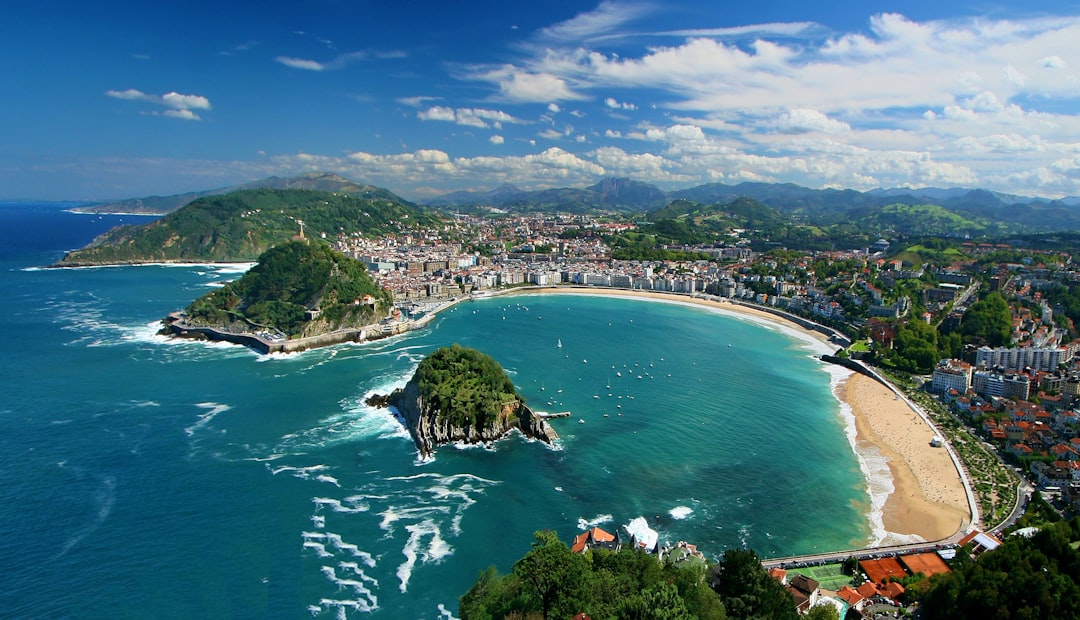
Pintxos bars, a perfect crescent beach, and one of the highest counts of Michelin stars per head on earth.
- Best time to visit: May-June and September (warm, fewer crowds)
- Daily budget (budget traveller): $90 to $150 USD
- Ideal trip length: 3 to 4 days
San Sebastián wraps a flawless city beach inside green Basque hills and then feeds you better than almost anywhere on the planet. The old town's pintxos bars are a moveable feast, the surf rolls in at Zurriola, and the whole place is small enough to do on foot. Joy Plus builds the pintxos crawl in the right order, slots the beach and the hill climbs, and tells you which cider houses outside town to book.
San Sebastián (Donostia in Basque, and you will see both on every sign) is a city of about 190,000 people with three Michelin three-star restaurants inside its own limits or a short drive away, and a bay so perfectly curved it looks like a municipal planning error. La Concha is a flat, calm, golden crescent with a promenade, wrought-iron railings and a tiny island in the middle. Monte Urgull and Monte Igueldo hold it like two hands. The old town, the Parte Vieja, sits at the eastern end, and its bars do one thing better than almost anywhere in Europe: they put a single, perfect bite in front of you and expect you to leave after ten minutes.
That is the whole system. You do not sit down. You stand at the counter, ask for a small glass of txakoli poured from a height (€2.50 to €3.50) or a zurito (a mini beer, about €2), and order the bar's thing. At Bar Nestor it is the tortilla, which comes out of the kitchen at about 1pm and 8pm and sells out in minutes. At La Cuchara de San Telmo it is the braised veal cheek, at Goiz Argi the grilled prawn skewer, at Borda Berri the carrillera and the risotto, at La Viña the burnt Basque cheesecake that every other city has copied. Cold pintxos on the counter run €3 to €4.50, hot ones cooked to order from the chalkboard are €4 to €8. Do four or five bars in an evening and you have eaten better than at most sit-down restaurants, for €35 to €45.
The rest of the city is easy and slightly smug about it. Gros, across the Urumea river, has Zurriola beach, surf schools and the cheaper, less touristy bars. Antiguo is where locals live, at the foot of Igueldo. Everything is walkable, a bus ride is about €1, and the Basque coast is on your doorstep: Getaria for grilled turbot and txakoli, Hondarribia and Pasaia for fishing-village colour, Astigarraga for the cider-house season from roughly January to April. Pack a rain jacket, because this is the green Basque Country and it rains in every month, then plan the days around lunch and dinner, not the weather.
How many days in San Sebastián?
For San Sebastián, we recommend 3 to 4 days. With more time, add a day trip to Bilbao.
| Trip length | What you'll see | Itinerary |
|---|---|---|
| 2 days | La Concha and first pintxos; Parte Vieja, Monte Urgull and the Calbetón crawl | San Sebastián in 2 days |
| 3 days · Recommended | Adds: Gros, Zurriola and surf | San Sebastián in 3 days |
| 4 days · Recommended | Adds: Peine del Viento, Monte Igueldo and txuleta | San Sebastián in 4 days |
| 5 days | Adds: Getaria day trip | San Sebastián in 5 days |
| 7 days | Adds: Pasaia and Hondarribia; Basque cheesecake | San Sebastián in 7 days |
San Sebastián itinerary
Arrive, La Concha and first pintxos
Morning: Take the Lurraldebus DO04 coach from Bilbao airport (BIO) straight to the Donostia bus station (about 1h20, €13.65 or €5.46 with a Mugi card), or Euskotren from Hendaye to Amara. Drop bags, then pastries and a coffee at Pastelería Otaegui in the Parte Vieja.
Afternoon: Walk the full La Concha promenade from the Parte Vieja to Ondarreta (about 3km, easy, flat). Swim if it is warm, sit on the wall if it is not.
Evening: Pintxos on and around Calle 31 de Agosto: Bar Nestor (one street over, on Calle Pescadería) for the 8pm tortilla and tomato salad (queue 20 minutes early), Gandarias for the solomillo, A Fuego Negro for something modern. End with a cheesecake slice at La Viña.
Parte Vieja, Monte Urgull and the Calbetón crawl
Morning: Mercado de la Bretxa (closed Sundays) for produce and a coffee. Walk through Plaza de la Constitución and the Basílica de Santa María del Coro. Climb Monte Urgull, free, 30 to 40 minutes, to the Castillo de la Mota and the Sagrado Corazón statue.
Afternoon: Lunch at Ganbara on San Jerónimo: wild mushrooms and, in season, sea urchin. Siesta on the sand at La Concha.
Evening: Fermín Calbetón crawl: Borda Berri for the veal cheeks and risotto, Goiz Argi for the grilled prawn skewer, then a short walk to La Cuchara de San Telmo on Calle 31 de Agosto for the foie and pork ear. One pintxo and one small drink per bar, then move on.
Gros, Zurriola and surf
Morning: Book a 2-hour group lesson at Zurriola (Pukas Surf Eskola is based here), about €45 with wetsuit. Go first slot, the wind is lighter and the crowds smaller.
Afternoon: Late lunch in Gros at Bergara, a local institution. Walk the Kursaal and the river mouth.
Evening: Sunset on Zurriola's sea wall, then Gros bars along Calle Zabaleta. Cheaper and less touristy than the old town.
Peine del Viento, Monte Igueldo and txuleta
Morning: Dbus line 16 or a walk through Antiguo to Chillida's Peine del Viento, the three steel sculptures anchored into the rocks at the foot of Igueldo. Come at high tide for the spray.
Afternoon: Ride the 1912 funicular up Monte Igueldo (€5.50 return, park entry included) for the full bay panorama and the old amusement park. Coffee on the terrace.
Evening: Share a txuleta (aged Basque rib steak) at Casa Urola on Fermín Calbetón, about €35-50 each with wine. Book ahead.
Getaria day trip
Morning: Lurraldebus coastal bus to Getaria (about 40 minutes, around €3-4). Walk the harbour and the Cristóbal Balenciaga Museoa (about €14, closed Mondays except in July and August, and Tuesdays too from November to March).
Afternoon: Lunch at Elkano (1 Michelin star, grilled turbot, book weeks ahead, from about €100 per person) or fish grilled on the street near the port. Tour and tasting at Txomin Etxaniz winery.
Evening: Bus back, light pintxos in Gros, early night.
Pasaia and Hondarribia
Morning: Lurraldebus to Pasai San Pedro, then the 2-minute boat across to Pasai Donibane (about €1). Walk to Victor Hugo's house on the harbour.
Afternoon: Lurraldebus to Hondarribia. Walk the walled upper town and the fishing quarter, then grazing along Calle San Pedro (known as the pintxos street).
Evening: Back to Donostia. Dinner at Gandarias or Casa Alcalde, or if it is January to April, switch this day for a cider-house lunch in Astigarraga at Petritegi (about €40-50 with unlimited cider).
Slow morning, Basque cheesecake, depart
Morning: Mercado de San Martín for last-minute cheese and txakoli. Coffee and a final cheesecake slice at La Viña (around €6).
Afternoon: One last walk on La Concha, pick up Basque cheese or anchovies from the market. Lurraldebus DO04 coach to Bilbao airport or Euskotren to Hendaye.
Evening: Depart. If your flight is late, squeeze in one more Gilda and a txakoli at Bar Txepetxa.
Best neighbourhoods
- Parte Vieja: The old town: the densest, best pintxos bars in the Basque Country.
- Gros: Younger, surf-focused, facing Zurriola beach across the river.
- Centro: Belle Époque avenues, shopping, and the Cathedral.
- Antiguo: Local and residential, at the foot of Monte Igueldo.
- La Concha seafront: The promenade hugging the city's iconic crescent bay.
Must-do experiences
- Pintxos crawl in the Parte Vieja: One signature bite and a small wine per bar, then move on. Standing only.
- La Concha beach walk: The full crescent promenade, ideally at golden hour.
- Monte Igueldo at sunset: Ride the funicular up for the classic bay panorama.
- Surf or watch at Zurriola: Gros's beach is the city's surf break and sunset hangout.
Hidden gems
- Climb Monte Urgull for the fortress and quiet sea views over the old town.
- A Basque cider house (sagardotegi) feast just outside the city in season.
- Day trip to Getaria for grilled turbot and txakoli wine.
- Peine del Viento, Chillida's wave-battered sculptures at the bay's western end.
Daily budget
- Accommodation: budget €30-55 / night (hostel dorm, higher in August), mid-range €170-280 (boutique double, La Concha or Centro), splurge €450+ (Hotel María Cristina, Akelarre). San Sebastián is Spain's priciest city for beds. Gros and Antiguo are 20-30% cheaper than the Parte Vieja. Film-festival week and Semana Grande add 40% or more.
- Food: budget €30-40 / day (pintxos grazing, market snacks, one menú del día), mid-range €70-100 (pintxos lunch, sit-down dinner with wine), splurge €300+ (Arzak, Akelarre). Cold pintxos are €3-4.50, hot ones €4-8. Weekday menú del día is €16-22 with wine. Michelin lunches are cheaper than dinner.
- Transport: budget €3-6 / day (Dbus plus walking), mid-range €10-20 (Igueldo funicular, bus to Getaria, one taxi), splurge €80+ (private driver to Getaria and a winery). Dbus is about €2 cash, about €1 with a rechargeable Mugi card. The centre is fully walkable, do not rent a car.
- Activities: budget €0-12 (Monte Urgull, beaches, Peine del Viento, Igueldo funicular), mid-range €30-60 (surf lesson, Santa Clara boat, Balenciaga Museum), splurge €150+ (private pintxos tour, Basque cooking class). Most of what makes the city great is free: the promenade, the hills and the sculpture. Surf lessons run about €45 for a 2-hour group session with wetsuit.
- Drinks & nightlife: budget €8-12 (zuritos and txakoli, €2-3 each), mid-range €25-40 (bar crawl plus a gin tonic), splurge €80+ (cocktails and Bataplán on La Concha). Drinking is a crawl, not a destination. Gin tonics in bars are €10-14. Gros has the better late bars, the Parte Vieja shuts early on weeknights.
Where to stay
- Social hostel in Gros (€30-55 / night): Surfing Etxea sits near Zurriola beach with mixed dorms and a surf-school crowd. A 15-minute walk to the Parte Vieja, much cheaper than staying in the old town.
- Boutique hotel in La Concha seafront (€170-280 / night): Hotel de Londres y de Inglaterra or Hotel Niza, both on the bay with sea views, Belle Époque facades and a flat 10-minute walk to the pintxos bars.
- Apartment in Antiguo (€110-180 / night): Quiet residential streets, a local bakery and bar on every corner, and the Ondarreta beach and Igueldo funicular within walking distance. Best value for a 4+ night stay.
- Splurge in Centro (Urumea riverside) (€450-800 / night): Hotel María Cristina, the Belle Époque grande dame that hosts film festival stars. River views, marble lobby, a 10-minute walk to the old town. For a different splurge, Akelarre on Monte Igueldo has a three-star kitchen and a hotel above it.
What to eat
- Gilda pintxo (olive, anchovy, guindilla pepper)
- Grilled txuleta steak shared between two
- Bacalao or txangurro (spider crab) pintxos
- Basque cheesecake at La Viña, where it was invented
Day trips
- Getaria (25km, about 40 min by bus): Fishing port, birthplace of Elcano and fashion designer Balenciaga, grilled turbot at Elkano, and the txakoli vineyards stacked on the hills. Tour Txomin Etxaniz for a tasting. Lurraldebus coastal service from Donostia, about €3-4. Alternatively Euskotren to Zarautz and walk the coastal path to Getaria (about 1 hour).
- Hondarribia and Pasaia (20km, about 40 min by bus): Hondarribia has a walled upper town and a pintxos street (Calle San Pedro). Pasaia is the working harbour, reached by a 2-minute boat across the channel to Pasai Donibane (about €1). Lurraldebus E21 to Hondarribia, around €3. For Pasaia, a Lurraldebus to Pasai San Pedro, then the boat.
- Bilbao (100km, about 1h15 by bus): The Guggenheim (from about €12, varying with the exhibitions on show), the Casco Viejo pintxos scene on Plaza Nueva and the Ribera market. Long as a day trip, easy as an overnight. Pesa or Alsa bus from the Donostia bus station, about €12-18 each way. Buses run roughly hourly.
When to visit
- Spring (April - June): 13-22°C, green and showery, sea still cold (about 14-17°C). Crowds: Building, Easter and bank-holiday weekends are busy. The best all-round window. Pintxos bars are lively without a queue at every door, and the hills are at their greenest. Pack a rain jacket, the sun comes and goes.
- Summer (July - August): 22-27°C, humid, thunderstorms possible. Crowds: Heavy, Jazzaldia in late July, Semana Grande in mid August. Beach weather and packed bars. Hotel rates jump 40% or more, so book months ahead. Eat early to beat the crush on Fermín Calbetón.
- Autumn (September - October): 17-25°C, the sea peaks around 20-21°C in September. Crowds: Moderate, spikes during the film festival in late September. The locals' favourite season. Summer crowds leave, the water is warm, and wild mushrooms and txuleta season start. Avoid festival week unless you have a booking.
- Winter (November - March): 6-14°C, rainy and grey, strong Atlantic swells. Crowds: Low, except Tamborrada on 19 and 20 January. Cheapest hotels and a calm Parte Vieja. Cider-house season runs from roughly January to April, and it is the one time the txotx ritual is at its best. Bring waterproofs.
Entry rules for your passport
Visa rules for Spain depend on the passport you travel on. Check the official source before you book: European Commission: Schengen visa policy
Getting there
San Sebastián's own airport (EAS) in Hondarribia, about 20km away, has limited flights, mainly to Madrid; a taxi into town is roughly €40-50. Most visitors fly into Bilbao (BIO), 100km away: the Lurraldebus DO04 coach runs direct and hourly to the Donostia bus station in about 1h20, for €13.65 on a paper ticket or €5.46 with a Mugi card. Biarritz (BIQ) in France is about 50km away, and the TGV from Paris Montparnasse to Hendaye takes about 5 hours, followed by the Euskotren Topo to Amara in 35 minutes for about €3. Madrid has direct Renfe Alvia trains to the Donostia-San Sebastián station (about 5 to 5.5 hours, €45-70). Skip the airport taxi from Bilbao, which runs €150 or more.
Border checks: non-EU visitors (other than Swiss, Norwegian, Icelandic, Liechtenstein, Andorran, Monegasque, San Marinese and Vatican citizens, and holders of an EU residence permit or long-stay visa) are registered in the EU's Entry/Exit System (EES) instead of getting a passport stamp. On your first crossing, officers take your photo and/or fingerprints, so allow extra time at passport control. ETIAS, the planned travel authorisation, is not in operation yet, so don't pay any website for one.
Getting around
Everything is walkable, that's the joy of it. The old town to the beaches is a 15-minute stroll. City buses and the Monte Igueldo funicular cover the hills. For coastal day trips to Getaria or Bilbao, regional buses and the Euskotren are easy and cheap.
Safety
San Sebastián is very safe, including at night and for solo women. The main risk is summer pickpocketing in the packed pintxos bars, keep your bag in front of you. It gets extremely busy in July-August and during film-festival week, so book ahead. Beware strong rip currents at Zurriola.
Solo travel tips
- Eat standing at the bar: Pintxos culture was built for people who talk to strangers. Stand at the counter, order a drink, ask the barman what is best that day. At bars with plates on the counter, take what you like and tell the barman the count when you pay. It is an honour system.
- Hostel pick: Surfing Etxea in Gros: Near Zurriola beach, mixed dorms and a social surf crowd. Gros is cheaper than the old town and a 15-minute walk from the Parte Vieja. Book early for July and August.
- Take a surf lesson for instant friends: Group lessons at Zurriola are full of solo travellers. A 2-hour session is about €45, and the post-lesson drink on the Gros seafront is how most people find company.
- Book one Michelin lunch, not dinner: Tasting menus at the three-star places run €300 or more at night. Lunch seatings are cheaper, and a single diner is treated as well as a couple. For a smaller bill, Elkano in Getaria (from about €100 per person) seats solo diners at the counter.
- Solo female travellers: San Sebastián is one of the safest cities in Spain, including late at night. Standard rules apply. Keep your bag in front of you in crowded pintxos bars (the main risk is pickpockets in summer), and keep your drink in sight during Semana Grande when the streets get rowdy.
- Go to a cider house with a group: Sagardotegis (cider houses) are communal: long tables, shared barrels, unlimited cider for about €40-50 with the set menu. Join a walking tour or ask your hostel to organise a group. Season runs from roughly January to April.
Cultural etiquette
- Learn two Basque words: kaixo (hello) and eskerrik asko (thank you). Basque is the co-official language and locals notice the effort.
- Say pintxos, not tapas. Pintxos usually have a toothpick, tapas are small plates. Keep it casual.
- Order one pintxo and one drink per bar, then move on. Lingering for an hour at a counter bar is considered rude when it is full.
- At bars with plates on the counter, take what you want and tell the barman at the end. It is an honour system, so be honest.
- Tipping is not expected. Round up at cafés and leave 5-10% at sit-down restaurants only if service was excellent.
- Lunch is 2-4pm, dinner 9-11pm. Pintxos hours are roughly 12-2pm and 7:30-10pm. Some bars close Sundays or Mondays.
- At a cider house, queue at the barrel when the txotx call goes up, hold your glass at an angle, catch the thin stream and drink it in a couple of sips, then rejoin the queue.
Frequently asked questions
How many days do you need in San Sebastián?
Three to four days: enough for the beaches, the hills, several pintxos crawls, and a day trip to Getaria, Bilbao or a cider house.
Is San Sebastián good for solo travellers?
Yes. Pintxos bars are designed for standing, grazing and chatting, which makes eating alone sociable rather than awkward, and the city is compact and safe.
How does pintxos work?
Order one or two pintxos and a small drink at each bar, then move to the next. Many are laid out on the counter; the best are cooked to order from a menu, just ask.
When is the best time to visit San Sebastián?
May-June and September (warm, fewer crowds) is the sweet spot for weather and crowds. Shoulder season brings lower prices and easier bookings, while peak months mean higher accommodation costs and longer queues at the best known sights, so book early if you travel then.
How much does a trip to San Sebastián cost?
Budget around $90 to $150 USD per person per day, covering a hostel bed or simple room, local transport, two or three meals out and an activity or entry ticket. You can go lower with markets and free walking tours, or far higher with boutique hotels and private guides.
How much does a solo trip to San Sebastián cost?
Budget on roughly $90-$150 USD per day in San Sebastián as a solo traveller. That covers a hostel bed or simple room, local food, getting around and a couple of paid sights. Mid-range comfort with private rooms, sit-down dinners and the odd tour runs closer to double, while shoestring travellers who cook and stick to street food can come in under it.
Is San Sebastián safe for solo female travellers?
San Sebastián is generally a comfortable place to travel solo, including for women, as long as you use normal city sense. San Sebastián is very safe, including at night and for solo women. The main risk is summer pickpocketing in the packed pintxos bars, keep your bag in front of you. It gets extremely busy in July-August and during film-festival week, so book ahead. Beware strong rip currents at Zurriola.
How do you get around San Sebastián?
Everything is walkable, that's the joy of it. The old town to the beaches is a 15-minute stroll. City buses and the Monte Igueldo funicular cover the hills. For coastal day trips to Getaria or Bilbao, regional buses and the Euskotren are easy and cheap.
More about San Sebastián
- Where to Travel in 2027: 15 Places Worth Planning a Trip Around
- Total Solar Eclipse 2 August 2027: Where to Watch It and How to Plan Now
- Barcelona in 3 Days: Gaudí, Tapas, the Beach and 2026 Prices
Tours and activities in San Sebastián | San Sebastián in 2 days | San Sebastián in 3 days | San Sebastián in 4 days | San Sebastián in 5 days | San Sebastián in 7 days
Can't decide? Compare San Sebastián with...
Joy Plus home | Destinations | Itineraries | Activities | Flights | Budget planner | Calendar | Map | Blog | Lifetime access