Destinations / Europe
Santiago de Compostela, Spain travel guide
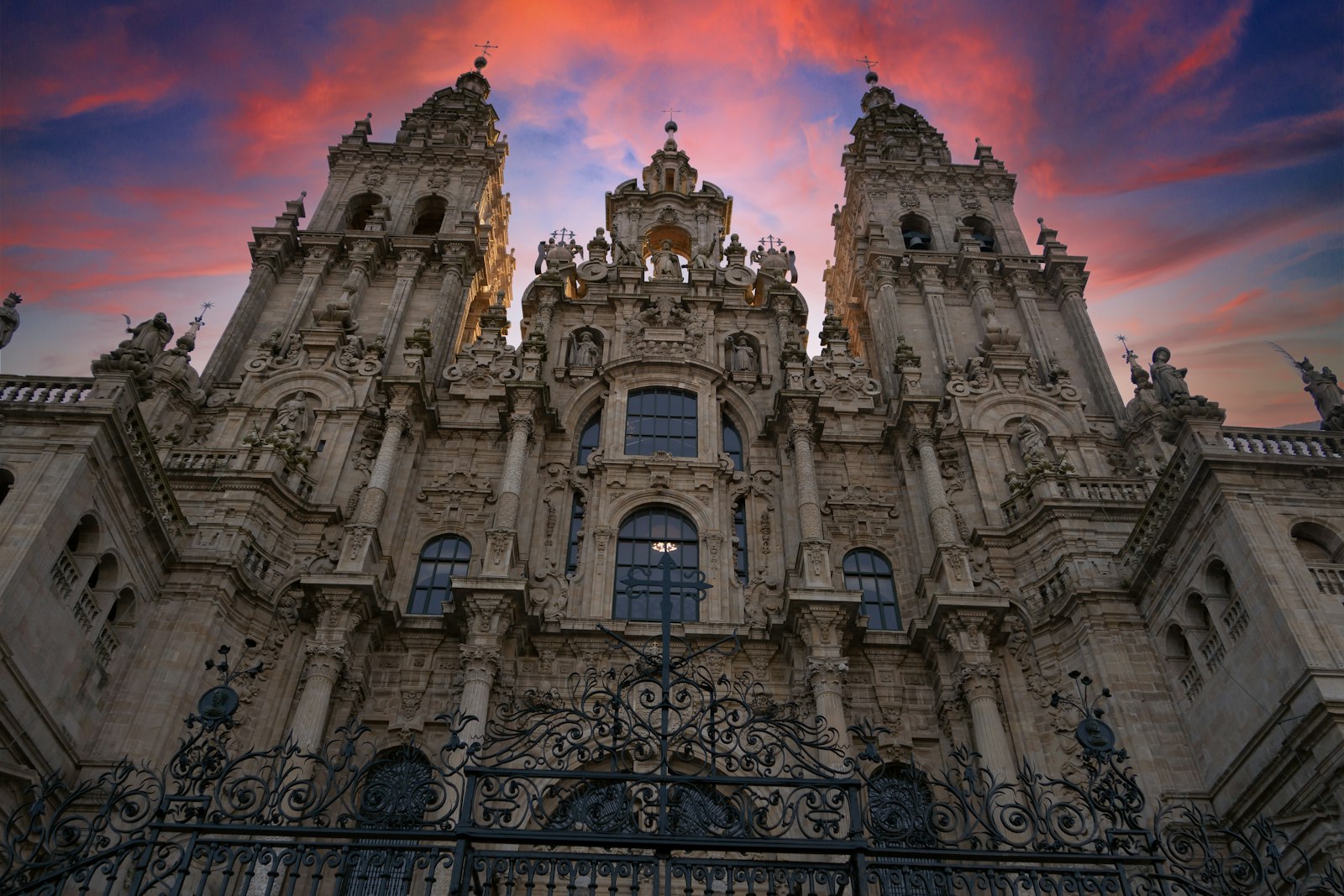
The end of the Camino: Galicia's granite pilgrimage capital of seafood, Celtic music and a legendary cathedral.
- Best time to visit: May-June and September (fewer crowds than July-August)
- Daily budget (budget traveller): $100 to $200 USD
- Ideal trip length: 2 to 3 days
Santiago de Compostela is where the Camino ends. Pilgrims from across Europe walk hundreds of kilometres to reach the Praza do Obradoiro and the granite towers of the cathedral said to hold the tomb of the apostle St James. The old town is a maze of arcaded streets, seafood taverns, Galician gaita music and rain-slicked stone. Joy Plus balances cathedral rituals, tapas bars in Rúa do Franco and the wilder Costa da Morte coast beyond.
Santiago de Compostela is the only city in Europe where half the people crossing the main square are wearing hiking boots and crying. They have walked 100 to 800 kilometres to reach the Praza do Obradoiro, and close to half a million arrive every year. You do not need to walk a step to feel it. Flop on the cold granite in front of the cathedral at 1pm and watch groups of strangers collapse into hugs. It beats any monument for atmosphere. The city itself is tiny: about 100,000 residents, a large university population, and an old town you can cross on foot in 15 minutes.
The rest of the appeal is rain, stone and food. Galicia is Spain's wet green corner, so expect granite that gleams in drizzle, arcaded streets and a Celtic streak of gaita bagpipes and queimada, the flaming spirit ritual. Eating here is cheap and serious. A weekday menú del día is €12 to €16, octopus comes on a wooden plate with paprika, and many bars still bring a small free tapa with your caña. The Mercado de Abastos is the best-fed square in the city. Rúa do Franco and Rúa do Villar do the evening shift, with students and pilgrims at the same bar.
Timing matters in 2026. 2027 is a Holy Year (Xacobeo), when St James's Day, 25 July, falls on a Sunday, so the city is already warming up with bookings and restoration work. Come in May, June or September for the best weather-to-crowd ratio, and avoid the 15 to 31 July festival fortnight unless you want fireworks over the Obradoiro and double hotel rates. Give it two to three days, then spend the rest on the coast: Finisterre's lighthouse, A Coruña's Roman tower, and Albariño country in the Rías Baixas.
How many days in Santiago de Compostela?
For Santiago de Compostela, we recommend 2 to 3 days.
| Trip length | What you'll see | Itinerary |
|---|---|---|
| 2 days · Recommended | Obradoiro and first octopus; Cathedral, Pórtico da Gloria and pilgrim mass | Santiago de Compostela in 2 days |
| 3 days · Recommended | Adds: Mercado de Abastos, Bonaval and Alameda sunset | Santiago de Compostela in 3 days |
| 4 days | Adds: Costa da Morte: Finisterre and Muxía | Santiago de Compostela in 4 days |
| 5 days | Adds: A Coruña day trip | Santiago de Compostela in 5 days |
| 7 days | Adds: Rías Baixas, Albariño country; Last cake | Santiago de Compostela in 7 days |
Santiago de Compostela itinerary
Arrive, Obradoiro and first octopus
Morning: Land at SCQ, take the airport bus (about €3, 30 min) into town. Drop bags in Casco Vello and walk out to the Praza do Obradoiro.
Afternoon: Sit on the granite and watch pilgrims arrive. Walk Rúa do Franco and Rúa do Villar to get your bearings, then wander Parque da Alameda for the first cathedral view.
Evening: Dinner at Taberna do Bispo on Rúa do Franco or O Gato Negro on Rúa do Villar. Order pulpo á feira and a Ribeiro wine in a white cup.
Cathedral, Pórtico da Gloria and pilgrim mass
Morning: Book Pórtico da Gloria and rooftop tour tickets in advance on the cathedral website. Visit the museum and Pórtico da Gloria when the doors open, then queue for the Hug of the Apostle behind the altar.
Afternoon: Arrive at the cathedral by 11:00 for the 12:00 pilgrim mass, where seats near the transept fill early. Afterwards take the rooftop tour for views over the Casco Vello.
Evening: Tapas crawl along Rúa do Franco, with a nightcap at Modus Vivendi on Praza de Feixóo.
Mercado de Abastos, Bonaval and Alameda sunset
Morning: Mercado de Abastos by 9:00 (closed Sundays). Buy shellfish, fish or cheese and have the stall next door cook it, or grab an empanada and coffee.
Afternoon: Museo do Pobo Galego and the sloping Parque de Bonaval. Then the Convento de San Martiño Pinario, one of Spain's largest monasteries.
Evening: Walk the Paseo da Ferradura in Alameda at sunset. Dinner at Abastos 2.0 or a pour-your-own-wine bar like La Bodeguilla de San Roque.
Costa da Morte: Finisterre and Muxía
Morning: Pick up a rental car at 8:30 or join an organised tour. Stop at the Ézaro waterfall, where the river drops straight into the sea, around 1h20 from town.
Afternoon: Cabo Fisterra lighthouse and the Kilometre 0 marker. Seafood lunch in Fisterra port, then Muxía and the Virxe da Barca sanctuary on the rocks.
Evening: Watch sunset from the cape, where the Atlantic sun sets late in summer. Drive back and eat late and light in Santiago.
A Coruña day trip
Morning: Train from Santiago station to A Coruña (about 35 min, €6-12). Walk to Praza de María Pita and the glass-fronted galleries on the old harbour.
Afternoon: Torre de Hércules, a Roman lighthouse still working after nearly 2,000 years (about €3-6). Walk the Paseo Marítimo, then tapas on Rúa da Franxa.
Evening: Train back to Santiago. Easy dinner of empanada, pimientos de Padrón and a glass of Mencía.
Rías Baixas, Albariño country
Morning: Monbus to Cambados (about 1h15, €6-8). Walk the Pazo de Fefiñáns square and the ruins of Santa Mariña.
Afternoon: Book a bodega visit with tasting, such as Martín Códax (about €10-15). Lunch on grilled fish and razor clams, finishing with a glass of Albariño.
Evening: Return to Santiago. Splurge dinner on a tasting menu or a big shellfish platter, then queimada in a local bar.
Slow morning, last cake, depart
Morning: Coffee and a slice of tarta de Santiago, checking for the IGP label and the Santiago cross. Visit the Museo das Peregrinacións for context on the Camino.
Afternoon: Last stroll through San Pedro, the old pilgrim entrance via the Porta do Camiño. Late lunch at a menú del día spot in Ensanche.
Evening: Airport bus or taxi (€25-30) to SCQ.
Best neighbourhoods
- Casco Vello (Old Town): The UNESCO-listed granite core around the cathedral, full of arcaded streets, tapas bars and pilgrim monuments.
- Ensanche: The modern shopping and residential district south of the old town with local restaurants and no tourists.
- San Pedro: The historic pilgrim entrance to the city, a quiet, low-key neighbourhood with good local bars.
- Parque da Alameda: The leafy park just west of the old town with the classic postcard view back to the cathedral.
Must-do experiences
- See the cathedral and Pórtico da Gloria: The Romanesque Pórtico da Gloria inside the main entrance is one of the great sculptural masterpieces of medieval Europe, book the guided tour to see it up close.
- Attend the pilgrim mass: Held several times a day, with the main services at 12:00 and 19:30, the pilgrim mass sometimes features the swinging Botafumeiro incense burner, one of the most memorable rituals in European Christianity (in autumn 2026 the Botafumeiro is out of service for restoration, so check the cathedral's website).
- Do the cathedral rooftop tour: The guided rooftop walk gives you granite views over the old town and takes you along the route medieval pilgrims once climbed.
- Eat pulpo á feira in a tavern: Galician boiled octopus with paprika, olive oil and salt is a regional icon; try it on Rúa do Franco or in the Mercado de Abastos.
- Wander the Mercado de Abastos: Santiago's produce and seafood market, open Monday to Saturday, is the best place to see Galician fishing culture up close, some stalls will cook what you buy on the spot.
Hidden gems
- The 'A Berenguela' bell tower at sunset from Alameda park.
- Percebes (goose barnacles) at back-street seafood bars.
- Museum of Pilgrimages and Santiago in Praza das Praterías.
- The rain-soaked back streets of Casco Vello on a stormy evening.
Daily budget
- Accommodation: budget €18-35 / night (albergue or hostel dorm), mid-range €80-130 (boutique or 3-star double), splurge €250+ (Parador Hostal dos Reis Católicos). Prices jump 15 to 31 July and at Easter. Ensanche rooms are 20% cheaper than Casco Vello and a 10 minute walk away.
- Food: budget €25-35 / day (menú del día, empanada slice, free tapas), mid-range €55-80 (tavern lunch + seafood dinner), splurge €120+ (tasting menu, percebes, Albariño). Weekday menú del día is €12-16 for three courses with drink. Skip the terraces facing the Obradoiro, walk two streets back.
- Transport: budget €0-5 / day (walk everything, urban bus ~€1.10), mid-range €15-30 (airport bus, regional train or Monbus day trip), splurge €60-90 (rental car or driver for the Costa da Morte). The old town is pedestrian. A rental car only pays off for the coast, and you can pick one up at SCQ for about €40-60/day.
- Activities: budget €0-10 (cathedral, Alameda, Bonaval park, Obradoiro all free), mid-range €30-45 (cathedral museum + Pórtico da Gloria, rooftop tour), splurge €90+ (private coast tour, winery lunch). The cathedral nave is free. Museum with Pórtico da Gloria runs about €12-15, rooftop tour about €18, and both sell out in season.
- Drinks & nightlife: budget €8-12 (two cañas and a glass of Albariño), mid-range €20-30 (Rúa do Franco bar hop), splurge €50+ (bottle of Albariño, cocktails, late bar). A caña is €1.80-2.50 and a glass of Albariño €2.50-4. A bottle in a restaurant is typically €18-28.
Where to stay
- Social hostel in Casco Vello (€20-40 / night): The Last Stamp on Rúa das Hortas, with a communal kitchen, a pilgrim crowd and an easy 3 minute walk to the cathedral.
- Boutique hotel in Casco Vello, Porta da Pena (€90-150 / night): Hotel Costa Vella, a granite house with a hidden garden terrace, on the quiet side of the old town toward Alameda.
- Apartment in Ensanche, Rúa do Hórreo (€65-110 / night): Local residential streets, bakeries and cheap bars. Ten minutes from the cathedral and 20 percent cheaper than Casco Vello. Best for 4+ nights.
- Splurge in Praza do Obradoiro (€250-450 / night): Parador Hostal dos Reis Católicos, a 1499 pilgrim hospital turned five-star with four cloisters, directly on the square.
What to eat
- Pulpo á feira (Galician-style octopus)
- Empanada gallega (savoury pastry)
- Percebes (goose barnacles) and razor clams
- Tarta de Santiago almond cake and Albariño wine
Day trips
- Finisterre and the Costa da Morte (About 2h by car, 2h30 by bus): Cape Fisterra's lighthouse and Kilometre 0 stone, once believed to be the end of the world. Add Muxía's sanctuary on the rocks and the Ézaro waterfall for a full day on the wild Atlantic coast. Monbus from Santiago bus station to Fisterra, about €13-15 each way, but only a few departures daily. A rental car (€40-60/day) or a small-group tour (€45-70) is easier for stops.
- A Coruña (35 min by train): Roman Torre de Hércules (UNESCO), the glass galleries of the old harbour, and seafood tapas on Rúa da Franxa. A real working city on the sea. Regional train from Santiago station, about €6-12 each way, every hour or so. Buses are cheaper but slower.
- Cambados and the Rías Baixas (1h15 by bus): The capital of Albariño. Pazo de Fefiñáns, cellars like Martín Códax, razor clams and grilled fish by the estuary. Monbus from Santiago bus station, about €6-8 each way. Book winery visits in advance and plan the last bus back.
When to visit
- Spring (April - June): 10-20°C, frequent showers, green and bright between them. Crowds: Building, pilgrim arrivals peak in May and June. Best overall window. Long days, empty-ish terraces on dry afternoons, and the full Camino energy in the Obradoiro. Carry a waterproof anyway.
- Summer (July - August): 15-27°C, driest of the year, occasional 30°C+ spells. Crowds: Heavy, Spanish holidays plus the 15 to 31 July Festas do Apóstolo. Pretty and lively, but hotels roughly double around 25 July. Book months ahead, or save the coast for August and keep the city to a day.
- Autumn (September - October): 12-22°C, warm start, rain returns by mid-October. Crowds: Moderate, second Camino peak in September. The locals' pick. Grape harvest in the Rías Baixas, chestnuts and magosto parties in November, and cheaper rooms from October.
- Winter (November - March): 4-12°C, rain on most days, snow is rare. Crowds: Very low. Cheap and moody. The granite streets shine, caldo galego warms you up, and you can have the cathedral almost to yourself. Pack boots and patience.
Entry rules for your passport
Visa rules for Spain depend on the passport you travel on. Check the official source before you book: European Commission: Schengen visa policy
Getting there
Santiago-Rosalía de Castro airport (SCQ) is about 11 km east of the centre, served by Ryanair, Vueling, Iberia, Volotea and easyJet from Madrid, Barcelona, London and other hubs. The airport bus runs into town in about 30 minutes for roughly €3. A taxi is €25-30 flat. The train station is on Rúa do Hórreo, about a 20 minute walk from the cathedral. Madrid to Santiago by AVE/Alvia takes about 3h15 to 3h30, with fares from €35 to €75 if booked early. The bus station is a 20 minute walk northeast of the old town. Porto to Santiago is 4 to 5 hours by Alsa or Flixbus bus from about €15 to €25. Regional trains link Santiago to Pontevedra, Vigo and A Coruña. Do not rent a car for the city itself, only for the coast.
Border checks: non-EU visitors (other than Swiss, Norwegian, Icelandic, Liechtenstein, Andorran, Monegasque, San Marinese and Vatican citizens, and holders of an EU residence permit or long-stay visa) are registered in the EU's Entry/Exit System (EES) instead of getting a passport stamp. On your first crossing, officers take your photo and/or fingerprints, so allow extra time at passport control. ETIAS, the planned travel authorisation, is not in operation yet, so don't pay any website for one.
Getting around
Santiago's old town is entirely pedestrianised and small enough to walk end-to-end in 15 minutes. The airport (SCQ) is 10 km east of the centre, connected by regular airport buses in about 30 minutes, and the train and bus stations are a short walk or cheap taxi ride from the old town. For day trips to the coast you'll want a car or an organised tour.
Safety
Santiago de Compostela is very safe for solo travellers day and night. Crime is rare beyond the occasional pickpocket in tourist crowds around the cathedral. The bigger practical concern is the weather: Galicia is famously rainy, pack proper waterproofs even in summer, and the granite streets can be very slippery when wet.
Solo travel tips
- Eat at the bar, take the free tapa: Many Santiago bars still bring a small tapa with your caña or wine. Stand at the counter, order a drink, and you are talking to a student or a pilgrim within five minutes.
- Hostel pick: The Last Stamp or Mundoalbergue: Both attract pilgrims and solo travellers, with communal kitchens, quiet-hours rules and easy chat. Seminario Menor is the huge budget option, with cheap beds but a more institutional feel.
- Watch the arrivals from the Obradoiro: Pilgrims arrive between noon and mid-afternoon. Sit against the arcade, bring a pastry, and you will be invited into a group photo or a story before you have finished it.
- Walk the last 5 km from Monte do Gozo: No need to walk 800 km. Take a bus to Monte do Gozo, walk the final 5 km in 1h15, and arrive on the Obradoiro like a pilgrim. You can pick up a sello stamp on the way.
- Solo female travellers: Santiago is one of Spain's safest cities for women alone. Standard rules apply: drinks supervised, take a taxi after midnight if you are far from Casco Vello, keep valuables zipped around the cathedral crowds.
- Find your tribe on a walking tour or at the Mercado: Tip-based walking tours leave from the Obradoiro and the Praza de Galicia. The Mercado de Abastos casetas are communal, easy places to share a seafood platter with strangers.
Cultural etiquette
- Galician is co-official with Spanish. Say 'Bos días' and 'Grazas' and you will get a smile. Never call it a dialect of Spanish.
- Dress modestly in the cathedral. No hats, cover shoulders, no flash, and no photos during mass.
- Pilgrims in boots and sunburn are not a photo op. Ask before pointing a lens at someone in an emotional moment on the Obradoiro.
- Tipping is small. Round up at bars, leave 5% for a sit-down dinner. 10% is generous, 20% is unheard of.
- Lunch is 2-4pm and dinner is 9-11pm. Many kitchens close between 4 and 8:30, so a 6pm dinner gets you nothing.
- Take the free tapa with your drink. In some bars it is a small bite, in others a full plate. Do not order a second drink only to leave the food.
- Order pulpo á feira on a wooden plate, with scissors-cut slices, sea salt and paprika. Do not ask for sauce.
Frequently asked questions
How many days do you need in Santiago de Compostela?
Two to three days is ideal. One day covers the cathedral, Praza do Obradoiro, Pórtico da Gloria and a pilgrim mass, a second day lets you do the rooftop tour, the Mercado de Abastos and Rúa do Franco tapas properly, and a third day is perfect for a day trip to Finisterre (the 'end of the world') and the Costa da Morte.
Do you have to walk the Camino to visit Santiago?
Absolutely not. Santiago de Compostela is a fantastic standalone destination with an easily accessible airport, UNESCO old town and world-class Galician seafood. Many visitors arrive by plane or train and never walk a step of the Camino; the cathedral, tapas scene and coastal day trips are reason enough.
When does the Botafumeiro swing?
The giant Botafumeiro incense burner does not swing at every mass. It's guaranteed on major feast days (like 25 July, the Feast of St James, and Easter). Otherwise it swings when a pilgrim group has paid for it. Arrive at least 45 minutes early to get a seat with a view. In autumn 2026 the Botafumeiro is out of service for restoration, so check the cathedral's website before you plan around it.
When is the best time to visit Santiago de Compostela?
May-June and September offer the best mix of decent weather and manageable crowds. July and August are peak Camino season with the most pilgrims and the highest hotel prices, plus 25 July (St James's Day) is the biggest celebration of the year. Winter is cheap, atmospheric and very rainy. 2027 is a Holy Year, when pilgrim numbers typically rise by half or more, so book early. The city has charged a tourist tax since October 2025: €1 to €2.50 per person per night, for up to five nights.
Is Santiago de Compostela safe for solo travellers?
Yes. It's one of Spain's safest cities, with a small, pedestrianised old town that stays busy with pilgrims and students until late. Solo dining is completely normal, especially in Galicia's tapas tradition. Standard pickpocket awareness around the cathedral is enough.
How do you get to Santiago de Compostela?
Fly into Santiago de Compostela Airport (SCQ), served by Vueling, Iberia and other airlines from Spanish and European hubs, then take the 30-minute airport bus into town. High-speed AVE trains link Madrid to Santiago in about 3 hours 15 minutes, and regional trains connect Vigo and A Coruña, with a change in Vigo for Porto.
Is Santiago de Compostela worth visiting?
Yes. Even for non-religious travellers, the cathedral is one of Europe's great medieval monuments, the granite old town is UNESCO-listed for good reason, and Galician food (octopus, Albariño wine, empanadas) is a highlight of Spanish cuisine. It also makes a great base for exploring the wild Atlantic coast.
More about Santiago de Compostela
- Where to Travel in 2027: 15 Places Worth Planning a Trip Around
- Total Solar Eclipse 2 August 2027: Where to Watch It and How to Plan Now
- Barcelona in 3 Days: Gaudí, Tapas, the Beach and 2026 Prices
Tours and activities in Santiago de Compostela | Santiago de Compostela in 2 days | Santiago de Compostela in 3 days | Santiago de Compostela in 4 days | Santiago de Compostela in 5 days | Santiago de Compostela in 7 days
Can't decide? Compare Santiago de Compostela with...
Joy Plus home | Destinations | Itineraries | Activities | Flights | Budget planner | Calendar | Map | Blog | Lifetime access