Guides / Santiago de Compostela
Santiago de Compostela in 7 days
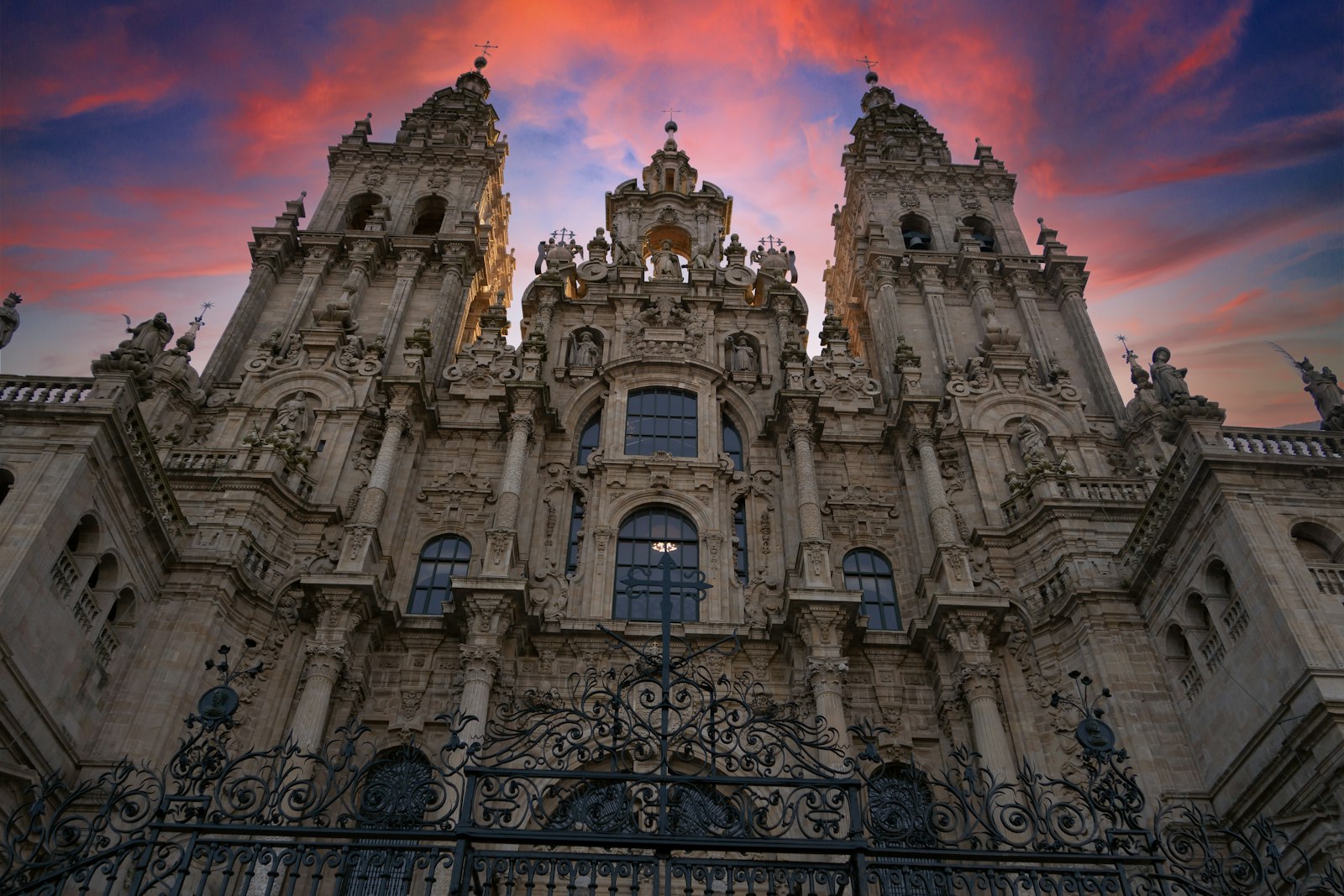
The end of the Camino: Galicia's granite pilgrimage capital of seafood, Celtic music and a legendary cathedral. Best time to visit: May-June and September (fewer crowds than July-August). Daily budget (budget traveller): $100 to $200 USD.
Arrive, Obradoiro and first octopus
Morning: Land at SCQ, take the airport bus (about €3, 30 min) into town. Drop bags in Casco Vello and walk out to the Praza do Obradoiro.
Afternoon: Sit on the granite and watch pilgrims arrive. Walk Rúa do Franco and Rúa do Villar to get your bearings, then wander Parque da Alameda for the first cathedral view.
Evening: Dinner at Taberna do Bispo on Rúa do Franco or O Gato Negro on Rúa do Villar. Order pulpo á feira and a Ribeiro wine in a white cup.
Cathedral, Pórtico da Gloria and pilgrim mass
Morning: Book Pórtico da Gloria and rooftop tour tickets in advance on the cathedral website. Visit the museum and Pórtico da Gloria when the doors open, then queue for the Hug of the Apostle behind the altar.
Afternoon: Arrive at the cathedral by 11:00 for the 12:00 pilgrim mass, where seats near the transept fill early. Afterwards take the rooftop tour for views over the Casco Vello.
Evening: Tapas crawl along Rúa do Franco, with a nightcap at Modus Vivendi on Praza de Feixóo.
Mercado de Abastos, Bonaval and Alameda sunset
Morning: Mercado de Abastos by 9:00 (closed Sundays). Buy shellfish, fish or cheese and have the stall next door cook it, or grab an empanada and coffee.
Afternoon: Museo do Pobo Galego and the sloping Parque de Bonaval. Then the Convento de San Martiño Pinario, one of Spain's largest monasteries.
Evening: Walk the Paseo da Ferradura in Alameda at sunset. Dinner at Abastos 2.0 or a pour-your-own-wine bar like La Bodeguilla de San Roque.
Costa da Morte: Finisterre and Muxía
Morning: Pick up a rental car at 8:30 or join an organised tour. Stop at the Ézaro waterfall, where the river drops straight into the sea, around 1h20 from town.
Afternoon: Cabo Fisterra lighthouse and the Kilometre 0 marker. Seafood lunch in Fisterra port, then Muxía and the Virxe da Barca sanctuary on the rocks.
Evening: Watch sunset from the cape, where the Atlantic sun sets late in summer. Drive back and eat late and light in Santiago.
A Coruña day trip
Morning: Train from Santiago station to A Coruña (about 35 min, €6-12). Walk to Praza de María Pita and the glass-fronted galleries on the old harbour.
Afternoon: Torre de Hércules, a Roman lighthouse still working after nearly 2,000 years (about €3-6). Walk the Paseo Marítimo, then tapas on Rúa da Franxa.
Evening: Train back to Santiago. Easy dinner of empanada, pimientos de Padrón and a glass of Mencía.
Rías Baixas, Albariño country
Morning: Monbus to Cambados (about 1h15, €6-8). Walk the Pazo de Fefiñáns square and the ruins of Santa Mariña.
Afternoon: Book a bodega visit with tasting, such as Martín Códax (about €10-15). Lunch on grilled fish and razor clams, finishing with a glass of Albariño.
Evening: Return to Santiago. Splurge dinner on a tasting menu or a big shellfish platter, then queimada in a local bar.
Slow morning, last cake, depart
Morning: Coffee and a slice of tarta de Santiago, checking for the IGP label and the Santiago cross. Visit the Museo das Peregrinacións for context on the Camino.
Afternoon: Last stroll through San Pedro, the old pilgrim entrance via the Porta do Camiño. Late lunch at a menú del día spot in Ensanche.
Evening: Airport bus or taxi (€25-30) to SCQ.
What to eat in Santiago de Compostela
- Pulpo á feira (Galician-style octopus)
- Empanada gallega (savoury pastry)
- Percebes (goose barnacles) and razor clams
- Tarta de Santiago almond cake and Albariño wine
Hidden gems
- The 'A Berenguela' bell tower at sunset from Alameda park.
- Percebes (goose barnacles) at back-street seafood bars.
- Museum of Pilgrimages and Santiago in Praza das Praterías.
- The rain-soaked back streets of Casco Vello on a stormy evening.
Getting around
Santiago's old town is entirely pedestrianised and small enough to walk end-to-end in 15 minutes. The airport (SCQ) is 10 km east of the centre, connected by regular airport buses in about 30 minutes, and the train and bus stations are a short walk or cheap taxi ride from the old town. For day trips to the coast you'll want a car or an organised tour.
Safety
Santiago de Compostela is very safe for solo travellers day and night. Crime is rare beyond the occasional pickpocket in tourist crowds around the cathedral. The bigger practical concern is the weather: Galicia is famously rainy, pack proper waterproofs even in summer, and the granite streets can be very slippery when wet.
Frequently asked questions
What does this 7-day Santiago de Compostela itinerary cover?
Day 1: Arrive, Obradoiro and first octopus. Day 2: Cathedral, Pórtico da Gloria and pilgrim mass. Day 3: Mercado de Abastos, Bonaval and Alameda sunset. Day 4: Costa da Morte: Finisterre and Muxía. Day 5: A Coruña day trip. Day 6: Rías Baixas, Albariño country. Day 7: Slow morning, last cake, depart.
Is 7 days enough for Santiago de Compostela?
Yes, 7 days in Santiago de Compostela gives you time to spare. We recommend 2 to 3 days, and this plan uses the extra days for Costa da Morte: Finisterre and Muxía; a Coruña day trip; Rías Baixas, Albariño country; last cake.
How much does 7 days in Santiago de Compostela cost?
A budget traveller spends about $100 to $200 USD a day in Santiago de Compostela, so roughly $700 to $1,400 USD for 7 days, not counting flights.
Where should I stay for 7 days in Santiago de Compostela?
Casco Vello (Old Town): The UNESCO-listed granite core around the cathedral, full of arcaded streets, tapas bars and pilgrim monuments. Ensanche: The modern shopping and residential district south of the old town with local restaurants and no tourists.
When is the best time to visit Santiago de Compostela?
The best time to visit Santiago de Compostela is May-June and September (fewer crowds than July-August).
How do I get around Santiago de Compostela?
Santiago's old town is entirely pedestrianised and small enough to walk end-to-end in 15 minutes. The airport (SCQ) is 10 km east of the centre, connected by regular airport buses in about 30 minutes, and the train and bus stations are a short walk or cheap taxi ride from the old town.
Is Santiago de Compostela safe for solo travellers?
Santiago de Compostela is very safe for solo travellers day and night. Crime is rare beyond the occasional pickpocket in tourist crowds around the cathedral.
Read more about Santiago de Compostela
- Where to Travel in 2027: 15 Places Worth Planning a Trip Around
- Total Solar Eclipse 2 August 2027: Where to Watch It and How to Plan Now
- Barcelona in 3 Days: Gaudí, Tapas, the Beach and 2026 Prices
More 7-day guides
- Marbella in 7 days
- Alicante in 7 days
- Toledo in 7 days
- Ronda in 7 days
- Segovia in 7 days
- Lanzarote in 7 days
- Fuerteventura in 7 days
- Menorca in 7 days
Santiago de Compostela in 2 days | Santiago de Compostela in 3 days | Santiago de Compostela in 4 days | Santiago de Compostela in 5 days | Full Santiago de Compostela guide
Joy Plus home | Destinations | Itineraries | Activities | Flights | Budget planner | Calendar | Map | Blog | Lifetime access