Destinations / Asia
Sapa, Vietnam travel guide
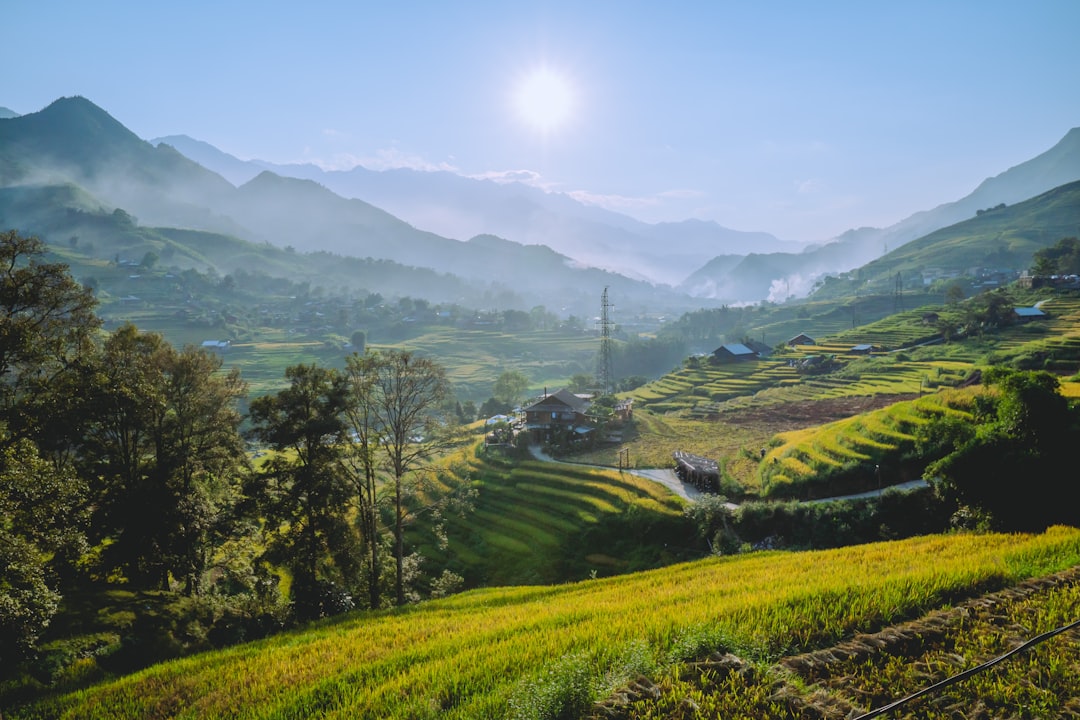
Rice terraces stacked to the clouds in northern Vietnam, with hill-tribe villages and the roof of Indochina.
- Best time to visit: September-November, March-May
- Daily budget (budget traveller): $25 to $70 USD
- Ideal trip length: 3 to 4 days
Sapa is where northern Vietnam folds upward: terraced rice fields cut into mountainsides, Hmong and Dao villages tucked into valleys, and Fansipan, the highest peak in Indochina, usually hidden in cloud. The town itself has grown fast and concrete, but walk twenty minutes down into Muong Hoa valley and the Vietnam you came for is still there. Joy Plus plans treks, homestays and the overnight train.
Sapa sits at 1,500m on a ridge in Lao Cai province, a few kilometres from the Chinese border, and it is two places at once. The town is a boom-time grid of hotels, karaoke signs and cafés selling banh mi to weekend crowds from Hanoi. Walk twenty minutes down any lane and it falls away. Muong Hoa Valley opens up below you, thousands of hand-cut terraces stepping down to a stream, Black Hmong and Giay families still working them, buffalo on the paths, and Fansipan (3,143m, the highest peak in Indochina) hiding behind cloud. The skill is spending your nights in the valley and your afternoons in town, not the reverse.
The classic move is the Lao Chai to Ta Van trek: 10 to 14km on dirt paths and bamboo bridges, lunch in a Hmong village, then a night in a stilt-house homestay with a family dinner and rice wine you will not refuse. Add Fansipan by cable car at 7:30am before the cloud rolls in, a Red Dao herbal bath at Ta Phin to unknot your calves, and on a Sunday the Bac Ha market, where Flower Hmong women turn up in full dress. Hire local guides, ideally Hmong or Dao women through outfits like Sapa Sisters or the social enterprise Sapa O'Chau, and your money lands directly in the villages.
Timing decides everything here. Late September to mid-October gives gold terraces and clear light. April and May give green fields and fewer people. July is wet and leech season, and December to February is cold, foggy and sometimes frosted white. Get there by overnight sleeper train from Hanoi (cheaper than a hotel night and oddly cosy) or the limousine bus on the expressway (5 to 6 hours). Go midweek, because Friday to Sunday the town doubles. Pack shoes with real grip, since clay trails in rain are the only real danger. The rest is mist, noodles and one of Southeast Asia's best walks.
How many days in Sapa?
For Sapa, we recommend 3 to 4 days.
| Trip length | What you'll see | Itinerary |
|---|---|---|
| 2 days | Fansipan and Cat Cat | Sapa in 2 days |
| 3 days · Recommended | Trek day 1, Y Linh Ho to Ta Van; Trek day 2, Giang Ta Chai and herbal bath | Sapa in 3 days |
| 4 days · Recommended | Adds: Fansipan and Cat Cat | Sapa in 4 days |
| 5 days | Adds: Tram Ton Pass and waterfalls | Sapa in 5 days |
| 7 days | Adds: Bac Ha market (Sunday) or Ta Phin | Sapa in 7 days |
Sapa itinerary
Arrive and ease into town
Morning: Overnight train from Hanoi Station (120 Le Duan) lands at Lao Cai around 5 to 6am. Shuttle minibus up to Sapa, about an hour, 50,000-70,000 VND. Drop bags, breakfast at Baguette & Chocolate on Thach Son.
Afternoon: Climb Ham Rong Mountain for the flower gardens and a first view over town. Wander the market by the Stone Church for indigo cloth and local honey.
Evening: Skewers and grilled sweet potatoes at the night stalls on the square. Salmon hotpot at Hill Station Signature Restaurant. Early night, tomorrow starts at 7am.
Fansipan and Cat Cat
Morning: Fansipan Legend cable car at 7:30am opening, before cloud. Ride up (20 min), climb the roughly 600 steps to the 3,143m summit marker, then Bao An Thien Tu pagoda complex.
Afternoon: Down to town for bun cha or noodles. Then walk 3km downhill to Cat Cat village, waterfall and stilt-house weaving workshops. Xe om back up for 40,000-60,000 VND.
Evening: Dinner at Little Sapa or Moment Romantic. Hot plum wine on a terrace, bed by 10pm.
Trek day 1, Y Linh Ho to Ta Van
Morning: Meet your Hmong guide at 8:30am (Sapa Sisters or Sapa O'Chau). Walk down through Y Linh Ho into Muong Hoa Valley.
Afternoon: Lunch in Lao Chai, then follow the stream through Giay terraces to Ta Van. About 12km, 5 to 6 hours with stops. Check out the rock carvings near Hau Thao on the way.
Evening: Homestay dinner with the family: spring rolls, pork, greens, rice wine. Cold shower, big blankets, stars if the cloud allows.
Trek day 2, Giang Ta Chai and herbal bath
Morning: Mist over the paddies at dawn, breakfast with pancakes and tea. Walk across bamboo bridges to Giang Ta Chai, a Red Dao village, 4 to 5 hours.
Afternoon: Motorbike or car back to Sapa (about 300,000 VND). Red Dao herbal bath at Ta Phin, around 200,000 VND, to wake up tired legs.
Evening: Back in town, hot pho and an early night, or a beer on Cau May street.
Tram Ton Pass and waterfalls
Morning: Hire a driver or xe om (600,000-900,000 VND for the day). Tram Ton Pass at 1,900m, Vietnam's highest road pass, ideally at 7am for clear views.
Afternoon: Silver Waterfall (small entry fee), then Love Waterfall. Lunch in town, then a café with a valley view.
Evening: Dinner at Red Dao House or a hotel set menu. Quiet night, tomorrow may start early.
Bac Ha market (Sunday) or Ta Phin
Morning: On a Sunday, leave at 6am for Bac Ha, about 3 hours. Walk the market among Flower Hmong in full dress, with the buffalo trading, corn wine and thang co stalls.
Afternoon: Lunch at the market food hall, then back via Lao Cai. If it's not Sunday, swap in a Ta Phin village walk with a Red Dao family.
Evening: Late dinner, soak the road out of your system with hot tea and a good night's sleep.
Slow morning, depart
Morning: Coffee with a view, last souvenir run at the market. Check out by noon.
Afternoon: Limousine bus back to Hanoi at about 1pm (arrive 6 to 7pm) or an evening shuttle to Lao Cai for the night train.
Evening: Back in Hanoi for bun cha or a beer on Ta Hien. Or sleeper train, tucked in by 10pm.
Best neighbourhoods
- Sapa town: The hub of hotels, restaurants and the market square, with valley views from the ridge.
- Muong Hoa Valley: The postcard valley of terraces below town, threaded with trekking paths.
- Ta Van: A Giay village of homestays and rice fields, the most popular overnight trek stop.
- Lao Chai: A Black Hmong village an easy walk from town, the classic first leg of any trek.
- Y Linh Ho & Ban Ho: Deeper, quieter valleys for two-day treks away from the day-trip crowds.
Must-do experiences
- Trek Muong Hoa valley: A one- or two-day walk through terraces from Lao Chai to Ta Van, ideally with a Hmong guide.
- Fansipan by cable car: The three-rope cable car with the world's greatest elevation difference, to 3,147m, or a two-day climb if you'd rather earn it.
- Stay in a village homestay: Dinner with the family, rice wine, and mist over the fields at dawn.
- Bac Ha Sunday market: Two and a half hours away: the region's most colourful hill-tribe market, Flower Hmong in full dress.
Hidden gems
- Cat Cat waterfall early, before the tour buses turn it into a photo queue.
- Silver Waterfall and Tram Ton Pass, the highest road pass in Vietnam.
- The rock carvings of Muong Hoa, prehistoric petroglyphs among the paddies.
- Ta Phin valley and its Red Dao herbal bath houses after a long trek.
Daily budget
- Accommodation: budget 150,000-250,000 VND / night (hostel dorm), mid-range 800,000-1,600,000 (boutique double with valley view), splurge 5,000,000+ (Hotel de la Coupole MGallery, Topas Ecolodge). A village homestay is 250,000-400,000 VND per person with dinner and breakfast included, the best value in the region.
- Food: budget 150,000-250,000 VND / day (noodle soup, com, night-stall skewers), mid-range 400,000-700,000 (one sit-down dinner, salmon hotpot), splurge 1,200,000+ (hotel tasting dinner with wine). A bowl of pho or bun is 40,000-60,000 VND. Hotpot for two at Hill Station is about 500,000-700,000.
- Transport: budget 250,000-350,000 VND each way (limousine bus), then walk, mid-range 700,000-1,100,000 each way (sleeper train) + 300,000 for xe om days, splurge 3,000,000-3,800,000 each way (private car from Hanoi). Town is walkable. A Lao Cai station shuttle to Sapa is 50,000-70,000 VND. Grab is patchy up here.
- Activities: budget 100,000-300,000 VND / day (Cat Cat, Ham Rong, free trails), mid-range 600,000-1,200,000 (Hmong guide day, Fansipan cable car), splurge 3,000,000+ (2-day Fansipan summit trek with porters, private Bac Ha tour). Fansipan Legend cable car is roughly 800,000-900,000 VND return. A day guide is 500,000-900,000 VND.
- Drinks & nightlife: budget 50,000-100,000 VND (Sapa beer, hot plum wine), mid-range 250,000-450,000 (rooftop cocktails, Hill Station), splurge 800,000+ (hotel bar, whisky by the fire). Nightlife is cosy, not wild. Bars close around midnight, rice-wine toasts with your homestay host are the real nightcap.
Where to stay
- Social hostel in Sapa town (Thach Son and Cau May) (150,000-250,000 VND / night): Venus Sapa Hostel, shared dorms near the town centre and a tour desk that books treks. Bring a warm layer, the dorms can feel cold and damp.
- Boutique hotel in Muong Hoa Road, Sapa town (800,000-1,600,000 VND / night): Pao's Sapa Leisure Hotel or similar, valley-view balconies, heating that works, walking distance to the market and restaurants.
- Apartment in Ta Van or Lao Chai village (250,000-400,000 VND per person, meals included): A family homestay on stilts: wooden floors, shared dinner, rice wine, mist at dawn. Not an apartment, but the best way to sleep in the valley for two nights.
- Splurge in Sapa ridge or Topas Ecolodge (5,000,000-9,000,000 VND / night): Hotel de la Coupole MGallery, French-Indochine design, spa and views, or Topas Ecolodge, bungalows on a ridge above the valley with an infinity pool.
What to eat
- Thang co: the traditional Hmong horse-meat stew, for the brave
- Grilled skewers and sweet potatoes from the night stalls in town
- Salmon hotpot, farmed in the cold streams around Sapa
- Com lam: sticky rice cooked in bamboo tubes over a fire
Day trips
- Bac Ha Sunday Market (About 3 hours by road (100km)): The region's biggest hill-tribe market. Flower Hmong women in full dress, buffalo trading, corn wine and thang co at the stalls. Leave at 6am, it's over by early afternoon. Private car round trip 1,600,000-2,200,000 VND, or a group tour 600,000-900,000 VND per person with lunch. Only runs on Sundays.
- Tram Ton Pass and Silver Waterfall (12 to 15km, 30 to 40 min by road): Vietnam's highest road pass at 1,900m, with sunrise views over the Lao Cai side. Stop at Silver Waterfall on the way and Love Waterfall nearby. Xe om for the day 600,000-900,000 VND, or a taxi for about 700,000-1,000,000 VND. Go at 7am for clear skies.
- Ta Phin and Red Dao herbal baths (12km, 30 min by road): A Red Dao village known for herbal baths, embroidery and a quiet cave nearby. Best after a long trek day. Xe om 150,000-250,000 VND one way, or walk from Sapa in about 3 hours. Baths cost around 200,000 VND.
When to visit
- Spring (March - May): 14-24°C, misty mornings, green terraces, showers building in May. Crowds: Moderate, spikes around 30 April to 1 May. Underrated. Peach and plum blossom early on, water-filled terraces by late May, and trails with room to breathe.
- Summer (June - August): 16-26°C, heavy afternoon downpours, leeches on trails. Crowds: Busy on weekends with Hanoi families escaping the heat. Lush and cheap but wet. Landslides can close roads, so keep slack in your plans and a rain shell on you.
- Autumn (September - November): 12-22°C, clearing skies, cold nights from November. Crowds: Heavy in late September and early October, easing in November. The headline window. Gold terraces mid-September to mid-October, best light for photos. Book homestays and trains two to three weeks ahead.
- Winter (December - February): 0-12°C, fog, frost, occasional snow on the peaks. Crowds: Low, except Tet (6 February in 2027) and cold-snap weekends. Cold and often fogged in, but dramatic and quiet. Bring a real jacket, heated rooms are rare outside hotels.
Entry rules for your passport
Visa rules for Vietnam depend on the passport you travel on. Check the official source before you book: Vietnam National E-Visa system
Getting there
Sapa has no airport. Fly into Hanoi's Noi Bai (HAN), 30km north of the centre, then go overland. The classic route is the overnight sleeper train from Hanoi Station (120 Le Duan) to Lao Cai, about 8 hours, leaving between 9 and 10pm. Private-carriage operators like Livitrans, Sapaly and Violette run the best cabins, roughly 600,000-1,200,000 VND each way for a soft sleeper. Book on dsvn.vn or via 12go.asia and Baolau, two to three weeks ahead in autumn. At Lao Cai station, shuttle minibuses to Sapa cost 50,000-70,000 VND and take about 1 hour. The faster option is the limousine bus on the Noi Bai to Lao Cai expressway: 5 to 6 hours from Hanoi's Old Quarter to Sapa, 250,000-380,000 VND, with operators like Sapa Express and Hoang Long running throughout the day. Door-to-door private cars cost 3,000,000-3,800,000 VND each way. Avoid unlicensed taxis at Lao Cai station.
Getting around
From Hanoi, the overnight sleeper train to Lao Cai (8 hours) plus a 1-hour minibus is the romantic option; the limousine bus on the expressway takes 5 to 6 hours door to door. In Sapa, everything in town is walkable and treks start on foot; motorbike taxis or a hired driver reach Bac Ha, Tram Ton Pass and the cable car station. Roads get slippery in rain.
Safety
Sapa is safe, but the terrain isn't forgiving: trails turn to mud in rain, so wear proper shoes and take a guide for longer treks. Winters can drop near freezing with occasional snow at altitude, and summer brings heavy afternoon downpours. Village women often accompany walkers hoping to sell handicrafts; be clear and friendly about your intentions from the start. Book homestays through reputable local operators.
Solo travel tips
- Book your trek with a Hmong-run outfit: Sapa Sisters or Sapa O'Chau (a Hmong-founded social enterprise) pair solo travellers with small groups and Hmong guides. You get the real villages, fair pay for the family, and someone to share dinner with.
- Hostel pick: Venus Sapa Hostel: Shared dorms near the town centre and a tour desk that books treks. It runs quiet rather than social, so join a small-group trek to meet other travellers.
- Sleeper train, not the bus, for the first trip: The soft sleeper from Hanoi Station leaves about 9 to 10pm and lands at 5 to 6am, saves a hotel night and puts you in a four-berth cabin with other travellers. Choose a lower bunk and take earplugs.
- Handle the sellers with a smile: Hmong women will walk with you for hours hoping you buy a bracelet. Say 'maybe later' early and mean it, or buy one thing you like and they'll tell the others. Don't promise and not deliver.
- Solo female travellers: Sapa is safe, the risk is terrain, not people. Trek with a guide on longer routes, tell your homestay your plan, keep a headtorch for the village paths, and don't ride a motorbike taxi on wet clay roads at night.
- Check the cloud before Fansipan: The peak is often fogged by 10am. Check the Sun World live webcam the night before and the same morning, go on the first cable car, and pick a clear window rather than a fixed day.
Cultural etiquette
- Ask before photographing people, especially children and elders. Many will pose for a small tip, but a smile and a nod first is the minimum.
- Don't hand out sweets, pens or cash to children. It builds begging habits. Buy a craft from the mother or donate through a school or a social enterprise like Sapa O'Chau.
- Take shoes off at the door of every homestay. Wear socks or sandals you can slip off easily, and never step on the fireplace or the family altar.
- Rice wine toasts are part of dinner. Say 'mot, hai, ba, yo' with the family, sip rather than chug if you're not used to it, and decline politely with a hand over the cup.
- Terraces are people's livelihoods. Stay on the paths, never step on the paddy walls, and don't pick rice or flowers for photos.
- Dress modestly in villages: covered shoulders and knees. Cover up even more near graves, spirit houses and any ceremony you stumble on.
- Bargain with humour, not hostility. Ask 'bao nhieu?', counter at about 60%, smile and be ready to walk away. Pay what you agreed, and pay cash.
Frequently asked questions
Is Sapa worth visiting?
Yes, if you trek. The town has become built-up and touristy, but the terraced valleys, hill-tribe villages and homestays a short walk below are among Southeast Asia's most beautiful landscapes. Plan at least one full day walking and one night in a village rather than staying in town.
How many days do you need in Sapa?
Three days is the sweet spot: arrive, do a two-day trek with a village homestay in the middle, and keep a half-day for Fansipan or Bac Ha market. Add the travel time from Hanoi (overnight each way) and you're looking at four to five days total.
When is the best time to visit Sapa?
September and October, when the rice is golden just before harvest, are the most spectacular. March to May brings spring blossom, and in May the flooded terraces shine like mirrors. June to August is the wettest, and December to February is cold and often fogged in, though the winter mist has its own drama.
How do you get from Hanoi to Sapa?
The limousine bus on the new expressway takes 5 to 6 hours and runs day and night. The overnight sleeper train to Lao Cai takes about 8 hours, followed by a 1-hour minibus up the mountain; it saves a hotel night and is far more comfortable than it sounds.
Do you need a guide to trek in Sapa?
For the short Lao Chai to Ta Van route, no, though hiring a local Hmong or Dao guide costs little, keeps you off the wrong paths and puts money directly into the villages. For longer or multi-day treks into remote valleys, a guide is strongly recommended.
How hard is the Sapa trekking?
Moderate. The classic valley routes cover 10-14km a day on dirt paths with steady ups and downs, easy for anyone reasonably fit. Rain turns clay trails into slides, so grippy shoes matter more than fitness. Fansipan on foot is a serious two-day climb; the cable car takes 20 minutes.
What should you pack for Sapa?
Layers, because temperatures swing from warm valleys to cold ridges: a fleece, a rain shell and quick-dry trousers. Trail shoes with real grip, a headtorch for homestays, insect repellent, and a small daypack. In winter add a proper warm jacket; nights can approach freezing.
Do I need a visa for Vietnam?
It depends on your passport. Citizens of about two dozen countries, including Germany, France, Italy, Spain, the UK, Denmark, Finland, Norway, Sweden, Japan and South Korea, can enter visa-free for up to 45 days, under a policy that runs to 2028. Most other visitors, including those from the US, Canada and Australia, need an e-visa, valid for up to 90 days: US$25 for a single entry or US$50 for multiple entries, on the official site, evisa.gov.vn. Check the rules for your nationality before booking.
More about Sapa
- Best Time to Visit Southeast Asia: Month by Month and Where to Go
- Ha Giang Loop Solo: The Complete Guide for First-Time Solo Travelers (2026)
- Solo Travel Southeast Asia Itinerary 2026: 2, 3 and 4 Week Overland Routes
- Solo Travel in Southeast Asia: The 2026 Beginner's Guide to Visas, Money and Safety
Tours and activities in Sapa | Sapa in 2 days | Sapa in 3 days | Sapa in 4 days | Sapa in 5 days | Sapa in 7 days
Can't decide? Compare Sapa with...
Joy Plus home | Destinations | Itineraries | Activities | Flights | Budget planner | Calendar | Map | Blog | Lifetime access