Solo Travel in Southeast Asia: The 2026 Beginner's Guide to Visas, Money and Safety
Apr 18, 2026, 11 min read. Last updated Nov 9, 2026
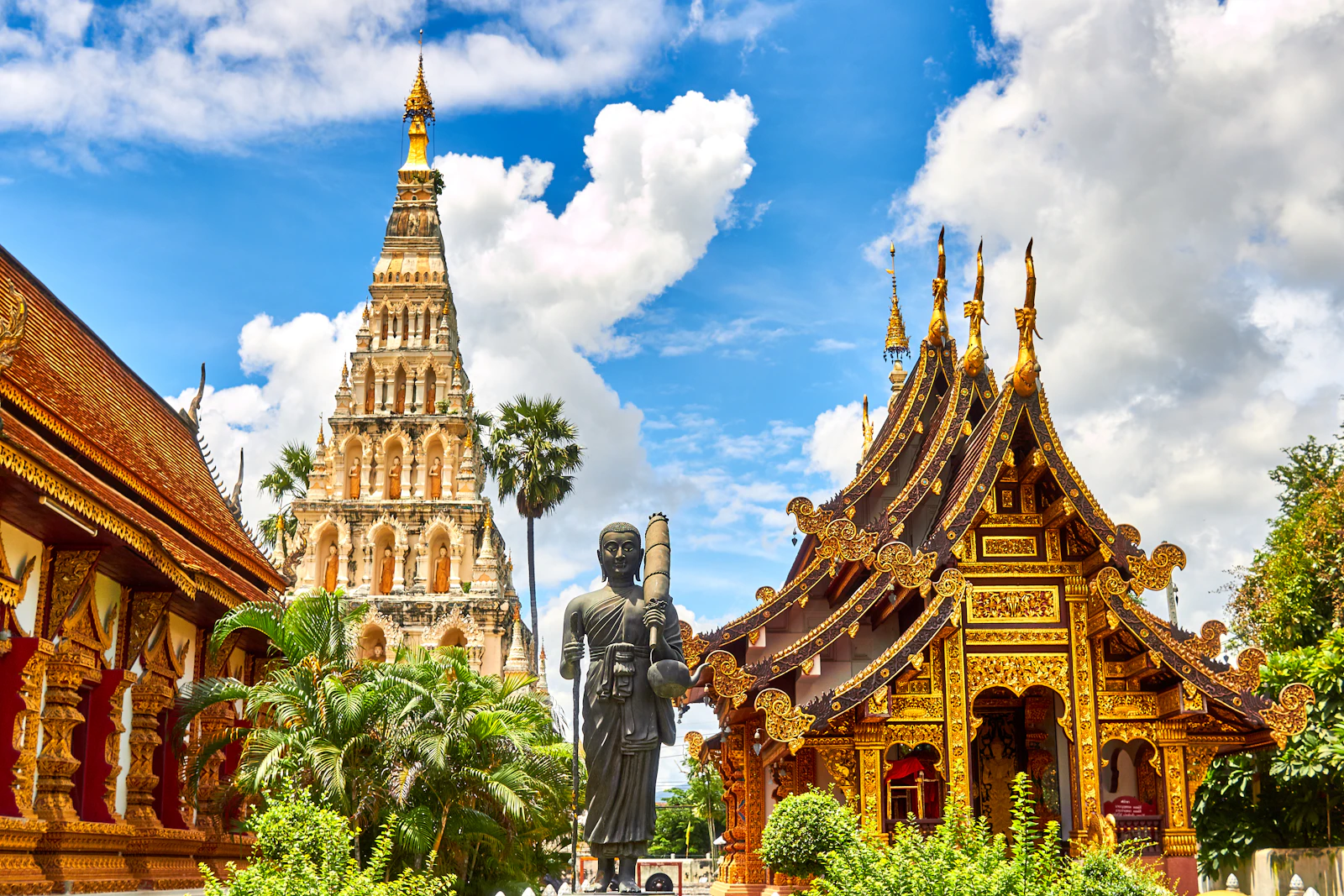
The practical basics for a first solo trip to Southeast Asia in 2026: visas and arrival cards, money, SIMs, transport, safety and health, with short fact lists for each country.
Southeast Asia is where a lot of people take their first solo trip, and it is a good place to learn. Buses, trains and hostels are easy to book, other travellers are everywhere, and you can fix most mistakes with a short flight or a night bus. What catches people out is the paperwork: each country has its own visa rule, its own online arrival card and its own currency habits.
This guide covers those basics country by country, checked against official pages on 9 November 2026. It is written from a British passport point of view, with notes where other passports differ. If you want the actual routes, with day counts and transport between stops, read our two, three and four week Southeast Asia itineraries.
Before you book: five rules for every country
These apply almost everywhere in the region. Getting them right avoids most problems at check-in and at the border.
- Passport: valid for at least 6 months after the day you arrive, with blank pages (Vietnam, Laos and Indonesia ask for two).
- Onward ticket: Thailand and Indonesia may ask to see onward or return travel, and airlines often check it at check-in.
- Official sites only: e-visas and arrival cards have look-alike sites that charge extra. Use the government links in this guide.
- Overstays: fines are steep. Thailand charges 500 baht a day and Indonesia 1 million rupiah a day, with possible bans.
- Insurance: check it covers medical evacuation and, if you will ride one, motorbikes with your licence type.
The arrival cards you need in 2026
Most of the region has replaced paper landing cards with free online forms. Fill them in a few days before you travel, and keep a screenshot.
- Thailand: the Thailand Digital Arrival Card (TDAC), within 3 days before arrival, by air, land or sea.
- Cambodia: the e-Arrival card, within 7 days before arrival, for flights into Phnom Penh, Siem Reap or Sihanoukville.
- Laos: the Lao Digital Immigration Form, within 3 days before arrival, at the main airports and Friendship Bridge I.
- Malaysia and Singapore: the MDAC for Malaysia and the SG Arrival Card for Singapore, each in the 3 days before you land.
- Indonesia: the All Indonesia customs and health form, within 72 hours of arrival. It is free, so ignore any site that charges.
Money and cards
You will use more cash here than at home, especially at markets, street stalls, small guesthouses and local buses. Cards work in malls, chain hotels and bigger restaurants, mostly in Singapore, Malaysia and Thailand.
- ATMs: many charge a fixed foreign card fee on top of your own bank's fee, so take out larger amounts less often.
- Cambodia: US dollars are used alongside the riel. Visas on arrival are paid in dollars, and you may get change in riel.
- Fake notes: the UK government warns of fake dollar bills given as change in some Cambodian shops and clubs. Check your notes.
- Spread it out: keep one card and some cash apart from your main wallet, so a lost bag does not leave you stuck.
If you want real daily figures for a big city, our Bangkok budget guide breaks down a day in baht, from street food to train fares and temple tickets.
SIM cards, eSIMs and apps
A local data plan makes everything easier: maps, ride hailing, bank alerts and translation. An eSIM bought before you fly means you have data from the moment you land.
- Physical SIMs: sold at airport counters and convenience shops. Bring your passport, because shops usually register the SIM to it.
- eSIMs: our travel eSIM guide explains how they work and which phones support them.
- Ride hailing: Grab runs in Singapore, Malaysia, Indonesia, Thailand, Vietnam, the Philippines, Myanmar and Cambodia, but not Laos.
- Offline backup: download offline maps and save your hostel address in the local script for taxi drivers.
Getting around the region
Trains, buses, boats and budget flights all play a part. As a rule, use trains and day buses where they exist, and fly the long hops.
- Trains: overnight sleepers run Bangkok to Chiang Mai, Bangkok to Vientiane and Hanoi down the Vietnamese coast. Laos also has fast trains from Vientiane to Luang Prabang.
- Buses: cheap and frequent. Keep valuables on you, not in the luggage hold or the rack above your seat.
- Thailand to Cambodia: the land border crossings are suspended. Fly between the two, or enter Cambodia overland from Vietnam.
- Motorbikes: you need the right licence class plus an international driving permit, and a helmet. Never leave your passport as a deposit.
Safety for solo travellers
Most trips go smoothly, and most problems are theft, scams and road accidents. Read your government's advice for each country before you go: the UK pages are below, and our solo female travel safety tips cover the habits that help anywhere.
- Drinks: spiking has been reported in Thailand, Cambodia and Laos. Do not leave a drink unattended or accept one from a stranger.
- Methanol: fake spirits have killed travellers in the region. You cannot taste it. Get urgent help if you feel unwell after drinking.
- Bag snatching: thieves on motorbikes target bags and phones, especially in Cambodia. Carry your bag on the side away from the road.
- Drugs: penalties are severe across the region, including the death penalty for some offences in Thailand and Laos.
- Job offers: the UK warns about fake jobs abroad that end in trafficking, especially in Cambodian border areas and Sihanoukville.
Health basics
See a nurse or travel clinic 4 to 6 weeks before you go. The UK's TravelHealthPro has advice for each country.
- Vaccines: hepatitis A is recommended for all travellers. Typhoid, rabies and Japanese encephalitis depend on how long and where you stay.
- Mosquitoes: dengue is a year-round risk and the mosquitoes bite by day, so use repellent from morning to night.
- Animals: rabies is present. After any bite, scratch or lick, wash the wound and get medical help the same day.
- Water: use filtered or bottled water. Many hostels have refill stations, which saves money and plastic.
Country facts: Thailand
The easiest first stop for most people, with good trains, plenty of hostels and lots of other solo travellers. Start with our Bangkok guide.
- Visa: from 15 September 2026, British visitors can stay up to 30 days visa-free, for tourism only, per GOV.UK. Business visitors need a visa.
- Land arrivals: visa-free entries over land are normally limited to 2 per calendar year. Flights do not count.
- Proof of funds: officers may ask for 10,000 baht per person and onward travel.
- Vapes: e-cigarettes are illegal, with fines of 5,000 to 30,000 baht. Leave yours at home.
- Border areas: the UK advises against non-essential travel within 20 km of the Cambodian border, and against all but essential travel to the far south.
Country facts: Vietnam
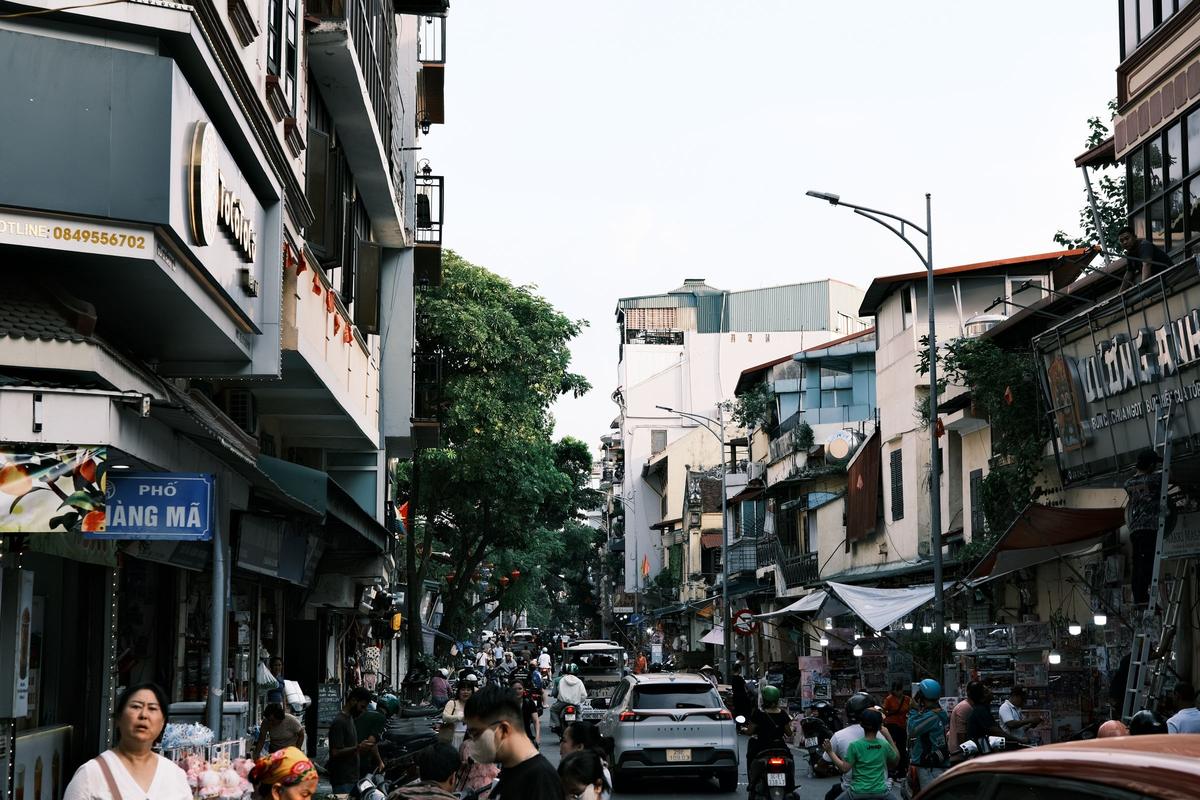
Great value, great food and a long coast that suits a north to south trip. Hanoi is the usual starting point.
- Visa-free: citizens of the UK, Germany, France, Italy, Spain, Denmark, Sweden, Norway, Finland, Japan and South Korea get 45 days, under a scheme that runs to 14 March 2028 (Vietnam Tourism).
- More countries: 12 more European countries, including the Netherlands, Belgium, Switzerland and Poland, were added for 45 days from 15 August 2025.
- E-visa: most other passports, including US, Canadian and Australian ones, apply online for an e-visa of up to 90 days.
- Ports: an e-visa ties you to the entry and exit points you choose, so pick your land border or airport carefully.
Country facts: Cambodia
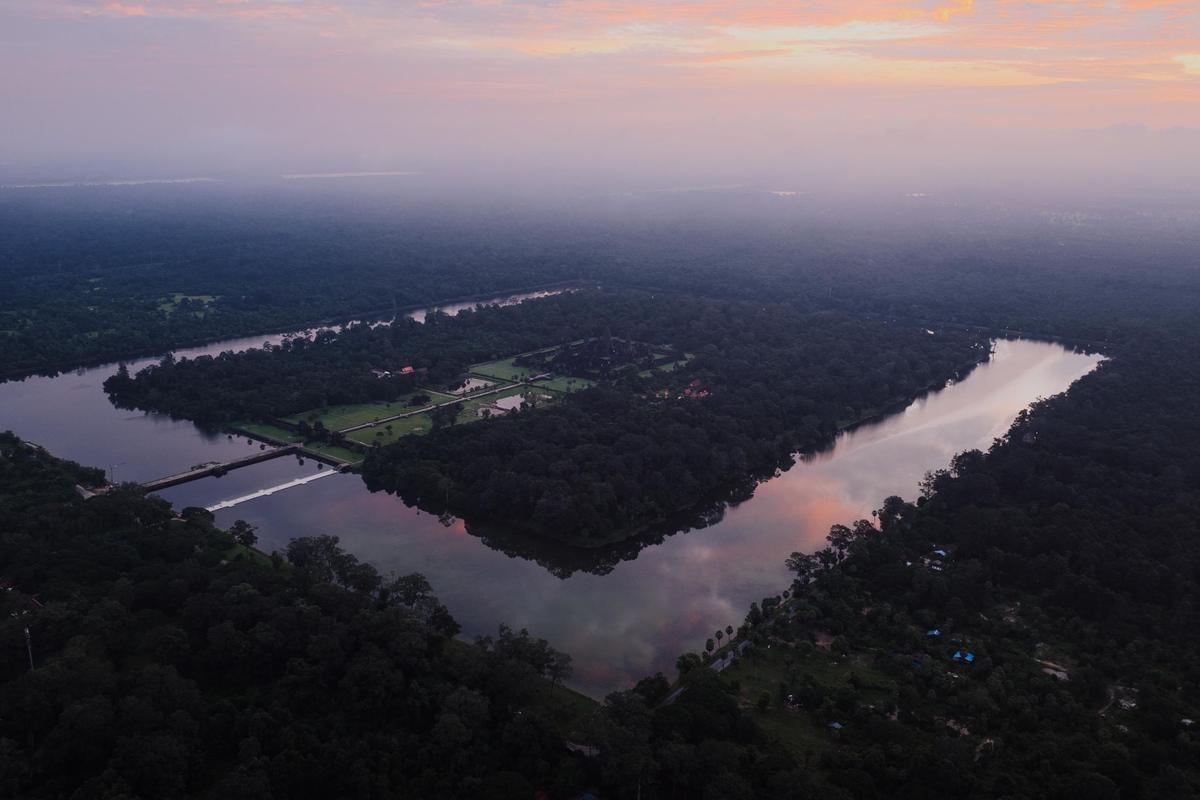
Smaller and slower, with Angkor near Siem Reap as the big draw. Roads are the main risk.
- Visa: a 30-day tourist e-visa from the official site, applied for at least 4 days ahead, or a visa on arrival paid in US dollars.
- Registration: hotels and guesthouses register you. If you stay with friends, you must register yourself on the immigration FPCS app, using a Cambodian phone number.
- Roads: Cambodia has one of the highest road accident rates in the region. Avoid travelling after dark.
- Women alone: the UK reports assaults by men posing as moto drivers near Pub Street in Siem Reap. Book rides through an app or your hotel.
Country facts: Laos
Quiet towns, the Mekong and the new railway. Luang Prabang is the highlight for most first visits.
- Visa: a 30-day tourist visa, by e-visa (apply at least 5 days ahead, fee shown by nationality) or on arrival at the main airports.
- Extensions: you can extend twice in the country, up to 60 more days.
- Unexploded bombs: still a hazard in rural areas. Stay on marked paths and do not touch metal objects.
- River trips: tubing and swimming in strong currents have caused drownings. Check lifejackets are provided.
Country facts: Malaysia and Singapore
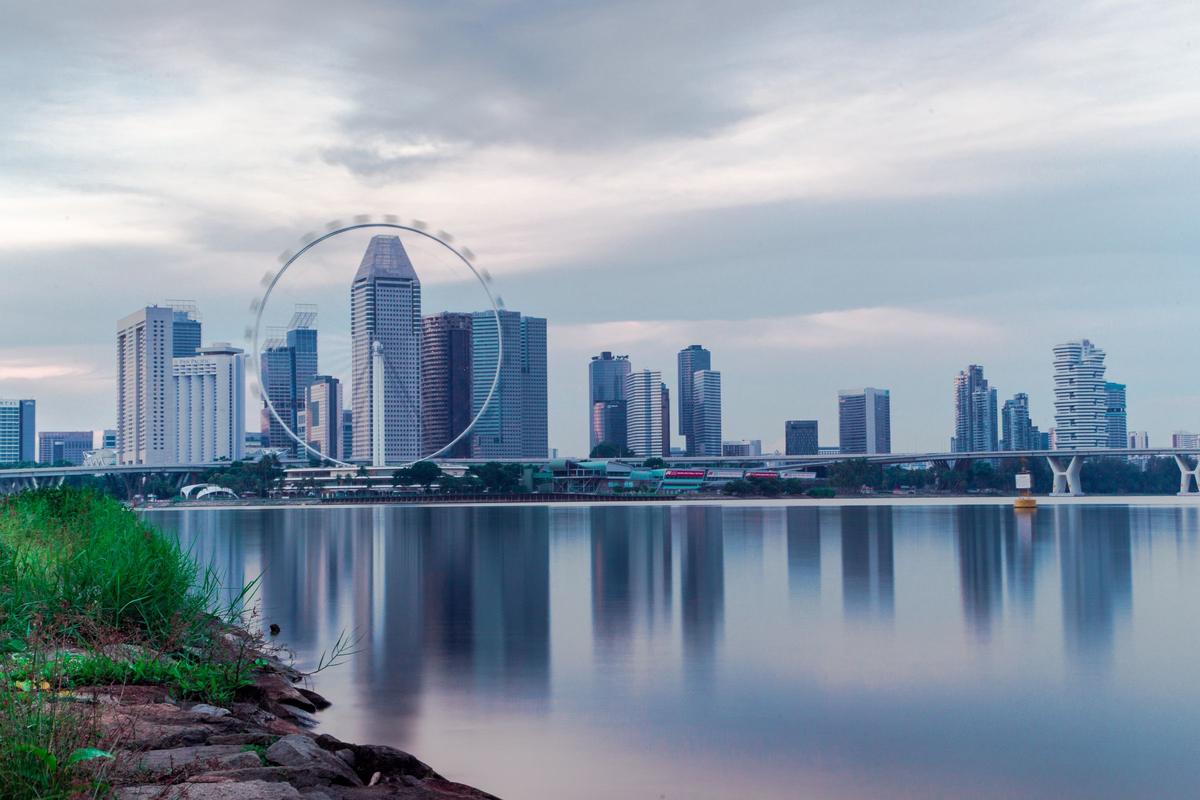
The gentlest start of all: English is widely spoken, transport is easy and cards work almost everywhere. Look at Kuala Lumpur and Singapore.
- Malaysia: British visitors are normally given 90 days on arrival for tourism.
- Singapore: visa-free, with the stay decided by the officer, normally 30 to 90 days for British citizens.
- Overstays in Singapore: these can bring fines, prison, caning or deportation. Check the date stamped on arrival.
Country facts: Indonesia and Bali
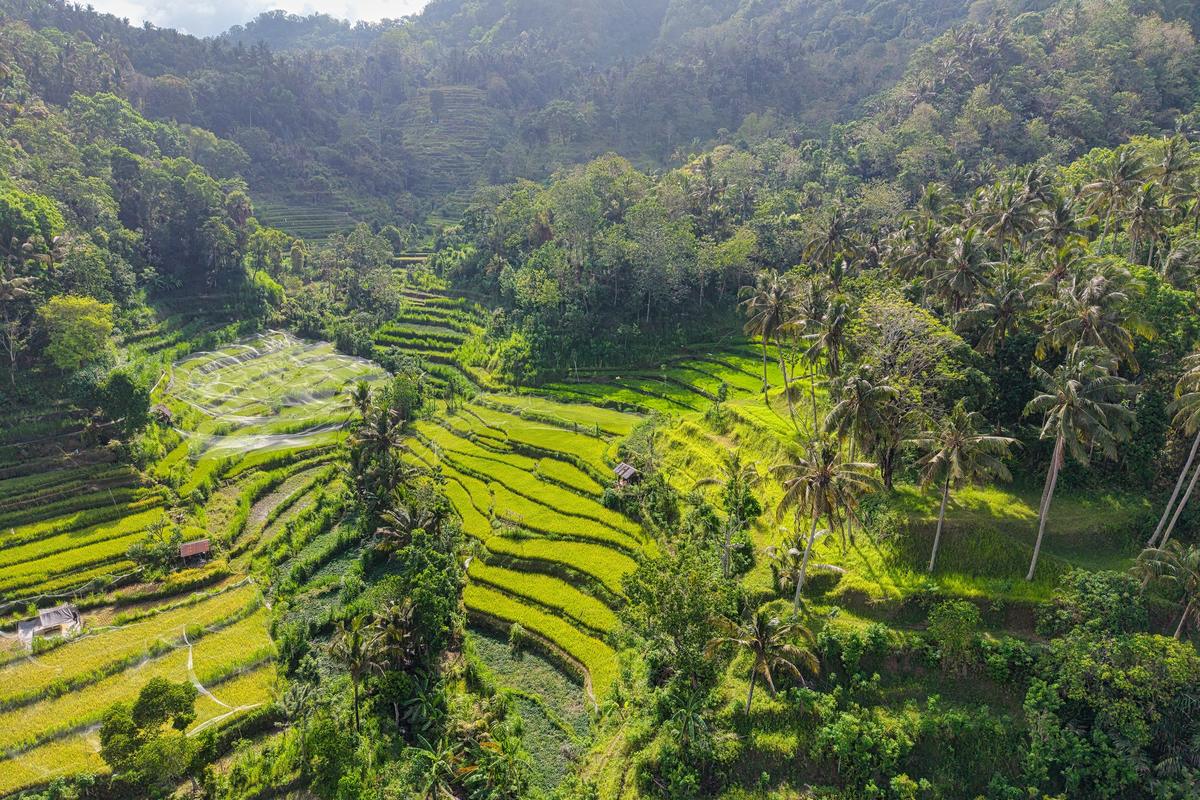
Most first-timers fly straight into Bali. Bring cash or a card for the visa and the levy.
- Visa on arrival: 500,000 rupiah for 30 days, single entry, extendable once for 30 more days. You can also apply online before you fly.
- Bali levy: 150,000 rupiah per foreign tourist, payable online through the official Love Bali site or on arrival.
- Work rules: the visa on arrival does not cover volunteering or paid online content creation.
Plan it with Joy Plus
Once you know which countries you want, the Joy Plus planner builds a day-by-day itinerary with a map, and the trip hub keeps your bookings, flight alerts, budget and packing list in one place. For timing, see our Southeast Asia month by month guide. Start planning your Southeast Asia trip
Frequently asked questions
Is Southeast Asia a good choice for a first solo trip?
For most people, yes. Transport and hostels are easy to book and you meet other travellers quickly. The main risks are theft, scams, drink spiking and road accidents rather than violent crime. Read the UK or your own government's advice for each country, use ride-hailing apps at night, and keep your passport locked away rather than handing it over as a deposit.
Do I need an onward ticket to enter Thailand?
You may be asked for one. GOV.UK says Thai officers can ask for proof of onward or return travel and proof of funds of at least 10,000 baht per person. Airlines also check this at check-in, since they must fly you home if you are refused. Airlines differ on what they accept, so a booked flight out within your 30 days is the safest proof.
How many days can I stay in Thailand without a visa in 2026?
Since 15 September 2026, British visitors and other eligible passports get up to 30 days visa-free, for tourism only. If you entered on or before 14 September 2026, you keep the stay you were given. You may be able to extend at an immigration office if you qualify, but check before your permission runs out, as overstays cost 500 baht a day.
Can I use my bank card everywhere in Southeast Asia?
Not everywhere. Cards work well in Singapore and in malls, chain hotels and larger restaurants elsewhere. Street food, markets, small guesthouses and local buses usually want cash. Many ATMs add a fixed fee for foreign cards, so fewer, larger withdrawals cost less. In Cambodia, carry clean US dollar notes, since dollars are used every day.
Is it safe to drink the tap water?
Plan on not drinking it. Use filtered or bottled water in Thailand, Vietnam, Cambodia, Laos, Malaysia and Indonesia, and ask your hostel about refill stations. Hepatitis A, spread through food and water, is the vaccine TravelHealthPro recommends for all unvaccinated travellers to Thailand. Brush your teeth with filtered water too if your stomach is sensitive.
Can I bring a vape to Thailand?
No. GOV.UK says owning or using any vape, e-cigarette, pod, e-liquid or heat-not-burn device is illegal in Thailand, with no exception for tourists. Fines are typically 5,000 to 30,000 baht, and you may have to stay in the country until your case is finished. Smoking in some public places can also bring a fine of up to 5,000 baht.
Does Grab work in Laos?
No. Grab runs in eight countries: Singapore, Malaysia, Indonesia, Thailand, Vietnam, the Philippines, Myanmar and Cambodia. In Laos, ask your guesthouse to book a tuk-tuk or car and agree the price before you set off. Keep your hostel address saved in Lao script, as many drivers do not read English, and avoid riding motorbike taxis after dark.