Destinations / Europe
Trier, Germany travel guide
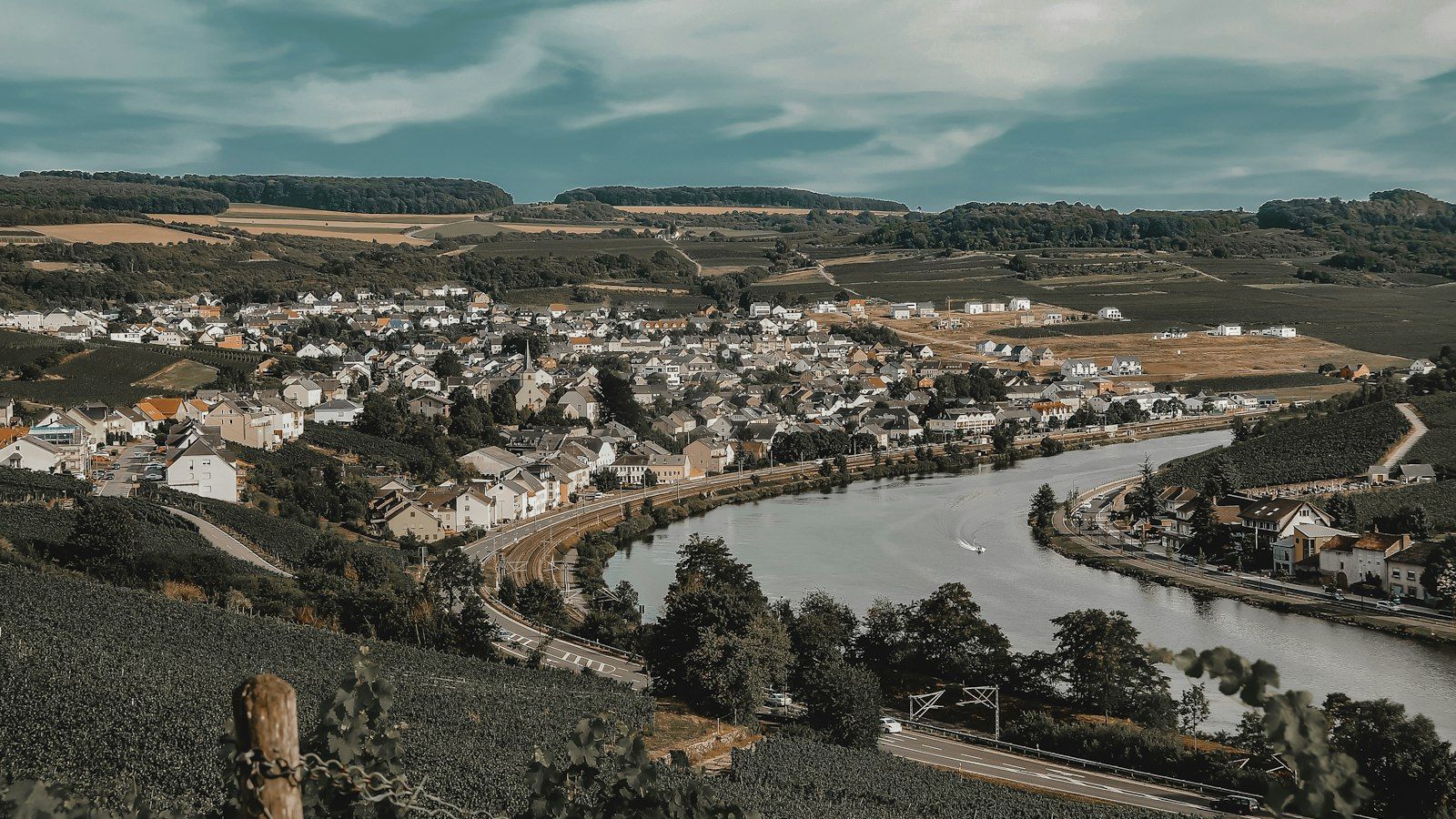
One of Germany's oldest cities puts a blackened Roman gate, imperial baths and a 20,000-seat amphitheatre within walking distance of Mosel wine taverns, Riesling slopes and the Luxembourg border.
- Best time to visit: May to June and September to October
- Daily budget (budget traveller): $80 to $250 USD
- Ideal trip length: 3 to 5 days, or 7 with day trips
The Romans founded Trier as Augusta Treverorum around 16 BC. That makes it Germany's oldest city, and you can see the age everywhere. The Porta Nigra, a second-century city gate darkened by centuries of weather, still marks the northern edge of the old town. Walk ten minutes south and you pass the Hauptmarkt, the cathedral and the huge brick hall of the Konstantinbasilika. Keep going and you reach the Kaiserthermen, the ruined imperial baths, and an amphitheatre that once held up to 20,000 spectators. Nine Roman and early Christian monuments here share a single UNESCO listing. Trier is also a university town of about 110,000 people, so the old town is full of students, cyclists and cheap lunch spots, and the wine taverns stay busy all week. The Mosel runs along the western edge. Riesling vineyards climb the hills above Olewig, and Luxembourg is less than an hour away by train. Trier is compact, safe and easy to travel alone. You can see most of the sights on foot and sleep in a central hostel, and you'll still have days left for river towns and a trip across the border.
Trier was once one of the Roman Empire's great cities. For a time it served as an imperial residence in the West, and its buildings were made to impress. A remarkable number of them are still standing. The Porta Nigra, the Kaiserthermen, the amphitheatre, the Konstantinbasilika and the Römerbrücke, whose piers still carry traffic over the Mosel, all fit within a walk of about two kilometres. The cathedral grew out of a fourth-century church, and the Liebfrauenkirche beside it is one of Germany's first Gothic buildings. Add a medieval market square, baroque palaces and the house where Karl Marx was born, and you get a lot of history in a city you can cross on foot in half an hour.
Trier isn't a museum piece, though. About a fifth of the people you pass are students, so lunch is cheap, the bars stay open late and the river paths fill with runners and cyclists. The Mosel wine region starts at the city limits. Olewig is a wine village inside Trier, and the Saar and Ruwer valleys meet the Mosel nearby. Base yourself in the Altstadt or by the river at the youth hostel and walk everywhere. Buy an Antikencard so you can spread the Roman sites over several days. Then use regional trains and buses for Luxembourg City, the half-timbered wine town of Bernkastel-Kues and the waterfall town of Saarburg.
Season matters here. From April to September the Roman sites stay open until 6pm, the wine estates are busy and Zurlauben's riverside terraces are full on warm evenings. From November to February the monuments close at 4pm and the vineyards go quiet. In exchange, the 2026 Christmas market runs from 20 November to 22 December on the Hauptmarkt and Domfreihof, with Glühwein made from local wine and hot Viez. Trier is safe and friendly, and English is widely spoken, but a 'Guten Tag' when you walk into a shop or Weinstube goes a long way.
Trier itinerary
Arrive, Porta Nigra and the Hauptmarkt
Morning: Arrive at Trier Hauptbahnhof and walk 10 to 15 minutes into the centre. Drop your bags at your hostel or hotel and pick up a city map at the tourist information next to the Porta Nigra.
Afternoon: Climb through the Porta Nigra (€6, or use your Antikencard). It's open until 4pm in winter, 5pm in March and October and 6pm from April to September. Walk down Simeonstraße past the Dreikönigenhaus to the Hauptmarkt.
Evening: Head to Weinstube Kesselstatt opposite the cathedral and order a glass of Riesling with a plate of regional food. Arrive before 6pm for a table, as it fills quickly.
Cathedral, basilica and imperial baths
Morning: Visit the Dom and the Liebfrauenkirche (both free), then walk to the Konstantinbasilika. Go before lunch, as hours vary around services.
Afternoon: Stroll through the Palastgarten to the Rheinisches Landesmuseum (usually Tuesday to Sunday, about 10am to 5pm, included in the Antikencard). Finish at the Kaiserthermen and explore the tunnels under the ruins.
Evening: Dinner at Kartoffel-Kiste on Fahrstraße, a long-running potato-themed restaurant with big portions. Then take a walk across the lit-up Hauptmarkt.
Amphitheatre, Petrisberg and Olewig wine
Morning: Be at the amphitheatre when it opens. Walk the arena, then go down into the cellars before the groups arrive.
Afternoon: Walk uphill to the Petrisberg viewpoint, then follow the Weinlehrpfad vineyard trail down into Olewig. Book a tasting at a family estate ahead of time, as many open only on certain days.
Evening: Eat at a wine tavern in Olewig. Check the last bus back to the centre, or walk about 30 to 40 minutes along the main road.
Marx, Viehmarkt and the west bank
Morning: Visit the Karl-Marx-Haus on Brückenstraße (€7, 10am to 6pm, no entry 1 to 1:30pm, closed Mondays from mid-November to mid-March). Join the free public tour if it's Saturday.
Afternoon: See the Thermen am Viehmarkt under their glass cube (check opening hours), then cross the Römerbrücke. Climb the steep path to the Mariensäule for the panorama, which takes about 30 to 40 minutes up.
Evening: Walk back along the river to Zurlauben for a sunset drink on the riverside terraces in summer, or a cosy pub in winter.
Day trip to Luxembourg City
Morning: Take a direct train from Trier Hauptbahnhof to Luxembourg Gare Centrale (about 50 minutes). Buy a cross-border ticket. Once you arrive, buses and trams are free.
Afternoon: Walk the Chemin de la Corniche, then go down to the Grund district and visit the Bock Casemates. Check the casemates' season and hours before you go.
Evening: Take an early-evening train back to Trier and have a simple dinner near the station or in the Altstadt.
Bernkastel-Kues and the Middle Mosel
Morning: Take the regional bus from Trier to Bernkastel-Kues, about an hour or a little more. Check the VRT timetable the night before.
Afternoon: Explore the half-timbered Marktplatz, then climb to the Burg Landshut ruins for views over the steep vineyards. Taste local wine before heading back.
Evening: Take the last convenient bus back to Trier, then end the day with Viez and a light supper in the Altstadt.
Saarburg and a final Trier evening
Morning: Take the regional train up the Saar valley to Saarburg (roughly 25 minutes). Walk to the waterfall that tumbles through the old town and up to the castle ruins.
Afternoon: Return to Trier. Stop at the free Barbarathermen walkway on Südallee, then pick up wine or chocolate to take home before shops close. Most are shut on Sundays.
Evening: Farewell dinner at a Weinstube near the cathedral. Order Teerdisch or Gequellte if they're on the menu, and finish with a last glass of Riesling.
Best neighbourhoods
- Altstadt and Hauptmarkt: The pedestrianised old town between the Porta Nigra and the cathedral. It has the market cross, the Petrusbrunnen fountain, the Steipe banqueting house, shops along Simeonstraße and the city's densest cluster of cafés and wine bars. It's the most convenient base for a short stay.
- Dom and Palastgarten: The quieter quarter around the cathedral, the Liebfrauenkirche, the Konstantinbasilika and the pink rococo Electoral Palace. The formal Palastgarten leads south to the state museum and the Kaiserthermen.
- Zurlauben: A former fishermen's quarter on the Mosel, a short walk north-west of the Porta Nigra. Its riverside terraces and beer gardens fill on summer evenings, and the youth hostel is close by on the river bank.
- Olewig: A wine village inside the city limits, east of the amphitheatre. Family estates, wine taverns and vineyard paths make it the place for a tasting and a slow evening glass. It hosts a popular wine festival in late summer.
- Pallien and the west bank: Across the Römerbrücke from the old town, at the foot of red sandstone cliffs. Come for the steep path up to the Mariensäule viewpoint and the best panorama of the city and the river.
Must-do experiences
- Climb inside the Porta Nigra: Walk up through the best-preserved Roman city gate north of the Alps. It survived because it was converted into a church in the Middle Ages. Entry is €6. The south façade is partly under scaffolding for restoration, but the gate stays open.
- Visit the Dom and the Liebfrauenkirche: Germany's oldest cathedral, with Roman masonry in its core, stands wall to wall with one of the country's earliest Gothic churches. Both are free to enter and part of the UNESCO listing.
- Stand inside the Konstantinbasilika: Emperor Constantine's throne hall is a single vast brick space, now a Protestant church. It's free to enter, but hours vary around services.
- Go underground at the Kaiserthermen: Explore the imperial baths and their tunnels, once used by service staff, for €6. Go late in the afternoon when the light hits the ruined apse.
- Walk the arena of the amphitheatre: Stand on the arena floor of the Roman amphitheatre, which once seated up to 20,000 people, then go down into the cellars beneath it. Entry is €6.
- See Roman Trier at the Rheinisches Landesmuseum: See the Neumagen wine ship relief, floor mosaics, a big scale model of the Roman city and the Trier gold hoard. The museum usually opens Tuesday to Sunday.
- Taste Riesling in Olewig: Walk the vineyard path from the Petrisberg down into Olewig and taste Mosel, Saar and Ruwer wines at a family estate. Book ahead or check opening days, as many estates keep short hours.
- Visit the Karl-Marx-Haus: The baroque house where Marx was born in 1818 now holds an exhibition on his ideas and how the world received them. Entry is €7. On Saturdays there's a free public tour.
Hidden gems
- The Thermen am Viehmarkt: Roman baths found while digging a car park, now displayed under a glass cube designed by O. M. Ungers. It's included in the Antikencard Premium.
- The Barbarathermen viewing walkway on Südallee, where you can look over the remains of Trier's second big Roman bath complex for free
- The Weinlehrpfad vineyard trail from the Petrisberg above the amphitheatre down to Olewig, with information boards and views over the city
- The Mariensäule on the west bank, a steep 30 to 40 minute climb from the Römerbrücke to the best view of Trier and the Mosel valley
- The Igel Column, a 23-metre Roman funerary monument covered in carved scenes of a cloth-trading family's life. It's in the village of Igel, a short train ride or about 9 km by bike along the Mosel.
Daily budget
- Accommodation: budget €30-50 / night (hostel dorm or simple single room), mid-range €90-150 (boutique double or central hotel), splurge €180+ (Hotel Villa Hügel). Many hostels and hotels include breakfast. Prices jump during the Christmas market and on festival weekends, so book ahead and check whether breakfast is in the quoted rate.
- Food: budget €20-30 / day (bakery breakfast, snack-bar lunch, supermarket), mid-range €45-70 (Weinstube lunch, sit-down dinner), splurge €100+ (tasting menus, wine pairings). A Weinstube main course is roughly €16-26 and bakery rolls cost a few euros. Supermarkets such as Aldi, Lidl and REWE keep self-catering cheap. Most kitchens close by about 9:30pm, so eat earlier.
- Transport: budget €0-8 / day (walking, the odd bus), mid-range €10-25 (regional train day trips), splurge €40+ (taxis, e-bike hire, private wine-route transfers). City bus singles cost around €3, so check current fares. Luxembourg City is about 50 minutes by train, with FlixBus from around €6. A Deutschlandticket costs €63 a month in 2026 and can pay off if you take several regional day trips, but cancel the subscription in time.
- Activities: budget €6-18 / day (one Roman site, or an Antikencard Basic at €18), mid-range €28-45 (Antikencard Premium at €28, Karl-Marx-Haus at €7, a guided walk), splurge €60+ (private guide, estate tasting with cellar tour). Each Roman site is €6. The Landesmuseum is about €10 on its own but included in both Antikencards. The cathedral, Liebfrauenkirche and Konstantinbasilika are free to enter.
- Drinks & nightlife: budget €5-12 (a glass of Riesling or a jug of Viez), mid-range €20-35 (a wine flight and a couple of glasses), splurge €60+ (top estate bottles, cocktail bars). A glass of Mosel wine typically costs €5-8 and Viez less, but prices vary by bar. Nightlife centres on student bars in the Altstadt and summer terraces in Zurlauben. Supermarket bottles carry a deposit, so return them.
Where to stay
- Social hostel in Mosel riverbank, near Zurlauben (€30-50 / night): Jugendherberge Trier, at An der Jugendherberge 4, sits on the river with breakfast included and plenty of other travellers to meet. For somewhere more central, the Kolping Hostel in the baroque Warsberger Hof on Dietrichstraße is a few minutes from the Hauptmarkt and has shared bathrooms.
- Boutique hotel in Altstadt, by the Porta Nigra (€90-150 / night): Small design-led city hotels such as Ante Porta put you a few minutes from the Roman gate, the station and the Hauptmarkt, so you won't need transport.
- Apartment in Altstadt or Südstadt (€80-130 / night): A flat with a kitchen lets you shop at the supermarkets and bakeries and keep restaurant meals for wine evenings. The Südstadt is close to the Kaiserthermen and quieter at night.
- Splurge in Südstadt hillside (€180-280+ / night): Hotel Villa Hügel is a historic villa above the city with spa facilities and views. It's a calm retreat and still within walking distance of the baths and old town.
What to eat
- Mosel, Saar and Ruwer Riesling: crisp, often slightly sweet white wines from the hills around the city, served by the glass in every Weinstube
- Viez: Trier's tart local apple wine, served in a tall porcelain jug or mug. It's warmed as Glühviez at the Christmas market
- Teerdisch: a hearty Trier home dish of mashed potato and sauerkraut, usually with bacon or sausage on the side
- Gequellte mit Klatschkäs: boiled jacket potatoes with cold herb quark, a cheap and filling regional classic
- Döppekooche: a crisp oven-baked potato cake with bacon and onion from the nearby Eifel and Hunsrück, best in autumn and winter
- Federweißer with Zwiebelkuchen: half-fermented new wine with warm onion tart, sold during the September and October harvest
Day trips
- Luxembourg City (About 50 minutes by train from Trier Hauptbahnhof): A small capital built on cliffs, with the Chemin de la Corniche promenade, the Grund district by the river and the Bock Casemates tunnels. It makes an easy, varied day out. Take a direct CFL or DB train, roughly hourly, or FlixBus from around €6. Buy a cross-border ticket. Domestic transport in Luxembourg is free, and you should check the casemates' season and hours before going.
- Bernkastel-Kues (About an hour by bus from Trier): The classic Mosel wine town, with a half-timbered market square, wine taverns and a steep climb to the Burg Landshut ruins above the vineyards. There's no direct train. Take the regional bus from Trier and check VRT timetables the day before. Summer river cruises also run on the Mosel, but they take most of a day, so check the operators.
- Saarburg (About 25 minutes by regional train): A small town in the Saar valley with a waterfall crashing through its old centre, a castle ruin above the rooftops and Saar Riesling on its café menus. Take the regional train from Trier Hauptbahnhof towards Saarbrücken and walk 15 to 20 minutes from the station into the old town. This leg is covered by a Deutschlandticket.
When to visit
- Spring (March - May): 8-19°C, changeable with showers, warming through May. Crowds: Low to moderate, busier at Easter and on May weekends. Good value and quiet. Roman sites move to longer summer hours in April, gardens bloom in the Palastgarten, and May is lovely for vineyard walks. Pack a rain jacket.
- Summer (June - August): 19-27°C, occasional heatwaves above 30°C. Crowds: Busy, especially weekends, coach groups and festivals. The liveliest season. Riverside evenings in Zurlauben, wine festivals and sights open until 6pm. Book beds early for festival weekends and visit the Kaiserthermen and amphitheatre in the morning before the heat.
- Autumn (September - October): 11-21°C, golden, crisp mornings, rain building in late October. Crowds: Moderate, wine tourists at weekends. The locals' pick. The harvest, Federweißer, coloured vineyards and comfortable walking weather. Roman sites close at 5pm in October.
- Winter (November - February): 0-7°C, grey and damp, occasional frost. Crowds: Quiet, except during the Christmas market from 20 November to 22 December 2026. Cheap and atmospheric. The Christmas market and cathedral are the highlights, but Roman sites close at 4pm, the Karl-Marx-Haus closes on Mondays from mid-November to mid-March, and the vineyards are dormant.
Entry rules for your passport
Visa rules for Germany depend on the passport you travel on. Check the official source before you book: European Commission: Schengen visa policy
Getting there
Trier has no commercial airport. Luxembourg Airport (LUX) is the nearest, about 45 km away. Take the free tram or bus to Luxembourg Gare Centrale, then a direct train to Trier Hauptbahnhof (about 50 minutes, roughly hourly). A regional bus also connects the airport and Trier, so check the current timetable. From Frankfurt Airport (FRA), allow roughly 2.5 to 3 hours by train, usually changing at Koblenz. The regional line from Koblenz follows the Mosel for much of the way. Flibco shuttles from Luxembourg and Frankfurt-Hahn airports have been suspended, so check before relying on them. FlixBus serves Trier Hauptbahnhof, with direct buses from Luxembourg from around €6. Trier Hauptbahnhof is 10 to 15 minutes' walk from the Porta Nigra. Germany is in the Schengen Area. Non-EU visitors now go through EES biometric registration on arrival, and ETIAS is expected but had no launch date in early November 2026, so check official sites before you fly.
Border checks: non-EU visitors (other than Swiss, Norwegian, Icelandic, Liechtenstein, Andorran, Monegasque, San Marinese and Vatican citizens, and holders of an EU residence permit or long-stay visa) are registered in the EU's Entry/Exit System (EES) instead of getting a passport stamp. On your first crossing, officers take your photo and/or fingerprints, so allow extra time at passport control. ETIAS, the planned travel authorisation, is not in operation yet, so don't pay any website for one.
Getting around
Trier's centre is small and flat, and walking is the best way to see it. The Hauptbahnhof is about a 10 to 15 minute walk from the Porta Nigra, and the Porta Nigra to the amphitheatre takes about 25 minutes. City buses run by SWT reach Olewig, the Petrisberg and the outer districts. Single tickets cost around €3, and day tickets cost more. Check current fares in the VRT app or at ticket machines, and always buy or validate before boarding: fare dodgers pay at least €60. Regional trains run to Saarburg, Igel and Koblenz, and CFL and DB trains reach Luxembourg City in about 50 minutes. Once you're in Luxembourg, domestic public transport is free. If you plan several day trips by regional train, the Deutschlandticket costs €63 a month in 2026 and rises to €66.80 from January 2027. It's a subscription, so cancel it in time, and don't assume it covers the Luxembourg leg. The Mosel cycle path follows the river in both directions and is flat and well signed.
Safety
Trier is a very safe city, and violent crime against visitors is rare. Watch for pickpockets in the Christmas market crowds and around the Hauptmarkt on busy weekends. Cyclists share the pedestrian zone and the riverside paths, so check behind you before you step sideways. The cobbles are uneven and slippery when wet, so wear proper shoes. The Mariensäule path is steep and poorly lit, so climb it in daylight. On summer nights, Zurlauben and the student bars get lively but rarely rowdy. Keep an eye on your drink and use the main streets on your way home. Regional trains can be disrupted by strikes or engineering works, so check the DB Navigator app the night before a day trip. Most shops close on Sundays, and some small bakeries and wine stands only take cash.
Solo travel tips
- Spread the Roman sites over several days: Both Antikencards are valid until the end of the calendar year, so you don't need to see four monuments and a museum in one tiring day. Do one or two sites each morning and keep your afternoons for wine and walking.
- Sit at the long tables: Wine taverns and Weinstuben often have big shared tables, and asking whether a seat is free (Ist hier noch frei?) is normal. It's the easiest way to end up chatting with locals over a glass of Riesling.
- Join a walking tour on day one: Tourist information next to the Porta Nigra sells guided city walks, including costumed Roman tours. A morning walk gives you context for everything else and puts you next to other travellers straight away.
- Use Luxembourg's free transport: Luxembourg's domestic buses, trams and trains are free. You only pay to cross the border, so you can explore Luxembourg City for the price of the train from Trier.
- Safety for solo travellers: Trier is very safe, including at night in the old town. Stick to lit streets after dark, avoid the Mariensäule path after sunset, and keep bags zipped in the Christmas market crowds.
- Plan around Sundays and Mondays: Most shops close on Sundays. The Landesmuseum closes on Mondays, and so does the Karl-Marx-Haus in winter. Put the Roman monuments, which open daily, on Mondays and save the museums for midweek.
Cultural etiquette
- Say 'Guten Tag' when you walk into a small shop, bakery or Weinstube, and 'Tschüss' or 'Auf Wiedersehen' when you leave.
- Don't walk in the red cycle lanes. Wait for the green man at crossings, especially if children are watching.
- Sunday is a quiet day. Most shops are closed, and loud DIY or music at home is frowned upon.
- When toasting with 'Prost' or 'Zum Wohl', look the other person in the eye.
- Tables marked 'Stammtisch' are reserved for regulars. Ask before you sit at any shared table.
- Dress respectfully in the cathedral and churches, keep your voice down and don't wander around during services.
- Return bottles with a deposit (Pfand) to the supermarket machines and sort your rubbish into the right bins at hostels and apartments.
Frequently asked questions
How do I get to Trier from the nearest airport?
Luxembourg Airport is the closest, about 45 km away. The simplest route is the tram or bus into Luxembourg City, which is free within Luxembourg, then a direct train from Luxembourg Gare Centrale to Trier Hauptbahnhof. Trains run about hourly and take around 50 minutes. A regional bus also links the airport with Trier, so check the current timetable. From Frankfurt Airport, allow roughly 2.5 to 3 hours by train, usually changing at Koblenz. Don't rely on the Flibco airport shuttles, which have been suspended.
How many days do I need in Trier?
Two full days cover the main Roman sites, the cathedral and the old town. Three to five days lets you add the state museum, a vineyard walk to Olewig and a day trip to Luxembourg. With a week, you can also visit Bernkastel-Kues and Saarburg without rushing.
When is the best time to visit Trier?
May to June and September to October bring mild weather, long opening hours and wine season, and September and October add the grape harvest and Federweißer. July and August are warm and busy with festivals. In winter the Roman sites close earlier, but from 20 November to 22 December 2026 the Christmas market fills the Hauptmarkt and Domfreihof.
Is the Antikencard worth buying?
Usually, yes. Each Roman site costs €6 and the Rheinisches Landesmuseum about €10. The Antikencard Basic costs €18 and covers two Roman sites plus the museum. The Premium costs €28 and covers all four sites (Porta Nigra, Kaiserthermen, amphitheatre and Thermen am Viehmarkt) plus the museum. Both are valid until the end of the calendar year, so you don't have to cram everything into one day.
Can I pay by card everywhere in Trier?
Cards are now accepted in most hotels, restaurants and shops, but Germany is still more cash-based than the UK. Carry €20 to €40 in cash for bakeries, wine stands, small cafés and market stalls. ATMs are easy to find around the Hauptmarkt and the station.
Is a day trip to Luxembourg easy from Trier?
Very easy. Direct trains take about 50 minutes, and FlixBus also runs the route from around €6. Once you're in Luxembourg, buses, trams and domestic trains are free, so you only pay for the cross-border leg. Bring your passport or ID, as spot checks happen.
Is Trier safe for solo female travellers?
Yes, Trier is considered very safe, with a large student population and well-used streets until late evening. The usual precautions apply. Keep to lit streets at night, watch your drink in busy bars and keep valuables zipped away in the Christmas market crowds.
What are the entry rules for Germany in 2026?
Germany is in the Schengen Area. Since 10 April 2026, non-EU visitors on short stays have had their fingerprints and a facial image recorded at the external border under the Entry/Exit System (EES), instead of a passport stamp. ETIAS, a paid online travel authorisation for visa-exempt travellers, has been expected in late 2026, but as of early November 2026 no start date had been announced. Rules can change at short notice, so confirm the requirements for your passport on the official German Federal Foreign Office website and the EU's official ETIAS site before you book.
More about Trier
Tours and activities in Trier | Trier in 2 days | Trier in 3 days | Trier in 4 days | Trier in 5 days | Trier in 7 days
Joy Plus home | Destinations | Itineraries | Activities | Flights | Budget planner | Calendar | Map | Blog | Lifetime access