Trier in 2 days
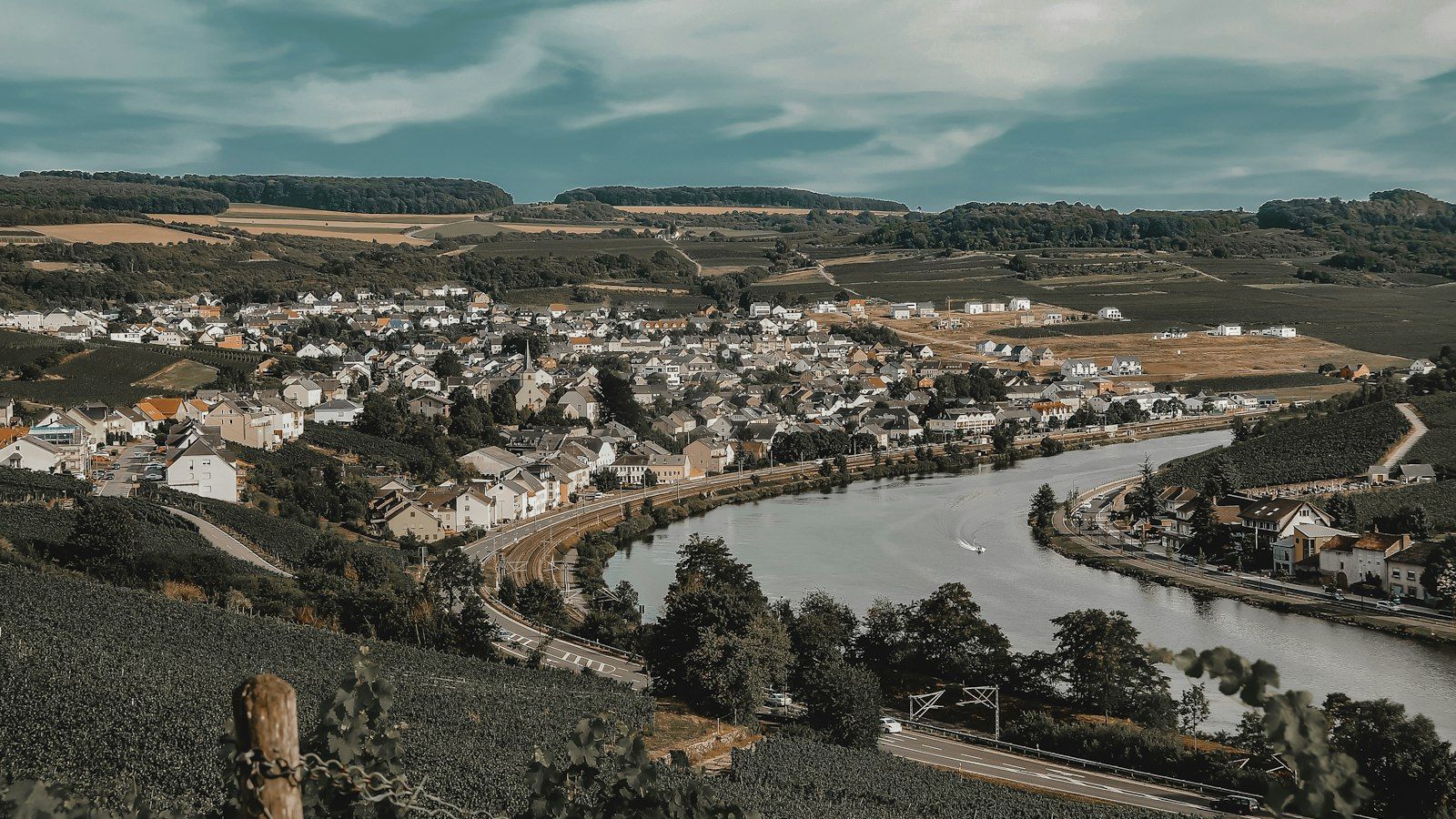
One of Germany's oldest cities puts a blackened Roman gate, imperial baths and a 20,000-seat amphitheatre within walking distance of Mosel wine taverns, Riesling slopes and the Luxembourg border. Best time to visit: May to June and September to October. Daily budget (budget traveller): $80 to $250 USD.
Arrive, Porta Nigra and the Hauptmarkt
Morning: Arrive at Trier Hauptbahnhof and walk 10 to 15 minutes into the centre. Drop your bags at your hostel or hotel and pick up a city map at the tourist information next to the Porta Nigra.
Afternoon: Climb through the Porta Nigra (€6, or use your Antikencard). It's open until 4pm in winter, 5pm in March and October and 6pm from April to September. Walk down Simeonstraße past the Dreikönigenhaus to the Hauptmarkt.
Evening: Head to Weinstube Kesselstatt opposite the cathedral and order a glass of Riesling with a plate of regional food. Arrive before 6pm for a table, as it fills quickly.
Cathedral, basilica and imperial baths
Morning: Visit the Dom and the Liebfrauenkirche (both free), then walk to the Konstantinbasilika. Go before lunch, as hours vary around services.
Afternoon: Stroll through the Palastgarten to the Rheinisches Landesmuseum (usually Tuesday to Sunday, about 10am to 5pm, included in the Antikencard). Finish at the Kaiserthermen and explore the tunnels under the ruins.
Evening: Dinner at Kartoffel-Kiste on Fahrstraße, a long-running potato-themed restaurant with big portions. Then take a walk across the lit-up Hauptmarkt.
Heading home: For the airport or station, see Getting there in the full Trier guide.
What to eat in Trier
- Mosel, Saar and Ruwer Riesling: crisp, often slightly sweet white wines from the hills around the city, served by the glass in every Weinstube
- Viez: Trier's tart local apple wine, served in a tall porcelain jug or mug. It's warmed as Glühviez at the Christmas market
- Teerdisch: a hearty Trier home dish of mashed potato and sauerkraut, usually with bacon or sausage on the side
- Gequellte mit Klatschkäs: boiled jacket potatoes with cold herb quark, a cheap and filling regional classic
- Döppekooche: a crisp oven-baked potato cake with bacon and onion from the nearby Eifel and Hunsrück, best in autumn and winter
- Federweißer with Zwiebelkuchen: half-fermented new wine with warm onion tart, sold during the September and October harvest
Hidden gems
- The Thermen am Viehmarkt: Roman baths found while digging a car park, now displayed under a glass cube designed by O. M. Ungers. It's included in the Antikencard Premium.
- The Barbarathermen viewing walkway on Südallee, where you can look over the remains of Trier's second big Roman bath complex for free
- The Weinlehrpfad vineyard trail from the Petrisberg above the amphitheatre down to Olewig, with information boards and views over the city
- The Mariensäule on the west bank, a steep 30 to 40 minute climb from the Römerbrücke to the best view of Trier and the Mosel valley
- The Igel Column, a 23-metre Roman funerary monument covered in carved scenes of a cloth-trading family's life. It's in the village of Igel, a short train ride or about 9 km by bike along the Mosel.
Getting around
Trier's centre is small and flat, and walking is the best way to see it. The Hauptbahnhof is about a 10 to 15 minute walk from the Porta Nigra, and the Porta Nigra to the amphitheatre takes about 25 minutes. City buses run by SWT reach Olewig, the Petrisberg and the outer districts. Single tickets cost around €3, and day tickets cost more. Check current fares in the VRT app or at ticket machines, and always buy or validate before boarding: fare dodgers pay at least €60. Regional trains run to Saarburg, Igel and Koblenz, and CFL and DB trains reach Luxembourg City in about 50 minutes. Once you're in Luxembourg, domestic public transport is free. If you plan several day trips by regional train, the Deutschlandticket costs €63 a month in 2026 and rises to €66.80 from January 2027. It's a subscription, so cancel it in time, and don't assume it covers the Luxembourg leg. The Mosel cycle path follows the river in both directions and is flat and well signed.
Safety
Trier is a very safe city, and violent crime against visitors is rare. Watch for pickpockets in the Christmas market crowds and around the Hauptmarkt on busy weekends. Cyclists share the pedestrian zone and the riverside paths, so check behind you before you step sideways. The cobbles are uneven and slippery when wet, so wear proper shoes. The Mariensäule path is steep and poorly lit, so climb it in daylight. On summer nights, Zurlauben and the student bars get lively but rarely rowdy. Keep an eye on your drink and use the main streets on your way home. Regional trains can be disrupted by strikes or engineering works, so check the DB Navigator app the night before a day trip. Most shops close on Sundays, and some small bakeries and wine stands only take cash.
Frequently asked questions
What does this 2-day Trier itinerary cover?
Day 1: Arrive, Porta Nigra and the Hauptmarkt. Day 2: Cathedral, basilica and imperial baths.
Is 2 days enough for Trier?
Our recommended trip length for Trier is 3 to 5 days, or 7 with day trips. This 2-day plan focuses on the highlights and groups sights by area so you spend less time travelling between them.
How much does 2 days in Trier cost?
A budget traveller spends about $80 to $250 USD a day in Trier, so roughly $160 to $500 USD for 2 days, not counting flights.
Where should I stay for 2 days in Trier?
Altstadt and Hauptmarkt: The pedestrianised old town between the Porta Nigra and the cathedral. Dom and Palastgarten: The quieter quarter around the cathedral, the Liebfrauenkirche, the Konstantinbasilika and the pink rococo Electoral Palace.
When is the best time to visit Trier?
The best time to visit Trier is May to June and September to October.
How do I get around Trier?
Trier's centre is small and flat, and walking is the best way to see it. The Hauptbahnhof is about a 10 to 15 minute walk from the Porta Nigra, and the Porta Nigra to the amphitheatre takes about 25 minutes.
Is Trier safe for solo travellers?
Trier is a very safe city, and violent crime against visitors is rare. Watch for pickpockets in the Christmas market crowds and around the Hauptmarkt on busy weekends.
Read more about Trier
More 2-day guides
- Cochem in 2 days
- Freiburg in 2 days
- Meissen in 2 days
- Monschau in 2 days
- Quedlinburg in 2 days
- Füssen in 2 days
- Lübeck in 2 days
- Regensburg in 2 days
Trier in 3 days | Trier in 4 days | Trier in 5 days | Trier in 7 days | Full Trier guide
Joy Plus home | Destinations | Itineraries | Activities | Flights | Budget planner | Calendar | Map | Blog | Lifetime access