Destinations / Europe
Valencia, Spain travel guide
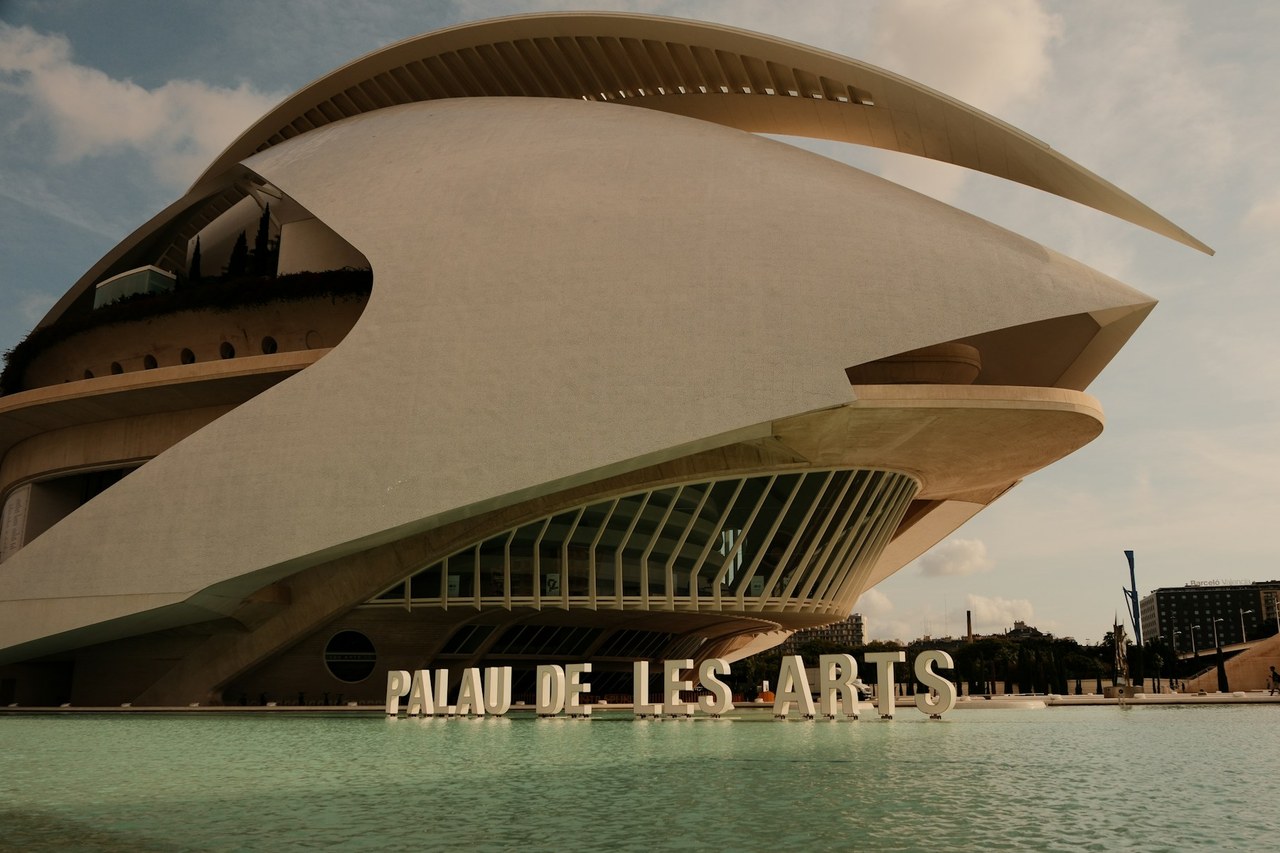
Futuristic architecture, Mediterranean beaches, and the birthplace of paella.
- Best time to visit: March-June and September-October
- Daily budget (budget traveller): $65 to $100 USD
- Ideal trip length: 3 to 4 days
Valencia is Spain's most liveable big city and the one most travellers overlook for Barcelona - their loss. It has the futuristic City of Arts and Sciences, a green riverbed park that loops the whole centre, a real city beach, and the actual home of paella. Joy Plus maps the old town and the Turia gardens on bike, times Mercado Central before it sells out, and gets you a beachfront paella that isn't a tourist trap.
Valencia is what Barcelona was before everyone found out. A city of 800,000 with a proper working port, a medieval core you can cross in 20 minutes, and a 9km river-turned-park that lets you cycle from the old town to Calatrava's white sci-fi campus without touching a road. It gets around 300 days of sun a year. A decent menú del día costs €13, a caña costs €2.50, and a bed in the middle of it all costs less than a Barcelona dorm.
The city is built around lunch. Paella valenciana (chicken, rabbit, garrofó beans, no chorizo, no prawns) is a Sunday-lunch dish eaten between 2 and 4pm, and the best places are in El Cabanyal and on the Malvarrosa front, not on the old town plazas where laminated photo menus are the warning sign. Around it sit the rest of the greatest hits: horchata and fartons at Horchatería Santa Catalina, Agua de Valencia at Café de las Horas, and the 7:30am-to-3pm Mercado Central, which is a better cathedral than most cathedrals.
Plan it as a loop that runs from the old town through Ruzafa and down the Turia to the sea. Base yourself in Ciutat Vella, El Carmen or Ruzafa, rent a bike or grab a Valenbisi, and leave one day for the Albufera lagoon at sunset. The only real trap is timing. Fallas (March 1 to 19) triples hotel prices and turns the centre into a very loud, very wonderful street party, August is hot and sticky, and autumn storms can turn serious, so check the AEMET forecast before you fly.
How many days in Valencia?
For Valencia, we recommend 3 to 4 days. With more time, add a day trip to Sagunto.
| Trip length | What you'll see | Itinerary |
|---|---|---|
| 2 days | Ciutat Vella and El Carmen; Mercado Central, Colón and Ruzafa | Valencia in 2 days |
| 3 days · Recommended | Adds: City of Arts and Sciences and the Turia | Valencia in 3 days |
| 4 days · Recommended | Adds: El Cabanyal, beach and real paella | Valencia in 4 days |
| 5 days | Adds: Albufera lagoon and sunset boat | Valencia in 5 days |
| 7 days | Adds: Xàtiva day trip; Art | Valencia in 7 days |
Valencia itinerary
Arrive, Ciutat Vella and El Carmen
Morning: Land at VLC, metro line 3 to Xàtiva, drop bags. Horchata and fartons at Horchatería Santa Catalina on Plaza Santa Catalina.
Afternoon: Plaza de la Virgen, the Cathedral and the 207-step Miguelete tower (about €2.50). Walk through Plaza Redonda and up to the Torres de Serranos.
Evening: El Carmen: dinner at Bar Pilar (mussels, ask for the clóchinas in season), drinks at Café Negrito, then a last Agua de Valencia at Café de las Horas. Bed before 1am, tomorrow starts early.
Mercado Central, Colón and Ruzafa
Morning: Mercado Central at 8:30 (open Monday to Saturday, 7:30am to 3pm, closed Sunday). Esmorzaret at Central Bar inside the market, then the Lonja de la Seda across the square (about €2).
Afternoon: Walk to Mercado de Colón for a vermut, then the Plaza de Toros and the Modernist Estació del Nord next door. Cross into Ruzafa for coffee at Ubik Café.
Evening: Ruzafa tapas crawl along Calle Cádiz and Calle Sueca. Order one dish per bar, drink a caña at each.
City of Arts and Sciences and the Turia
Morning: Rent a Valenbisi or a day bike. Ride the Turia from Parque Gulliver to the City of Arts and Sciences. Oceanogràfic at 10am opening (from about €36).
Afternoon: Late lunch (menú del día) near the complex, then Pont de l'Assut de l'Or and the Palau de les Arts for photos. Skip the Hemisfèric unless you want a film.
Evening: Golden hour at the reflecting pools (free), then dinner at the Mercado de Colón or back in Ruzafa.
El Cabanyal, beach and real paella
Morning: Ride or take the tram to El Cabanyal. Wander the tiled fishermen's streets, coffee on Calle Progrés, swim at Playa de la Malvarrosa if it's warm enough.
Afternoon: Paella valenciana lunch at 2pm. Book Casa Carmela (wood-fired, about €25-35 per person) or La Pepica (since 1898, on Passeig de Neptú).
Evening: Walk the Marina de València and the Veles e Vents building at sunset. Late tapas at Casa Montaña in El Cabanyal.
Albufera lagoon and sunset boat
Morning: Bus from the city to El Saler or El Palmar (about 40 min, check the EMT app). Walk the rice paddies, spot herons and flamingos.
Afternoon: Arròs a banda or all i pebre eel lunch at a family place in El Palmar such as Nou Racó. Then a 30 min boat ride (about €6) on the lagoon.
Evening: Stay for sunset on the water, it's the prettiest light in the region. Bus or Bolt back (about €20-25), easy dinner near the hotel.
Xàtiva day trip
Morning: Cercanías C2 from Estació del Nord to Xàtiva (about 45 min, around €5 each way). Walk the old town, then climb to the castle (about €3).
Afternoon: Lunch in town, then a slow afternoon in the castle gardens and the Colegiata. Birthplace of the Borgias and the Spanish paper industry.
Evening: Train back. Vermut at Ruzafa's Mercat de Russafa area bars, then an early night.
Slow morning, art and depart
Morning: Museu de Belles Arts de València (free, Tuesday to Sunday from 10am), second-best collection in Spain after Madrid. Coffee in Jardines del Real.
Afternoon: Last horchata at Horchatería Santa Catalina, then a final bocadillo or arroz del día near the old town. Pick up Valencian oranges or turrón from Mercado Central if it's before 3pm.
Evening: Metro line 3 or 5 to the airport (about 25 min). Leave 2h30 before an international flight.
Best neighbourhoods
- Ciutat Vella (Old Town): The medieval heart - cathedral, markets, plazas, best base for first-timers.
- El Carmen: The bohemian quarter, street art, tapas bars and nightlife.
- Ruzafa: Hipster district, brunch spots, indie shops, the locals' favourite for going out.
- City of Arts & Sciences: Calatrava's white sci-fi complex - aquarium, science museum, photogenic pools.
- Las Arenas / Malvarrosa: The beach strip, paella restaurants on the promenade, summer energy.
Must-do experiences
- City of Arts and Sciences: Walk the reflecting pools at golden hour, then the Oceanogràfic, Europe's largest aquarium.
- Cycle the Turia Gardens: A 9km park in a drained riverbed looping the city - rent a bike and ride it end to end.
- Mercado Central: One of Europe's great Art Nouveau food markets. Go before noon for the best produce.
- Paella by the beach: Real Valencian paella is a lunch dish - book a spot in El Cabanyal or on Malvarrosa.
Hidden gems
- El Cabanyal, the old fishermen's quarter with tiled houses, now full of cool cafés.
- Climb the Miguelete tower for the old-town rooftop panorama.
- Horchata and fartons at Horchatería Santa Catalina.
- Bioparc, an immersive African-savannah zoo at the far end of the Turia.
Daily budget
- Accommodation: budget €18-35 / night (hostel dorm), mid-range €85-140 (boutique double), splurge €230+ (Caro Hotel, Las Arenas Balneario Resort). El Carmen and Ruzafa are the best value. During Fallas (March 1 to 19) prices can triple, so book months ahead.
- Food: budget €22-32 / day (bocadillo, menú del día, horchata), mid-range €45-70 (one paella lunch for two, tapas dinner), splurge €150+ (Ricard Camarena, two Michelin stars). Weekday lunch menus run €12-16 with a drink. Paella is cheaper at lunch and usually needs two people.
- Transport: budget €3-6 / day (metro/bus singles, walking), mid-range €10-18 (bike hire or Valenbisi plus a train day trip), splurge €60+ (taxi or driver to the Albufera). Single metro and bus tickets run around €1.50, cheaper with a rechargeable SUMA card. The centre is flat and walkable.
- Activities: budget €10-15 / day (Museu de Belles Arts is free, Lonja and Torres de Serranos about €2 each), mid-range €35-60 (Oceanogràfic from about €36, Miguelete tower, Albufera boat about €6), splurge €90+ (paella cooking class, private Albufera sunset sail). The Turia gardens, the City of Arts and Sciences pools and the beach cost nothing.
- Drinks & nightlife: budget €8-12 (caña about €2.50, vermut about €3), mid-range €25-40 (Agua de Valencia, cocktails around €9-12), splurge €70+ (rooftop drinks, late club). Ruzafa and El Carmen are bar-hopping streets. Clubs fill after 1am and weekends run to dawn.
Where to stay
- Social hostel in Ciutat Vella (€18-35 / night): Home Youth Hostel in the old town, with mixed dorms, a kitchen and low-key social events.
- Boutique hotel in El Carmen / Plaza de la Virgen (€90-160 / night): Ad Hoc Monumental Hotel, a restored 14th-century house a minute from the cathedral. Quiet courtyard, walking distance to every market and tapas bar.
- Apartment in Ruzafa or El Cabanyal (€70-120 / night): A balcony flat on a real residential street. Ruzafa gives you cafés, markets and nightlife, Cabanyal gives you tiled houses and the beach. Best value for 5+ nights.
- Splurge in Las Arenas beachfront / Ciutat Vella (€230-450 / night): Las Arenas Balneario Resort sits on the sand with a spa and sea views, or Caro Hotel in the old town for Roman walls in the lobby and a Modernist feel.
What to eat
- Paella valenciana (rabbit and chicken, not seafood) at lunch
- Horchata with fartons
- Agua de Valencia (cava, orange juice, gin) on a terrace
- Esmorzaret - the hearty Valencian mid-morning sandwich
Day trips
- Albufera Natural Park (12km south, 30 to 40 min by bus): Spain's largest lagoon, surrounded by rice paddies and the birthplace of paella. Take a 30 min boat ride (about €6), eat arròs a banda or all i pebre eel in El Palmar, and stay for sunset. EMT bus toward El Saler and El Palmar from the city centre (check the EMT app for the current line), or Bolt for about €20-25.
- Sagunto (30km north, 30 min by train): Roman theatre and a sprawling hilltop castle with views to the sea. Quiet, cheap and rarely crowded. Cercanías C6 from Estació del Nord, under €4 each way. Taxi or a 30 min uphill walk from the station to the castle.
- Xàtiva (60km south, 45 min by train): Castle on twin peaks above a pretty old town, birthplace of the Borgia popes and of Spanish paper-making. A good half-day with a long lunch. Cercanías C2 from Estació del Nord, about €5 each way. Castle entry about €3, 30 min uphill walk from town.
When to visit
- Spring (March - May): 17-25°C, mostly sunny, the odd shower. Crowds: Moderate, spikes during Fallas (March 15-19) and Easter. The best window. Orange blossom, patios open, sea still cold. Come for Fallas only if you want fireworks at 2pm and zero sleep, and book 4 months ahead.
- Summer (June - August): 28-33°C, humid, tropical nights around 25°C. Crowds: Heavy at the beach, lighter in the old town in August. Beach weather and the warmest sea (26°C), but sticky and many local restaurants close for part of August. Great for the coast, rough for walking at 3pm.
- Autumn (September - November): 26-30°C in September, 20-24°C in October, 15-19°C in November. Crowds: Moderate, drops fast after October. The locals' favourite: sea still around 23°C in September, cheaper rooms, quiet museums. Autumn storms (DANA) can bring heavy rain, so check AEMET alerts and keep dates flexible.
- Winter (December - February): 10-18°C, sunny, rarely below 5°C. Crowds: Low. Cheapest hotels and empty paella tables. Too cold for the beach, but fine for cycling the Turia, oranges everywhere and the best-value stay of the year.
Entry rules for your passport
Visa rules for Spain depend on the passport you travel on. Check the official source before you book: European Commission: Schengen visa policy
Getting there
Valencia airport (VLC) is in Manises, about 8km west of the centre. Metro lines 3 and 5 run direct, around 25 minutes to Xàtiva, Colón or Àngel Guimerà, with a single ticket costing roughly €5 including the airport supplement. A taxi to the centre is about €25 to €30, and Bolt or Cabify usually runs €18-25. By rail, Joaquín Sorolla is the high-speed station: Madrid is about 1h40 (€15-60, Ouigo is cheapest), Barcelona Sants about 3 hours (€25-60) and Alicante about 1h50. The older Estació del Nord is a 5 minute walk from the old town and handles regional Cercanías trains. Baleària and Trasmed ferries sail from the port to Palma and Ibiza. Skip the car, parking in the centre is a headache.
Border checks: non-EU visitors (other than Swiss, Norwegian, Icelandic, Liechtenstein, Andorran, Monegasque, San Marinese and Vatican citizens, and holders of an EU residence permit or long-stay visa) are registered in the EU's Entry/Exit System (EES) instead of getting a passport stamp. On your first crossing, officers take your photo and/or fingerprints, so allow extra time at passport control. ETIAS, the planned travel authorisation, is not in operation yet, so don't pay any website for one.
Getting around
Flat and bike-friendly - rent a bike or use Valenbisi for the Turia and old town. The metro links the airport to the centre in 25 minutes, and trams reach the beach. The centre is very walkable.
Safety
Valencia is safe and relaxed, even at night. Standard care with pickpockets in the market and on the beach. It's noticeably calmer and cheaper than Barcelona, with the same Mediterranean appeal.
Solo travel tips
- Eat paella at lunch and share the table: Paella is normally cooked for two or more. Look for a weekday arroz del día on a lunch menu (€14-16 with starter and drink), or join your hostel's paella night. At the beach, a bar counter order is a lot cheaper than a full paella.
- Ride the Turia gardens end to end: The 9km riverbed park is flat, car-free and full of other solo riders and runners. Valenbisi docks are everywhere (about €4 a day, €13 a week, first 30 min per ride free). Ride the park from Parque Gulliver to the City of Arts and Sciences, then keep going to the beach.
- Hostel pick: Home Youth Hostel: It is social without forcing pub crawls, and sits in Ciutat Vella, walking distance to the market and El Carmen. Ask at reception for the nightly group dinner or tapas run.
- Use the bar, not the table: At Mercado Central's Central Bar or any tasca in El Carmen, sit at the counter. Order a caña and a bocadillo, and you'll be chatting to the bartender or the next stool within minutes.
- Solo female travellers: Valencia is one of Spain's most relaxed cities for women alone. The old town and El Carmen are lively late. Standard rules apply: watch drinks, use Bolt, Uber or Cabify after 2am, and stick to lit streets in El Carmen's back lanes.
- Find your tribe at the beach or a language exchange: Beach volleyball and kitesurf lessons on Malvarrosa are full of solos. Ruzafa bars like Café Madrigal and the Wednesday language exchanges are easy ways to meet locals. Free walking tours start from Plaza de la Virgen, tip-based.
Cultural etiquette
- Learn a little Valencià. 'Bon dia' (good morning) and 'gràcies' (thanks) are noticed, though Spanish works everywhere.
- Paella is for lunch, usually 2 to 4pm. Locals don't eat it for dinner, and they don't put chorizo or seafood in a paella valenciana.
- Tipping is not expected. Round up, or leave €1-2 at a sit-down meal. Don't leave 15 to 20 percent like in the US.
- Dinner is 9 to 11pm. Turning up at 7pm means an empty room and a tourist menu.
- Shops often close 2 to 5pm and on Sundays. Plan Mercado Central for before 3pm and never on a Sunday.
- Cover your shoulders and knees in the Cathedral and churches. A scarf in your bag solves it.
- During Fallas, ear protection is not optional. Mascletà is about sound, so stand back from the firing line and arrive early.
Frequently asked questions
How many days do you need in Valencia?
Three days covers the old town, the City of Arts and Sciences, the Turia gardens and a beach-and-paella afternoon. A fourth lets you slow down or add the Albufera lagoon.
Is Valencia better than Barcelona?
It's cheaper, calmer and less touristy, with a real beach in the city and the original paella. Barcelona has more icons, but Valencia is the easier, more relaxed trip.
Where do you eat real paella in Valencia?
Not in the touristy old-town plazas. Head to El Cabanyal or the Malvarrosa beachfront, eat it at lunch (never dinner for locals), and order paella valenciana with rabbit and chicken.
When is the best time to visit Valencia?
March-June and September-October is the sweet spot for weather and crowds. Shoulder season brings lower prices and easier bookings, while peak months mean higher accommodation costs and longer queues at the best known sights, so book early if you travel then.
How much does a trip to Valencia cost?
Budget around $65 to $100 USD per person per day, covering a hostel bed or simple room, local transport, two or three meals out and an activity or entry ticket. You can go lower with markets and free walking tours, or far higher with boutique hotels and private guides.
How much does a solo trip to Valencia cost?
Budget on roughly $65-$100 USD per day in Valencia as a solo traveller. That covers a hostel bed or simple room, local food, getting around and a couple of paid sights. Mid-range comfort with private rooms, sit-down dinners and the odd tour runs closer to double, while shoestring travellers who cook and stick to street food can come in under it.
Is Valencia safe for solo female travellers?
Valencia is generally a comfortable place to travel solo, including for women, as long as you use normal city sense. Valencia is safe and relaxed, even at night. Standard care with pickpockets in the market and on the beach. It's noticeably calmer and cheaper than Barcelona, with the same Mediterranean appeal.
How do you get around Valencia?
Flat and bike-friendly - rent a bike or use Valenbisi for the Turia and old town. The metro links the airport to the centre in 25 minutes, and trams reach the beach. The centre is very walkable.
More about Valencia
- Where to Travel in 2027: 15 Places Worth Planning a Trip Around
- Total Solar Eclipse 2 August 2027: Where to Watch It and How to Plan Now
- Barcelona in 3 Days: Gaudí, Tapas, the Beach and 2026 Prices
Tours and activities in Valencia | Valencia in 2 days | Valencia in 3 days | Valencia in 4 days | Valencia in 5 days | Valencia in 7 days
Can't decide? Compare Valencia with...
- Barcelona vs Valencia
- Seville vs Valencia
- Valencia vs Alicante
- Zaragoza vs Valencia
- Lisbon vs Valencia
- Madrid vs Valencia
- Malaga vs Valencia
Joy Plus home | Destinations | Itineraries | Activities | Flights | Budget planner | Calendar | Map | Blog | Lifetime access